


Google today officially announced the launch of a new laptop platform, Googlebook, which redefines the form of personal computers with a new system architecture. Googlebook combines Android’s flexible ecosystem, ChromeOS’s cloud efficiency, and Gemini’s AI intelligence core to create a cross-device, cross-application, and cross-situation integrated computing platform with the goal of bringing users a more intuitive, proactive, and smarter computer experience.
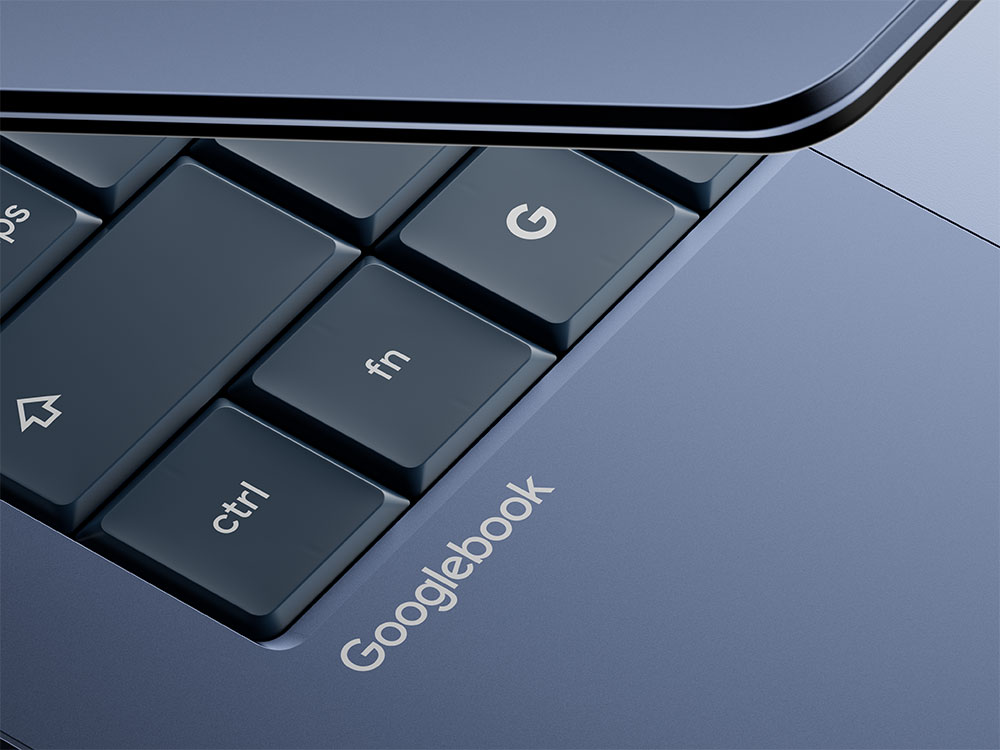
Google releases new laptop platform “Googlebook”, combining Android, ChromeOS and Gemini to create a next-generation computing experience
With the launch of Googlebook, Google simultaneously released a new interactive technology called Magic Pointer. This feature evolves the traditional cursor from a “pointing tool” into an “active assistant” that can provide real-time suggestions and operation shortcuts during the user’s operation. Google said that the design concept of Magic Pointer is to make the computer “better understand the user” and actively assist during the operation instead of waiting for instructions.
Magic Pointer’s core capabilities include:
- Actively display interactive elements: When the cursor moves to the page, the system will automatically mark clickable and operable blocks, reducing the time cost of finding buttons or functions.
- Directly select images and send them to Gemini: Users can use the cursor to select images, and Gemini will immediately generate posters, materials or extended content, making the creation process faster.
- Proactively suggest actions based on the email content: When users read emails, Magic Pointer can identify the location, date or task requirements, and provide suggestions for navigation, creating itineraries, opening applications, etc.
Another important feature of Googlebook is its deep cross-device integration capabilities. Google uses a system-level collaboration mechanism to make the interaction between mobile phones and laptops more seamless. Google emphasized that these integration capabilities are not simply mirror projection, but through system-level APIs and Gemini’s understanding capabilities, allowing content from different devices to be connected in a more natural way. Key features include:
- Laptops can directly open mobile apps: users can open and operate mobile apps on Googlebook without picking up their phones.
- Unified file manager: Googlebook’s built-in file manager can browse files on all devices, including mobile phones, tablets, and cloud spaces, making cross-device data access more intuitive.
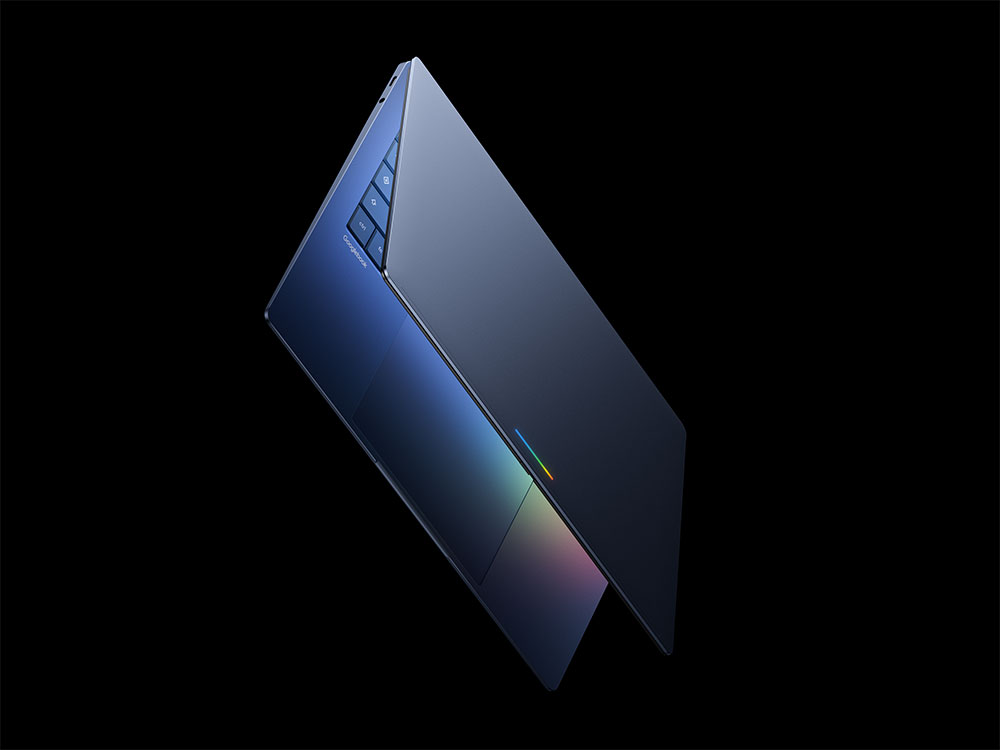
To promote the Googlebook ecosystem, Google announced cooperation with a number of global PC brands, including HP, Dell, Lenovo, Acer, ASUS, etc. These partners will launch multiple Googlebook devices with a consistent design language and high-quality craftsmanship to ensure users have a consistent experience across different brands. Google said that the hardware specifications of Googlebook will vary according to different product lines, but all devices will have AI computing capabilities, cross-device integration functions, and complete support for Magic Pointer.
Source: KOCPC Chinese