


Although I’m not sure if this is a two-faced approach, it seems that Microsoft has softened its attitude towards unsupported hardware due to the sluggish upgrade rate. However, when we come to Microsoft’s official blog, we see that the latest post takes an extremely firm attitude… Continue reading Microsoft reiterates that TPM 2.0 is a “non-negotiable standard” for Windows 11.
▲Image source: @femceIs (X, former Twitter)
Microsoft reiterates that TPM 2.0 is a “non-negotiable standard” for Windows 11
Although I am not sure whether this is a double-dealing approach, as “Install Windows 11 on a PC that doesn’t meet the minimum system requirements” page, it seems that Microsoft is subject to the sluggish upgrade rate, and seems to have softened its attitude towards unsupported hardware.
However, when we come to Microsoft’s official blog, we see that the latest post takes an extremely firm attitude, believing that the protagonist in the article believes that the platform module TPM 2.0 is a non-negotiable standard for Windows 11.
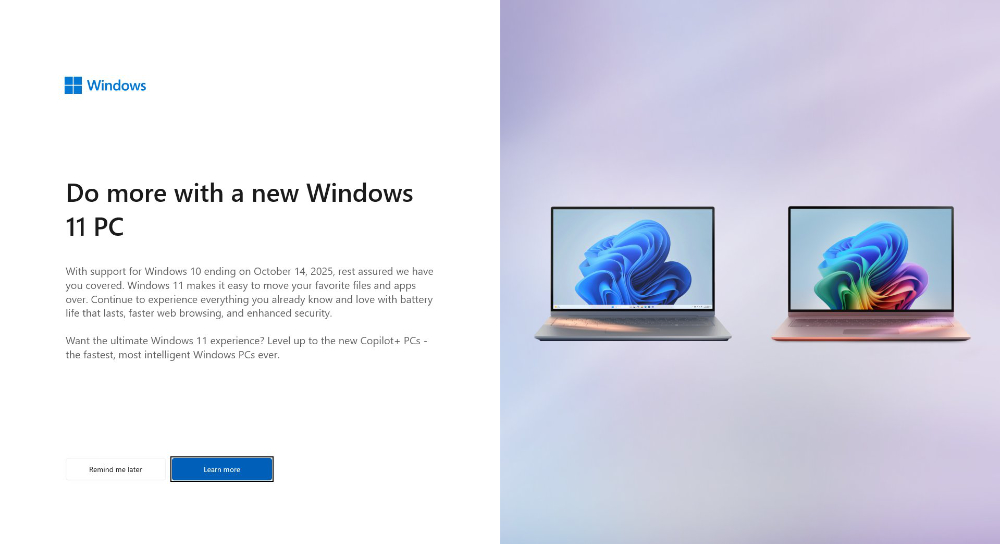
When it comes to company organization should make changes for this – this part should not be difficult to understand, it is the “Copilot+ PC” that Windows 10 has recently been promoting through full-screen advertisements (buy, buy, buy).
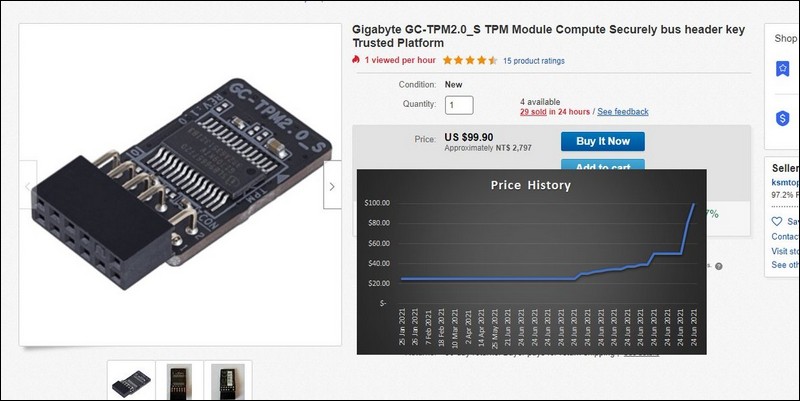
「By instituting TPM 2.0 as a non-negotiable standard for the future of Windows」
Although the emphasis on the importance of enterprise security in the Windows IT Pro Blog is indeed very relevant, it doesn’t feel like there are too many problems.
However, Microsoft chose to publish this article at a time when the public is a bit confused and wonders whether there is some room for adjustment in the minimum system requirements of Windows 11. I always feel like it’s a bit of a public announcement, (at least) for enterprise users. Buy a new computer obediently This means continuing to pay attention to information security.
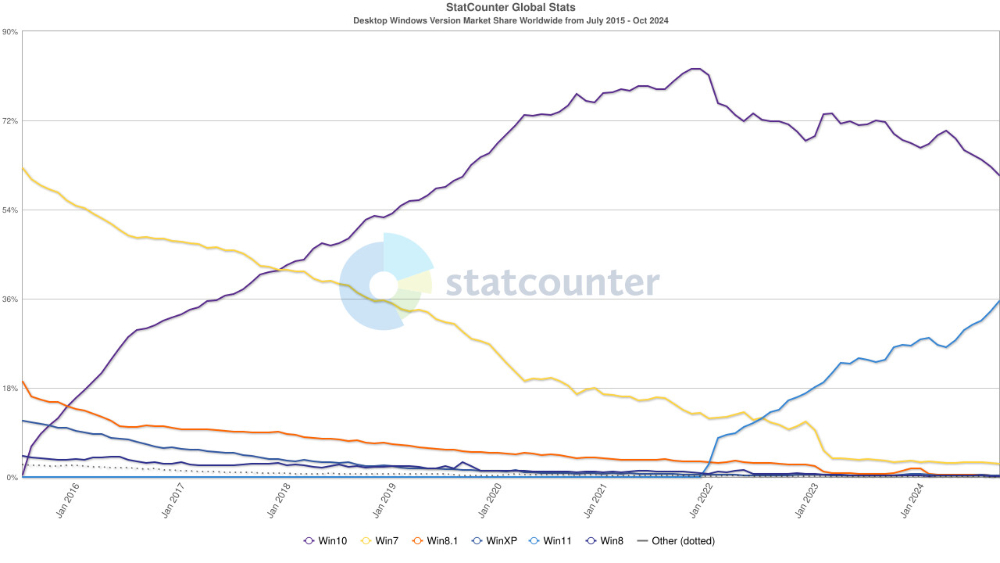
▲Image source: statcounter
According to the official description, the TPM Trusted Platform Module can provide various security mechanisms for information security protection for Windows systems (such as BitLocker disk encryption, Windows Hello, etc.) through hardware.
It is said that TPM modules have been responsible for information security in Windows computers for more than 20 years. As for TPM 2.0, it was launched as early as 2016, so Microsoft said that basically any computer that is less than 5 years old should already have such specifications – but for enterprises, it still needs to be “promoted” vigorously.

In addition to reiterating that TPM 2.0 is a “non-negotiable standard for future Windows,” the post also mentioned that “In conclusion, TPM 2.0 is not just a recommendation—it’s a necessity for maintaining a secure and future-proof IT environment with Windows 11.”
Having said this, I still feel that I have bypassed Various ways to limit Windows 11 24H2should…
Quote sources:Microsoft|Via:Neowin|
Further reading:
The Beauty of Efficiency, Interview with Apple iPhone 16 Series Product Design Original Factory
Source: KOCPC Chinese