


Another item has been silently introduced in the iOS 18.1 system, which will make it difficult for iPhone thieves who have finally found the cracking vulnerability again, but it is a better protection mechanism for users: the “Inactivity Reboot” function. Continue reading Apple quietly introduced an automatic restart mechanism for the iPhone, but law enforcement agencies were stunned by the report.
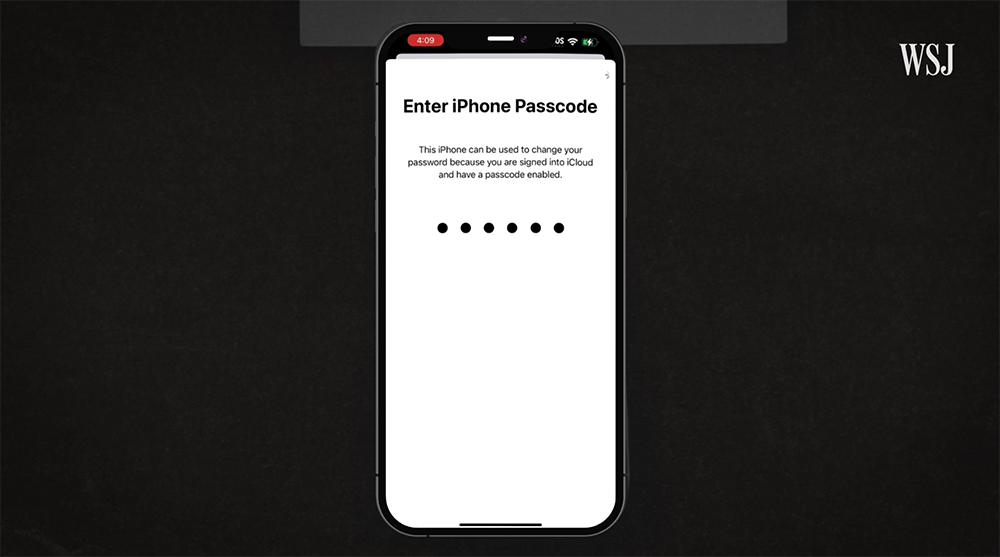
▲Image source: WSJ
Apple quietly introduced an automatic restart mechanism for iPhone, but law enforcement agencies were dumbfounded
Even Apple’s pre-iOS 17 system is basically like a group of lambs waiting to be slaughtered in front of thieves who specifically target iPhones – interested parties can systematically and quickly seize the use of mobile phones, and steal all digital identities and financial information in an instant.
However, in subsequent system updates, Apple also quickly passed“Stolen Device Protection” Stolen Device Protection Mechanism, effectively delaying the losses that may be caused by such theft. Further curbing the trend of iPhone theft continues.
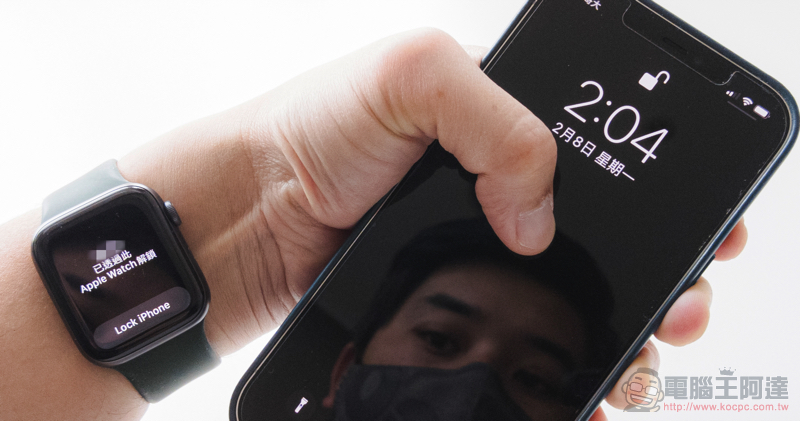
Now, Apple has quietly introduced another feature in the iOS 18.1 system, which will make it more difficult for iPhone thieves who have finally found the cracking vulnerability again, but it is a better protection mechanism for users: the “Inactivity Reboot” function.
After the system update, as long as the iPhone is not used for up to 4 days, it will silently restart itself and enter the “Before First Unlock” state where the Pin password must be forced to be entered, which is more difficult to crack.
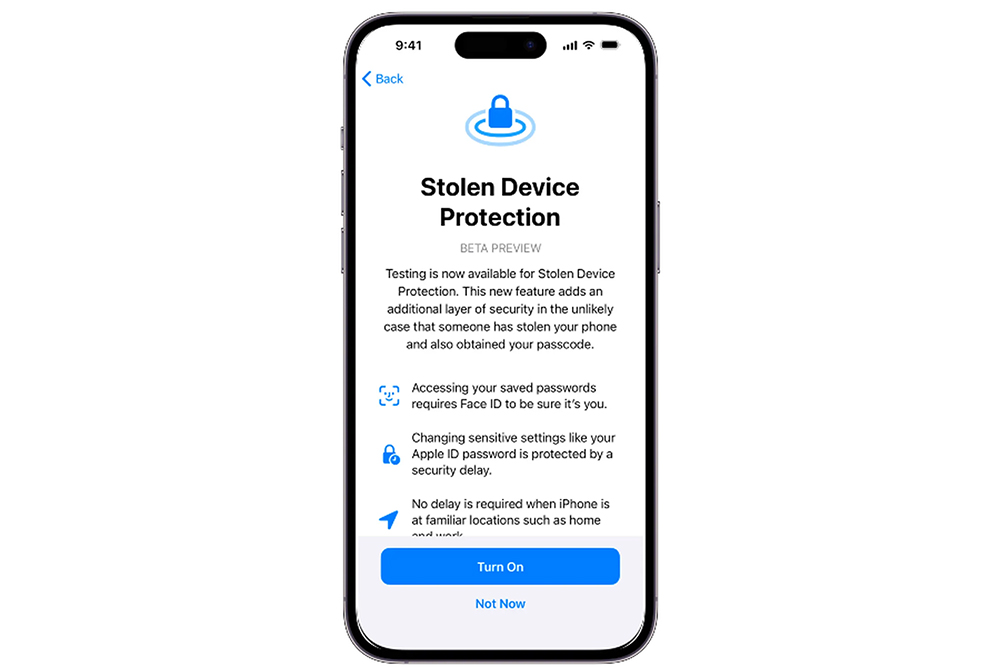
▲Image source: Apple
Naturally, some people think that if the phone has been stolen, and the other party may have the ability to crack biometric identification mechanisms such as Face ID or Touch ID, the stolen data may have been lost long ago. On the other hand, basically as long as the mobile phone is left for more than a day, it may run out of power and shut down, and it will actually passively enter a state that has not been unlocked for the first time.
I always feel like this mechanism has no protective effect?
However, security experts believe that this mechanism may be mainly used to deal with the iPhone that is plugged in and waiting to be cracked after the phone is stolen. It will still be “embarrassed” or the thief will accidentally lose the opportunity to crack the phone.
You know, for professional thieves, it may take a long time to unlock or pry open the door lock of each home. One of the key points of anti-theft is to try to make the thief find it too troublesome and time-consuming and choose other targets or give up. I personally believe that this is the effect that this mechanism aims to achieve.
That is to say, according to a report by 404 Media, it was also mentioned that such a mechanism seems to have completely dumbfounded the law enforcement agencies who confiscated the iPhone as evidence.
Because it is the same protection mechanism that requires entering the Pin password when the iPhone is restarted. They should have discovered that some iPhones that could originally be started using biometric unlocking have become a state where they need to ask for a password to unlock – which is really a “more troublesome” state.
Quote sources:404 Media|Via:Macworld|
Further reading:

Source: KOCPC Chinese