


As more and more brands and more entry-level Android devices adopt panels with higher update rates, the demand for ARR support directly through the system will naturally rise sharply. And this time the support of Android 15 is the change for this. Continue reading Android 15 finally officially supports ARR adaptive update rate, showing the text of the report.
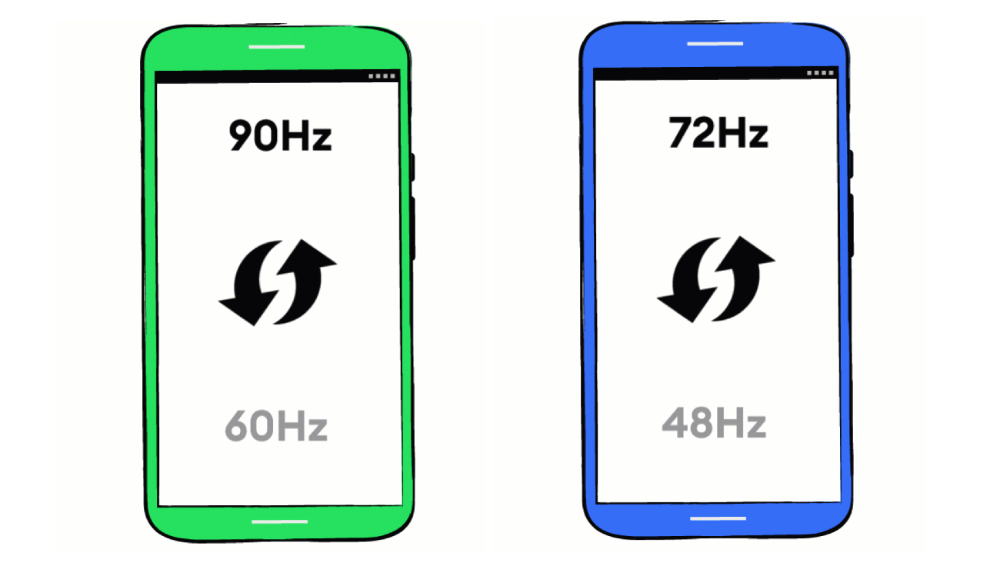
▲Image source: Google
Android 15 finally officially supports ARR adaptive update rate display
Okay, I know many people will take out cell phone screenshots when they see the title and say, “Obviously OOO phones have support.” On the other hand, there are indeed mobile phone brands that can develop their own functional support for ARR (adaptive refresh rate) adaptive refresh rate display panels.
However, as more and more brands and more entry-level Android devices adopt panels with higher update rates, the demand for ARR support directly through the system will naturally rise sharply.
This time the support of Android 15 is the change for this (although there are also HWC HAL version 3 support restrictions, so not every mobile phone that can be upgraded can get it…QQ).
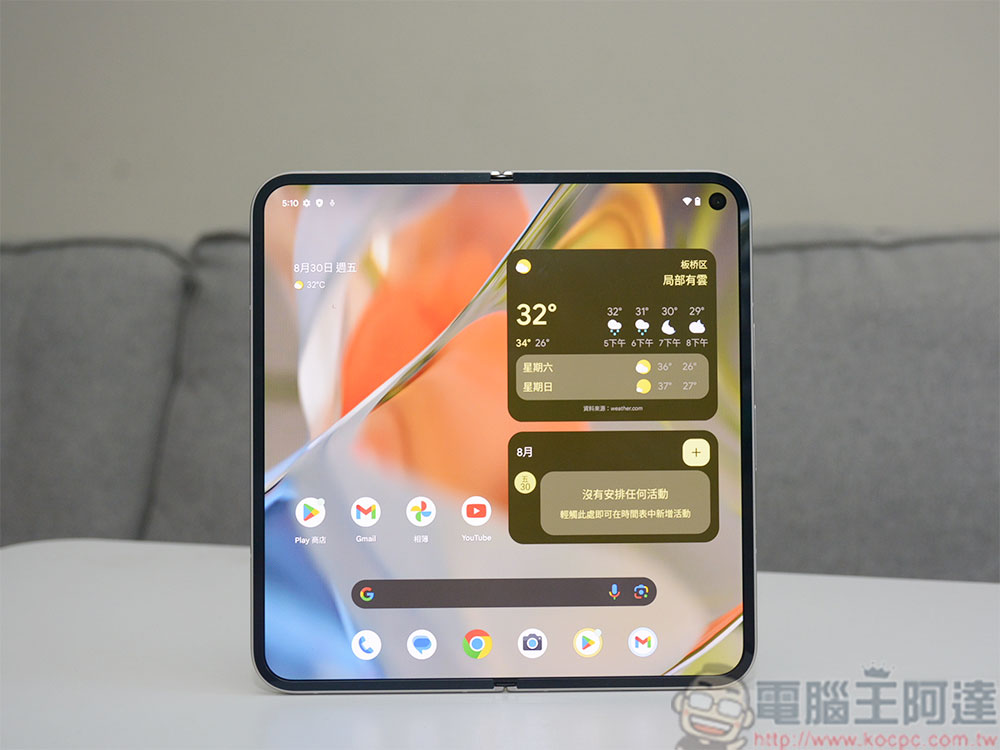
Foreign media quoted Google as saying that Android 15 is the first Android system to support ARR adaptive update rate.
Prior to this, mobile phone support was mainly based on “multiple refresh rates”, that is, by switching the screen refresh rate according to the displayed content to correspond to the needs of the displayed content.
Systems that have introduced the ARR adaptive update rate can, with the assistance of VSync technology, display in a single display mode at an update rate lower than the maximum update rate. Until the need for a higher update rate is detected, the display mode will be switched to a higher update rate.
In this way, the negative experience of lagging caused by the waste of power and time-consuming switching display modes can be effectively reduced.
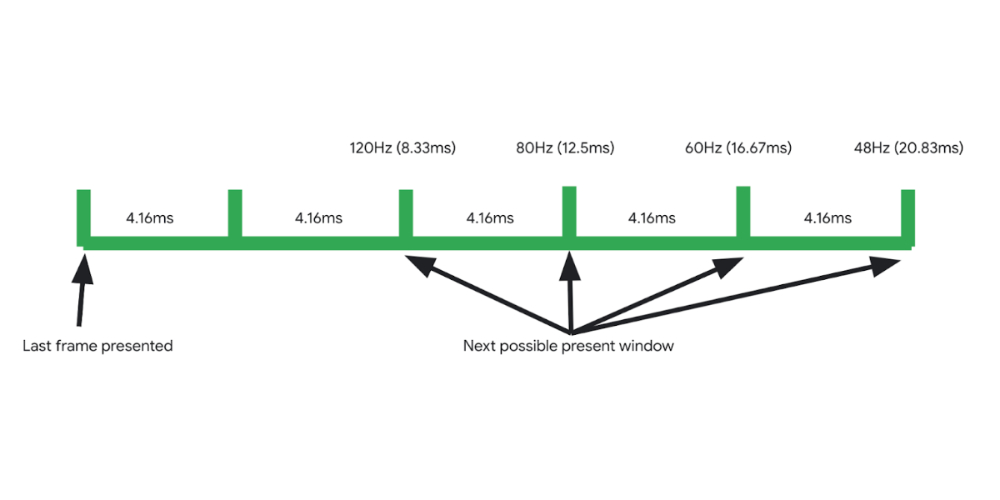
▲Image source: Google
Foreign media Android Authority quoted experts as saying that the difference between the system officially supporting ARR is. In the past, when many mobile phones played 24Hz or 30Hz video content, they would still play it in 60Hz display mode; mobile phones that support ARR can play at such a refresh rate.
Foreign media also gave examples of mobile phone manufacturers’ LTPO display support, which may not actually support ARR technology. It may be supported in a discrete form that is decoupled from the system. Although it is not a big problem, true support for ARR should provide smoother display switching performance without screen tearing problems.
In addition, such support will also significantly reduce development costs for brands that want to fully enjoy the advantages of ARR technology but do not have the resources to develop related technologies – and will also have a positive evolutionary effect on the improvement of mobile phone experience.
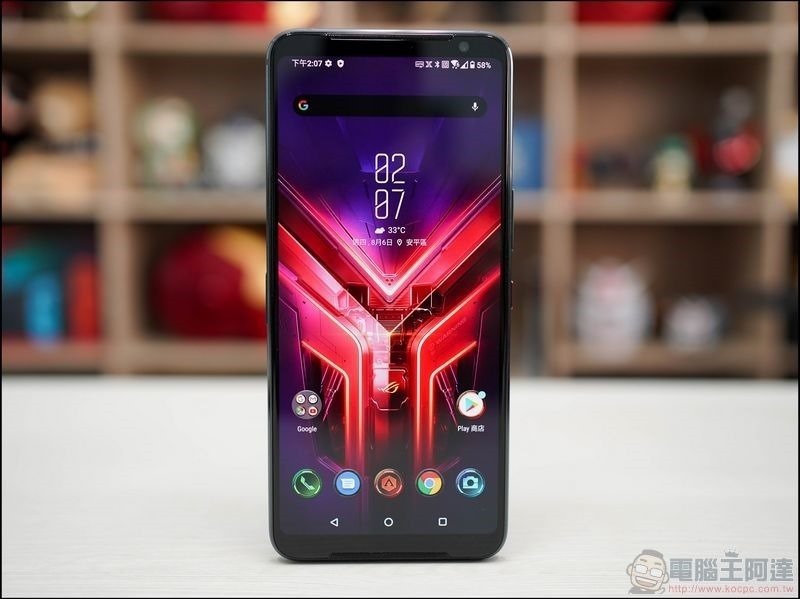
That is to say, I did see that VSync and other technologies were specifically mentioned in the adaptive update rate support this time. Do you think that when Android 15 is paired with hardware that supports ARR, it will be equivalent to the adaptive update rate technology on ordinary PCs?
However, according to the official explanation, this technology is still limited by factors such as the factor update rate required by the “Tearing Effect (TE)”, so it is believed that there is still a gap with the support provided by the computer system – in short, there are still problems that need to be solved.
Quote sources:Google (1)、(2)|Via:Android Authority|
Further reading:

Source: KOCPC Chinese