


If you’re trying to decide between a wired network or Wi-Fi for your home or office, it’s important to understand when each is the best choice. While some networks use an Ethernet line to connect your device directly to your router, Wi-Fi allows you to connect without any wires, and while no wires may sound great, there can be some drawbacks. Both types of internet connections have their pros and cons depending on your needs, so here’s a quick look at when you should use wired internet and when Wi-Fi is better.

Wired network or Wi-Fi, when to use which?
Wi-Fi is more convenient – most people probably use it
Let’s be honest, Wi-Fi is more convenient for most people, especially in homes with multiple devices such as smartphones, laptops, and smart TVs. With Wi-Fi, you can connect to the Internet from anywhere in your home without having to worry about plugging in cables, and your router may come pre-configured to be Wi-Fi enabled with the SSID and password ready to go.
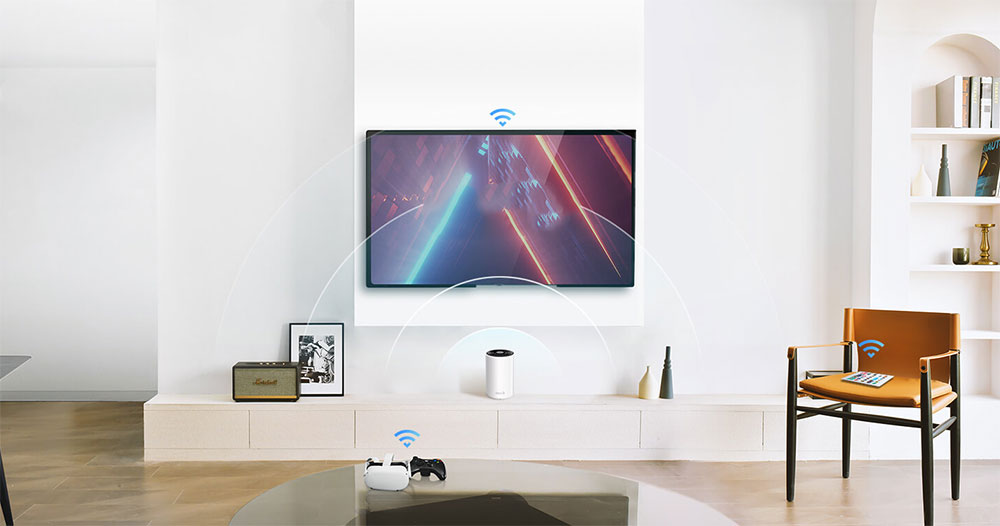
The flexibility of Wi-Fi allows you to easily watch streaming programs on your mobile device, in different rooms, or browse the web on your phone while sitting on the sofa. Setting up a wireless network is also simple, and you usually only need to install a router to get started. For most people, Wi-Fi provides sufficient speed and reliability for everyday tasks like browsing and streaming, and many people work from home, too. As long as you have a good Internet connection, you can stream high-definition videos, make video calls, and download files without much issue. Additionally, Wi-Fi has continued to improve over the years, with new standards like Wi-Fi 6 offering faster speeds and better range, and Wi-Fi 7 coming for many people (although you may not need it).
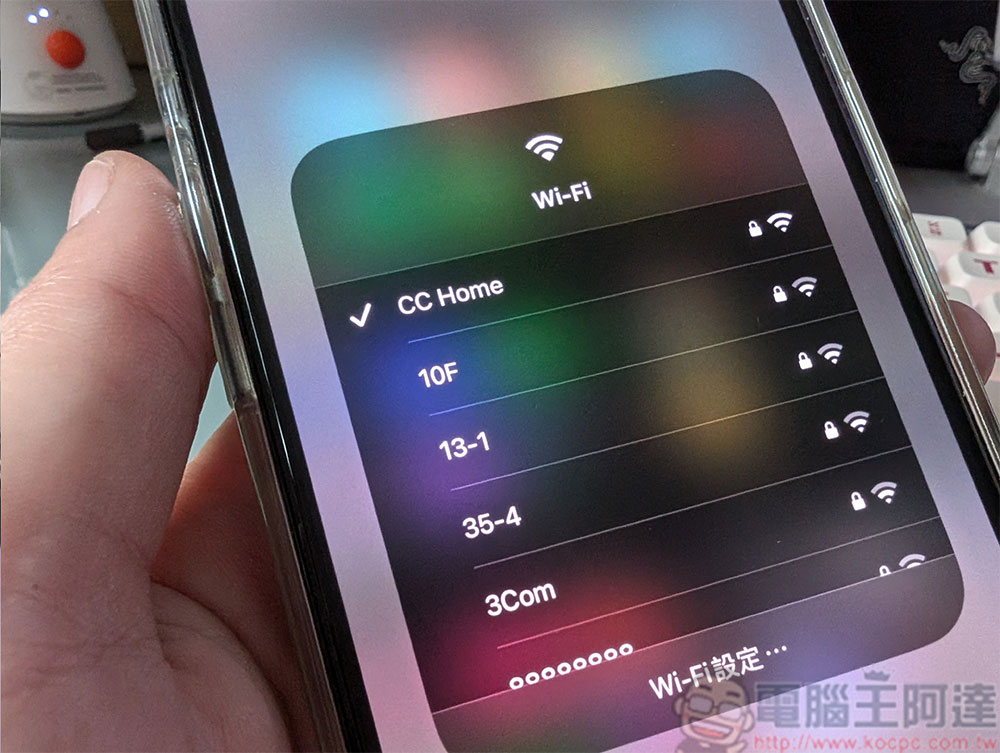
But that doesn’t mean Wi-Fi doesn’t have its drawbacks. The signal may be weak in certain areas of your home, especially if there are walls or obstacles blocking your signal. You may also experience slower speeds if there are too many devices connected to the network at the same time or if there is interference from other wireless devices. On top of that, if you’re playing a game, sometimes Wi-Fi can introduce lag that makes the game more difficult. In addition, there are quite a few loopholes that can be exploited in terms of security, but as long as the protection is good, it won’t be a problem.
Wired networks are more reliable – more stable and faster
On the other hand, wired networks offer speeds and reliability that Wi-Fi cannot match. When you connect your device directly to your router using an Ethernet line, you get a stable connection and consistent speeds that will almost always fit within your bandwidth constraints, making wired networks the best choice for activities like online gaming or video calls, where even the smallest drop in bandwidth can cause problems. It’s also susceptible to interference from other devices or signals, which can sometimes disrupt Wi-Fi connections.
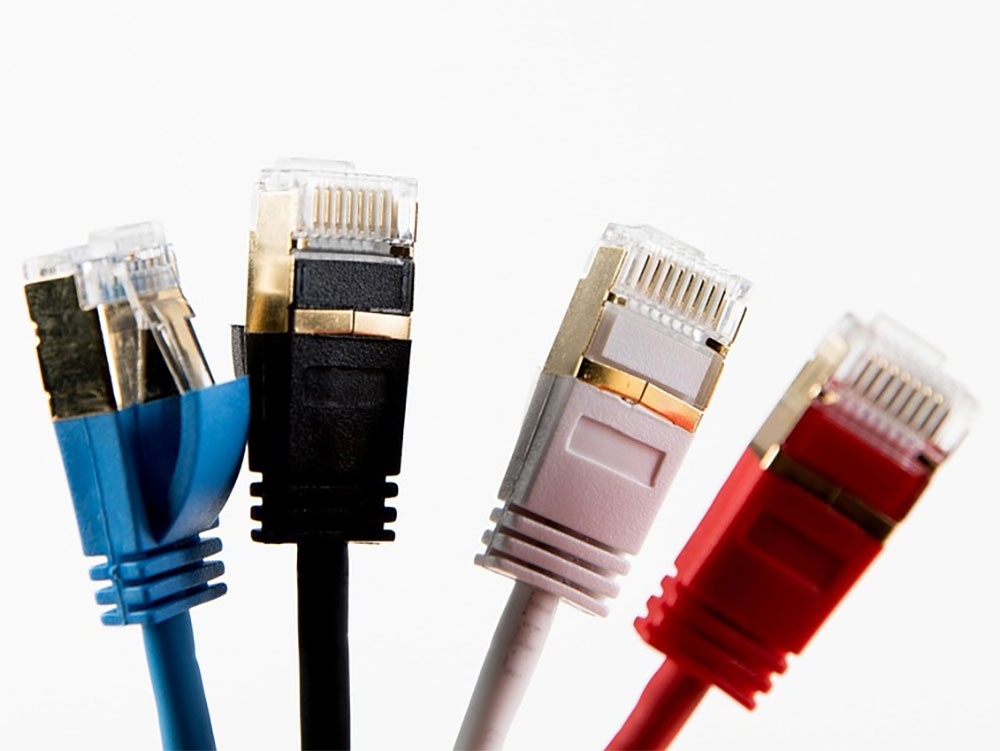
For people who need maximum performance, such as gamers or people who frequently upload and download large files, a wired connection may be a better choice. Wired connections generally offer faster speeds than Wi-Fi, especially over longer distances, and you don’t experience the degradation that you might with a wireless connection. Mesh networking and Wi-Fi 6 can close the gap to a large extent, but nothing beats wired networking, especially if you’re wiring your home.
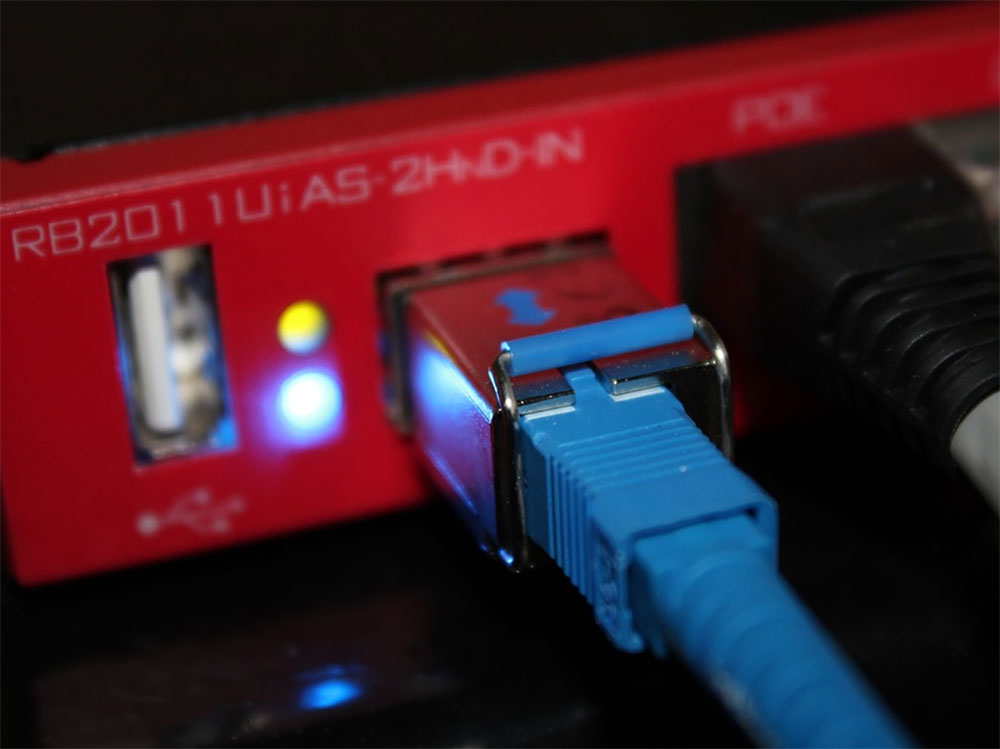
That said, wired networks do have some drawbacks, the biggest being a lack of flexibility. You’re tethered to wherever the Ethernet route goes, which means less mobility in your home. An unmanaged switch can handle some of these issues for you, but it’s not a perfect solution and still requires you to run wires into different rooms, which can also be cumbersome. What’s more, in some cases, additional equipment or drilling holes in the wall may be required to get everything set up. If you prioritize speed and reliability over convenience, the trade-off may be worth it, but otherwise, stick with wireless.
It all depends on what you need
When choosing between wired and wireless networks, it comes down to your needs and what your device will be used for. Most people use a mix of wired and wireless connections, and if you’re trying to figure out whether you should spend the effort to physically connect a device, it all comes down to what you’re doing on the device.
Wireless networking provides convenience and flexibility for most people’s daily tasks, such as browsing the web or streaming media, is easy to set up, and fits most homes. Wired networks, on the other hand, offer faster speeds and more reliable connections, making them a better choice for those who need top-notch performance, such as gamers or anyone working with large files. It all depends on the situation. If you’re only doing basic things online, you may not need a wired network connection at all.
Source: KOCPC Chinese