


For DIY enthusiasts, you will definitely wonder, is it possible for all laptops to use desktop hardware? And a discrete graphics card is required. Recently, a foreign YouTuber completed this difficult task. It took 14 months to successfully condense all the desktop hardware into a gaming laptop. Although the performance may not be as strong as that of commercially available gaming laptops, at least I know it is feasible and it can be considered a DIY dream.
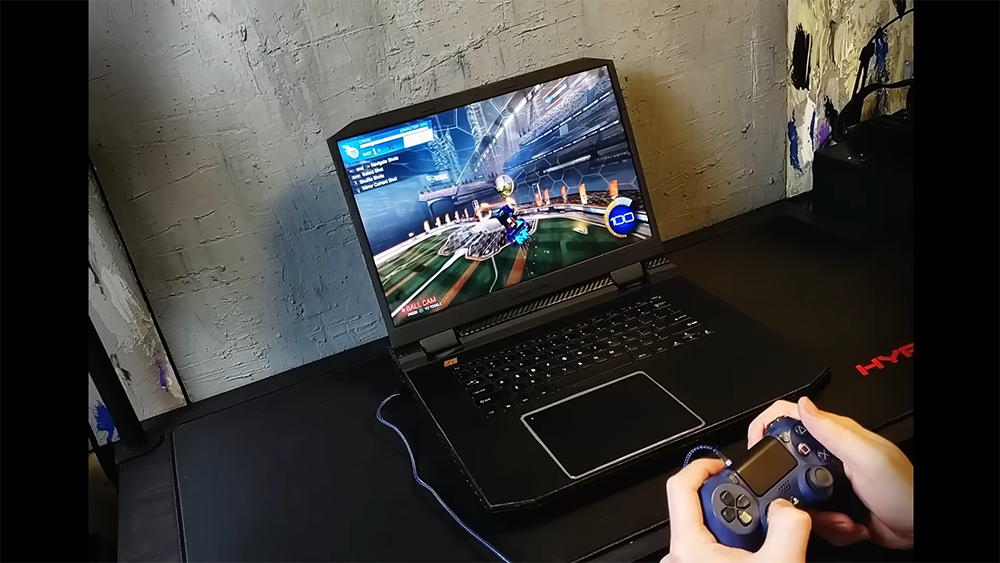
Foreign DIY enthusiasts spent 14 months to successfully build a gaming laptop using full desktop hardware
A while ago, the foreign YouTube channel Socket Science shared a video of his DIY gaming laptop. All the hardware came from a desktop computer, including the motherboard and memory. This transformation was certainly not easy and took him 14 months of hard work.
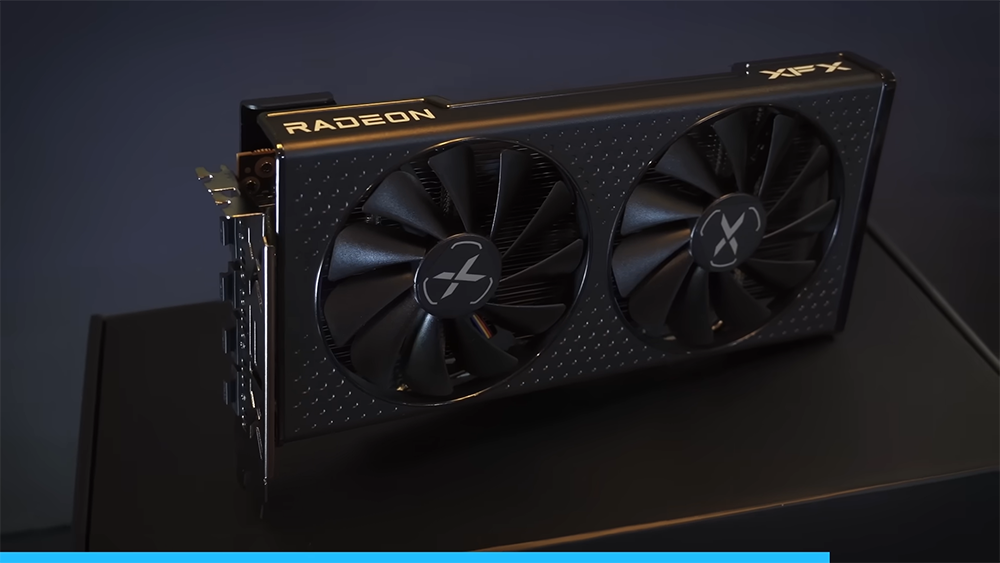
The desktop hardware he uses includes: Gigabyte A520I mini-ITX motherboard, AMD Ryzen 5 5600X desktop processor, XFX RX6600 desktop graphics card, and DDR4 memory:
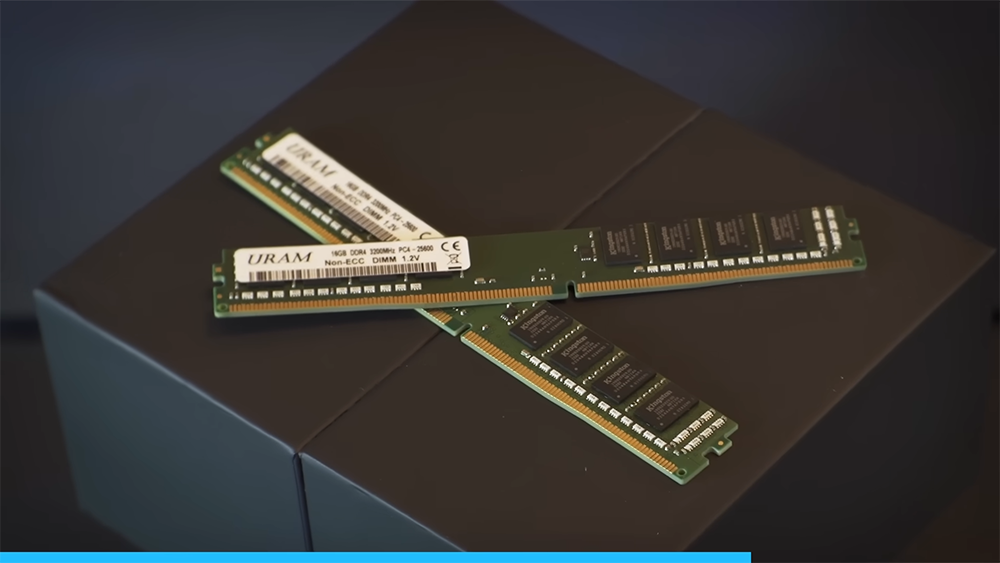
It is worth noting that memory is usually very high, but the DDR4 memory he found is only about 60% of the height of traditional desktop memory, which means it can be reduced a lot and can be packed into a laptop:
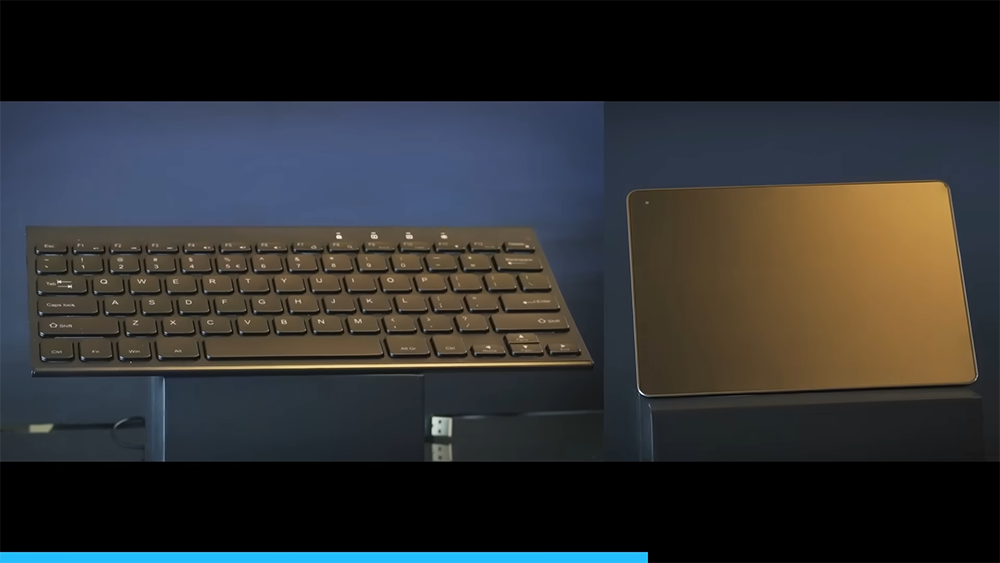
Even the game screen, thin keyboard, and trackpad are all for desktop use, which is really amazing:
As for the laptop casing, he used 3D printing to make it, and then began to disassemble the hardware. First, he removed the Wi-Fi card and VRAM heat shield from the motherboard. The I/O part was more troublesome because the soldering iron he used was not powerful enough to desolder it, and he did not want new tools to be sent, so he cut the connector directly and pried off each interface:
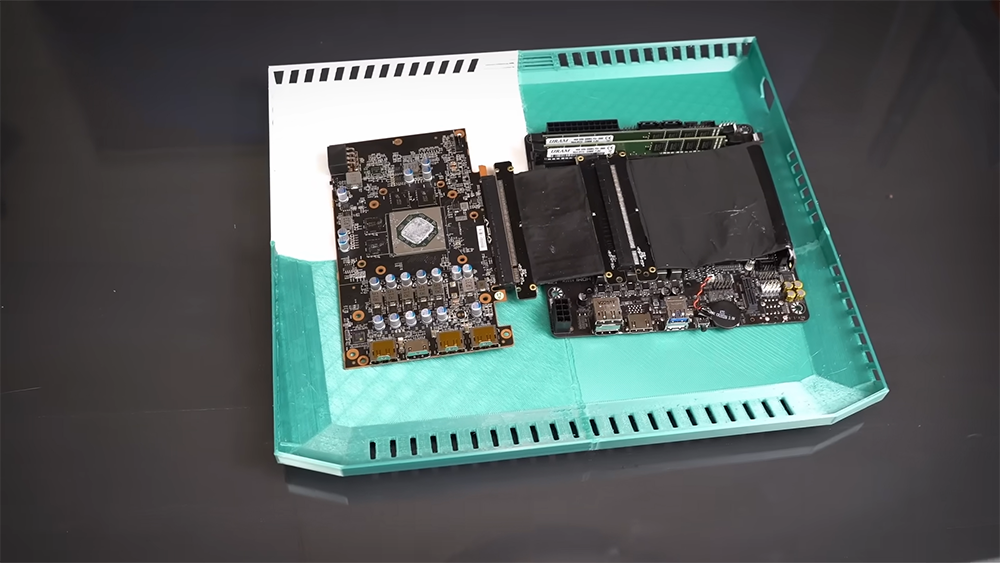
He spent a lot of time researching the heat dissipation part, not only how to design it, but also the 3D printed casing. 3D printed products are usually very sensitive to heat, and gaming laptops generate a lot of heat. Therefore, in order to improve this, he painted JB Weld on the inside of the casing:
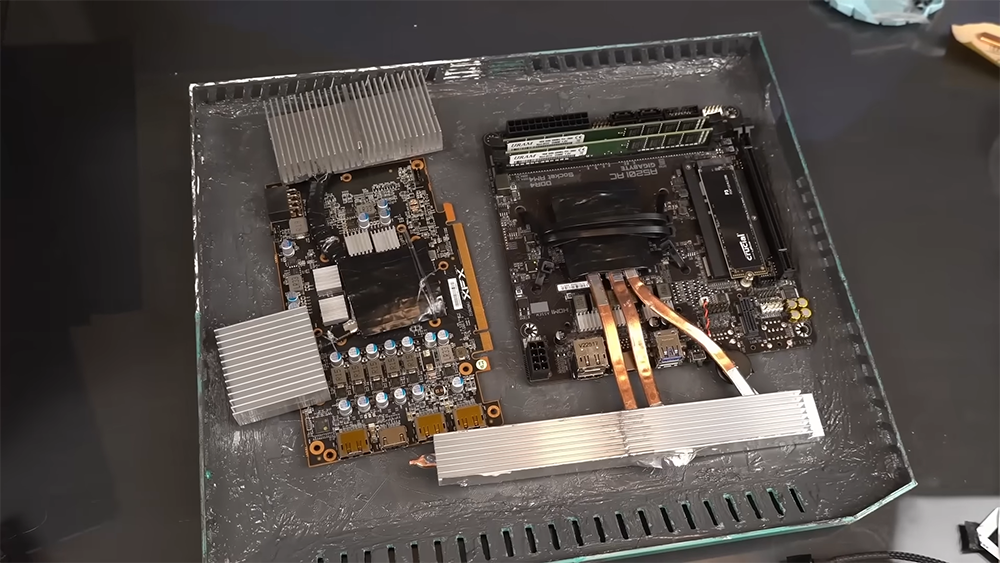
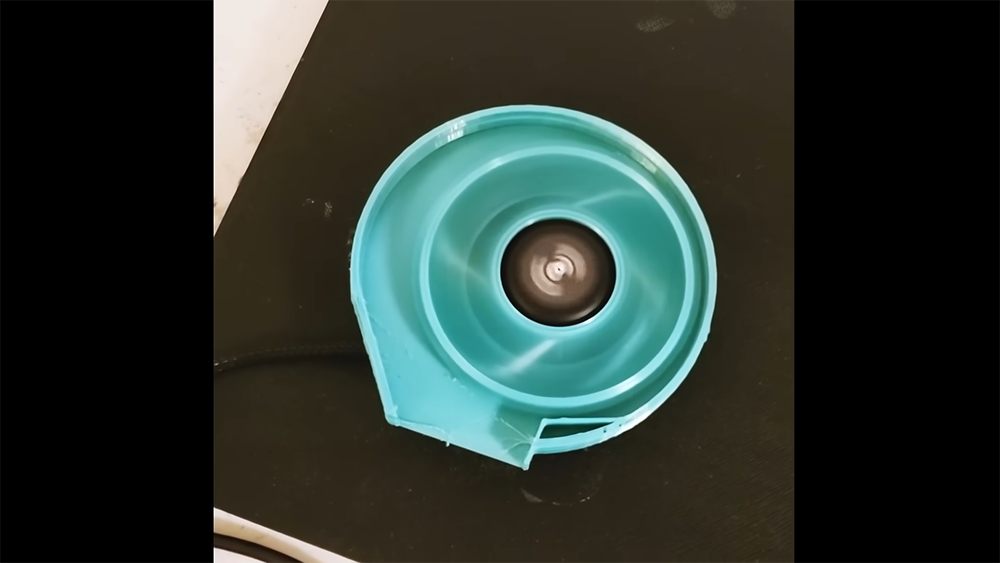
After the cooling system was solved, he first tried to find fans on the market, but none of them were suitable, so he finally modified the AMD fan into a long and thin blade fan, allowing air to be sucked in from the center and then forced out from the outlet:
The LCD screen and keyboard also need to be disassembled and cannot be directly installed into the laptop casing he designed. A small pity is that although this machine is called a laptop, it actually does not have a built-in battery, because he believes that since it is called a gaming laptop, it should be plugged in at all times, and even if it has a battery, it may only last for 30 minutes, which is meaningless, so no battery is needed.
And without the battery, there is more space for other hardware.
Finally, color the shell:
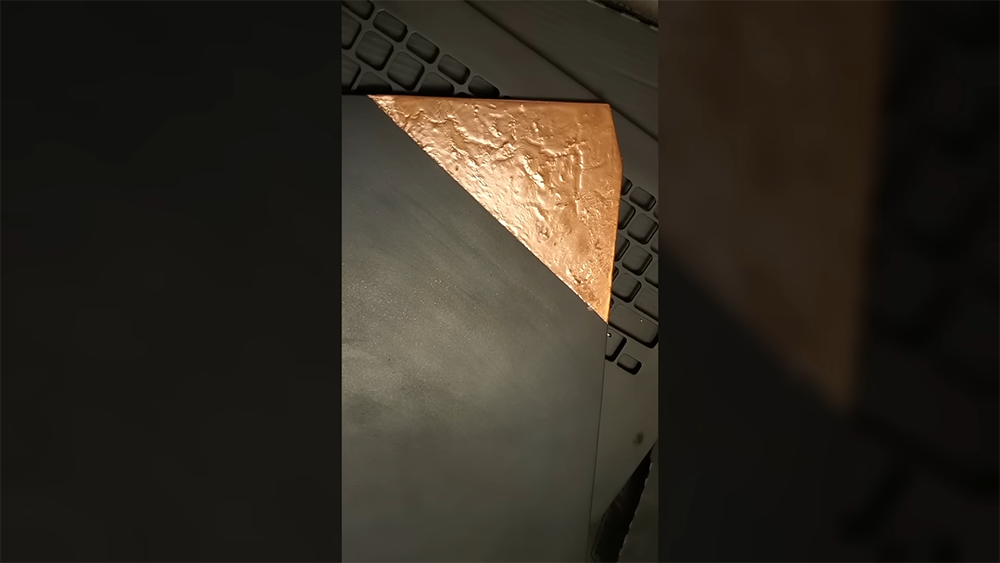
Final product:
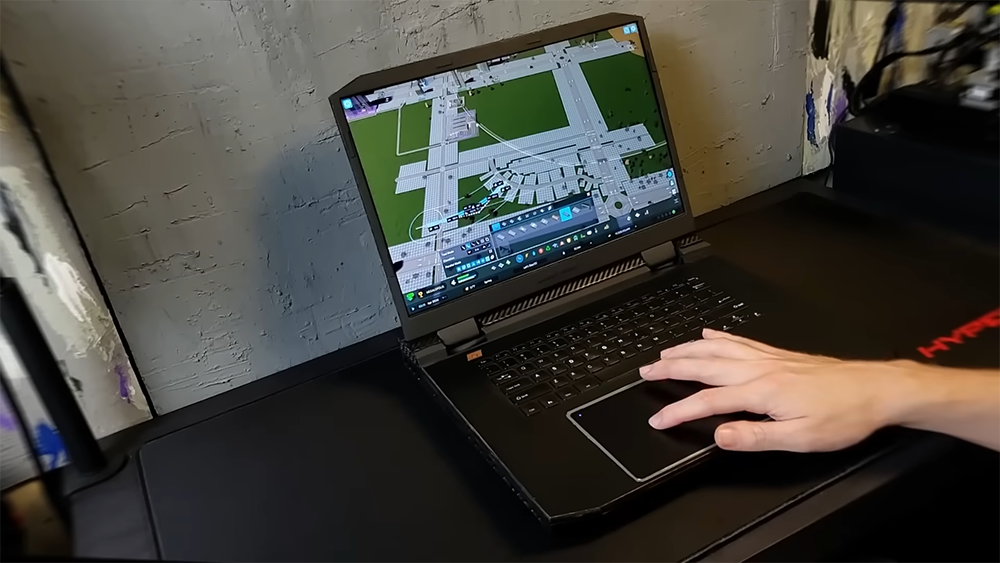
Socket Science did not share actual performance measurements or how the laptop performs in terms of cooling, but he is very satisfied with the results.
Full video:
Looking at the whole thing, it is obvious that it is just a DIY dream. In fact, there is no point in doing so. It is not only time-consuming and labor-intensive, but also may be worse than commercially available gaming laptops in terms of performance and heat dissipation.
Source: KOCPC Chinese