


On modern full-size computer keyboards, we often notice some seemingly “useless” keys. They quietly occupy a corner of the keyboard and are rarely pressed. However, this does not mean that they have completely lost their functionality. In fact, there are still real switches hidden behind these strangely named keycaps, whether mechanical or membrane type, but with the evolution of operating systems, their role has gradually faded out of daily use. The most commonly mentioned examples include Insert, Scroll Lock, and the hero of this article: the Pause/Break key.
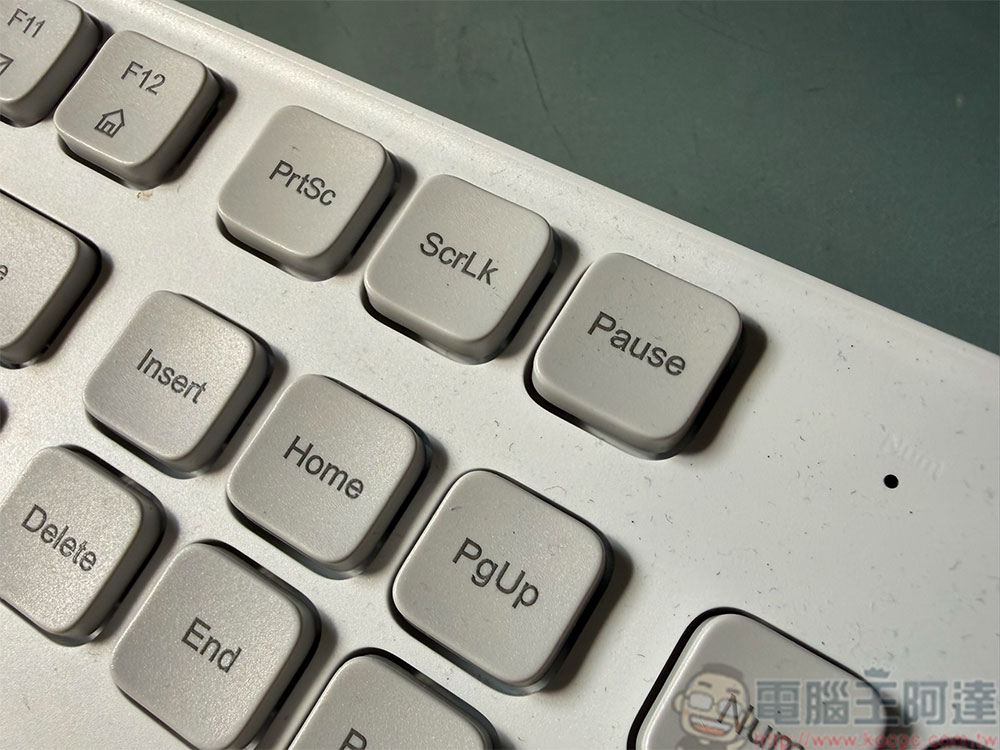
What is the real purpose of the “PAUSE/BREAK” button on the keyboard?
In the Windows desktop environment, pressing Pause/Break alone seems to have no effect, but it is not completely useless. In some versions of Windows systems, the Ctrl+Pause/Break key combination can send a signal to directly terminate the executing program. This feature is still very useful for software that needs to interrupt long-term operations, such as Microsoft Excel. In addition, in Windows 10 and Windows 11, pressing the Windows key plus Pause/Break will open the “System Information” page, which displays important information such as operating system version and hardware configuration, which is very convenient for checking the status of the computer.
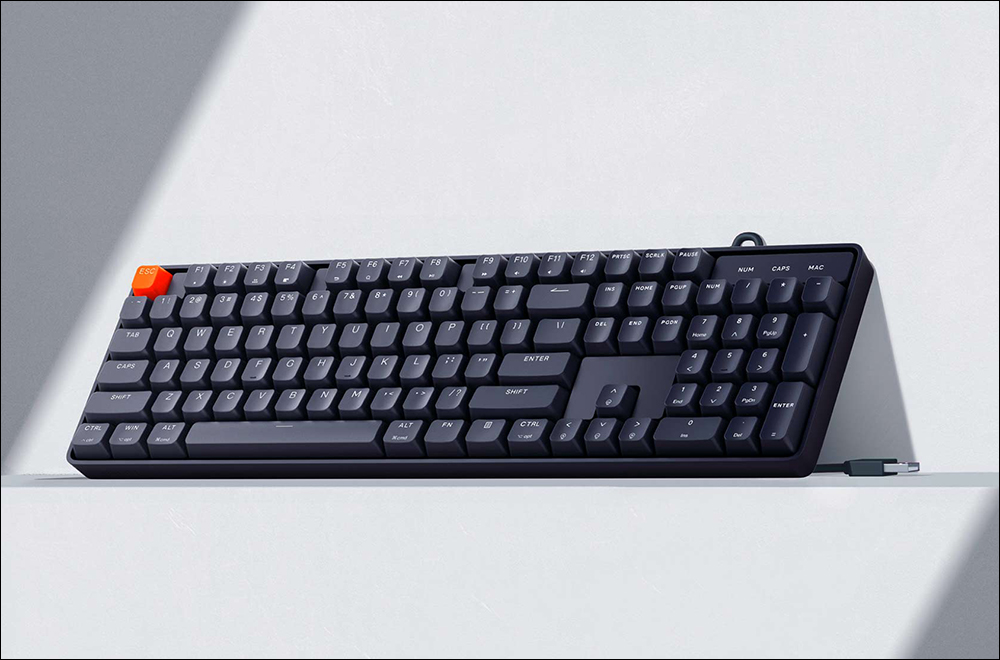
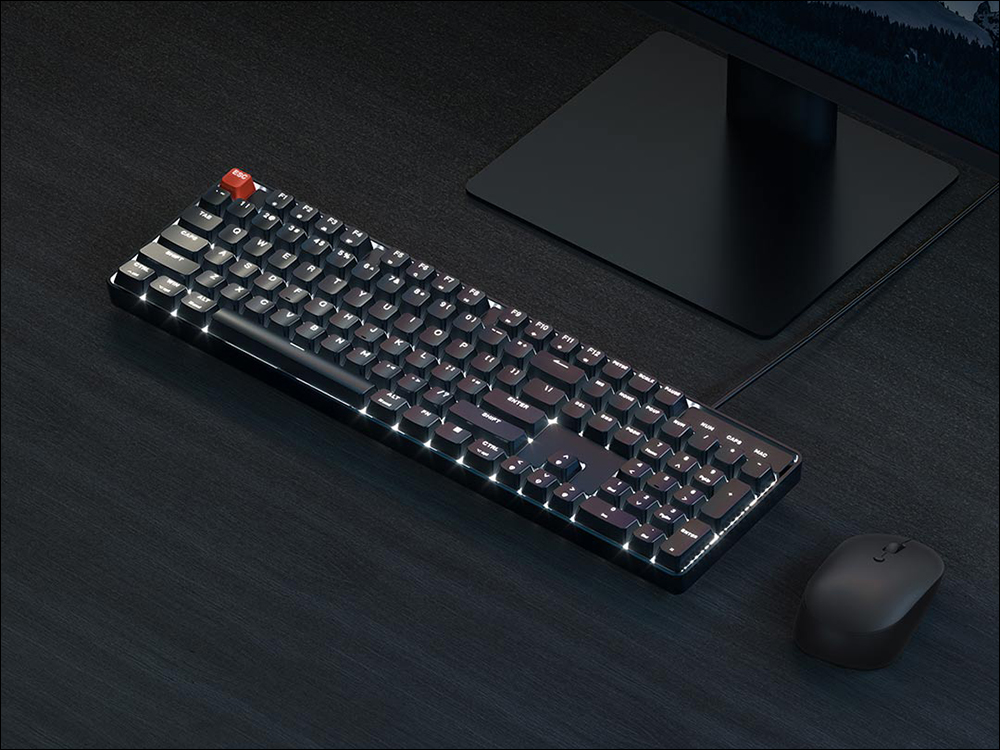
Although this button still has specific uses in some professional software, overall, its frequency of use is far less than in the past. For ordinary users, Pause/Break has almost become an “idle button”, but this also means that it can be given new life. Through keyboard firmware or a tool like AutoHotkey, users can remap it to more useful functions, such as muting the microphone with one click or taking a quick screenshot. This kind of reuse allows previously unpopular keys to be reintegrated into daily work processes.
The history of Pause/Break even predates the birth of the personal computer. It appeared on teletype machines as early as the 1950s. These machines are used to transmit messages over long distances. The principle is similar to Morse code, but they can directly convert signals into printed text and are more efficient. As large-scale computer systems gradually became popular, the pause key and breakpoint key were introduced along with command keys such as Esc, Alt, and Ctrl, and became important members of early keyboards. It wasn’t until 1986, when the IBM PC introduced the Enhanced Keyboard, that Pause/Break truly established its place on modern keyboards and continues to this day.
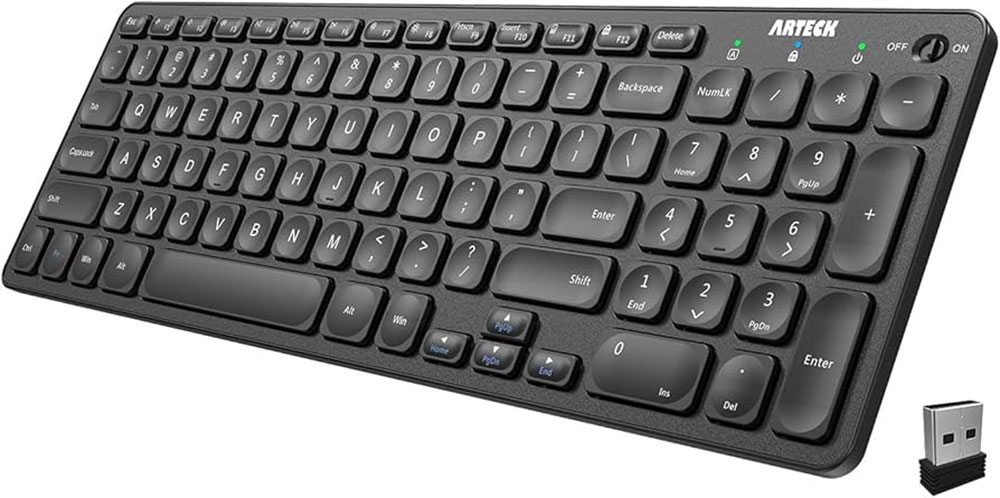
In different computer systems, the uses of Pause/Break vary. It has been used to restart or shut down the computer and also to pause continuous output in a command line environment. In some configurations of MS-DOS, the Break command is associated with the Ctrl+C signal and is used to interrupt or stop program execution. Even today, software like Excel retains this functionality, allowing users to quickly interrupt tasks when necessary.
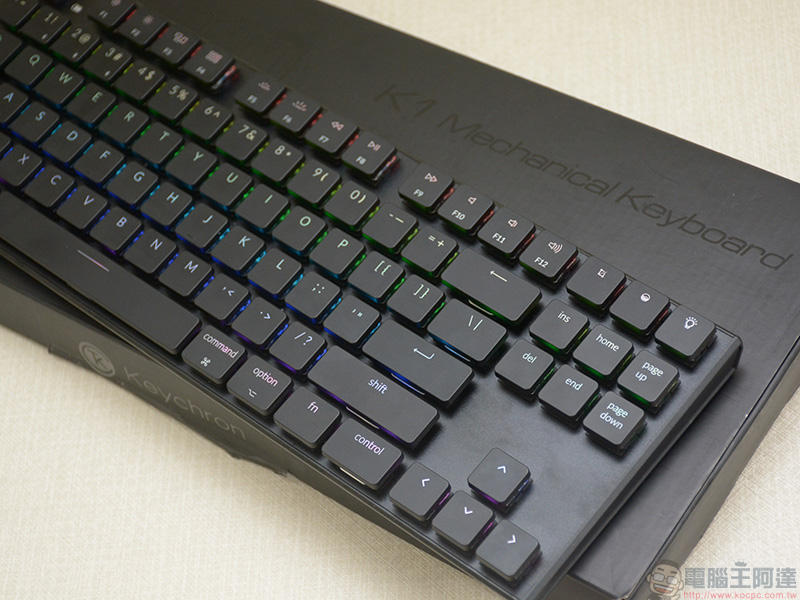
In summary, although the Pause/Break key seems unpopular on modern keyboards, it is not a completely useless relic. It is both a witness to computer history and a resource that can be reused. For those who like to explore the potential of the keyboard, this key just provides a stage where people can find a balance between tradition and innovation. Perhaps, next time you catch a glimpse of the inconspicuous Pause/Break button in the corner of the keyboard, try giving it a new mission and make it a part of your daily operations again.
Source: KOCPC Chinese