


No matter what you want to buy, when you enter keywords on Amazon, the large list of results that appear makes it difficult for people to make a decision. This is also why most people will read product reviews before buying. At the same time, product reviews are often the last force that makes the decision to swipe the card immediately or put out the fire immediately. On the surface, these reviews can provide a lot of information about how useful a particular product is and whether it’s worth our money. What you may not know is that online product reviews are also big business because they are so influential and many people decide what to buy based on reading them, so brands or sellers often manipulate or leave fake reviews to boost sales. Amazon, eBay, etc. are just some of the places where fake reviews are rampant.
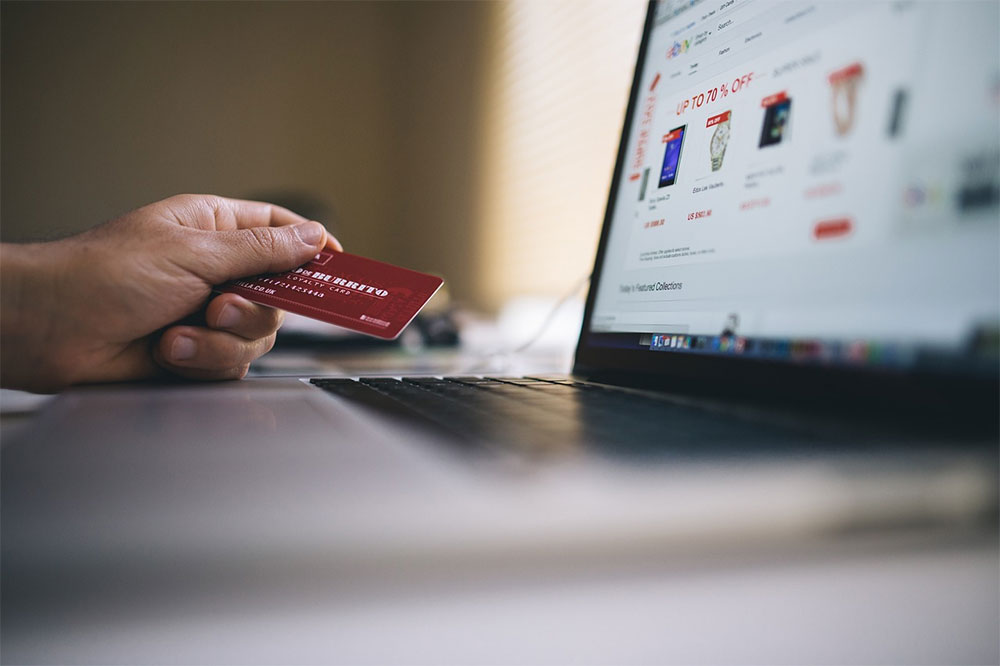
How to identify fake product reviews when shopping on Amazon and eBay?
Although most websites explicitly prohibit the practice of fake reviews, and the U.S. Federal Trade Commission (FTC) has advocated banning fake online reviews, the problem still exists. Therefore, as a consumer, you can evaluate the product reviews you see online and determine whether they are trustworthy. While spotting fake reviews can be tricky, there are steps you can take to uncover the truth and choose which reviews to trust, ultimately making an informed choice.
Check tone and language
This should be relatively difficult for Taiwanese consumers whose native language is Chinese. While some websites have mechanisms in place to help consumers spot fake reviews, you often have to use a detective’s spirit when dealing with this content to gain insight into whether the reviews you’re reading are real or fake (especially when buying high-priced tech items). The most effective way is to pay attention to the wording of the review. Fake reviews often use extremely exaggerated adjectives to qualify the product when praising or criticizing the item in question.
As you read these, you may notice that they lack the nuance or balance you would expect from authentic feedback. That’s not to say that a review in which one person expresses strong feelings about a product is problematic, but if the review you’re reading lacks specific details about the product’s features, performance, or user experience, that’s a red flag. Fake reviews often go to the extreme of using a one-size-fits-all narrative to describe a product, but often lack details that would indicate the first-hand experience of the person writing it. In contrast, authentic reviews provide a personal description of their experience with the product.
Check commenter’s profile
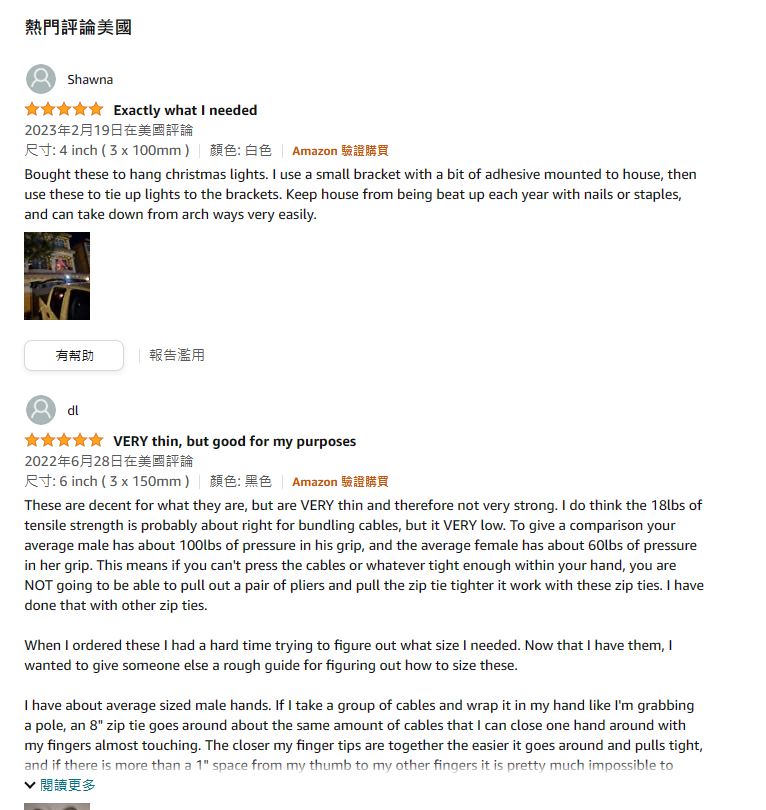
Most websites require users to create personal information before making transactions. Before you evaluate whether the review you’re reading is real or fake, it’s helpful to take a look at the profile. First take a closer look at the username. Does it look like a name a real person would use, or does it just look suspicious? Most people want to protect their identity online, so if a review doesn’t contain a person’s first and last name, it’s not inherently suspicious. However, if you see a meaningless or random name like User12345 or XYZ987, you may be reading a fake review.
The number of reviews under a user’s profile can also help you spot fake reviews. If they have only reviewed one product, you should be skeptical and take what they say with a grain of salt. Genuine reviewers often have diverse review histories and have reviewed various types of products over time. Fake reviewers often have limited records and often focus on a specific type of product or brand, which may indicate underlying bias or paid promotion.
Some e-commerce platforms like Amazon have started implementing verified purchase seals that let you know if the reviewer purchased the product, which is another way to assess the authenticity of a review. Keep in mind that this is not a foolproof method, as fake reviewers can make purchases to increase the credibility of their reviews. However, combined with other methods, it adds an additional means of verification to assess reliability.
Make good use of comment analysis tools
If, after checking the reviews, you’re still not confident in identifying authenticity, you can also use technology to help you figure it out. These tools are primarily used to screen reviews to separate fake opinions from real ones.Fakespot One of the most popular tools for spotting fake reviews, it uses algorithms and artificial intelligence to evaluate language patterns, reviewer history, and other details to determine whether a review is legitimate.
- Go to Fakespot website. In addition to the web version, there are also Chrome / Edge /Firefox / Safari plug-in version,Android versionand iPadOS version.
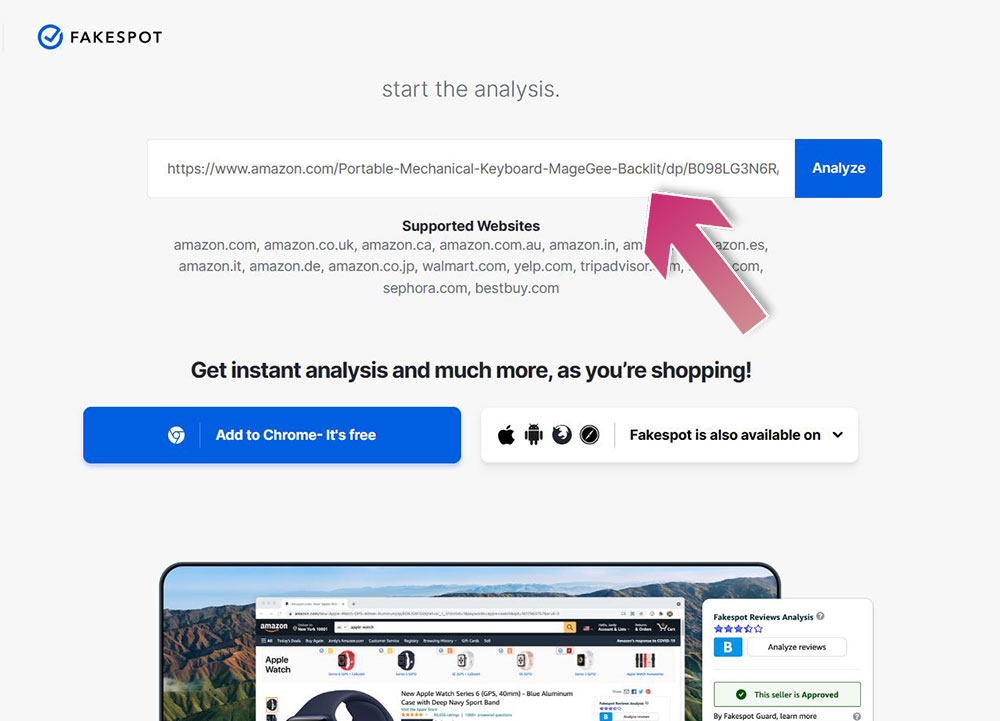
- Copy and paste the product URL or review URL you want to analyze into the Fakespot search field, then click “Analyze” behind it.
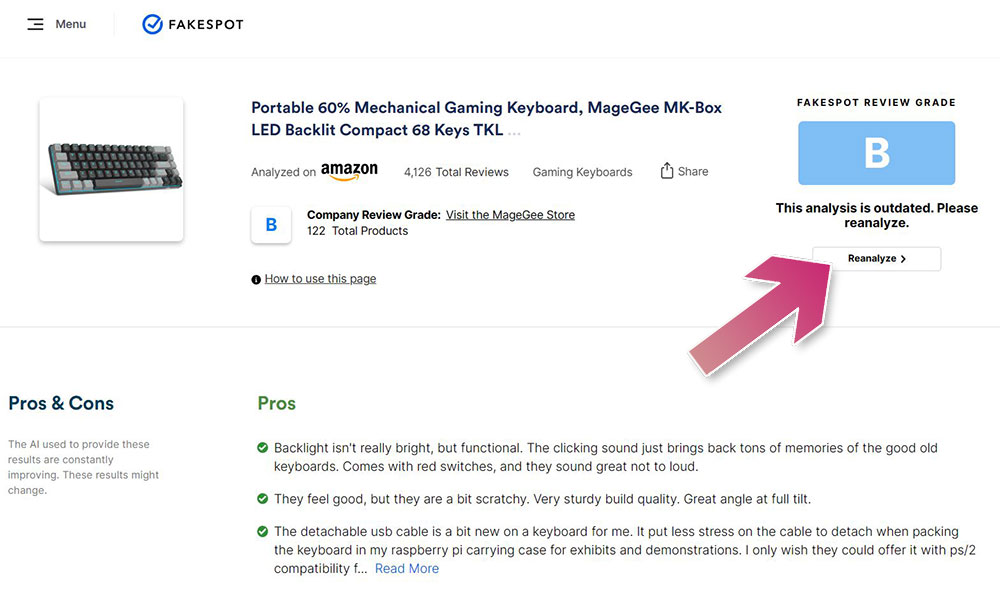
- When there are a lot of reviews for some products, you have to click the re-crawl button first to have it re-analyze the URL.
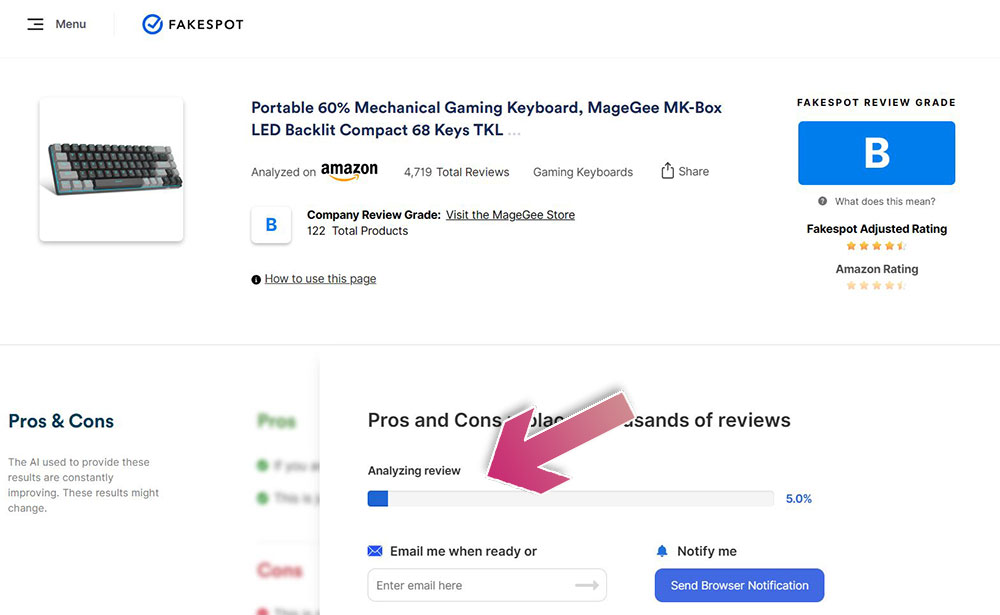
- Wait for the comment analysis progress bar below to finish running. This may take a little while due to the volume of comments, but it’s definitely worth the wait.
In addition to the overall evaluation at the top (grades from high to low are A to F), product reviews will be organized below, allowing you to read the product’s advantages and disadvantages, product quality, shipping speed, and bundled accessories at once. In addition, there will also be price fluctuations of this product, as well as the most practical insights compiled using AI. Because they are all in English, you can also use Google Translate to read them, which is easier than reading 4,000 or 5,000 reviews in one go.
Source: KOCPC Chinese