


Recent products from WD and SanDisk includeserious problem, perhaps it is no longer news to players who have recently bought products from WD or its subsidiary SanDisk. For angry customers, even though WD worked hard to produce a modified version of the firmware, it still could not solve the root cause of the problem. All of this was intolerable to them, and in the end they had to go to court. One victim named Nathan Krum came forward directly, filed a lawsuit against WD, and claimed to seek compensation from WD on behalf of all the victims who complained.
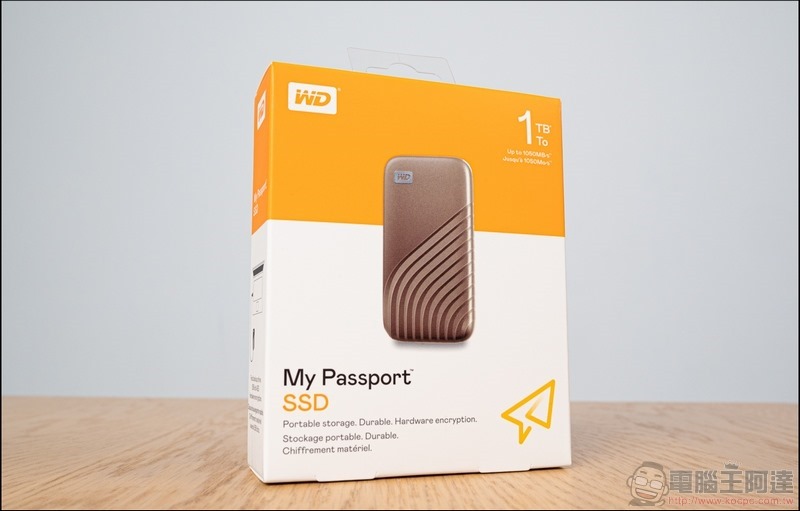
For a company that started out as a storage device and survives today almost entirely by the research and development of storage devices, nothing is more important than product reputation. Only with word-of-mouth can consumers be willing to buy the company’s products and the company have the ability to continue operating because of profits. Once such a chain is interrupted, it will be a huge crisis for the enterprise.
WD and SanDisk situations are frequently reported, and users are so angry that they are appealing
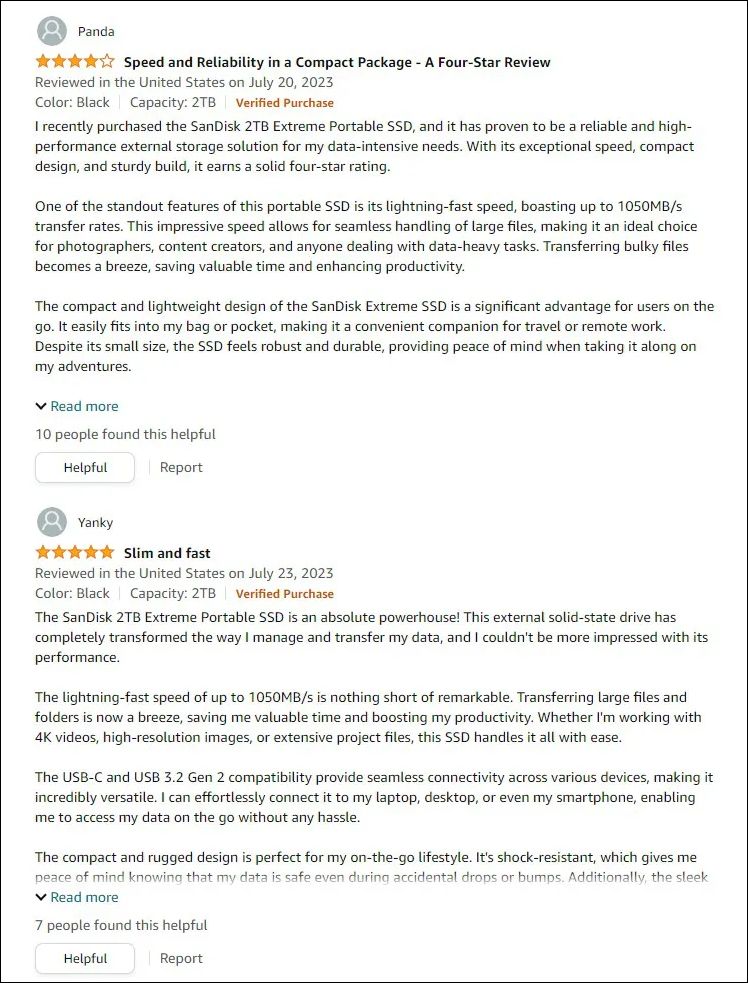
Specifically, the complainant, Nathan Krum, himself purchased a 2TB SanDisk Extreme Pro 2TB mobile solid-state drive on Amazon for $180. But the device soon malfunctioned, making it impossible to recover the data inside. This made it difficult for him to trust the company’s products, and the 2TB mobile solid-state drive was unable to receive a full refund. It can be said that both the wallet and the soul were hit hard at the same time.
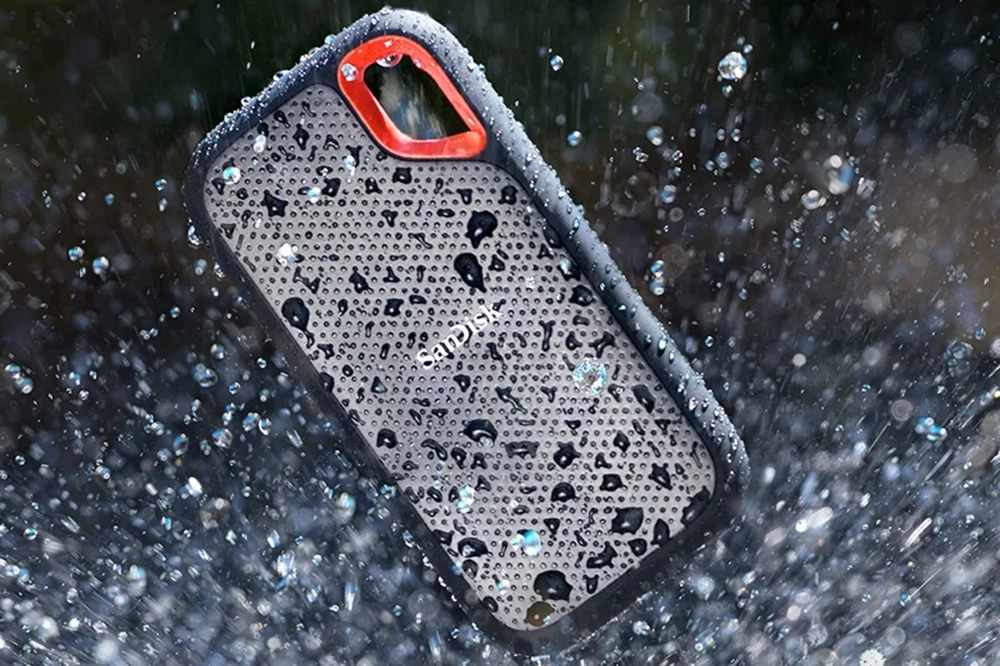
Nathan Krum believes that WD deliberately misled consumers into purchasing faulty products in its two main product lines, Extreme and My Passport SSD. Even though WD released new firmware as soon as possible in the hope of fixing this problem and bringing the product back to life, the new firmware just disappointed the complainers once again. Finally, he decided to go to court, hoping that WD would pay damages and attorney fees.
In fact, the content of the lawsuit is simply that it believes that WD overemphasized the core functions of its own products and made certain promises that were not fulfilled. The result was consumers purchasing the questionable product based on trust in WD’s claims. What’s bad is that Nathan Krum may have been the first to complain, but netizens with the same complaints are venting their bitterness on the Reddit forum. There may be more people hiding under the table, but not everyone will complain directly to WD.
For example, WD advertises My Passport as suitable for creators and businesses, but many complaints come from film and television editors or creative staff. They initially believed in WD’s slogan and mistakenly believed that WD products should have the expected quality. However, the reality slapped them in the face and caught them off guard. What’s more, what’s lost are the data that were painstakingly backed up, or the material files stored by film and television workers. As the saying goes, “data is priceless.” When so many priceless things are destroyed by storage device failure, I believe no one can still suppress their temper.
WD’s attitude towards compensation has not satisfied customers. They have adopted a common style among major storage device manufacturers, which is to only determine whether the device is damaged and whether its functions can still operate, even if it may directly lose the digital data stored in it at some point. Generally speaking, all storage device manufacturers will provide customers with the opportunity to exchange products and receive refunds based on this benchmark. As for lost data, the original manufacturer is not responsible at all.
The content of the lawsuit is still unknown at this stage, and it is unclear how many people will respond to Nathan Krum’s lawsuit. Maybe many people will join in, turning this trial into a class action lawsuit in one fell swoop. It is also difficult to find similar cases to follow in such a case. Additionally, WD has had its share of disputes over storage devices in the past. This was the period when “shingled magnetic recording” had just been adopted as a new hard drive technology. WD was the first to apply this technology to the Red Label series, which was mainly provided for NAS, which raised questions about false advertising.
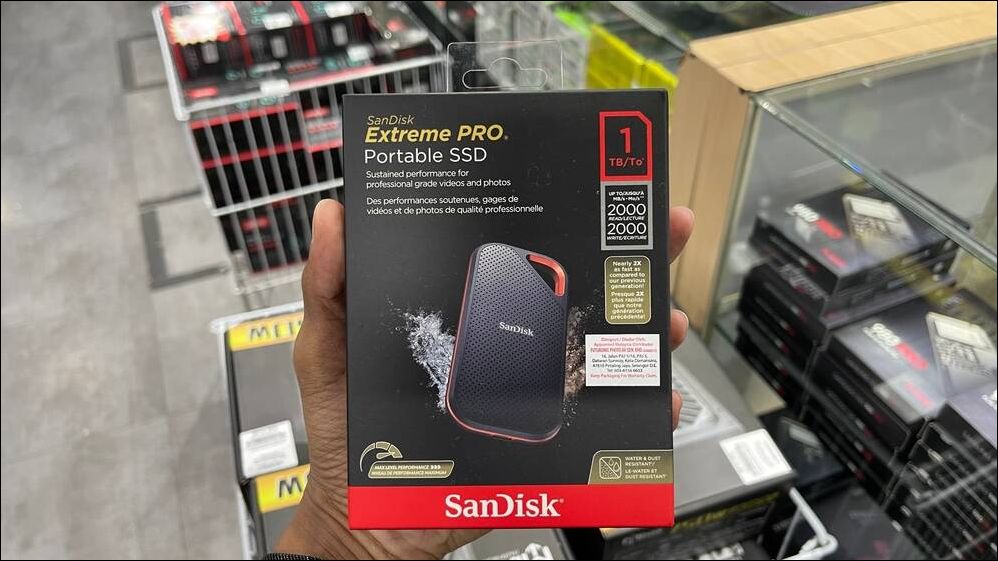
How will WD deal with the continuous disasters of its own mobile solid-state drives and the subsequent litigation issues? Maybe this topic will be extended for a few months.
Source: KOCPC Chinese