


Apple and Google previously announced that they are working together to more comprehensively prevent the abuse of trackers such as AirTag, so that in the future, both iOS and Android will have the ability to detect unknown tracking. It is reported that Google has initially integrated the ability to respond to the “unknown tracking” warning of the AirTag Bluetooth tracker into the Android system. Continue reading Before the evolution of Android search devices comes, an update to the “unknown tracker” detection function has been launched.
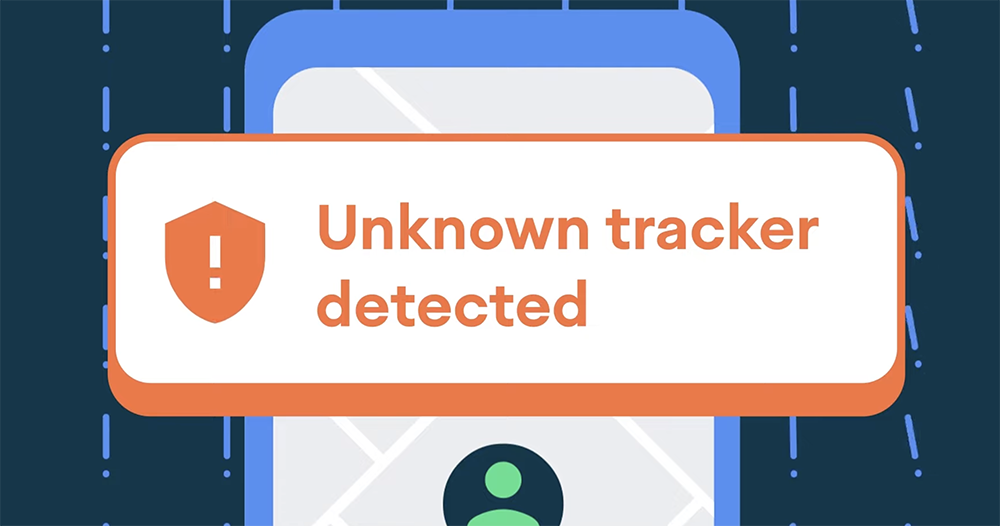
▲Photo source of this article: Google
Before the Android search device evolution comes, an update to the “unknown tracker” detection function has been launched
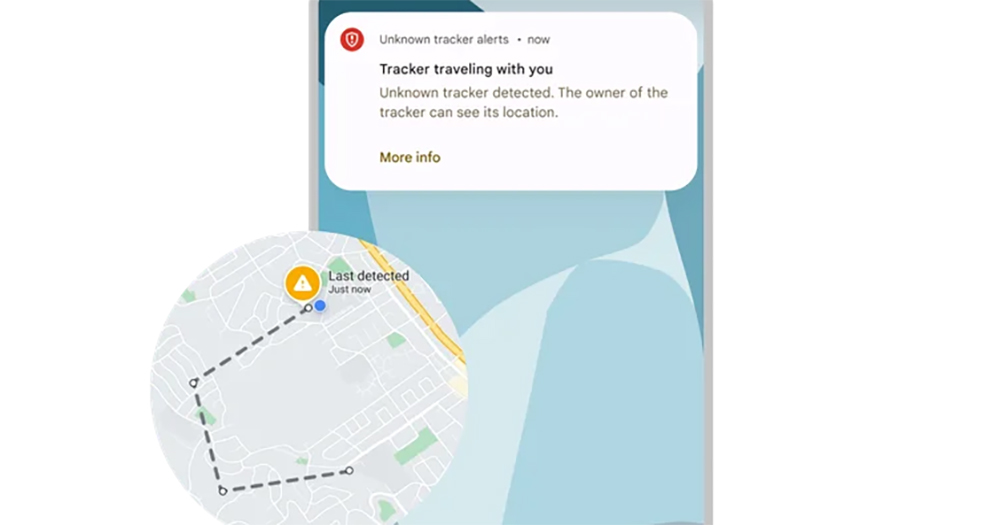
In order to maximize the protection of users including iOS and Android mobile devices from being maliciously tracked by Bluetooth trackers that have become very popular in helping users find lost items or detect thieves.
Apple and Google previously announcedWe are working together to more comprehensively prevent the abuse of trackers such as AirTag, so that both iOS and Android can detect unknown tracking in the future. Google announced that it has initially integrated the ability to respond to the “unknown tracking” warning of the AirTag Bluetooth tracker into the Android system.
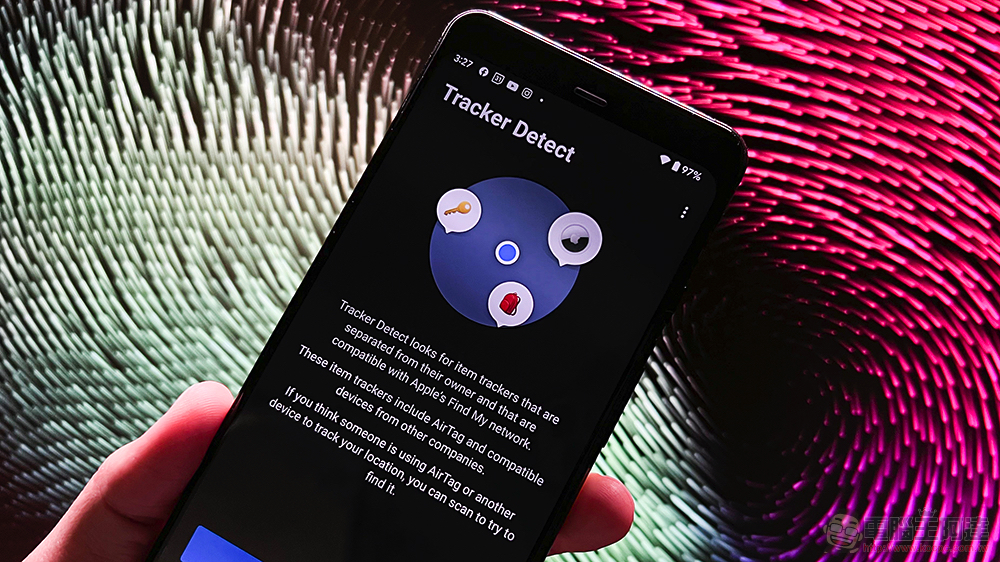
Although it feels like it mainly integrates Apple’s “tracker detection app” previously launched for Android into the system. However, this time Google confirmed that it supports the unknown tracking function of Android 6 and above system devices. In addition to active scanning, it also integrates the built-in detection notification capabilities of the iOS system for unknown Apple Find My devices, as well as more complete related functions.
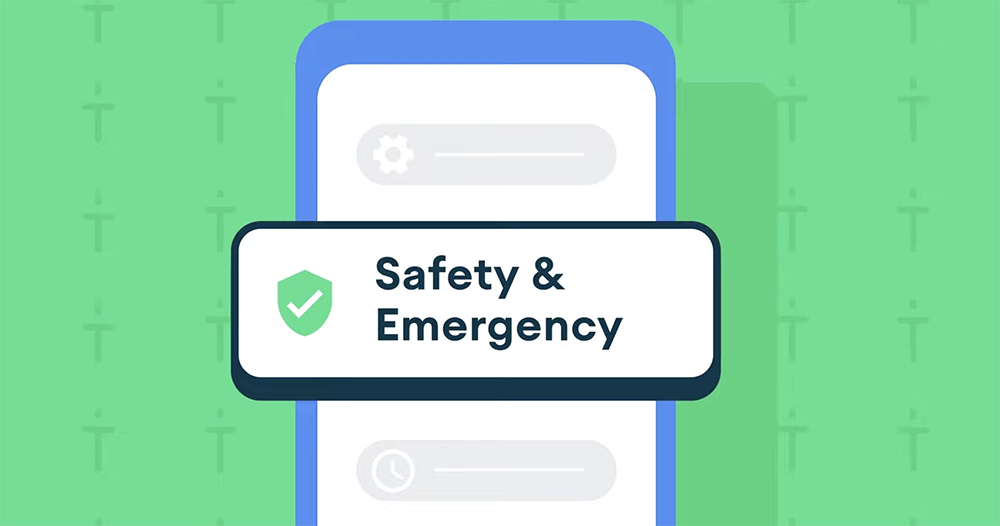
If you want to confirm whether your Android device has integrated this anti-tracking feature, you can go to the “Security and Emergency Rescue” in the system settings and look for the “Unknown Tracker Alerts” option.
With this option, you can also activate the active scanning function directly in it to directly scan the surroundings for Bluetooth trackers. In short, there is no need to install another scanning app launched by Apple.
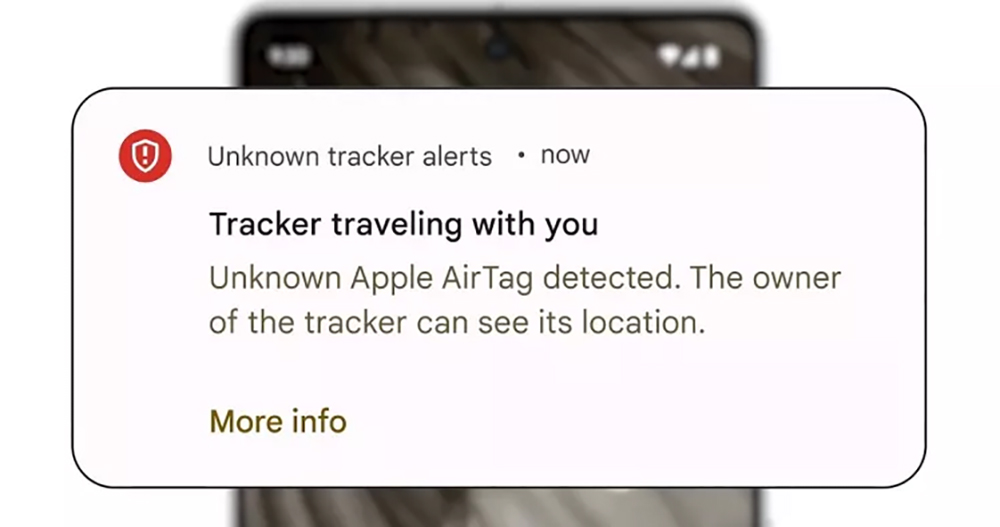
Similar to the feature that iOS has to prevent unknown/malicious tracking. This time, the Android integration function will also automatically detect trackers that have left their owners, which in theory should be “lost items” but may be used for malicious tracking and expose personal location privacy information. Allowing users to be aware of possible tracking issues earlier – What’s great is that the Android version of the experience allows you to further see the path that has been tracked so far.
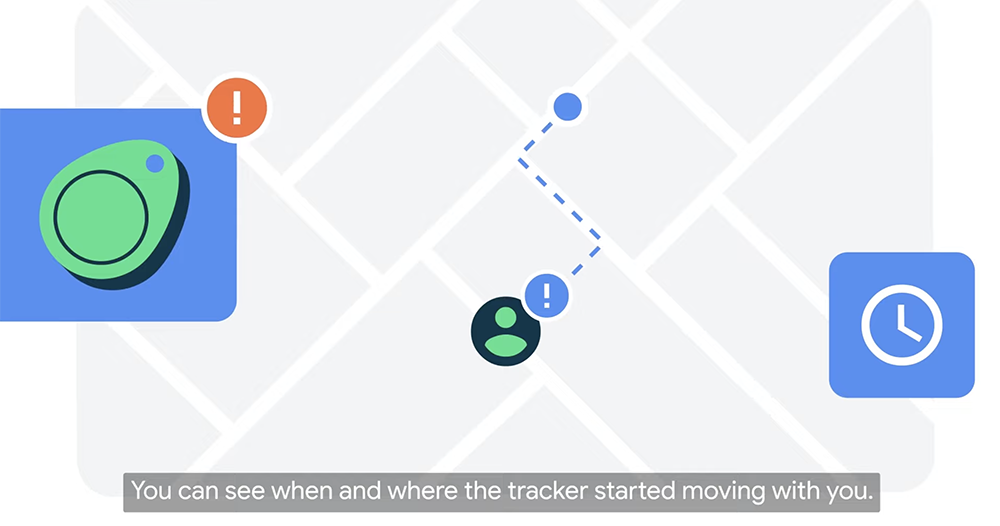
Whether it is through the system’s active detection notification, or manually through the “Security and Emergency Rescue” function to scan for trackers found. Through this function, you can also make the tracker make a sound (if there is such a mechanism – currently this function is mainly targeted at AirTags), you can also place the tracker behind the phone to read the owner’s information through proximity sensing, or follow the system steps to forcefully cancel the tracking function of the tracker (usually by unplugging the battery).
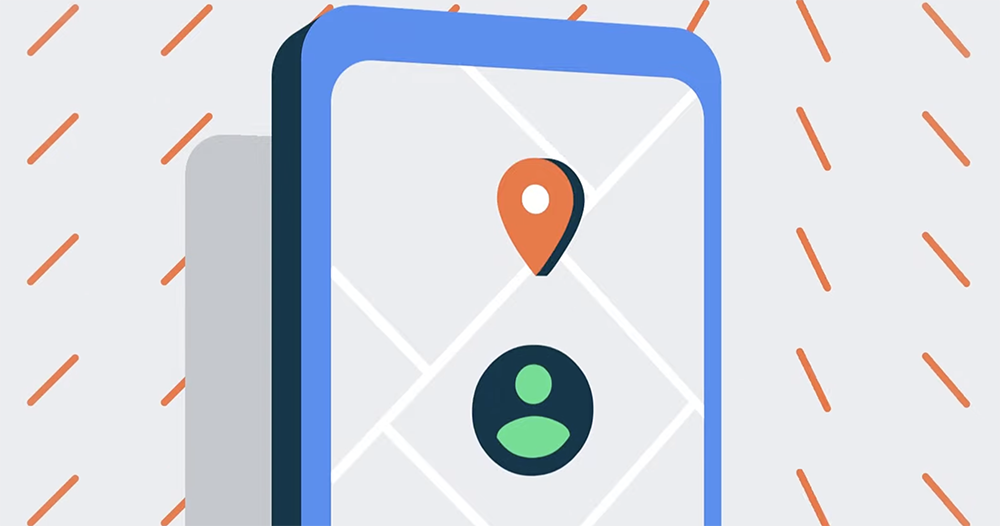
It should be noted that this feature update can only correspond to the unknown tracking related prevention functions of AirTag (which should also include other trackers on the Find My network). The current statement is that the specifications that Google and Apple have agreed to formulate are still in the finalizing stage, and the originally expected summer supply schedule has been postponed to the end of the year.
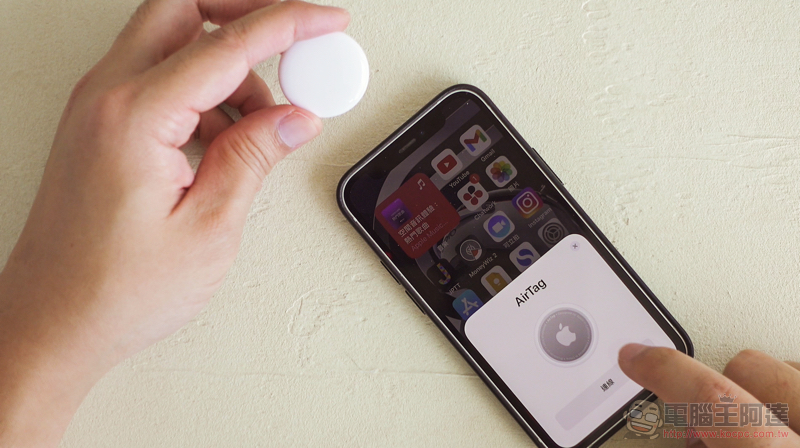
By then, I believe that the support scope of both systems and trackers will also be greatly improved. Google I/O mentioned that the feature of tracking Pixel phones when they are turned off will also be available in the new version of “Find My Device.”
Further reading:
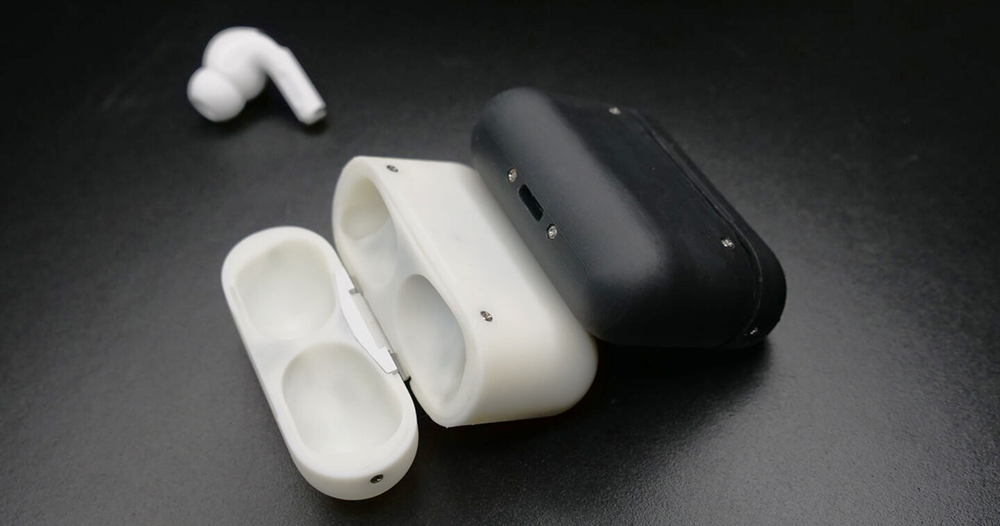
The AirPods Pro charging box with zero repair points was redesigned and open sourced by a god
Source: KOCPC Chinese