


After using the Internet for many years, passwords have been the main way to log in. Even if there is a password manager to generate and automatically fill in, it is still very troublesome for all the regular logins in life. The problem is that there seems to be no other better option. However, the Web3 technical staff of the DFINITY Foundation are working on a promising alternative called “II” or “Internet Identity” (Internet Identity), which will reshape the face of network security. This time we take a look at it.
What is “Internet Identity”? How does it work?
What is an “online identity”?
Web Identity is a Web3 service (the product of blockchain computing) that allows users to establish “anchors” for their physical devices, allowing them to securely log into compatible services. Rather than using passwords to protect online identities, chips in modern devices automatically generate cryptographically protected one-time keys. You can think of it as a new, fast way to authenticate yourself when logging into a service. Additionally, it connects to other Web3 concepts, such as the ability to establish multiple online identities for yourself, hence the name. It also hides your digital footprint, protecting you from the threat of identity theft, and other benefits. All these are in DFINITY Internet Computer Blockchain Projectrealized next.
How does “Online Identity” work?
What follows is a bit technical, but if you have used other key technologies, it may sound familiar. Users create anchor tags embedded in the Internet’s computer blockchain and assign devices to that anchor point. These devices use special TPM chips to generate hidden keys to log into Web3 services or DAPPs (decentralized applications). These keys are activated through biometric authentication or a similar secure process that does not require a password (such as Face ID), however, the handshake protocol combines the public and private keys to allow users to automatically log in to compatible services.
This method has several advantages when it comes to protecting your identity online. First of all, there are no passwords to crack, and even the TPM keys are completely private, so when you log in to the service, no one else can access them, which is very helpful in terms of data security. And since each login creates a new conversation, it’s difficult for anyone on the other end to track what you’re doing.
So it all depends on blockchain, right? Is this safe?
Yes, online identity is based on Web3 and blockchain technology, but unlike other stories involving blockchain, this is pretty innocuous stuff. You don’t need to own a blockchain token to use your online identity. You don’t have to pay anything, rather the developers pay for the blockchain operations, a process designed to move away from financial motivations and focus on privacy aspects. Still, it’s part of the Web3 world, and this association can lead to a lot of buzz and more questionable applications. However, direct investment in blockchain is not required to do this, and no one is trying to sell it here.

What does online identity work with?
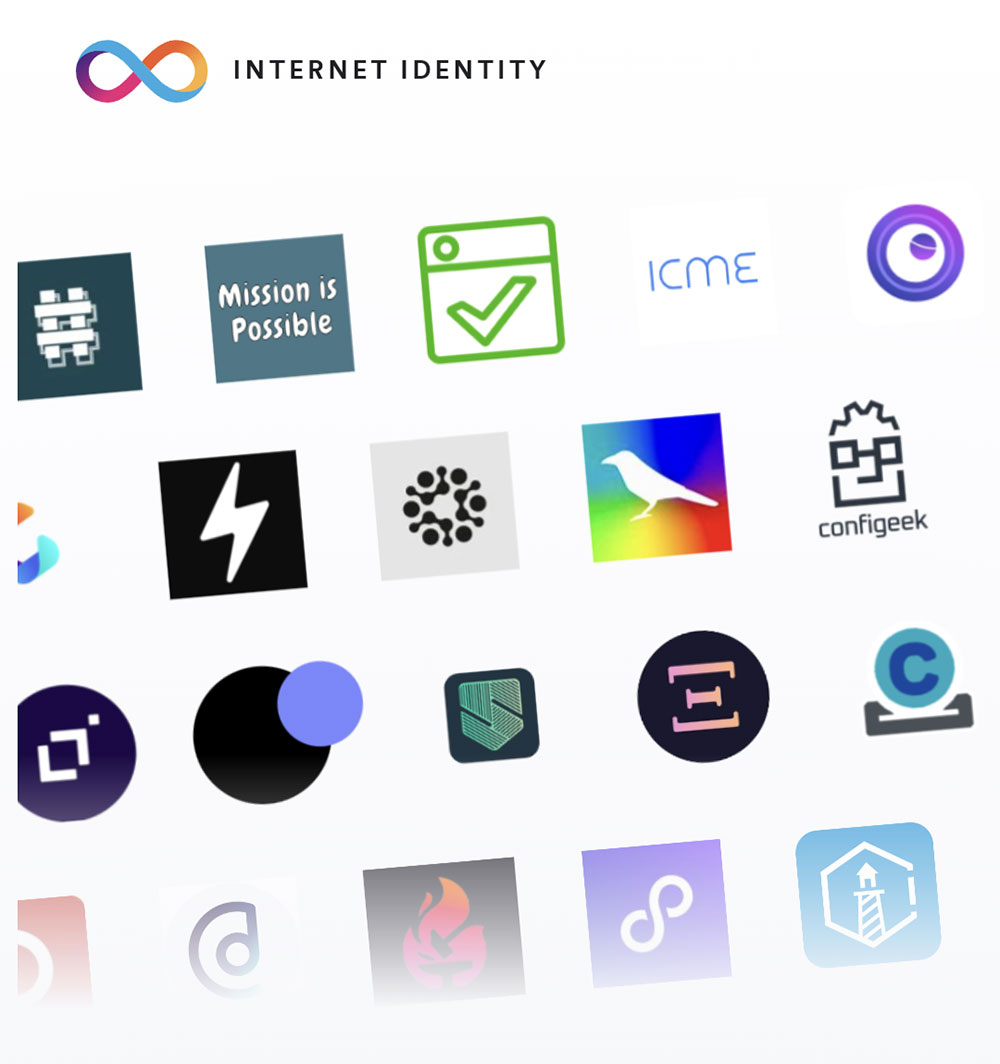
Network identities are only available for services supported through the Internet Computer Protocol. In other words, it refers to Web3 DAPP. DFINITY and others are betting that blockchain authentication technology like this will soon become the norm, especially as its protocols become widely supported. But that’s a big “if” and while the service has a lot of potential, there are still a lot of unknowns.
Web identities are typically available for Web3-compatible DAPPs such as OpenChat. You must access each application and login name and check whether they support this network computing technology. Many of them, including popular social media, probably won’t, unless you’re deeply embedded in the world of blockchain technology, which is probably the biggest weakness of online identities.
What authentication devices do I need to use Web Identity?
The good news is that your average biometric login will do just fine at this point, which may include fingerprint readers, facial recognition capabilities, and other technologies found on our everyday devices. For those who want a little extra functionality, Online Identity also supports real-world cryptography, such as Yubikey, to protect your digital identity.
Are there any fees for online identity?
No, it’s completely free and open, which is an important part of the service, and it emphasizes data privacy and transparency.
Are online identities better than passwords?
Online identities are more convenient and very secure when using DAPP. This also makes it harder for large tech or social media companies like Google to profile you, but if you use a DAPP, this may not be a big issue. It provides an easy way to create multiple social identities for improved privacy, and you don’t even need to provide any personal information to use it. However, this also means that it is important to properly manage your recovery options when something goes wrong.
Keep in mind that while you cannot be traced using this method, it will establish a trace in the blockchain. In theory, only you can access it using a mnemonic phrase (that’s the point), but it exists separately from your physical device.
How do I get started using my online identity?
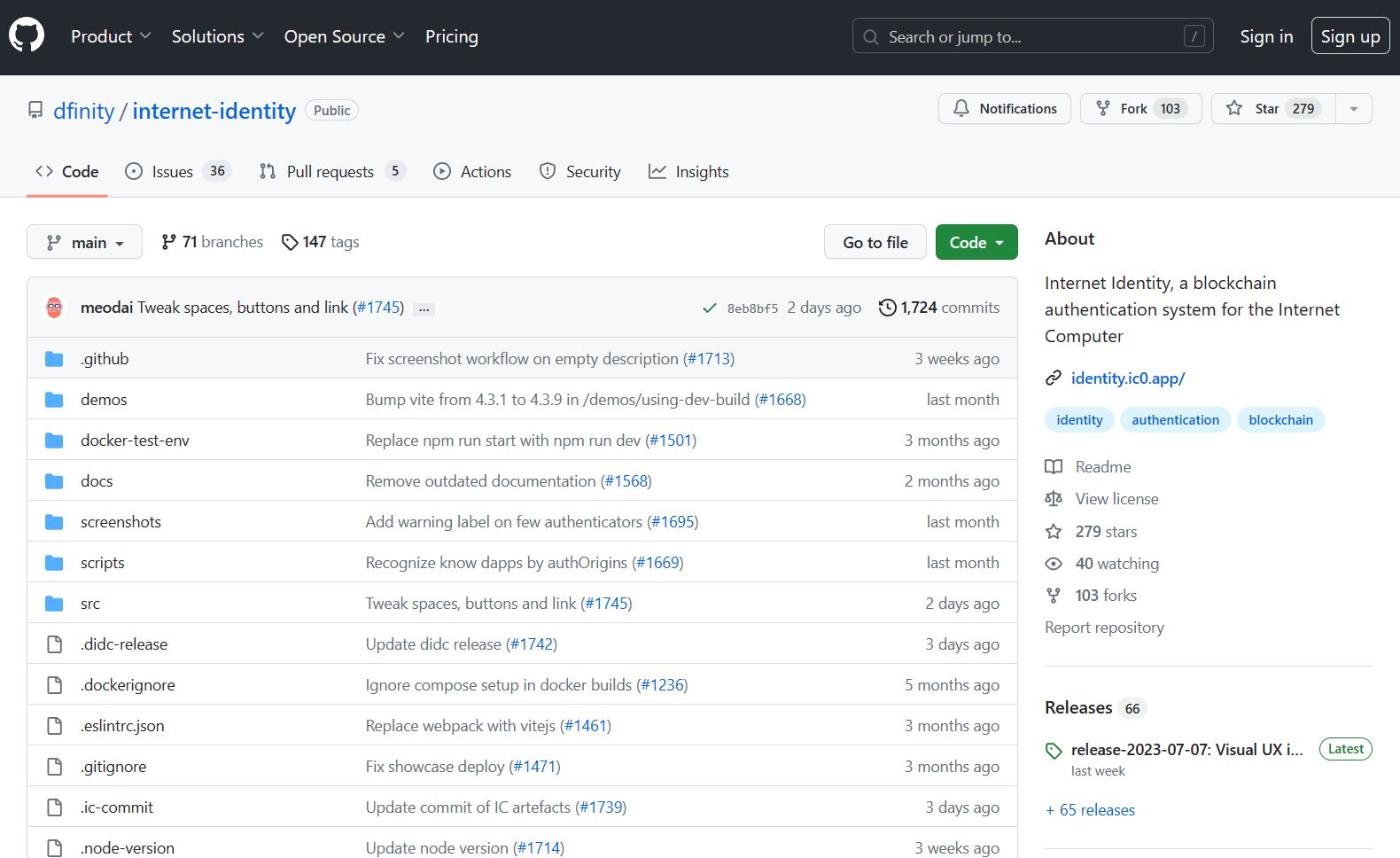
you can anytimeVisit official websiteand establish anchor points. You must also authenticate yourself and choose a recovery method, such as a phrase or security key. Then, you need to add specific devices (such as Android phones) to the anchors so that they work properly. If you’re worried about the specifics, you can go to GitHub View the source code or ask the community for more information.
Now you know what an online identity is
If you use Web3 services or are interested in using privacy-friendly DAPPs, online identity is worth your time. Its future, like the future of all Web3 currently, remains clouded and unclear, but it is a solid foundation for authentication software. Furthermore, it is completely free and works without any dubious blockchain investment scams. Even though online identity still needs to be proven it is a big step forward for the latest decentralized web activities, but it is indeed the way we want to see Web3 work.
Source: KOCPC Chinese