


Wireless charging is indeed very convenient. There is no need to insert the device into a pair of holes. Just put the device on the charging tray to replenish the power immediately. Whether it is Android products, iPhone or various peripheral products, this function has been added. But you may have found that the temperature of the device is relatively high during wireless charging. So will wireless charging be harmful to the mobile phone battery? Today we will learn about this issue that many people are worried about.
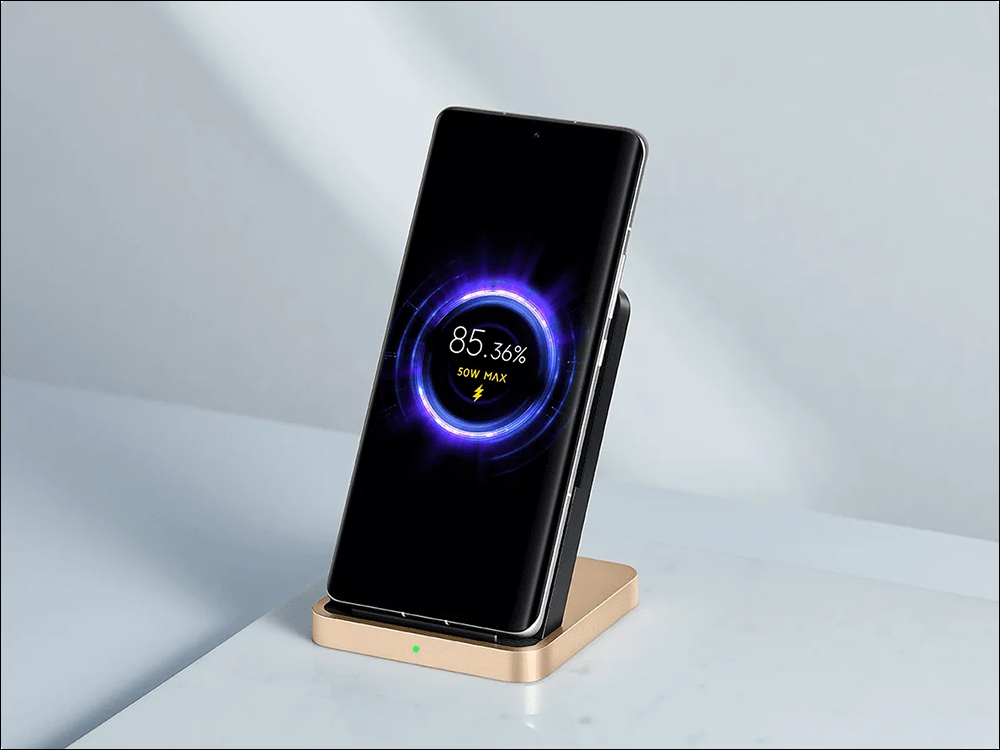
Wireless charging is everywhere, but is it bad for your battery?
How does wireless charging work?
Before we get into where the concerns about wireless charging come from, we have to talk about how wireless charging works. When you charge your phone the traditional way using a USB charging cable, a low-voltage current is passed through the wire from the charger to the phone. When using a wireless charging pad to charge a compatible phone, there’s still a charger and cord, but it’s connected to the pad rather than plugging directly into the phone.
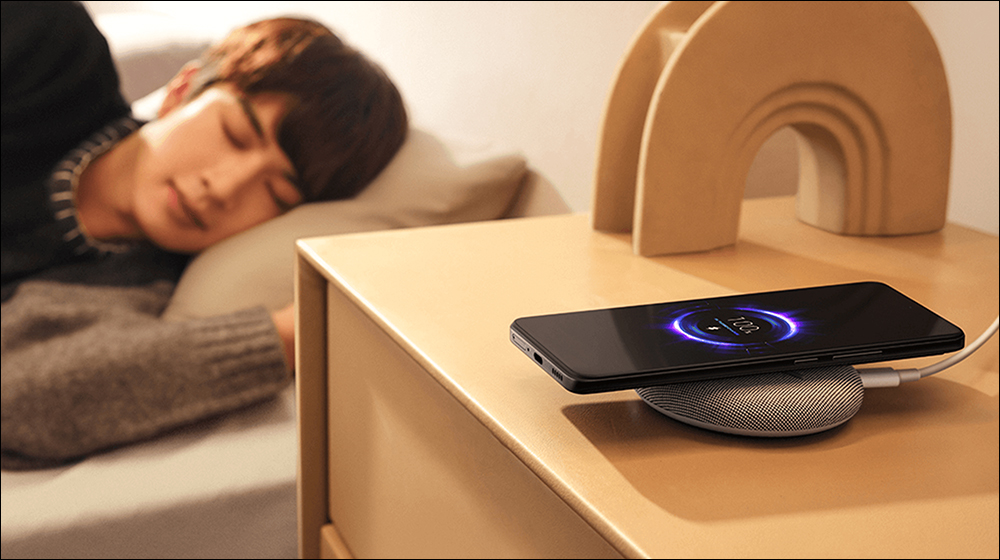
When the wireless charging pad comes into contact with a compatible device and is triggered to charge, the coil on the charging pad begins to emit a low-power magnetic field, which interacts with the coil on the back of the phone and converts the magnetic energy generated by the charging pad coil into electricity to charge the phone.
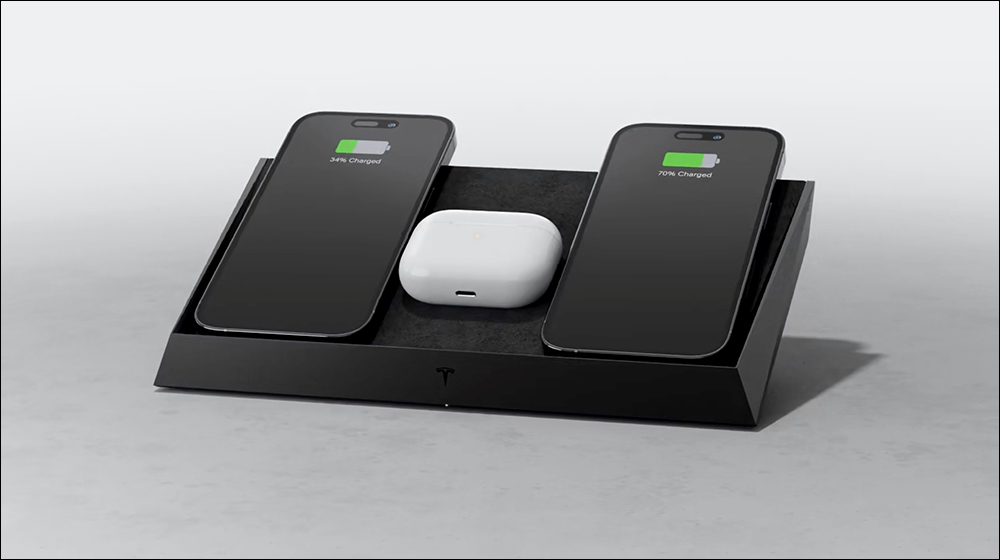
Wireless charging has been around for years, with the technology invented in 2008 but not appearing in commercial products for several years. The first mobile phone to support wireless charging, the Nokia 920 Windows Phone, was released in 2012. In the same year, the Samsung Galaxy S3, which supported wireless charging but required adapter accessories, was also launched. The Samsung Galaxy S6, launched in 2015, was the first product to support wireless charging out of the box. Apple released the iPhone 8 and iPhone X in 2017, and has since officially added wireless charging capabilities to the iPhone lineup.
Will wireless charging damage the phone battery?
Where do concerns about wireless charging case battery health come from? Some of the energy transferred between the coil of the charging pad and the coil of the phone is converted into heat and is lost in the environment, so wireless charging is not 100% efficient. If you are charging using a regular wall charger, wireless charging pad, or fast charger, you may feel a difference in temperature on the back of the phone. Charging with a regular 5W (or less) phone charger barely warms the phone, and depending on the ambient temperature of the room it may be difficult to detect a difference.
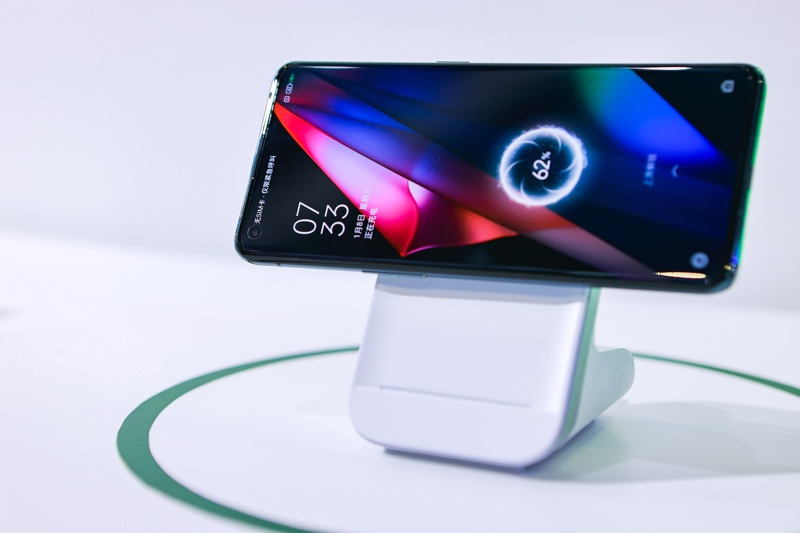
The heat generated when using wireless charging is usually relatively high, and you will notice it is a little warm when you take the phone off the charger; fast charging also usually has a high temperature, and when you pick up the phone, you may be asked to stop using it because the temperature on the back of the phone is too high. As far as mobile phone manufacturers are concerned, all three conditions are completely normal and within the expected range of mobile phones. existIn its wireless charging documentation, Apple notedYour phone may feel warm, but will automatically limit charging if it gets too hot,Samsung documents also contain the same provision。
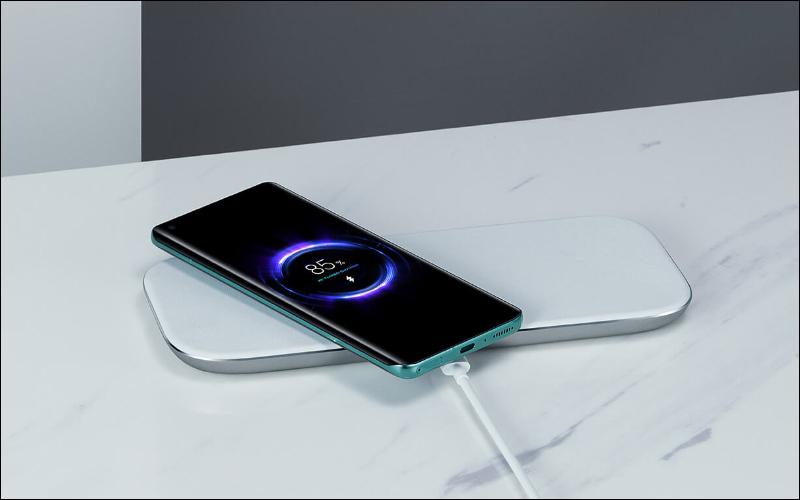
In terms of the heat generated by wireless charging, in addition to using a “slow” USB wall charger, one could argue that wireless charging is technically aging or destroying the battery. However, aside from debating technical details, there’s not much evidence of such harm in the real world. There are many other variables that come into play, such as how often the battery is drained and recharged, the operating environment, etc., making it difficult to single out wireless charging as a single factor in deteriorating battery health.
For example, cell phone manufacturers will tell you that exposure to temperatures above 35 degrees Celsius can permanently reduce the health of your phone’s battery. Yet millions of people use their phones all the time in environments where the ambient temperature is above 35 degrees Celsius. Walking around with the phone in your pocket on a sunny summer day can push it above that temperature; charging it indoors on a hot day without air conditioning can push it above the specified temperature; leaving it in a phone holder in your car can push it above that temperature. Compared to the many variables, having your phone warm up a little while charging wirelessly has almost no impact.
Should you stop using wireless charging?
Maybe you read that last part and are considering switching from wireless charging to only slow charging at night with a wired charger. In theory, you could do this, but the impact on battery health would be minimal. The battery in your phone is a consumable, just like the tires on your car. You wouldn’t leave your car in the garage to avoid changing the tires, and you shouldn’t fight to avoid battery aging. What you need most right now is to stop worrying so much about your phone’s battery and enjoy the convenience and functionality of your phone.
Source: KOCPC Chinese