


After withdrawing from the smartphone market, ASUS has adjusted its mobile device strategy again after many years and officially announced its return to the tablet computer field with the new ASUS Pad (T3201). This product not only symbolizes the brand’s rearrangement in the mobile device market, but is also seen as an important step in ASUS’s attempt to rebuild its competitiveness in the wave of AI and cross-device integration.
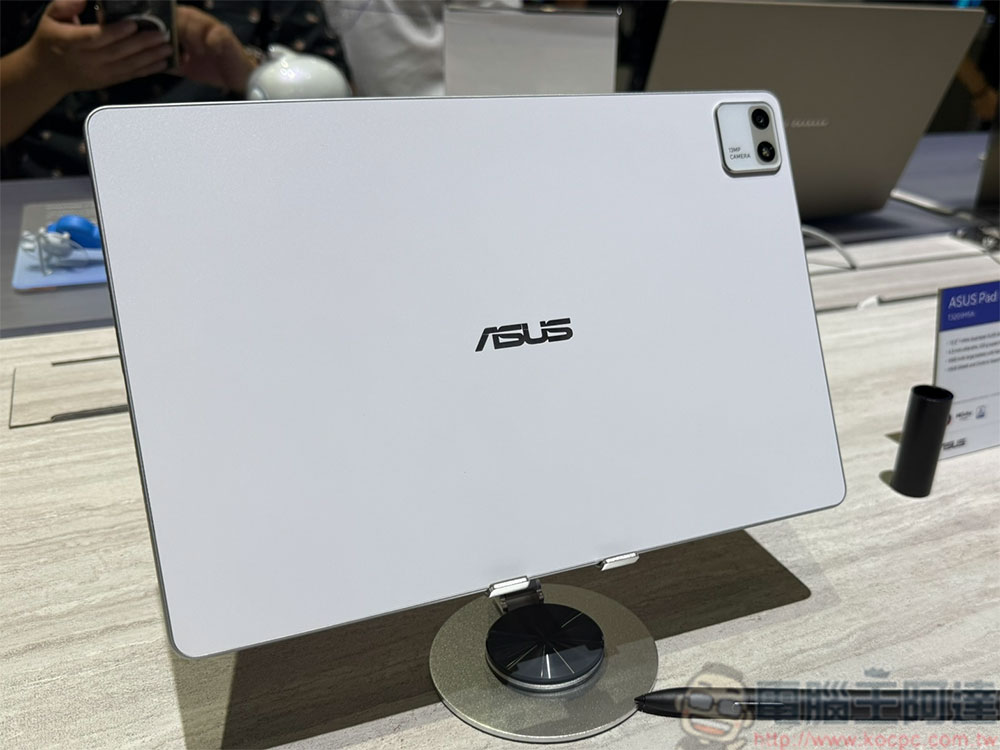
ASUS returns to the tablet market, the new ASUS Pad debuts at COMPUTEX 2026
The most eye-catching core feature of ASUS Pad (T3201) is undoubtedly its 12.2-inch 2.8K dual-layer OLED screen. Compared with ordinary OLEDs, the double-layer structure can increase brightness, reduce energy consumption, and extend the life of the panel, making it more durable for long-term users. The screen supports a refresh rate of up to 144Hz, which can present more detailed and smooth visual effects when sliding interfaces, game screens, or high frame rate video playback.
In order to improve the comfort of long-term use, the screen has also passed TÜV Rheinland’s low blue light and flicker-free certification, which can effectively reduce eye fatigue. Paired with a four-speaker system and Dolby Atmos, the overall audio-visual experience is more immersive, and it can demonstrate the audio-visual performance of a flagship tablet whether you are watching dramas, watching movies or gaming.
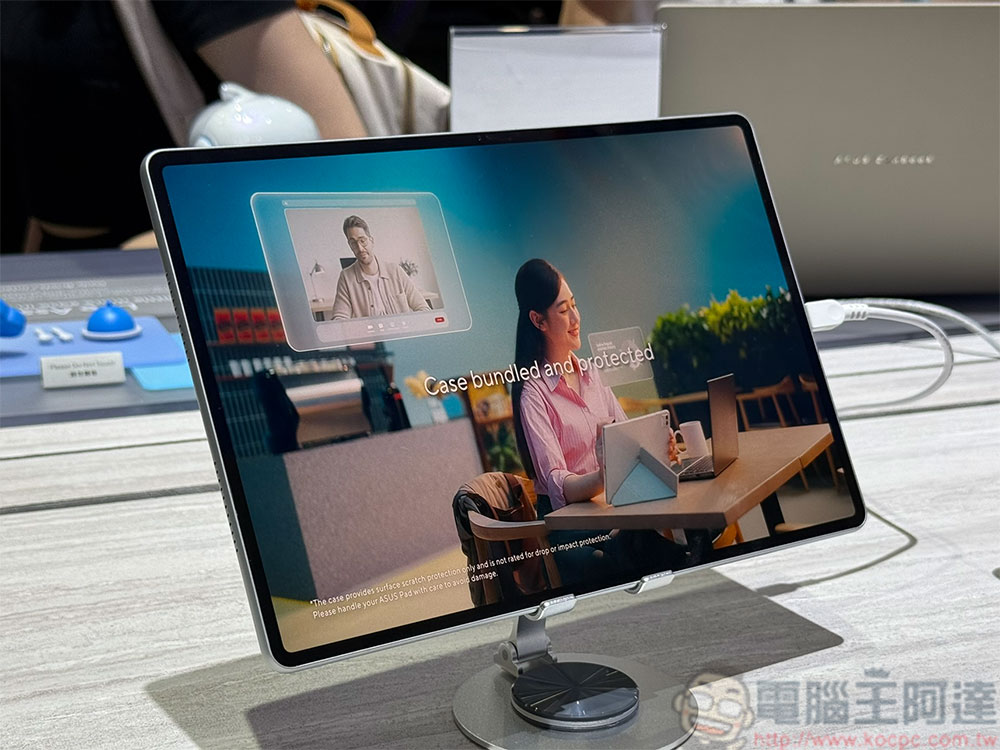
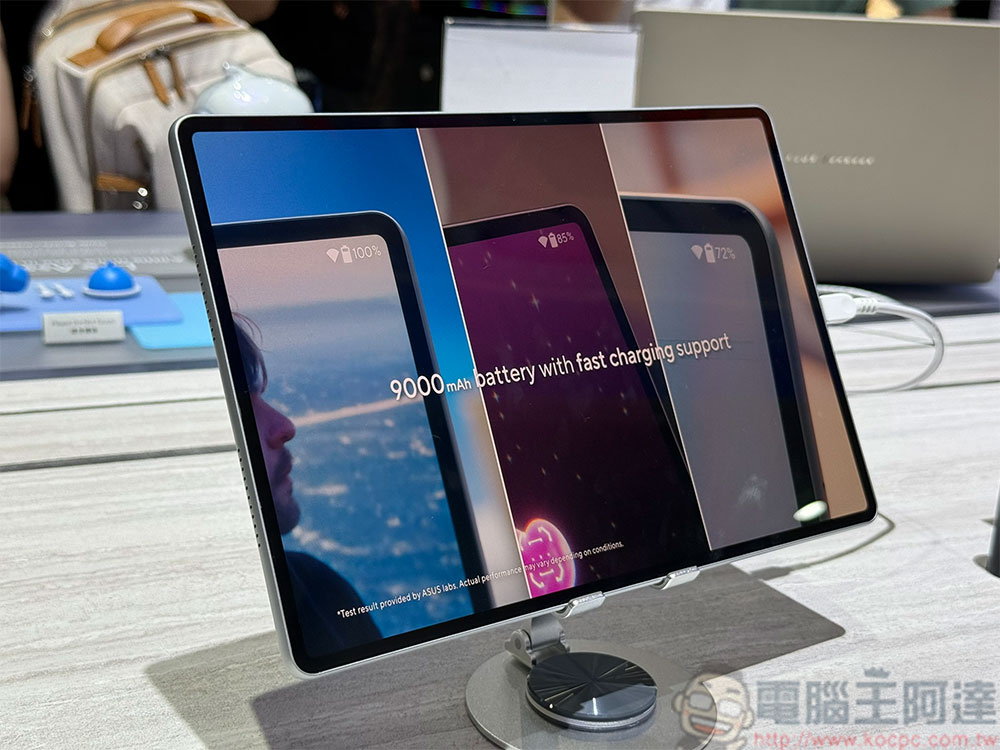
In terms of appearance design, ASUS Pad (T3201) uses a magnesium aluminum alloy body and a fiberglass back cover, weighs only 523 grams and is only 6.5mm thick. Such specifications give it a very outstanding thinness and lightness advantage among tablets of the same size, making it suitable for students, office workers, or users who need to carry the tablet for a long time. In terms of performance, the new machine is equipped with MediaTek Dimensity 8300 processor, which is positioned as a mid-to-high-end processor and is sufficient to handle daily multitasking, audio-visual entertainment and general productivity needs. It has a built-in 9,000mAh high-capacity battery and supports 45W USB‑C fast charging. Officials say that it can be charged to 50% in about 30 minutes, which can effectively reduce battery anxiety when going out.
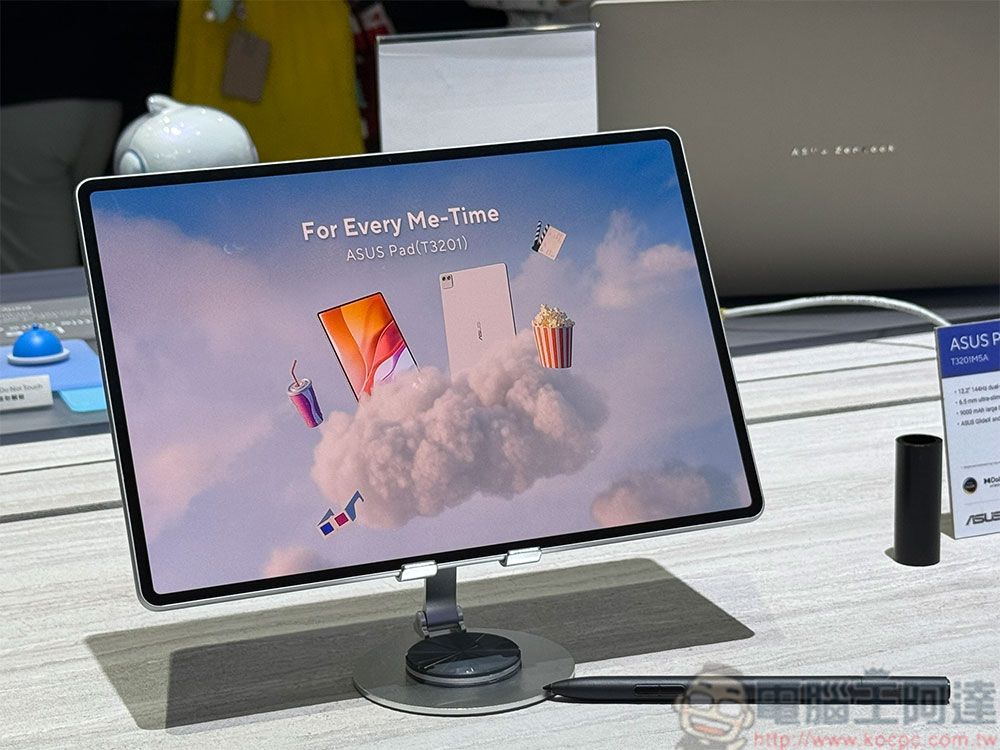
In addition to hardware specifications, ASUS Pad (T3201) emphasizes AI and cross-platform collaboration capabilities. Through ASUS’s own GlideX software, the tablet can perform screen sharing, file transfer and cross-device collaboration with PC, making it smoother for users to switch work between different devices. This also means that ASUS hopes to create a more complete ecosystem experience through software integration. In addition, ASUS Pad (T3201) supports stylus and Bluetooth keyboard, which can meet diverse needs such as note-taking, drawing, and word processing, making it more flexible in learning and light productivity scenarios.
Source: KOCPC Chinese