


Although the new generation iPhone and Apple Watch Ultra in 2022 have enhanced GPS specifications, the dual-band system corresponding to the L1 and L5 GPS bands is claimed to be able to provide accurate satellite positioning in cities full of interference and shielding. But now it seems that Apple may have Easter eggs for positioning technology in the new generation of Apple Watch series.
Because according to the notes on the official website,Apple Watch Ultra / S8 / SE2 No more relying on your iPhone’s GPS to save battery. And since the battery life is still marked as 18 hours, I believe everyone will be very curious as to why Apple can directly quit the past power-saving tricks under the premise of similar hardware specifications.
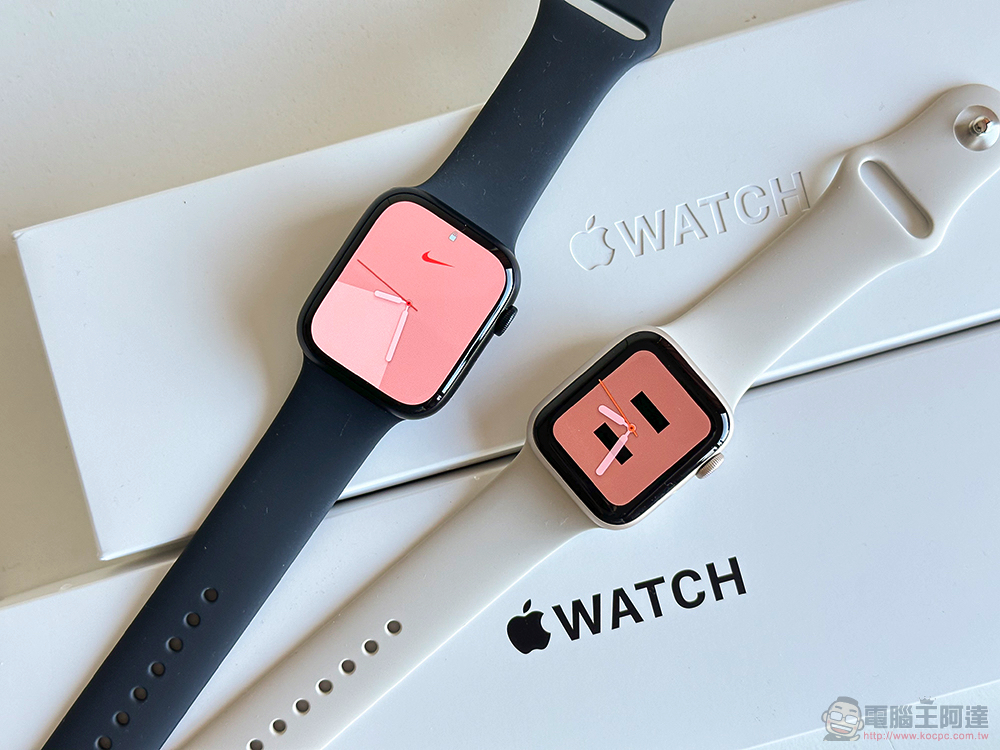
▲Picture source:
Apple Watch Ultra / S8 / SE2 no longer needs to rely on iPhone’s GPS to save battery
I believe that friends who often use Apple Watch for outdoor fitness activities such as running and cycling will be familiar with the GPS activity recording function of Apple watchOS smart watches. Interestingly, Apple Watch has been equipped with an independent GPS chip since Series 2. However, in actual operation, in order to save power, the iPhone’s GPS positioning information is usually used first.
Because of this, if you go out without your iPhone and use Apple Watch independently for GPS recording activities, you will usually feel that the watch’s power will be consumed relatively faster.
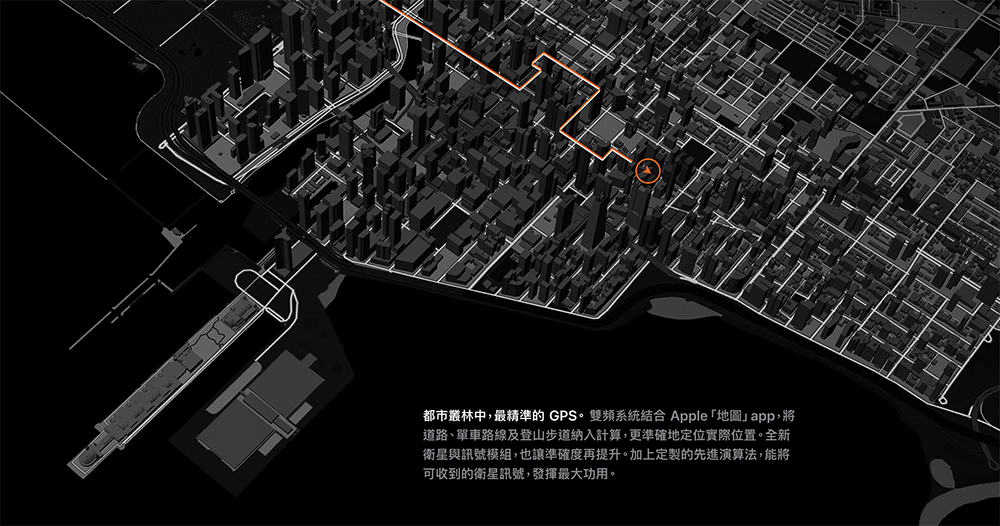
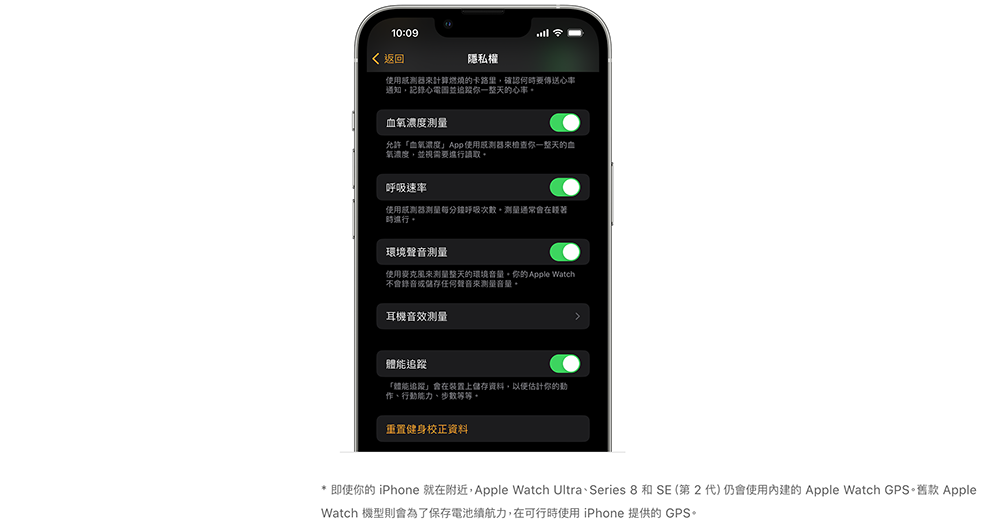
Interestingly, some media recently discovered that Apple reset device calibration dataHelp pageHere, a line of quite interesting remarks appeared. mentioned:
即使你的 iPhone 就在附近,Apple Watch Ultra、Series 8 和 SE(第 2 代)仍會使用內建的 Apple Watch GPS。舊款 Apple Watch 機型則會為了保存電池續航力,在可行時使用 iPhone 提供的 GPS。
It’s interesting partly because both Apple Watch Series 8 and SE (2nd generation), like Apple Watch Ultra, have high-G sensors required for car accident detection. However, in terms of GPS specifications, the latter is different because it provides dual-band more precise positioning support and a larger battery. So if there is any special mode support, it wouldn’t be too strange to allow it to operate independently while still maintaining endurance performance.
However, in terms of power or hardware specifications, it is basically believed that the Apple Watch Series 8 and SE (2nd generation), which are roughly similar to previous models, can actually maintain 18 hours of battery life without relying on the iPhone’s GPS signal.

Take the official test standards of Apple Watch SE 2 as an example (in fact, Apple Watch battery life is almost always measured this way). Battery life measurements are performed when connected to an iPhone “checking the time 90 times, receiving notifications 90 times, using the app for 45 minutes, and playing music from the Apple Watch via Bluetooth during a 60-minute physical training session; the usage of Apple Watch SE (2nd generation) (GPS) includes connecting to the Apple Watch via Bluetooth during the entire 18-hour test period. iPhone; Apple Watch SE (2nd generation) (GPS + Cellular) usage includes 4 hours of LTE connection and 14 hours of Bluetooth connection to iPhone.”
It can only be said that unless these 60 minutes of physical training are exercise content that does not require GPS, then it may not have much impact. But even so, it still makes people want to guess what interesting power-saving tricks the new generation of Apple Watch has, so that Apple dares to suddenly change its power-saving strategy. I don’t know what you think it will be?
Further reading:
Free store visit! Taiwan Mobile eSIM service can be applied online on the official website
Source: KOCPC Chinese