


There are so many lens filters on the market, do you know which ones are suitable for you? In what situations are they applicable? This article will introduce several common camera filter categories and list the pros and cons. Hurry up and read the article here!
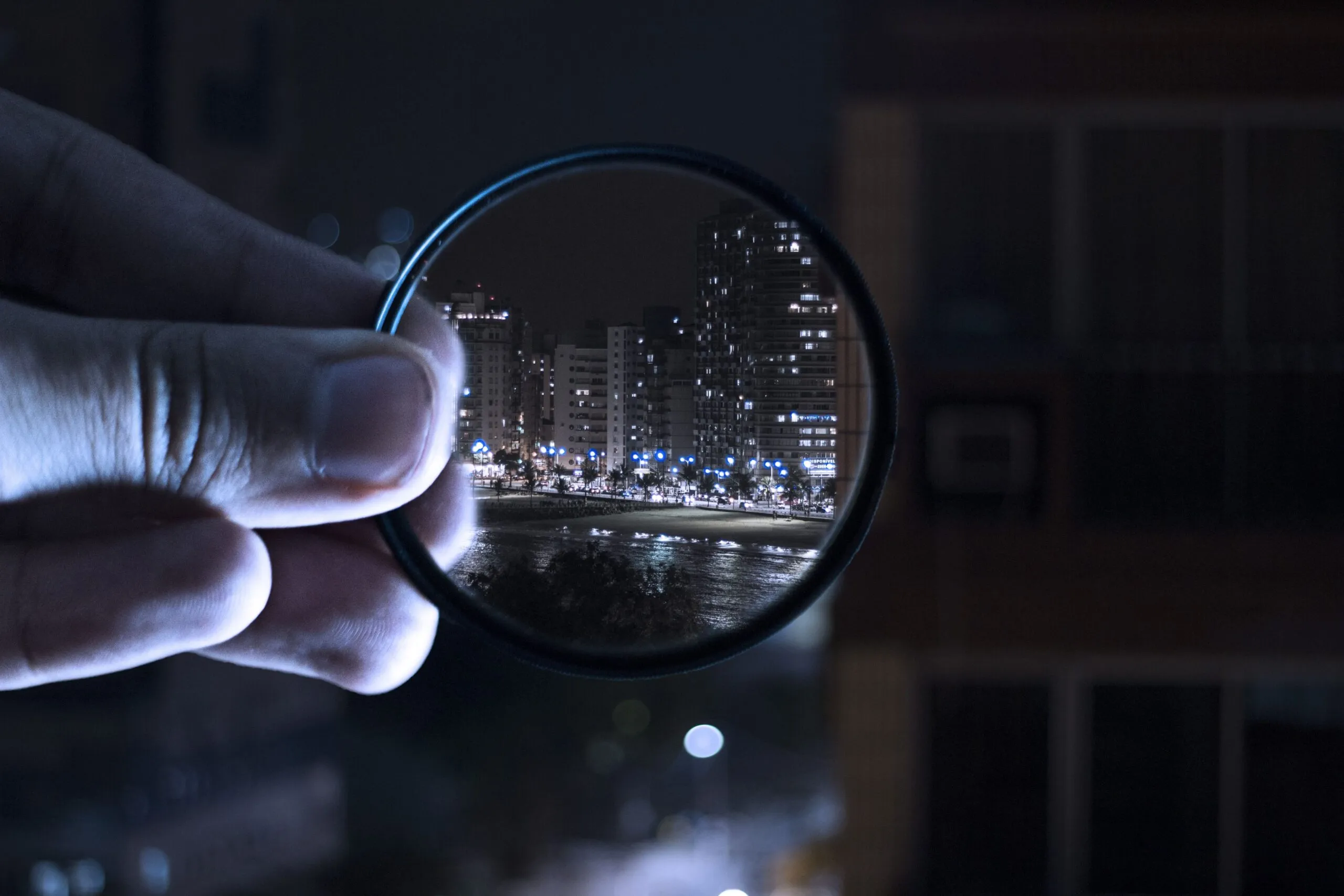
▲ Figure 1: Use filters to greatly improve your professionalism/from Pexels
Camera filter classification
Before I introduce it, let me give you an idea.Each filter has common shortcomings and will reduce the image quality to a certain extent., so this shortcoming is not specifically listed. But there is no need to be overly nervous. Filters with good coating quality can be more reassuring.
UV Protective Glasses (Ultraviolet Filter)
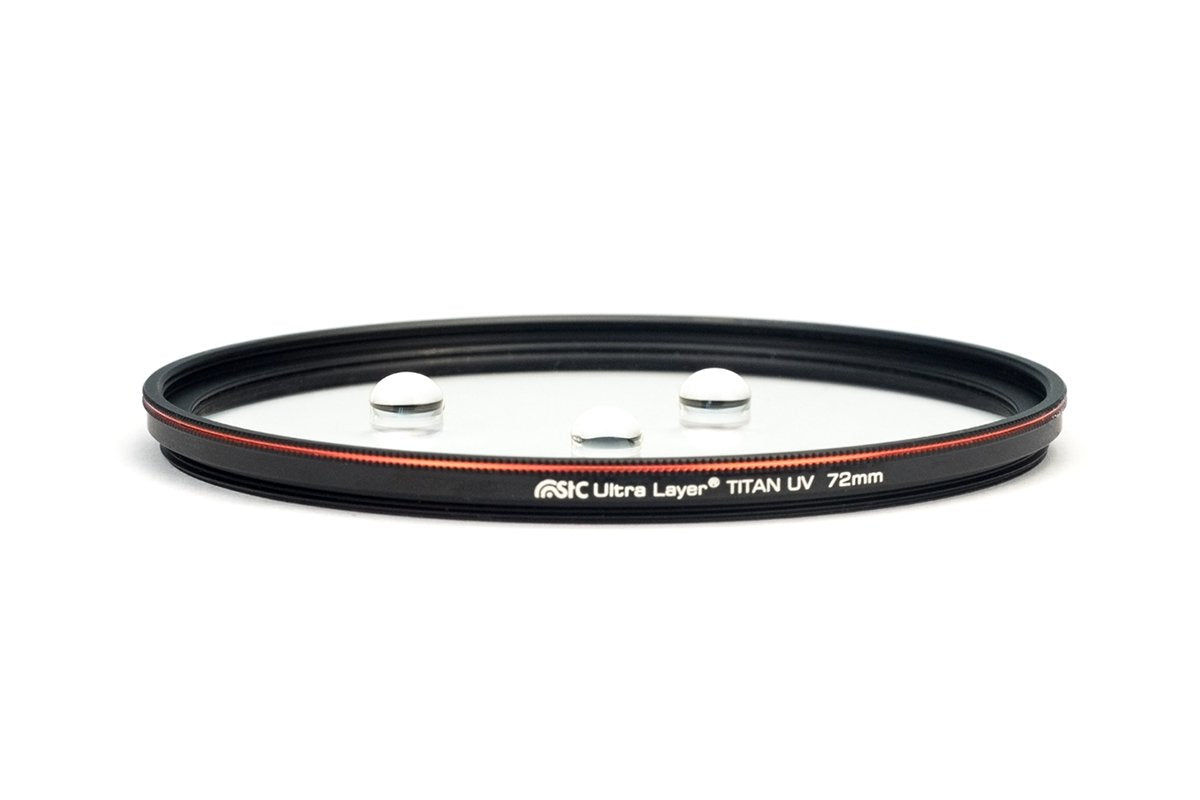
The original purpose of UV protective glasses is toIsolate images from interference from ultraviolet raysThe design was mainly popular in the previous film machine era. As the manufacturing technology of single-lens cameras matures, today’s single-lens cameras are less sensitive to the effects of ultraviolet rays, so gradually UV lenses really only have a “protective” role.
With expensive lenses, you always don’t want to get bumped or scratched by dust. Slight scratches will not cause imaging problems, but severe scratches will cause glare or light refraction, so use a UV filter to protect the lens as much as possible.
Some UV mirrors cost you 2,000 to 3,000 yuan, which is not very cheap, but you buy them to use them, not to put them in a moisture-proof box where even touching them will leave fingerprints. Nowadays, the better protective mirror coating technology is very good, and it can be easily removed when it comes into contact with water or oil.
For example, the UV filter produced by STC is a good protective lens, which is hydrophobic, oil-proof, wear-resistant and anti-static. And it also uses an aluminum frame, so you don’t have to worry too much even if it gets bumped.
ND Neutral Density Filter
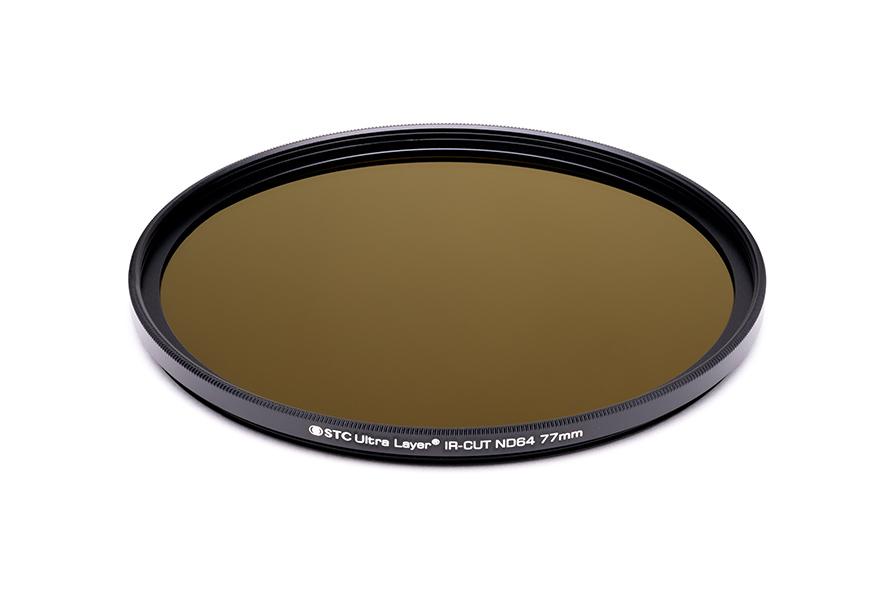
▲ Figure 3: Light reduction filter/from STC
ND light-reducing filter, as the name suggests, is toFilter that reduces light entering the photosensitive element. You may be confused and have heard that many times you want enough light to enter, so why is there a lens filter that reduces light?
Before I introduce it, I would like to ask if you have ever seen photos of waterfalls like the one below? This is not a photo that has been adjusted through post-production effects. When taking photos under the bright sun, it is common to use shutter speeds as high as 1/1000 of a second. Imagine trying to capture the effect of a trickle of water in such a short time, it’s simply impossible.
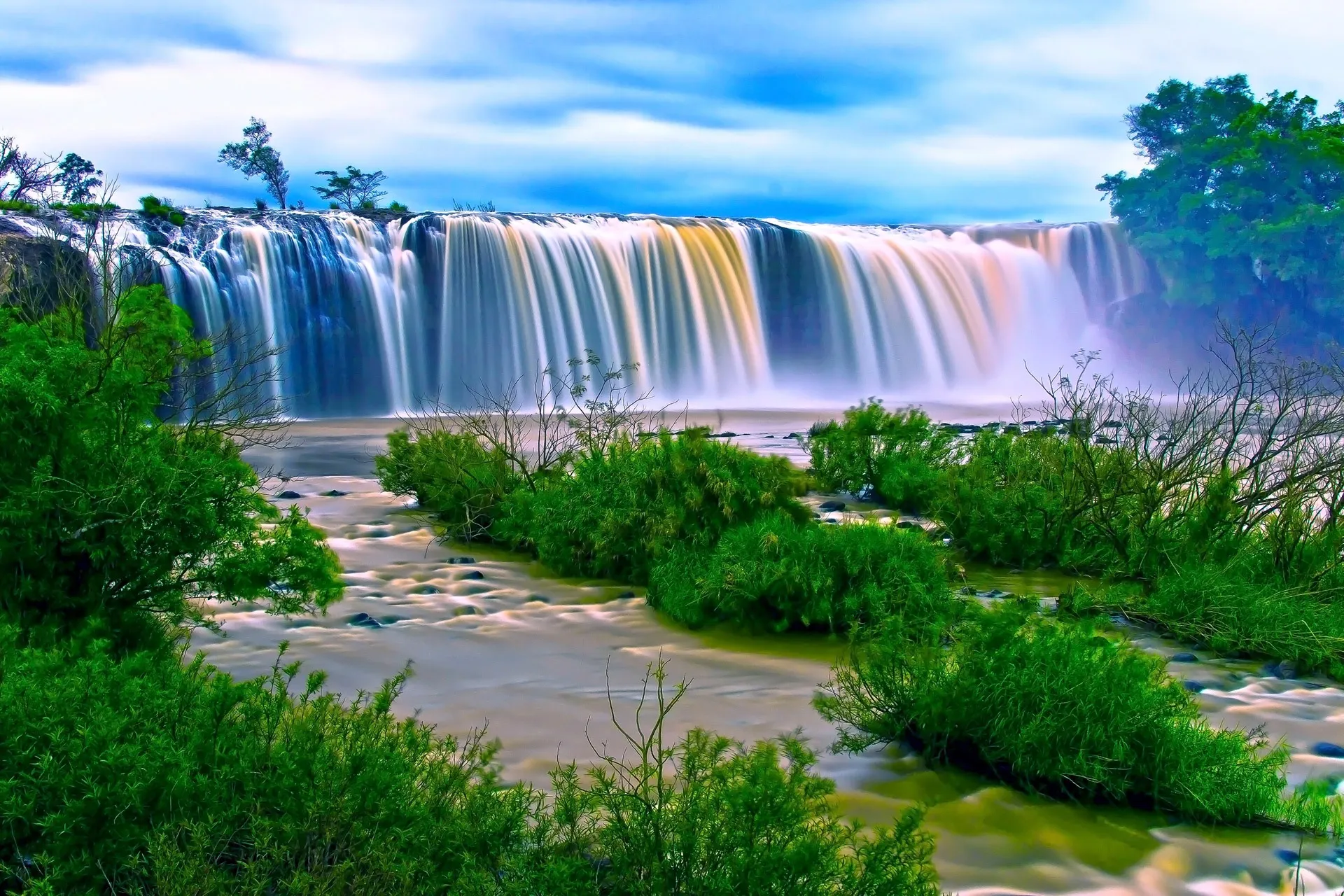
▲ Figure 4: A waterfall with thin water flowing through a light-reducing lens / from Pexels
This type of subject requires a long exposure to create the feeling of a continuous trickle. If you do not use a dimmer filter to reduce the amount of light, the photo will be overexposed and nothing can be seen, so there is a dimmer filter.
Since the amount of light entering is reduced, the camera may shake, so a tripod is usually used to prevent the camera from shaking.
When choosing a light filter, you will often see models such as ND8 or ND64, followed byThe number indicates how many times the exposure time can be extended by the ND filter., usually related to the index of 2, for example, ND8 means that the exposure time can be extended by 3 times, and ND64 can extend the exposure time by 8 times. Please don’t think that ND8 means reducing the light by 8 stops and extending the exposure time by 8 times.
There is another type of adjustable light-reducing filter on the market. Simply put, it combines multiple light-reducing filters into one. You only need to rotate the filter frame to adjust the light-reducing magnification. When the shutter speed falls into the value you want, you can start shooting. It can be said to be quite convenient, but the price is more expensive!
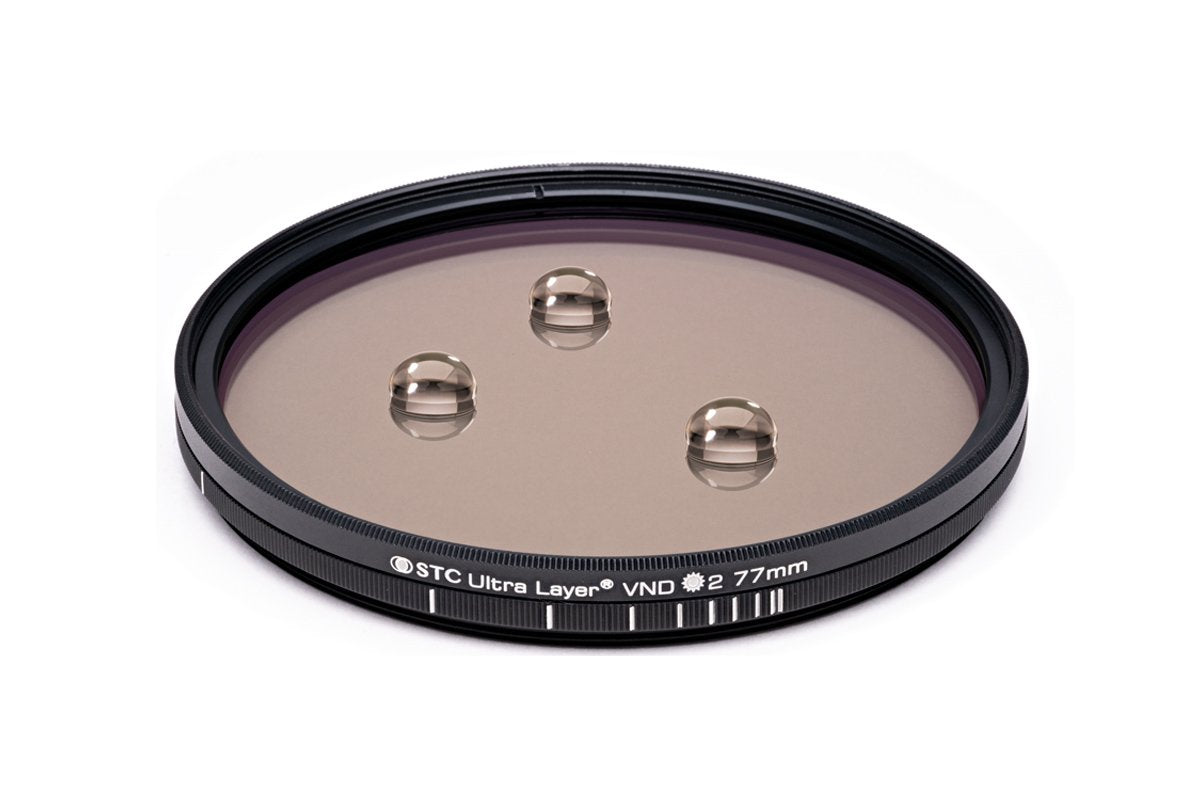
▲ Figure 5: Adjustable light reduction filter/from STC
GND Graduated Neutral Density Filter
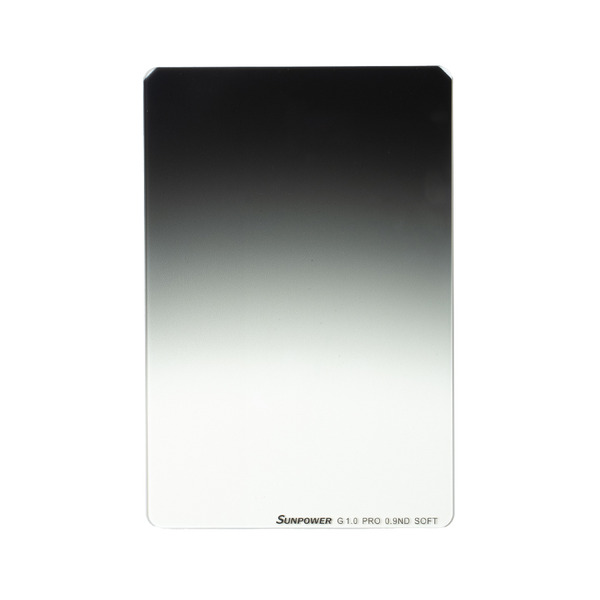
▲ Figure 6: Gradient light filter/from SUNPOWER
Gradient (variable) dimmer filters are similar to ordinary dimmer filters. You will also see the words NDXX. The difference is that the filter has more areas where the gradient becomes transparent. The purpose of the gradient light filter is toCan darken the brighter areas of the picture while retaining the darker areas, making the difference between bright and dark parts more even.
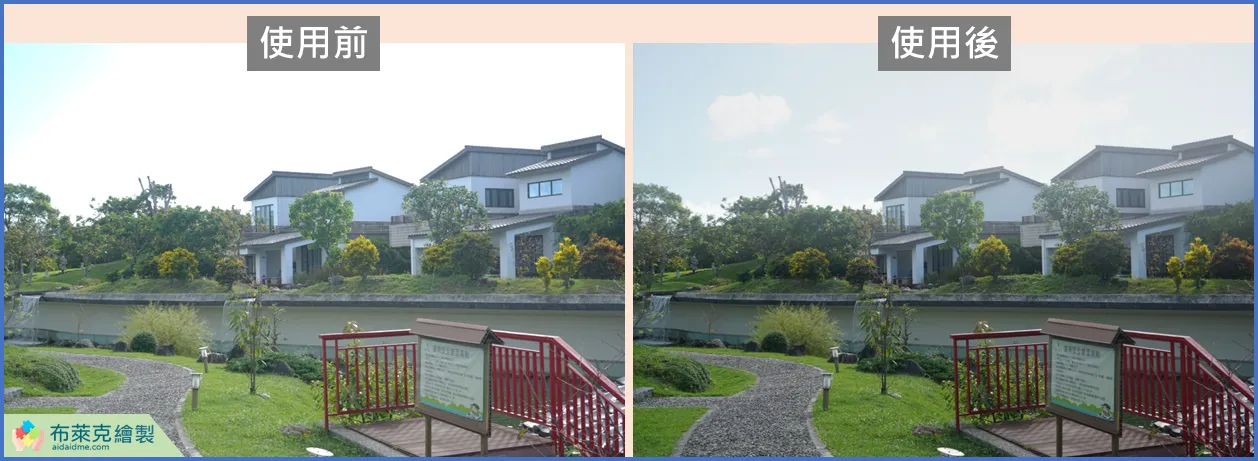
▲ Figure 7: Difference before and after using gradient filter
Not all gradient mirrors are black to transparent, they may be gray to transparent, or even blue, orange, brown… and other colors to transparent. For example, in the photo below, red and blue gradient mirrors are superimposed on the screen.

▲ Figure 8: Mountain view at sunset/from Pexels
Many progressive light-reducing filters on the market are made in a rectangular shape, and then must be equipped with a special bracket to buckle in front of the lens. With the stand, the filter can rotate freely.
CPL Polarizer Filter
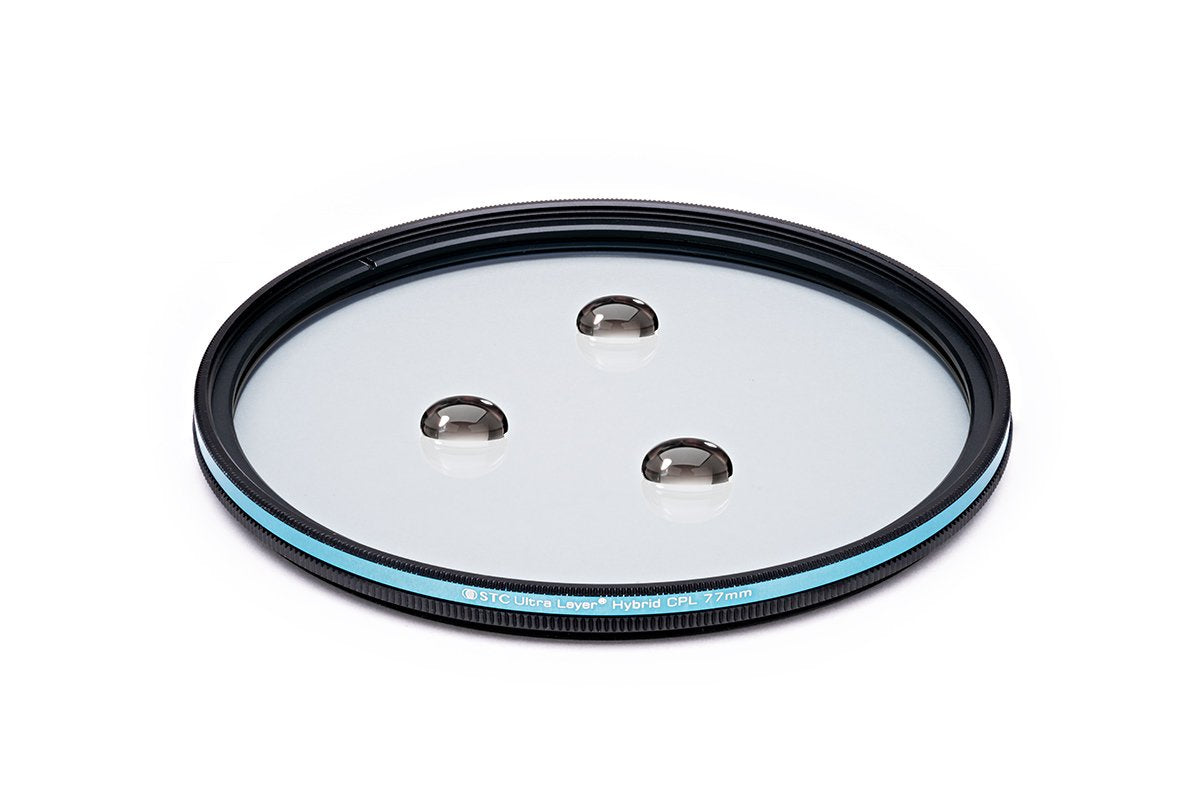
▲ Figure 9: Polarizer/from STC
Polarizer, also known as polarizer, is the most amazing artifact among photography peripherals. By rotating the outer ring of the lens, the frame canA filter that eliminates reflections from non-metallic objects, water surfaces, etc.。
It can produce effects such as non-reflective water surface, transparent and clear windows, bluer sky, greener leaves, more vivid flowers… etc. Sometimes it can also be adjusted to more vivid colors to increase saturation. But it should be noted that not all the light you want to filter can be eliminated. Polarizers can only be most effective when the sun is above the camera.
You can take a look at the picture below. Maybe the colors of the leaves and sky can be adjusted through post-production. However, the pond in the YouTube video has reflections, so it is basically difficult to see the fish. However, after turning the lens frame, you can clearly see the fish in the pond. This effect isIt is difficult to imitate in post-production。
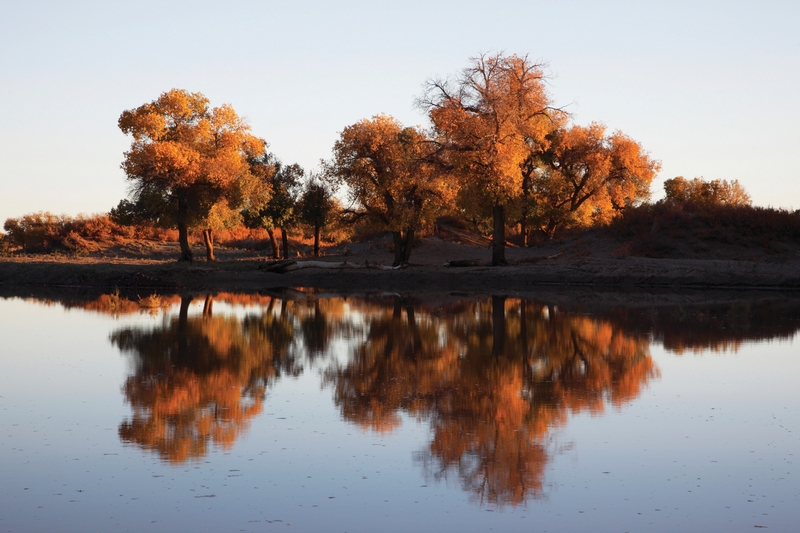
▲ Figure 10: The effect without using a polarizer/from the Hong Kong Canon official website
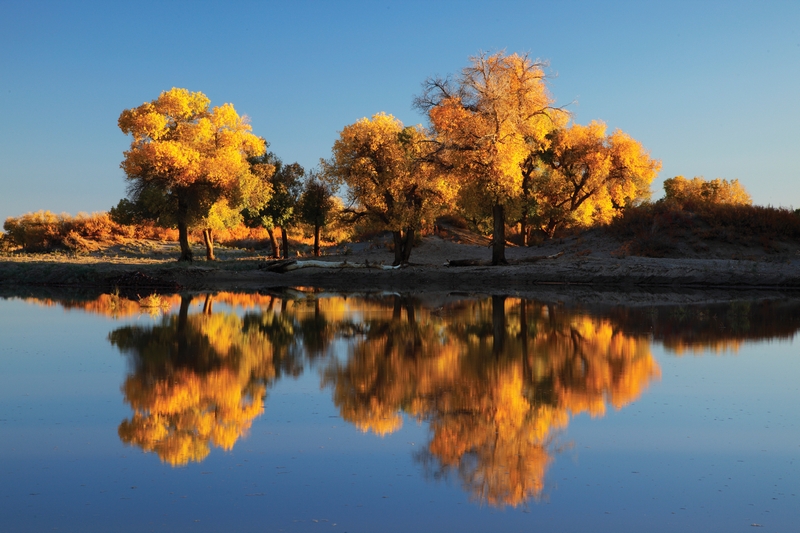
▲ Figure 11: The effect of using a polarizer, the sky is bluer and the leaves are more golden/From Hong Kong Canon official website
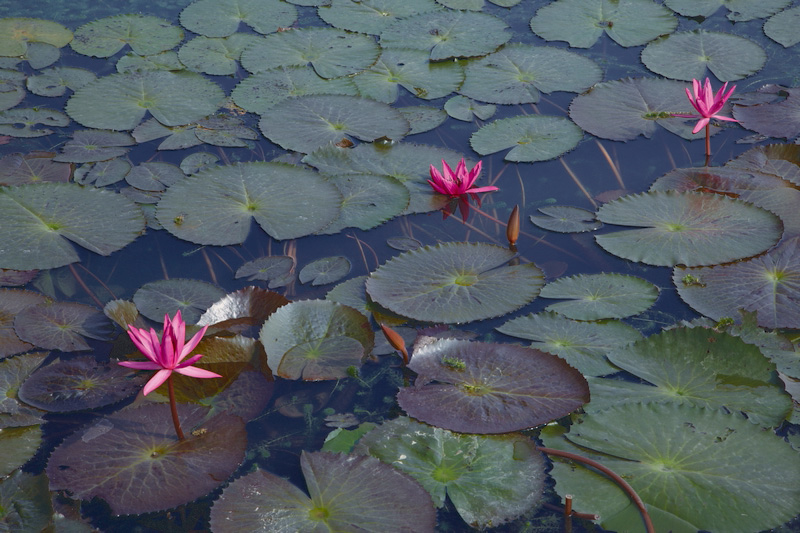
▲ Figure 12: The effect without using a polarizer/from the Hong Kong Canon official website
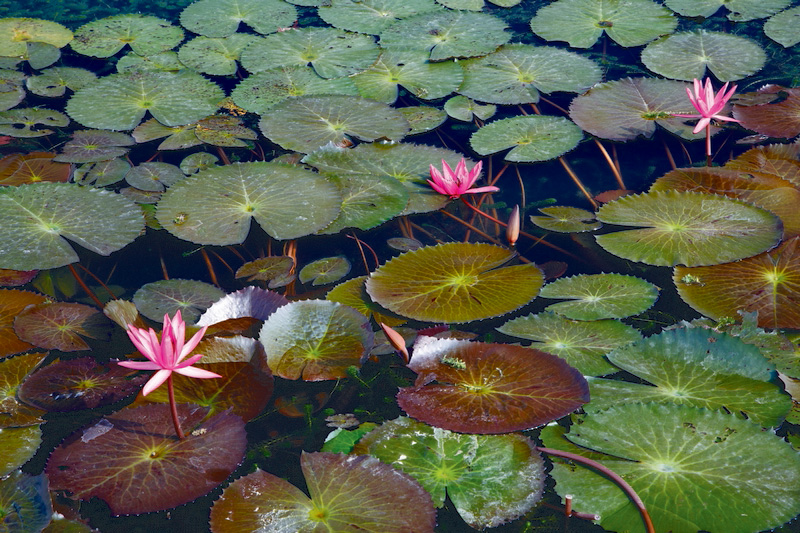
▲ Figure 13: The effect of using a polarizer, the reflection on the water surface is eliminated, making it clearer/from the Hong Kong Canon official website
Filter Adapter Ring (Step Up Ring)
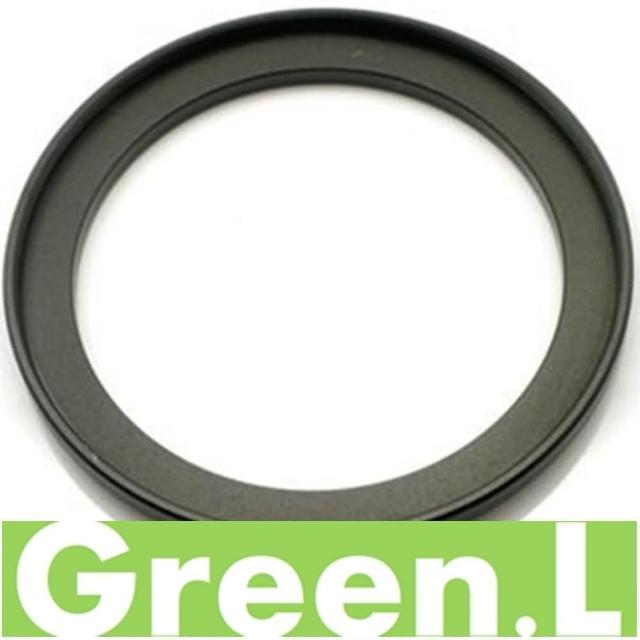
Each type of filter is usually not cheap. If you have a lot of lenses to replace, you will need to buy filters of multiple calibers. If you have to buy a specific filter size for each lens, then this product is not suitable for you. And if the budget is not sufficient, then the way to reduce the cost of filters is to buy a filter adapter!
When purchasing a large-diameter filter, you need to connect the filter adapter ring to the front thread of the small-diameter lens. If you don’t know which side the front jade is, you can read the article below for a detailed introduction.
Although the filter adapter ring is very convenient and cheap, it is not difficult to find that the filter adapter ring has a large disc protruding from the picture below. This isCan’t attach hoodYes, it depends on whether you can accept it.

▲ Figure 15: Diagram of filter adapter ring for lens set/from B&H PHOTO VIDEO
Conclusion
After the above introduction to the classification of camera filters, you have also learned about the artifacts commonly used by photographers. Do you also find it very interesting? Various filters have different uses and can produce different effects. Please be sure not to use the same filter all the way.
The article also introduces what you should pay attention to when buying filters. I believe that after reading this, you should know how to choose camera filters. Come and use camera filters to greatly improve your professionalism and feel the power of filters!
If you like the above article, welcomeSubscribe to newsletter, and you will receive photography-related teaching articles!
by Engineer Blake
Source: KOCPC Chinese