


Friends who have just entered the field of photography do not want to go straight to the top equipment, and their wallets are limited, so they often choose lenses of good quality from the second-hand market. However, there are many things you need to pay attention to when buying second-hand lenses. This article will put forward several key points for inspecting the lens, as well as several common questions. If you are interested, please take a look!
This article will use the Sony 70-200mm f/4 G series lens to share how to choose a second-hand lens. This lens was launched in October 2013. It has been 9 years since its launch. It is very easy to find second-hand products. The pictures in the article are fromJapan MapCamera, friends who like to take pictures, don’t miss it when you go to Tokyo, Japan, you may find treasures!
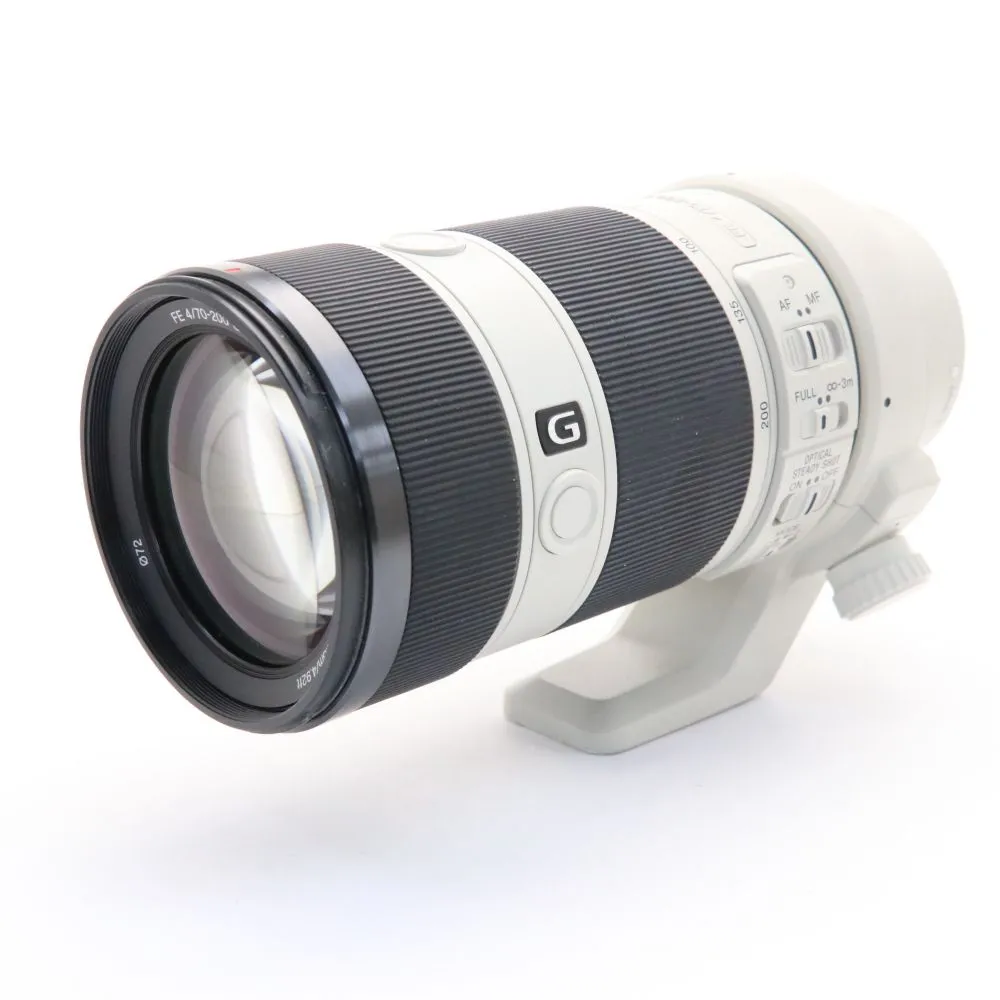
▲ Figure 1: Sony SEL70200G second-hand product
By the way, do you want to buy a second-hand single-lens camera recently? This article shares what you need to pay attention to when choosing a second-hand monocular. It may also be helpful to you!
Point 1: Check the appearance of the second-hand lens for obvious external damage.
When buying second-hand products, it is very important to pay attention to whether there are any external injuries. After all, we never know what kind of treatment this lens has experienced. Don’t ignore it!
As long as you see trauma on the lens, you can probably suspect that it has been hit. You can reasonably guess
- Lens focus failure
- The zoom or focus ring does not turn well
- There may be dust inside
If there is a little lint on the outside, it’s probably not a big problem. After all, it’s a second-hand item!
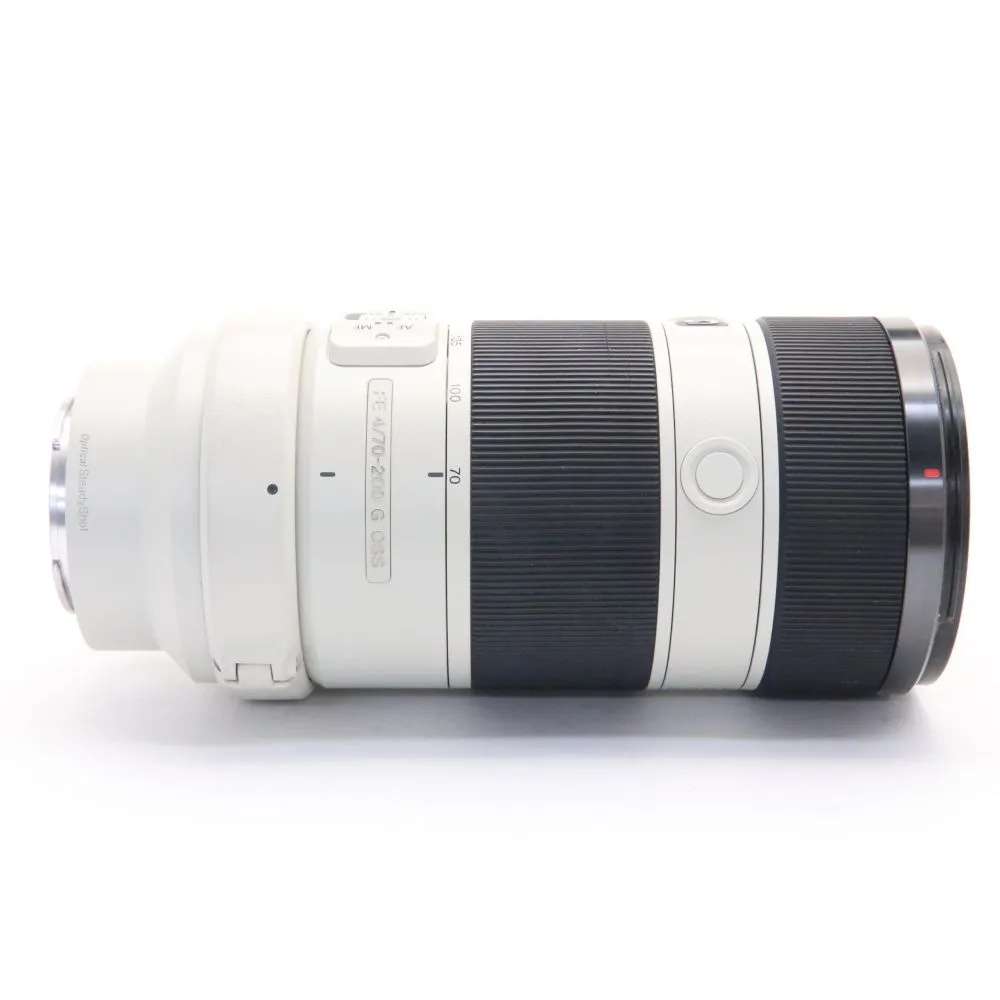
▲ Picture 2: Check whether the lens is peeled off or damaged
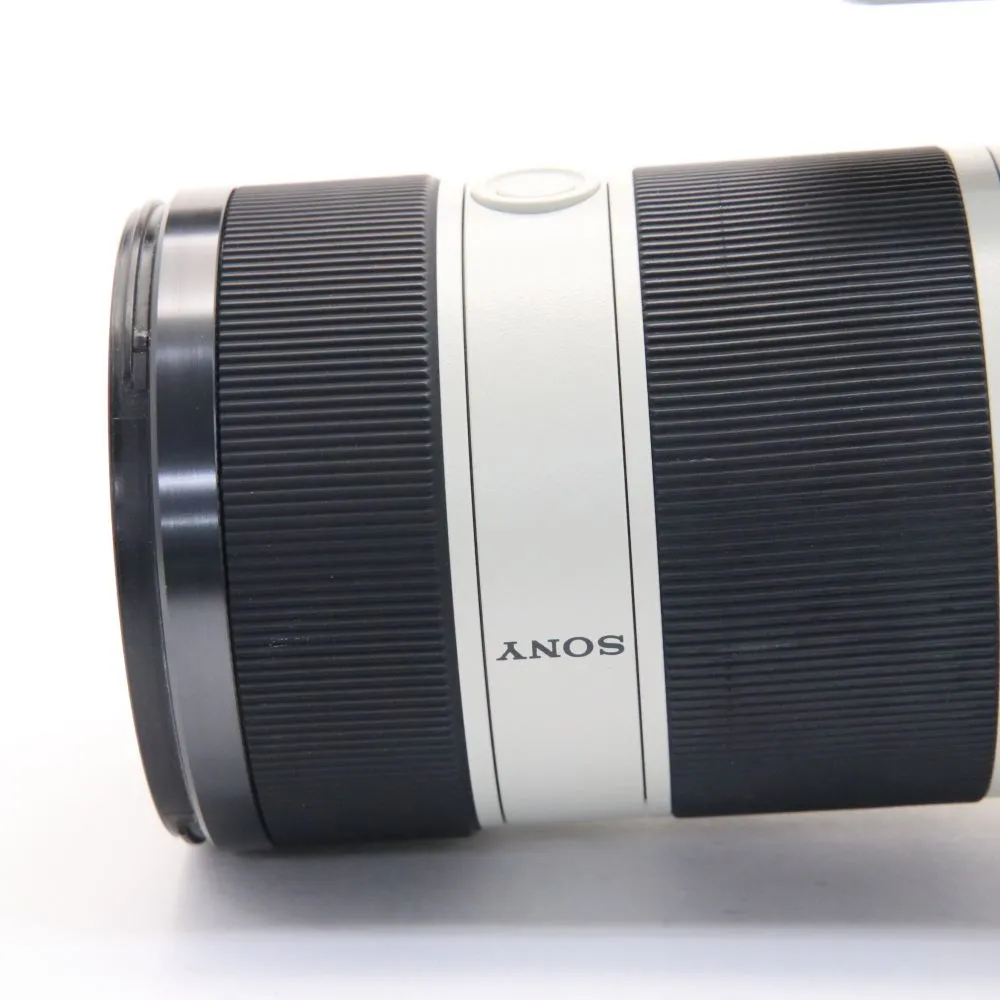
▲ Figure 3: It is normal for second-hand lenses to have lint on their appearance.
The metal adapter at the bottom of the lens also needs to be checked.
If the previous user is a professional player, it is common to change lenses from time to time. Although the metal connector in the picture below has a little scratch, it is not very large and will not affect its function.
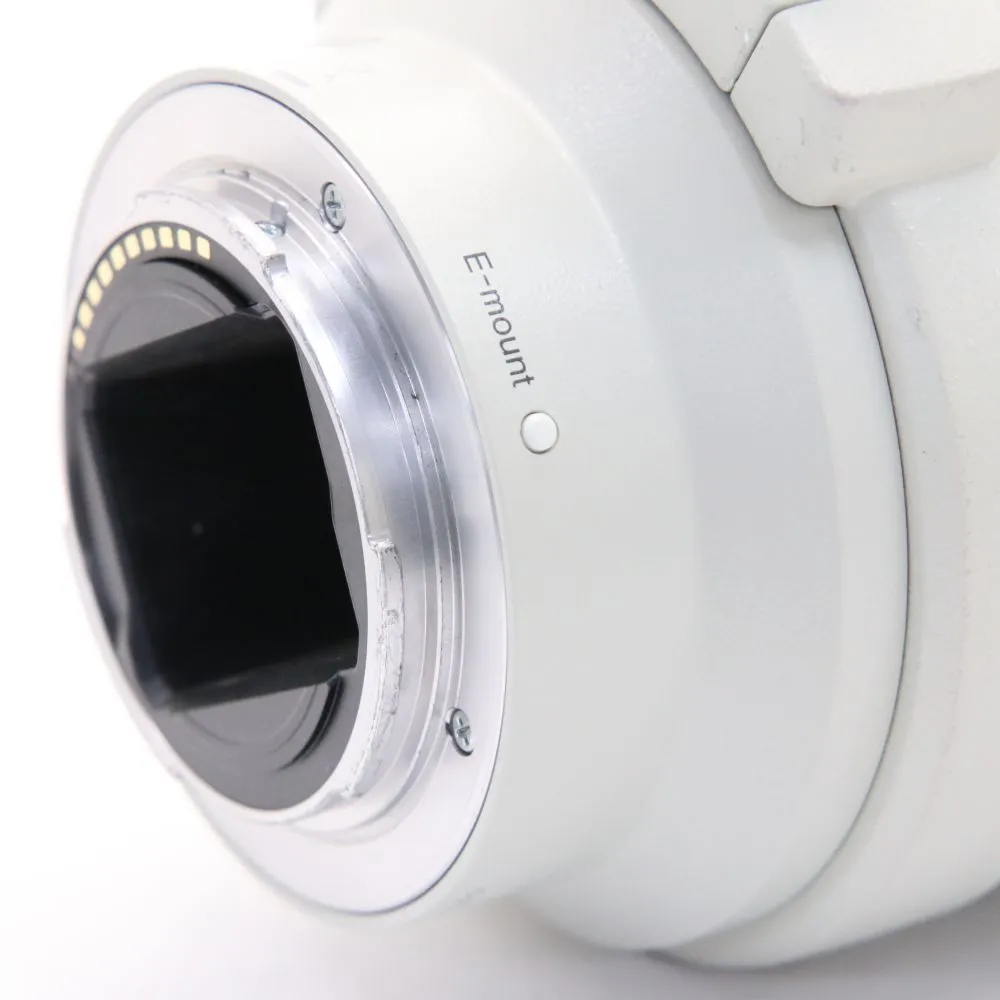
▲ Figure 4: The metal adapter ring of the lens is scratched
There are some screws at the bottom of the lens. Check to see if the screws have been turned. As for how to confirm? The easiest way is to check where the screws are rusty or have paint peeling off. If you use a screwdriver to turn them open, the screws may have loose teeth or paint peeling off inside.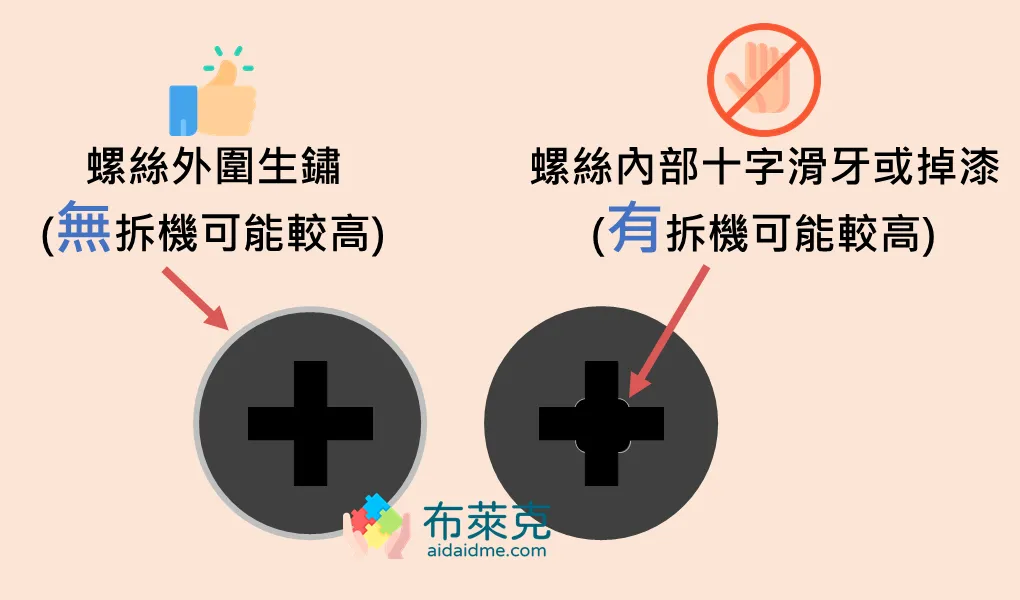
▲ Picture 5: Looking at the paint peeling position of the screws, it can be inferred whether the second-hand lens has been disassembled.
This inspection is mainly to confirm whether the lens has been disassembled. A disassembled lens has probably been sent for repair. In addition, you should pay attention to whether the screws are very flat, otherwise they will scratch the camera body when connected to the body.
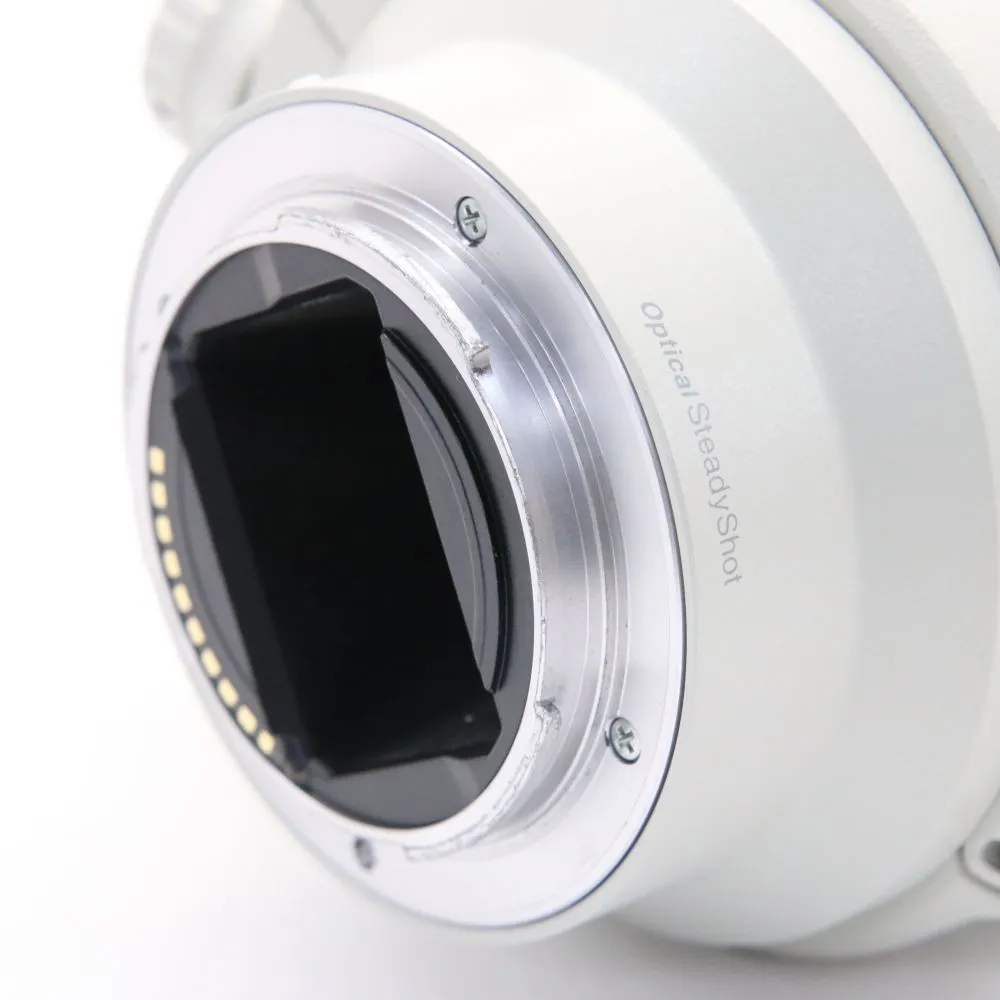
▲ Figure 6: There is no abnormality in the screws at the bottom of the lens
Telephoto lenses should have a tripod ring for connecting to a tripod. You can check to see if there is serious wear and tear. This is also a way to judge whether the lens is used frequently. Please refer to it! For example, the tripod ring in the picture below is not too worn and is of good quality.
Most telephoto lenses come with a tripod ring, but what if a second-hand telephoto lens doesn’t come with one? Considering that it may be sold in the future, it is better not to buy it. If the items are complete, more buyers will be willing to acquire it.
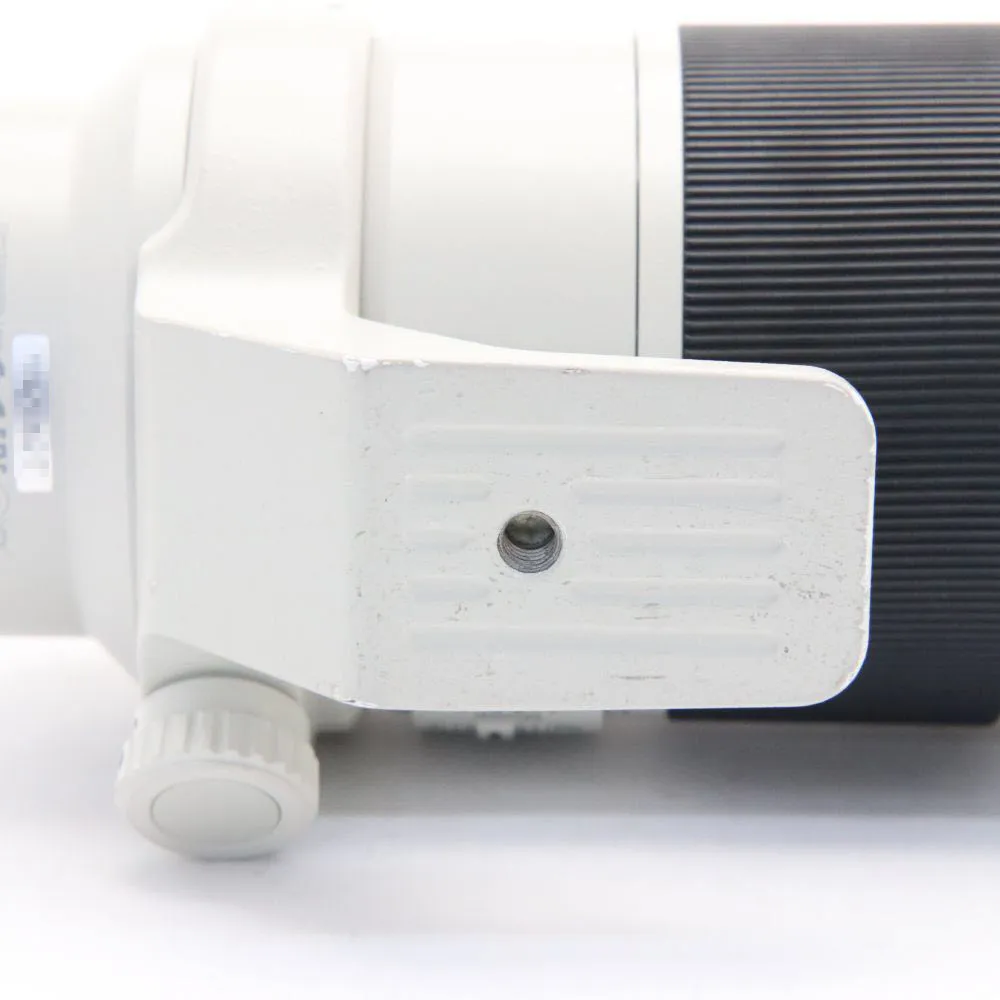
▲ Figure 7: The tripod ring of the lens has no obvious wear.
In order to keep the lens clean, some users choose to put on protective clothing such as protective stickers immediately after purchase. This can not only reduce fingerprints, but also has a good anti-fouling effect. Even if you have to tear it off, there will be no adhesive residue. I highly recommend using it.
Point 2: Check whether there is dust or mold inside the lens
When changing the lens, there will be a moment when the lens and the body are separated. If dust, sand, lint or even rainwater gets inside the lens barrel, it will be very difficult to clean if it sticks inside. Therefore, it is best to replace the lens cap and body cap as soon as possible.
There may also be mold inside the lens. For example, when you turn the lens on a rainy day or at the beach, moisture may enter the inside of the lens. If the wet lens is not well maintained, it will become moldy. This situation will also have a significant impact on lens imaging.
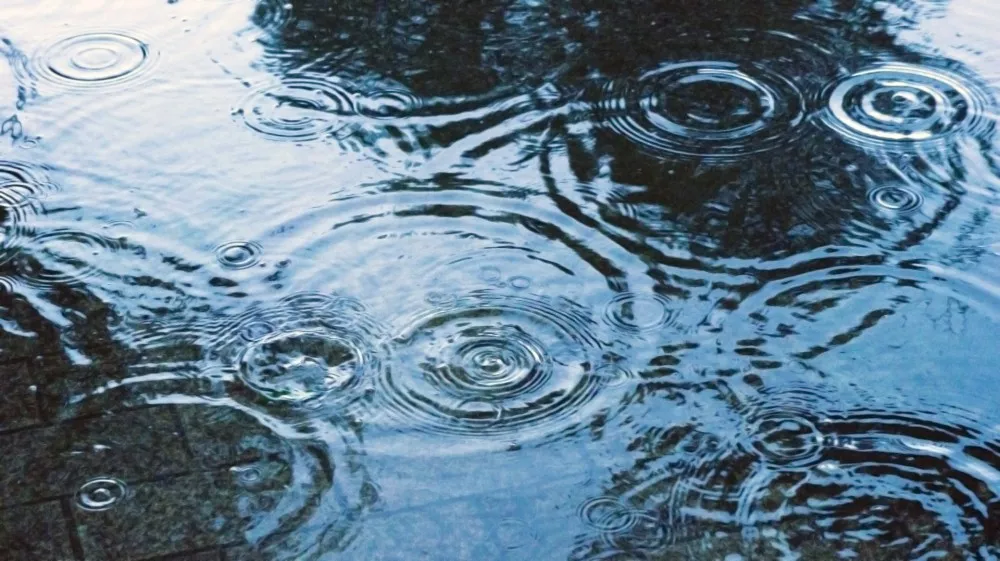
▲ Picture 8: Pay attention to the rainwater flowing into the lens on rainy days/SourcePhoto-ac
However, under normal use, dust may still enter the lens.
If the lens is seriously contaminated with dust, thenWill cause poor imaging effect, a kind of foggy feeling. As for what kind of situation is called “serious” dust intrusion? You can take a look at the picture below. The lens is covered with larger particles.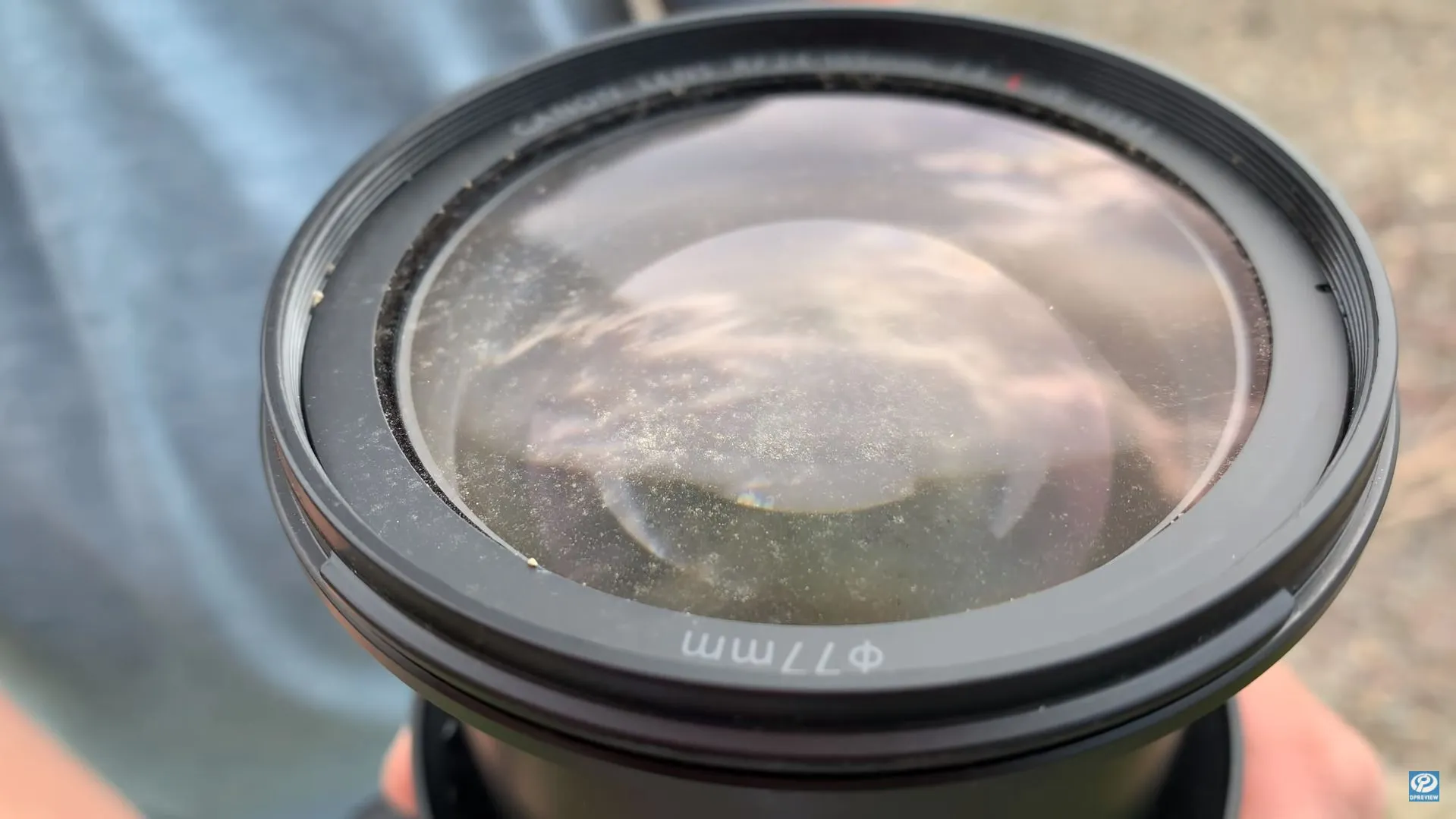
▲ Figure 9: The lens is seriously contaminated with dust/Source DPReview TV YouTube Channel
If you want to check whether there is dust or mold on the front and back of the lens, you can bring a strong flashlight or look at it under a fluorescent lamp. If there is only tiny dust, you don’t need to worry too much. Why do you say that? If you have ever bought a lens, you will find that even a brand new lens may have a little dust, so don’t worry too much.
If there is dust like the picture above, it is recommended to send it to a lens cleaning professional as soon as possible to deal with it!
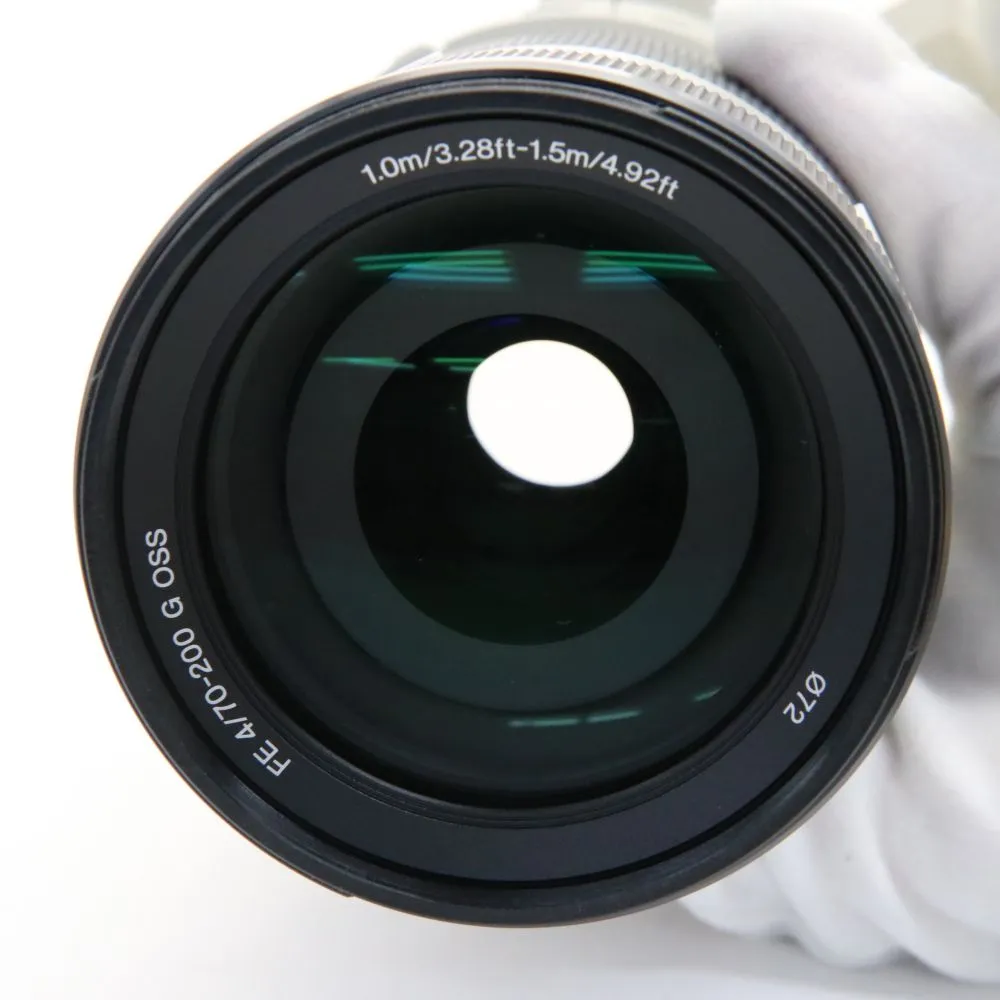
▲ Figure 10: Check whether there is dust on the front jade
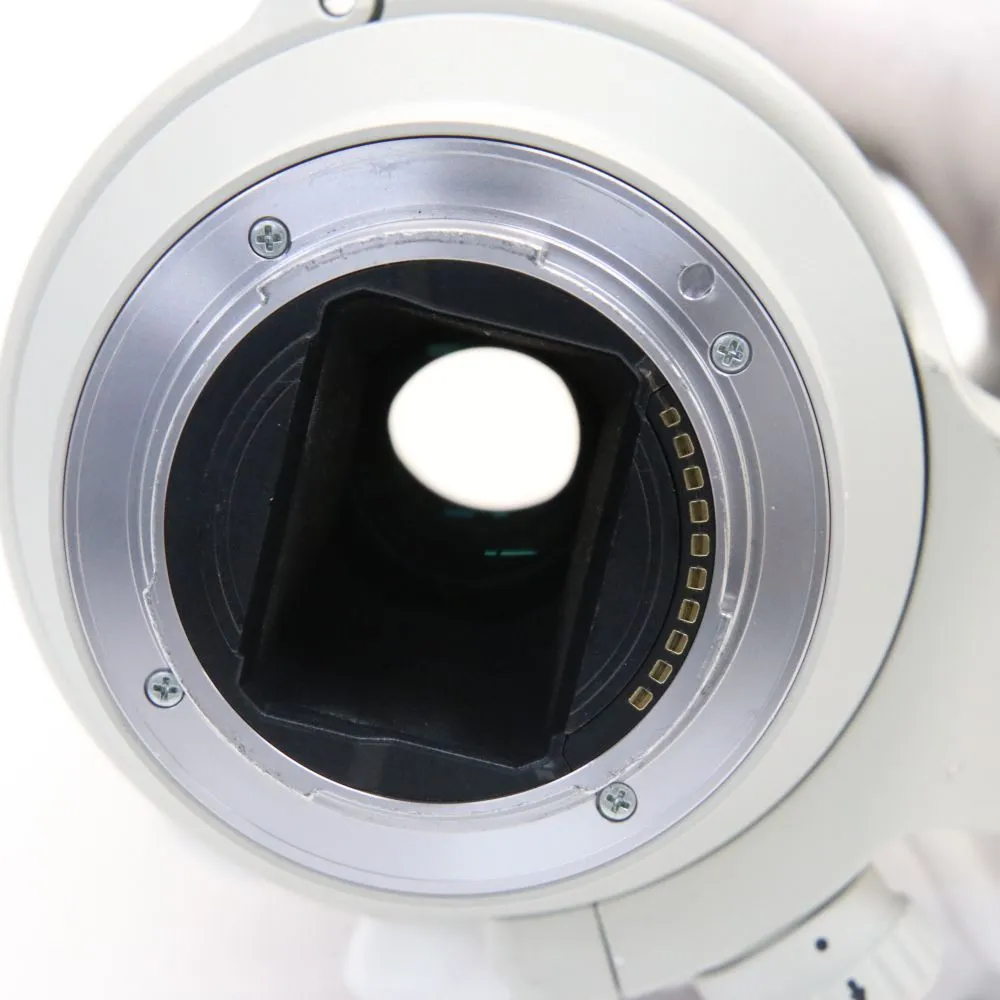
▲ Figure 11: Check whether there is any dust on the jade
Everyone has different acceptance levels of dust. If you really care about it, then find a second-hand lens, or just buy a new one!
Point 3: Warranty, original accessories, and outer box are indispensable
Whether you plan to meet a stranger in person or go to a camera store to buy second-hand goods, there will usually be a warranty document. The seller should proactively provide it, and the buyer should remember to ask for it, so as not to damage his or her rights.
If there is really no warranty, no matter how cheap the price is, I do not recommend buying it! Because this document is the best document that can prove the source of a second-hand lens, it is strongly recommended to purchase a lens with complete documentation.
After getting the guarantee letter, it is not the end of the matter.Make sure the number on the warranty is consistent with the lens serial number. In this way, if you need repairs in the future or have additional problems, you can contact the responsible store, otherwise the manufacturer may not provide repair services!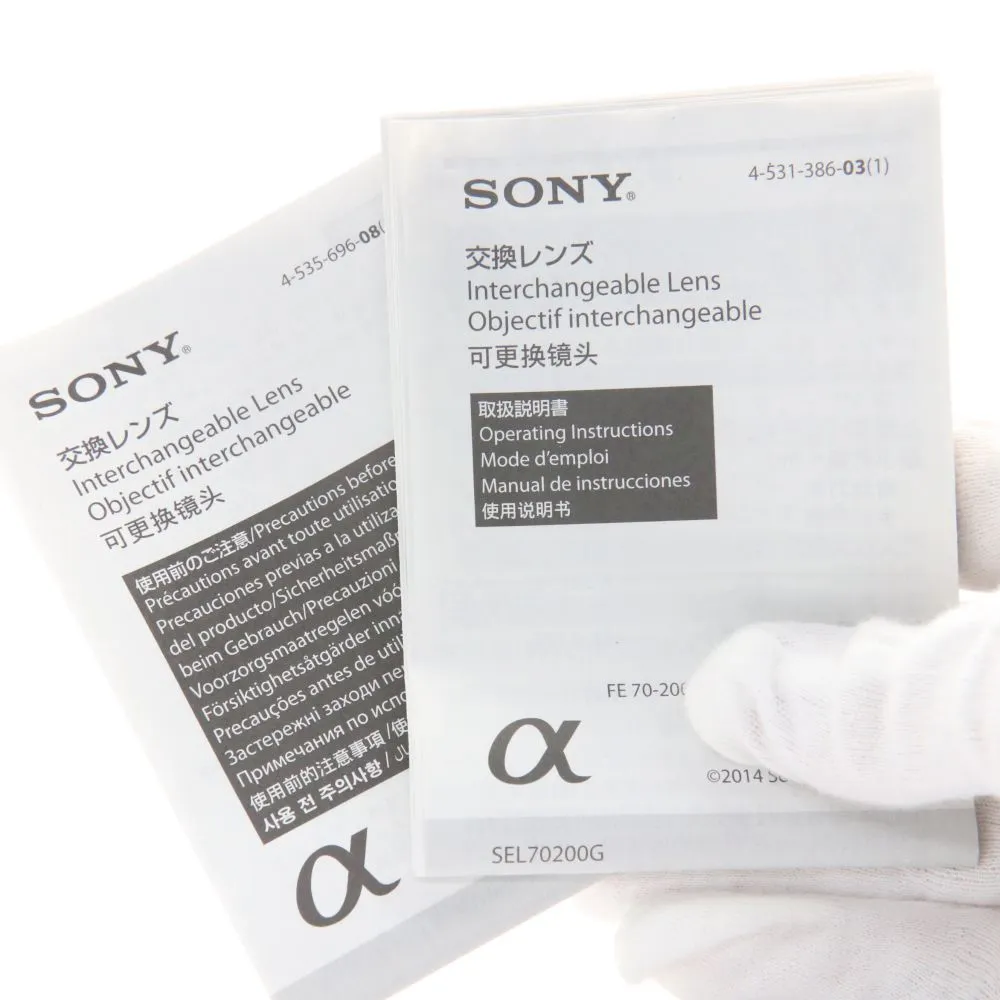
▲ Figure 12: There must be a guarantee! /The picture is a schematic diagram
Second-hand lenses don’t come with as many accessories as cameras. Lens accessories include lens caps, back covers, tripod rings, lens hoods, leather bags and outer boxes. The tripod ring is only available with telephoto lenses, not all lenses!
When you get these accessories, also compare the sizes! In particular, the lens cap and lens hood have their own sizes, so you may not be able to use them if you pick them up incorrectly!
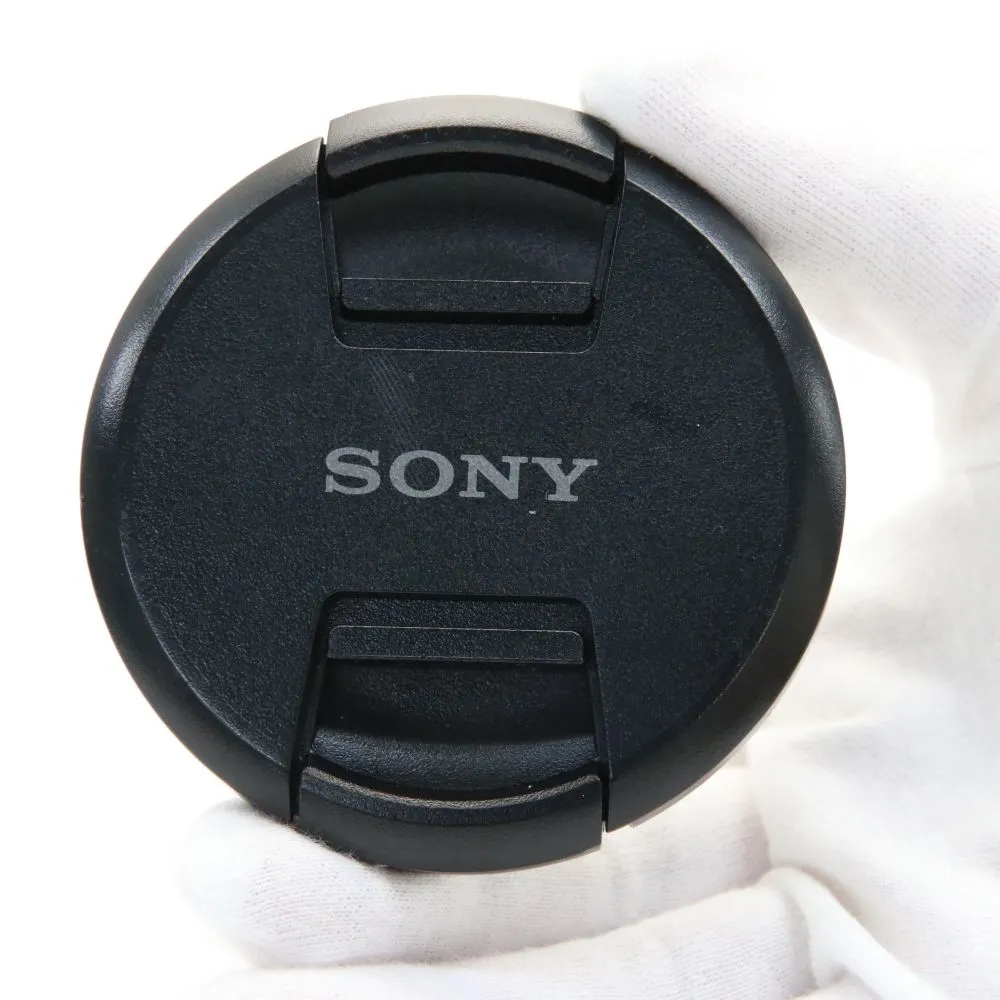
▲ Figure 13: Lens cover
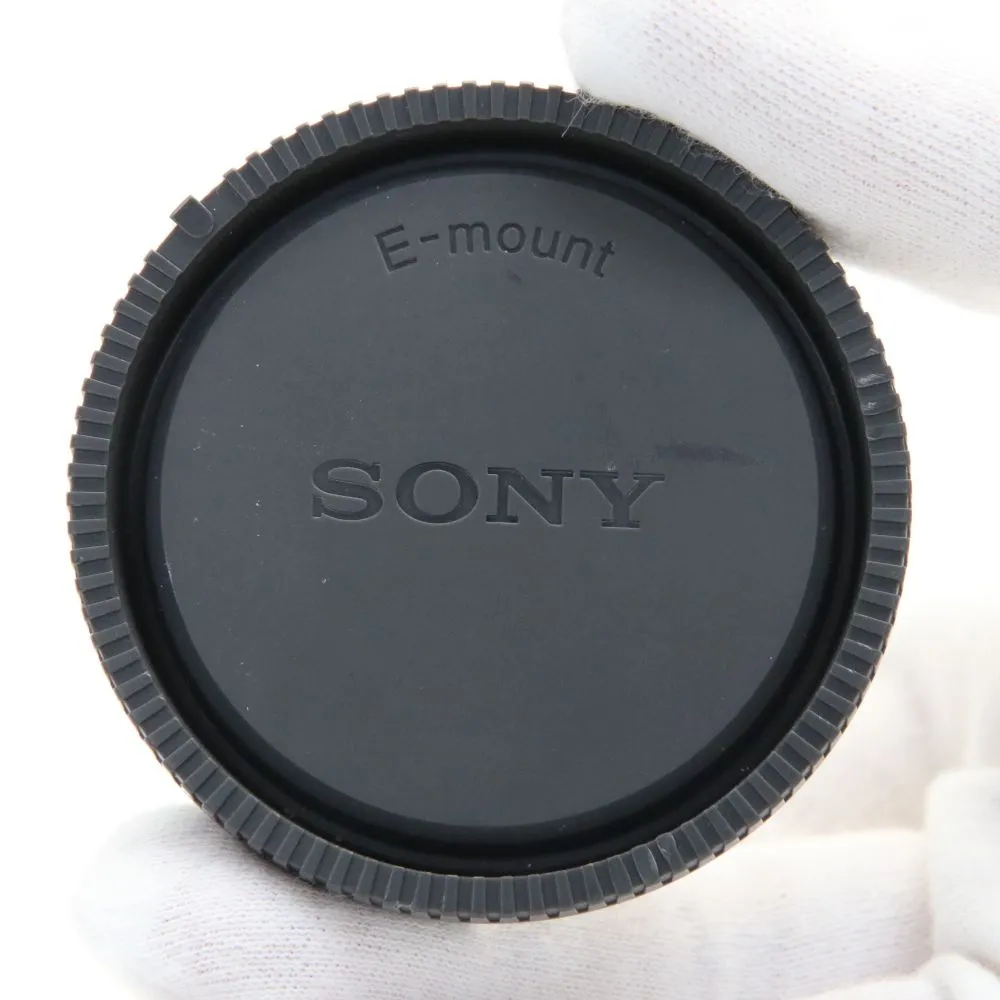
▲ Figure 14: Hou Jade Cover
Some sellers will also sell it with filters, which is reasonable. If the lens is sold, the filter may not be usable. The lens hood is also very important. In addition to blocking the light, it can also protect the lens.
▲ Figure 15: Tripod ring (not available on all lenses)
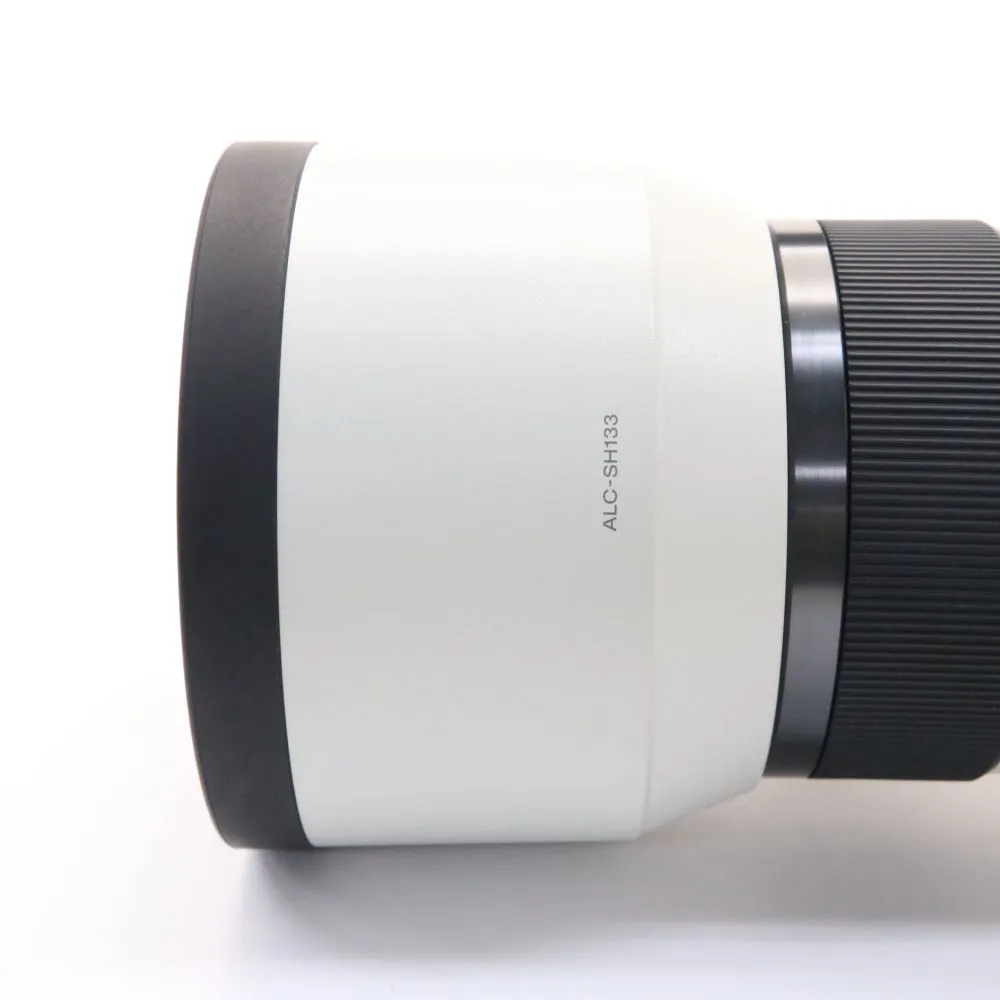
▲ Figure 16: Lens hood
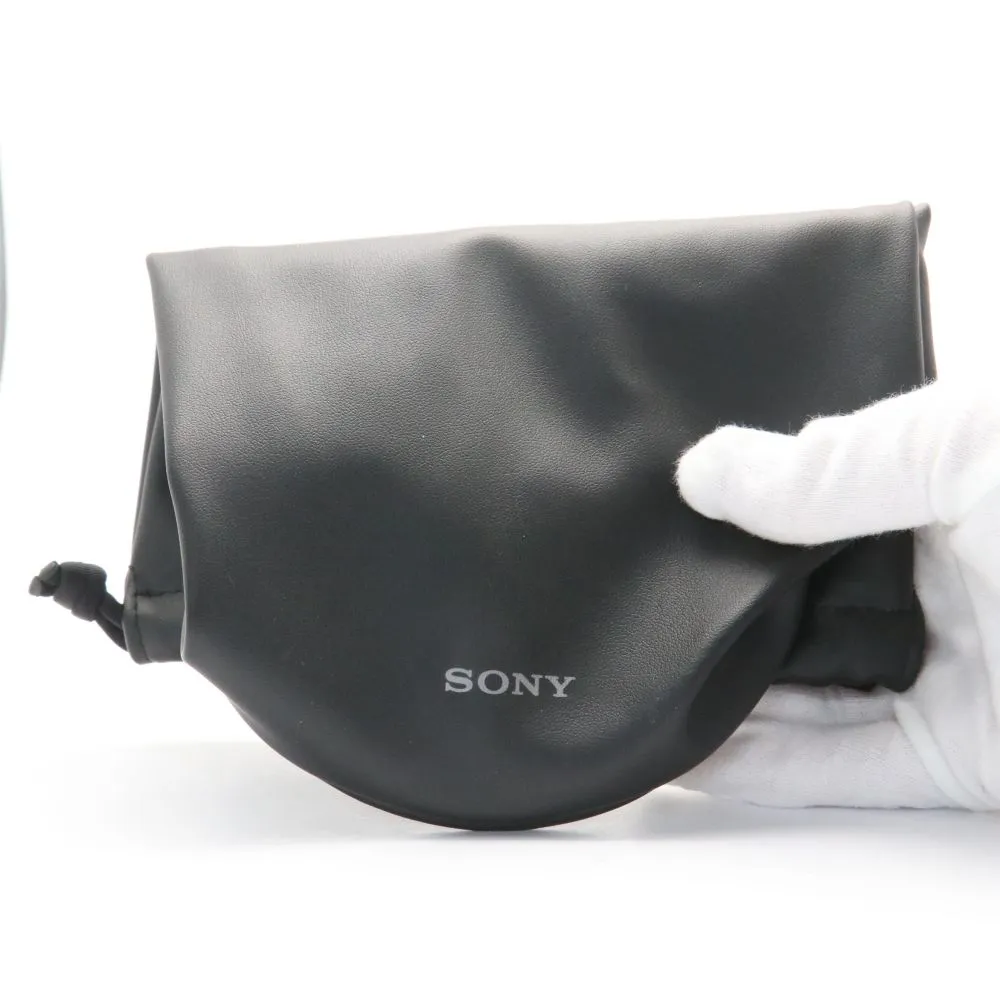
▲ Figure 17: Leather bag
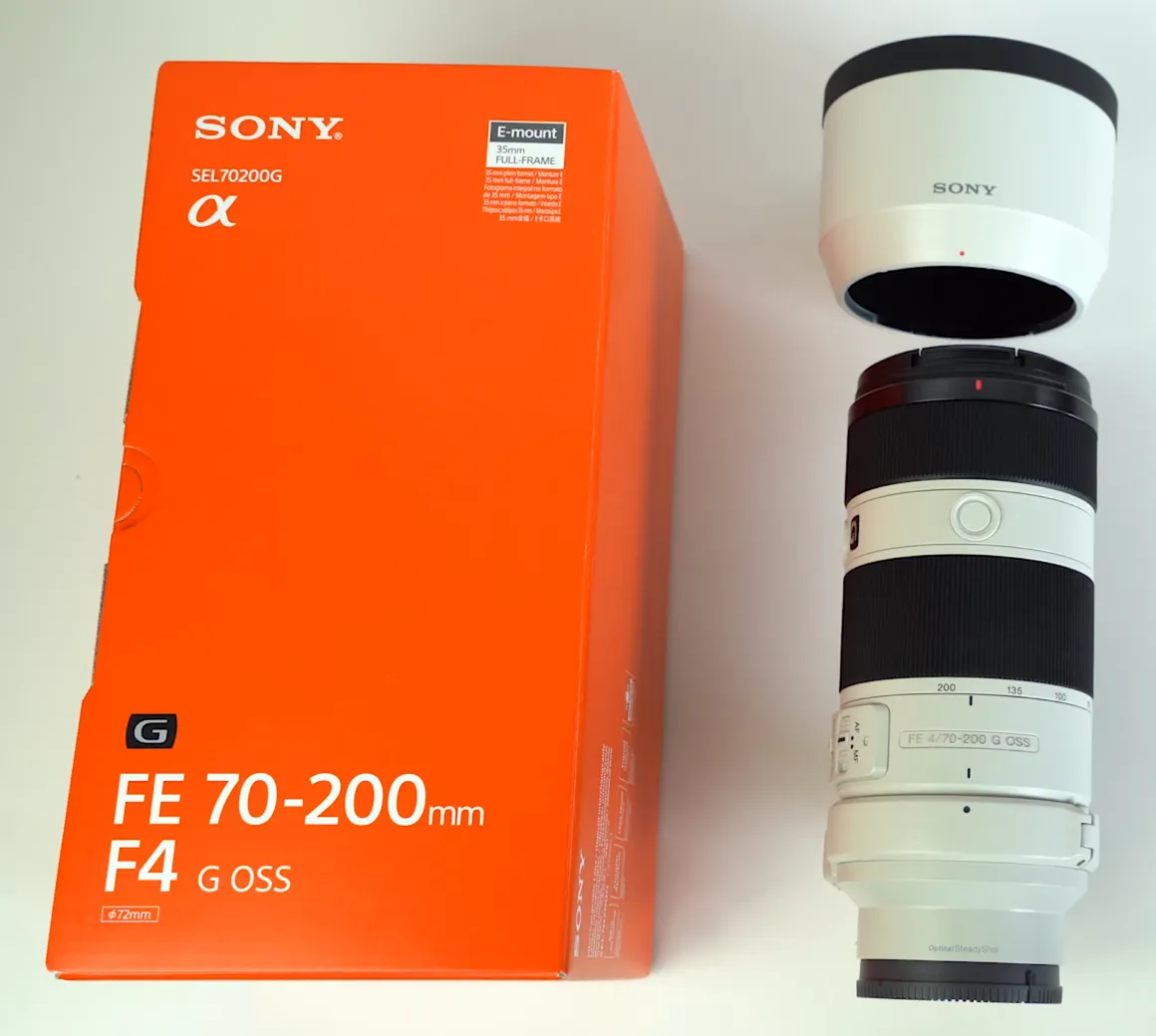
▲ Figure 18: Outer box
In fact, the more accessories you get, the higher the value will be when it comes time to resell them. And if properly maintained, the shelf life of the lens is much longer than that of a single-lens camera.
For example, as introduced in the article SEL70200G It was launched in October 2013. Sony’s official new lens price is now 42,980 yuan, and the price on the second-hand market is generally around 29,000 yuan. A few years have passed, and there is only this difference between new and second-hand lenses. On the other hand, this is not the case with single-lens cameras.
Therefore, the editor strongly recommends that the lens should be stored well and placed in a moisture-proof box when not in use. It is estimated that it will still have a good value when you sell it.
Focus 4: Actual machine operation test
The above inspection items only cover the inside and outside of the lens. Although some lenses can be attached to the body, the focusing speed or some functions may be different from what you imagine. As for the actual situation, you’d better just connect this lens to your own camera and test it out.
Therefore, if you want to buy second-hand lenses, remember to bring your usual camera.
▲ Figure 19: Actual machine operation test/from Pexels
1. Test whether the focus is normal
Assuming you are purchasing a second-hand lens from a store, obtain their consent before testing the lens. When testing your lens, try to find scenes from different distances, such as the pen holder on the store table to the products on the display cabinet. Take a few more photos, and then zoom in to see if the subject is clear.
2. Turn the zoom ring and focus ring
Normally, there will be a little resistance when turning the zoom ring, but it is not extremely difficult to turn. For second-hand lenses, the zoom ring should also become increasingly loose. If the zoom ring becomes tight, it is probably because it has been bumped, so it is better to avoid buying it. Every time the lens performs the focusing process, there will be some mechanical sound, but it will not be very loud. If the sound is not correct, or even has some abnormal sounds, then you should pay more attention.
3. Check whether the physical button is available
Some lenses have many buttons on their appearance, such as focus lock button, autofocus (AF)/manual focus (MF) switch button, focus range limiter function, anti-shake… and so on. These buttons should be used in practice to see if they have any effect.
The above testing process is relatively tedious. Of course, you must be really interested in doing this step again, otherwise it will only increase the store’s troubles. You really need to remember this! !
FAQ
Where to buy second-hand lenses?
If you want to buy second-hand lenses, your choices are not limited to domestic ones.
For example, the photography industry in Japan developed early. There are many old stores in the area that have been around for more than 50 years. They have a large number of second-hand cameras and lenses to choose from. The stores often help everyone classify them into grades, and the prices are open and transparent.
The editor has gone to Japan to buy second-hand lenses before, and I will be sorting out second-hand camera stores across Japan in the near future. It will definitely be fun to shop!
If you are in Taiwan, the editor recommends that you look for well-established brick-and-mortar stores that have good reviews and have been operating for a long time, so you don’t have to worry about the store running away. There is a lot of information on the Internet, and it is not difficult to find, so everyone just Google it.
Can second-hand lenses be delivered at home?
Must meet face to face.
This question is easy to ask when you are new to second-hand equipment. To be honest, I have thought about it before. I feel that others have explained it very clearly, so why do I need to meet face to face? Later I found out that this idea was completely wrong. Don’t easily believe the seller’s written description.
You may have seen that there are so many aspects to check in the previous article and feel troublesome. In fact, you can avoid trouble by submitting them.
No matter what the store says on its online website: “90% new”, “use less permanent moisture-proof box” or “new and unopened”… as a buyer, you should go to the site to see it in person. Maybe they just have bright lights and can’t see the stains. “90% new” is not just used once…etc. Avoid word games by actually looking at the condition of the lens.
Moreover, the lens is a precision optical product. Even if the seller uses protective materials to send it, it may be dropped during transportation. It used to be usable normally when the store tested it, but now it seems abnormal when the buyer gets it. This kind of dispute is very common.
Some information products (such as Switch game videos) may not require a face-to-face meeting, but expensive equipment such as lenses need to be tested. If you have any questions, you can ask them in person. At the end of the article, I will also share a few must-ask questions.
If you encounter a seller who is unwilling to cooperate with face-to-face meetings, don’t skip this step even if it’s very cheap. If you encounter this kind of seller, don’t bother with it.
In summary, whether you are buying a camera or a lens, as long as it is not brand new, don’t skip the hassle of face-to-face meetings. Follow the article to check the lenses step by step and you should be able to find the lens you like.
Do I have to buy it during the face-to-face meeting?
This problem is told to me from the data in my background. The conclusion is that many people don’t buy after face-to-face meetings.
The seller is of course obliged to clearly state the condition of the equipment on the auction platform, for example:
- When should I buy the lens? When does the warranty last?
- Has the lens been repaired?
- Reason for auctioning it off?
- What does the accessory include?
Basically, these are written clearly enough. During the interview, it is just a matter of reconfirming whether the seller’s description is true, and then it is just a matter of handing over the money and delivering the goods. A few sellers do not want to type too many words in their descriptions, or the platform pictures are not clear, so buyers can only ask multiple times.
If the seller has a high reputation and acts like he has already come out for a face-to-face meeting and wants to close the deal, it is inevitable that the buyer will be under pressure! If you are worried about what will happen if you don’t buy in person, it is recommended to bring some friends.
To avoid these situations from happening, it is better to go to a reputable store or go to Japan to buy lenses.
Is it okay to buy second-hand lenses?
This question is a matter of opinion.
Lenses are relatively difficult photography equipment to break.
The advantages of buying second-hand lenses are:
- Just want to save money
- avoid risks
The price is about 70% to 80% off the price of brand new products. It will be more cost-effective if the seller sells the filter and Iron Man film to you together. In addition, if you buy the wrong old lens and it does not meet the actual needs, it will not be so painful to resell it and the loss will be less.
The disadvantage of buying a lens that has been used by others is that you have to do a lot of homework. You need to know what the characteristics of the current lens are, whether it is originally designed this way, or whether it is malfunctioning. The chance of buying a faulty product is relatively small, especially if you buy it from a photography store. It is safer to try it before buying.
What questions should I ask during the interview?
From looking for second-hand information to being willing to meet face-to-face, we have a concept, but what questions should we ask now? The editor has compiled a few must-ask questions here for your reference!
1. Is it a company product or a parallel import?
Both of these products are originally original products, but the origin and import method are different. Therefore, it is not clear from the appearance whether they are company products or parallel imports. The answer to this question is related to the cost of repairs, so be sure to ask clearly.
For repairs, there are usually inspection and repair fees. The purpose of inspection is to cross-test parts to find problems and incur inspection fees. After inspection, the relevant technicians can replace the parts and charge maintenance fees.
Generally speaking, if the company’s products are abnormal, no testing fees will be charged. Company-made products under warranty can be sent for free repair. Even if they are out of warranty, you can just decide whether to repair based on the quotation. But parallel imports are different. Products that need to be repaired will need to be charged for testing, so that they can know which part is broken. If they really need to be repaired, they will have to pay for the repair costs.
If you want to know more about the differences between company products and parallel imports, the editor recommends reading the following article, which is written very carefully.
2. Is there a guarantee letter?
The concept of a warranty is like an “identity document” for a product. It can prove that the source of the product is legal. Why does it have anything to do with “legality”? Because generally the warranty will only be placed in the original outer box. If the lens is really stolen, you will not get the warranty. For example, if it is discarded after personal use, there will definitely be a warranty.
Lenses are not cheap equipment. It is really not recommended to buy a lens without a warranty. It is not sure whether it is stolen or whether it will be involved in a lawsuit.
3. Are there maintenance records?
Lenses are not easy to break. The most common situation that requires repair is probably when there are stains inside the lens. If it is this type of repair case, it should be able to be used normally after being sent for repair.
But if the other party says that “the lens cannot focus automatically”, “an error message appears after pressing the shutter button”… etc., then it is considered a big deal, and it may happen again in the future. Moreover, the lens and the camera body need to match each other. The other party’s body may be fine, but it may not be the case with your camera body.
This part depends on your acceptance. There is no standard answer.
Conclusion
Second-hand products will have normal signs of use, so the paint on the lens may peel off and there may be some wear and tear. Do not be too strict with second-hand products. This part depends on your acceptance.
Regarding the testing part mentioned in the article, please consider it carefully. If you really want to purchase more precise testing, it will not be a good idea to cause trouble to the store.
Although the editor only has one second-hand lens, I spent a lot of time researching the details that I should pay attention to just to buy this second-hand lens. Therefore, I have accumulated a little experience and wanted to write an article to share it. I hope everyone can buy second-hand lenses that are of high quality and low price!
If you like the above article, welcomeSubscribe to newsletter, and you will receive photography-related teaching articles!
by Engineer Blake
Source: KOCPC Chinese