


With the rise of generative AI, a new research paper now explores the technical feasibility of using AI to analyze facial images to predict academic and work performance, as well as the ethical and discrimination issues it could create for future job hunting. Continue reading: Study says AI can predict academic and work achievement from facial features—an AI-powered psychic showdown on the verge of erupting? Inside the report.
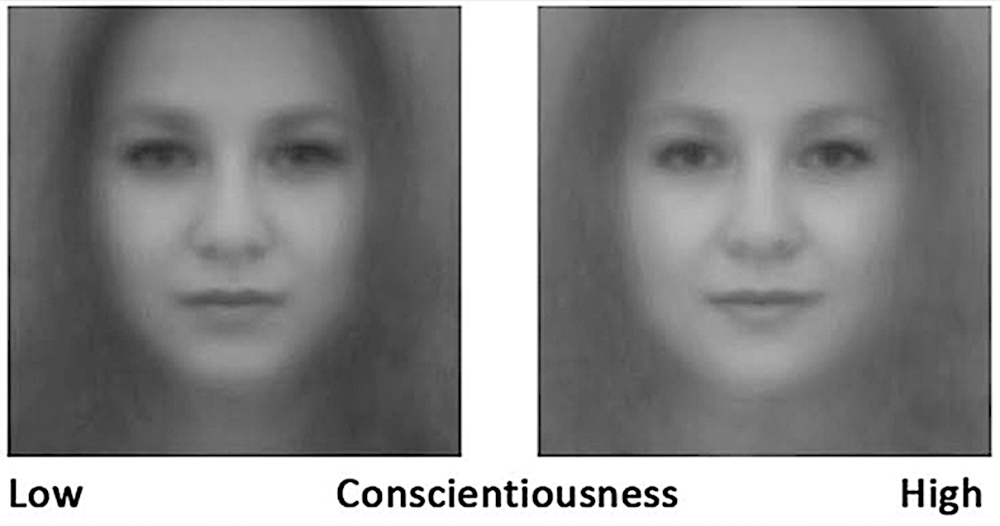
▲Image source: SSRN
Research indicates AI can predict academic and career success from facial features — is an AI psychic showdown on the horizon?
Regarding the practice of judging a person’s character or even future success based on facial appearance, we have long had a saying here: “Never judge a person by their looks.” At the same time, however, there are also practices such as face reading or physiognomy, which are generally seen as a method of analyzing people that leans toward non-strict science and traditional teachings.
Now, with the rise of generative AI, a research paper has explored the technical feasibility of using AI to analyze facial images to predict academic and work performance, as well as the ethical and discrimination concerns it could raise for future job applications.
This “Photo Big 5” project, conducted by researchers from multiple academic institutions including Yale University, the University of Pennsylvania, Reichman University, and Indiana University, combines computer vision and NLP (natural language processing) AI technologies. It is based on analyzing facial images of as many as 96,000 individuals from LinkedIn and graduates of several top U.S. MBA programs.
Using the so-called Big Five Personality Traits, which can be used to describe and classify human personality, comparisons were made to determine whether AI’s predictions of personality based on facial features correlate with data from previous actual personality trait measurements.

Results? At the very least, the validation conducted in the paper indicates that this technology demonstrates strong predictive value – including research on the potential effects of different facial expressions from the same person. It still shows stability in judgment.
It even derived predictions of school ranking, salary, qualifications, industry choice, career changes, and career growth based on personality—in other words, the measures commonly used to judge success. This may be even more informative than the GPA, standardized test scores, and education level data that HR typically considers in recruitment.
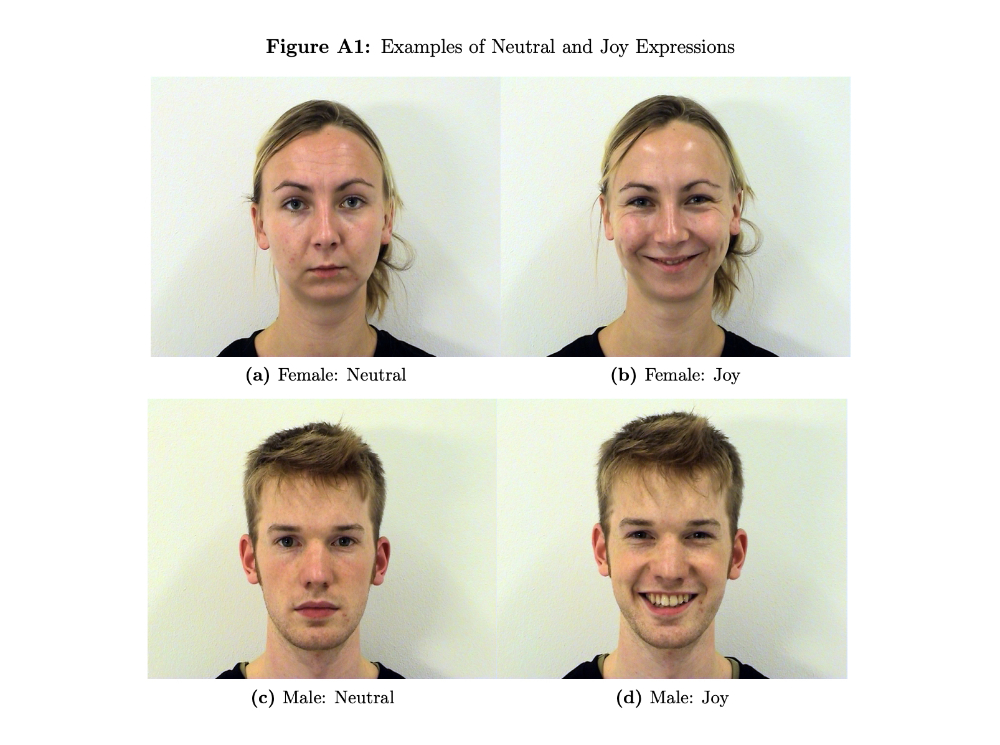
▲Image source: SSRN
This paper not only explores the technical feasibility of using AI for facial analysis to assess traits such as personality, but also addresses the potential discrimination and ethical issues that may arise at this stage from using such technology as a reference for admissions or job applications — namely, the aspect of “judging people by their looks.”
As for Yale School of Management finance professor Kelly Shue’s statement in the paper, she believes this research may encourage such use, and therefore, when writing the report, they considered themselves very cautious and did not advocate the use of this technology. Foreign media COMPUTER WORLD also mentioned in its report that similar technology used to predict political leanings has been the subject of prior research.
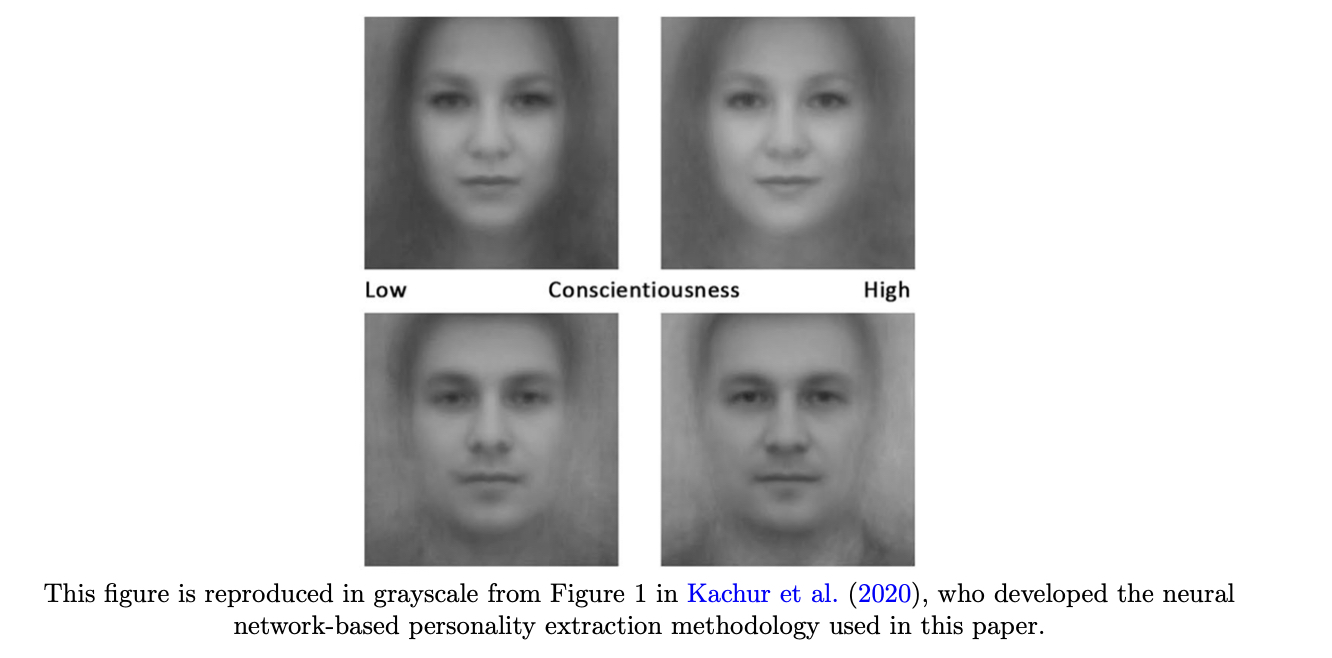
▲Image source: SSRN
Seeing this, people might think the research is basically just patting itself on the back, but without wanting to take responsibility for the potential impacts it could have.
But admittedly, many would not deny that a person’s personality traits—including whether they are responsible, patient, or easy to get along with—do have a considerable relationship with the likelihood of success; otherwise, there wouldn’t be tests like the Big Five personality traits.
But if technologies that could measure such traits through facial features, or even combined with additional information, were to be further validated down the line, it must be said that this direction would very likely indeed bring about dramatic changes to the principles and practices of the hiring market. In essence, this could also be seen as another development in AI’s continued transformation of the world – though it’s hard to say whether this is good or bad, it will certainly bring about change.
However, I’m personally quite curious: if this technology were to go head-to-head with a face-reading master, what would the outcome be?Let’s cut to Joeman in the studio (big mistake).
Citation source:SSRN|Via:COMPUTER WORLD|
Further reading:

Source: KOCPC Chinese