


Apple has recently adjusted its App Store review guidelines again, adding and strengthening a number of terms, targeting apps that are deemed to “lack substantial value to the App Store.” This update continues Apple’s direction of rectifying platform quality in the past year, which is particularly critical in the context of the popularity of AI development tools and the rapid increase in the number of application submissions.
Apple adjusts review guidelines to crack down on apps that have no value to App Store
In a recent WWDC keynote speech, CEO Tim Cook specifically mentioned that developers are creating new applications at an unprecedented speed, with more than 1,000 applications submitted to the App Store every hour. These remarks are intended to emphasize the vitality and scale of the App Store, and also reflect the other side of the lowering of development barriers: the influx of a large number of new apps with uneven quality.
AI tools do allow more people to quickly transform ideas into products, but they also make it easier than ever to “mass produce low-cost, low-quality apps.” To avoid flooding the App Store with apps that are repetitive, perfunctory, or lack value,Apple in NovemberThe review guidelines have been updated to include new specifications for “copycat applications”.
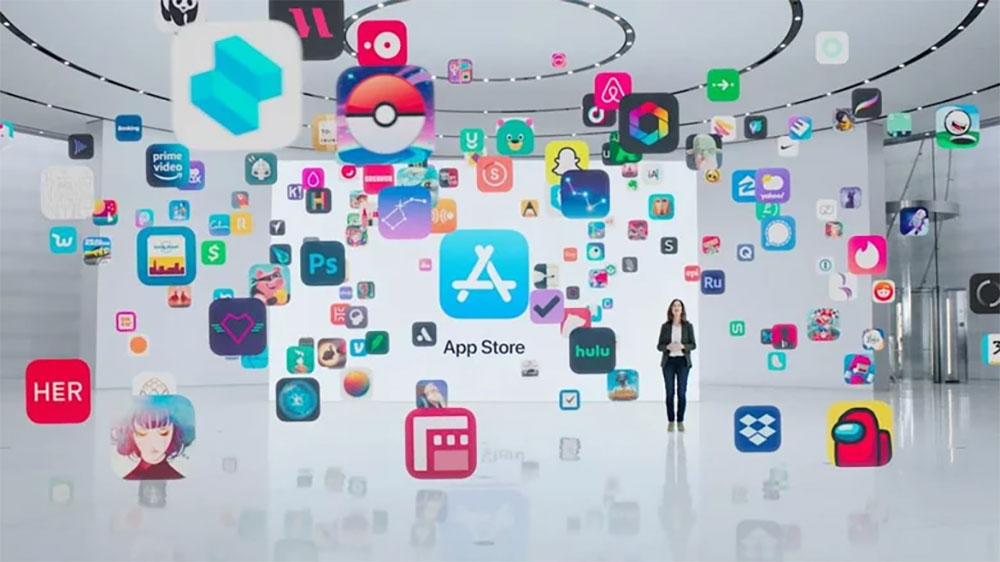
Earlier this year, “The Information” reported that the number of new apps in the App Store surged by 84%, which was speculated to have put pressure on the review team. However, Apple denies review delays and provides data to refute it. In the past 12 weeks, the review team has processed more than 200,000 submissions per week, and 90% of apps can be reviewed within 48 hours, with the average review time being 1.5 days. Apple also emphasized that although each app requires manual review, the company has gradually introduced more AI tools to assist the process.
Still, Apple has chosen to tighten the specifications even further. according to MacRumors It pointed out that Apple has updated section 4.3(b) of the review guidelines to clearly impose stricter restrictions on apps that are “mediocre, low-quality, or perfunctory.” The updated provisions state that developers are not allowed to submit apps that are exactly the same as existing apps, nor are they allowed to opportunistically create variations of popular apps or mass-copy apps of the same type. Apple believes that such behavior will reduce the overall quality of the App Store, harm the user experience, and is not conducive to developers who really invest their efforts.
Apple also named several highly saturated app categories, such as dating, flashlights, sound effects, wallpapers, simple timers, and fortune-telling apps. If the new app cannot provide a significantly different or better user experience, it will not pass the review. As for apps that are of low quality and lack substantial functions, such as drinking games, sex position tutorials, fart or burping sound effects, etc., Apple directly determines that they cannot add value to the App Store. If developers continue to submit such apps, they may even be revoked from Apple developer qualifications.
In addition to regulations targeting duplicate and low-quality apps, this update also adjusts other provisions. For example, Guideline 1.2 adds more requirements for user-generated content (UGC) applications to ensure that platforms can effectively manage content moderation, abuse and security issues. In addition, new language has been added to Guideline 4.5.3 to prohibit developers from using Live Activities to send spam, phishing, or unsolicited notifications.
Overall, this update reflects Apple’s clear attitude towards the App Store ecosystem: while AI makes development easier, the platform must maintain quality thresholds more strictly to prevent the App Store from being diluted by a large amount of duplicate, low-value content. For developers, this means that strategies of “quick copying” or “mass production of template apps” will become increasingly difficult to pass review; for users and the overall ecosystem, it is expected to lead to a cleaner and more valuable App Store environment.
Source: KOCPC Chinese