


The “memory crisis” sparked by the continued growth of AI companies is still raging across the globe, and many industry experts believe consumers will unlikely see memory components and other parts return to their original prices anytime soon. However, the three major memory chip manufacturers—Samsung, SK Hynix, and Micron—are now facing a class action lawsuit over allegations of price manipulation and market monopoly.
On June 25, 16 individuals and several small computer companies, represented by plaintiff Marc Garciaguirre, formally filed this lawsuit in the U.S. District Court for the Northern District of California, with the litigation firm “Bathaee Dunne LLP,” specializing in tech industry cases, handling the representation. The court ultimately named this case “Garciaguirre et al. v. Samsung Electronics Co. Ltd. et al.”
In this indictment, the legal team for Garciaguirre alleges that Samsung, SK Hynix, and Micron — the three DRAM oligopolists — allegedly coordinated to reduce their production capacity and shift resources toward producing High Bandwidth Memory (HBM) for AI companies. They also exited the DDR3 and DDR4 markets, employing various methods to reduce or block the supply chain of conventional DRAM while simultaneously raising their product prices significantly and rapidly.
The lawsuit states that Samsung, SK Hynix, and Micron continue to curtail supply of conventional DRAM while simultaneously and prominently shifting resources toward HBM, which has lower average profitability, and that in some cases they even directly abandon conventional DRAM supply channels.
According to Garciaguirre, in a market where prices are rising rapidly, typical companies would usually seize the opportunity to expand production capacity to capture market share and compete with other industry rivals. However, Samsung, SK Hynix, and Micron all seemed to have coordinated, simultaneously exiting parts of the conventional DRAM market, causing supply to drop sharply in a very short period and prices to surge instantly.
Given the massive resources and technical barriers required to establish DRAM production lines, other competitors would also find it difficult to fill the gap in a short period of time. Therefore, Garciaaguirre alleged in the lawsuit that Samsung, SK Hynix, and Micron, under this unwritten market protection mechanism, jointly made business decisions that favored their own interests.
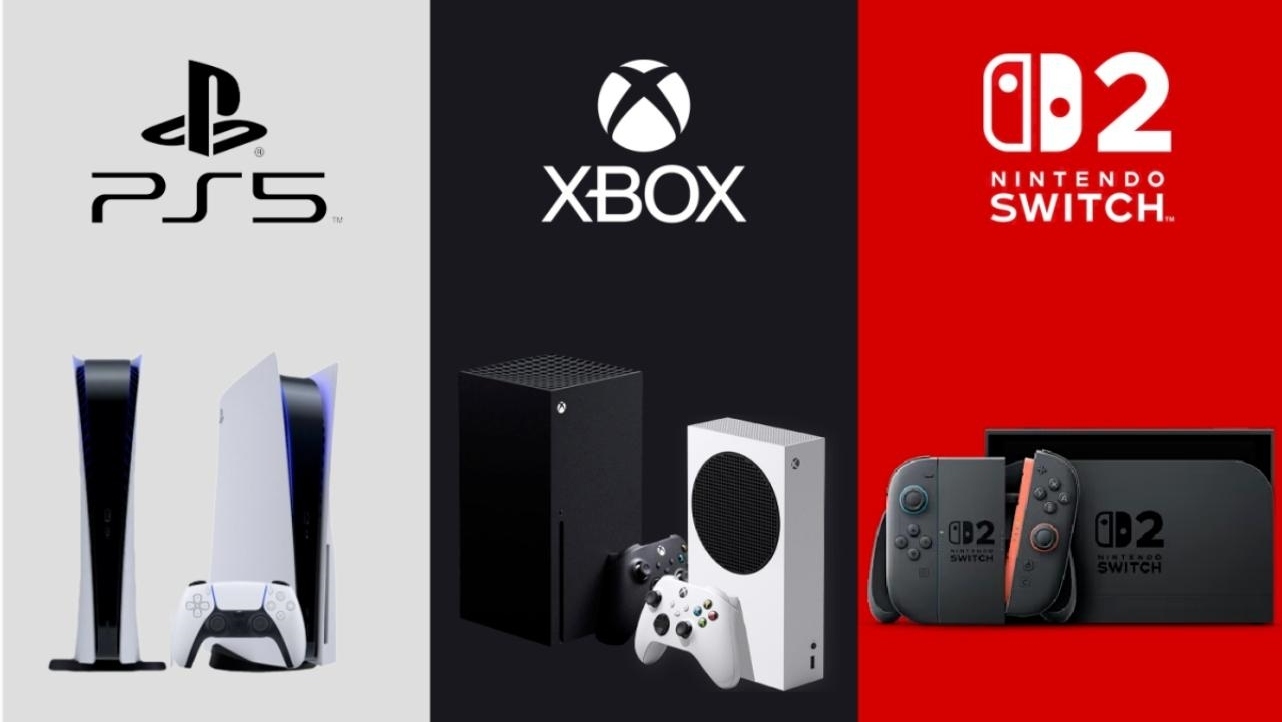
As things stand, this “memory crisis” has severely impacted the prices of gaming consoles and other electronic products, leading Sony, Microsoft, and Nintendo to successively raise the prices of their respective consoles—the PS5, Xbox Series X|S, and Nintendo Switch 2. Even Valve’s newly unveiled Steam Machine has exceeded the $1,000 price point as a result.
However, following past precedent, such “class action lawsuits” typically end in settlements, so this may not have a significant impact on current market volatility. Moreover, tech giant Lenovo also stated last week that since AI is still steadily developing, memory prices are unlikely to fall back to previous lows.
Source: KOCPC Chinese