


Google recently announced changes to its free version of Gemini, and those changes have now officially begun rolling out. For many free users, the most noticeable change is the disappearance of the model selector. Previously, users could manually choose different models such as Flash and Pro based on their needs; now this feature has been replaced by an “Auto” mode, with model selection officially handed over to Google.
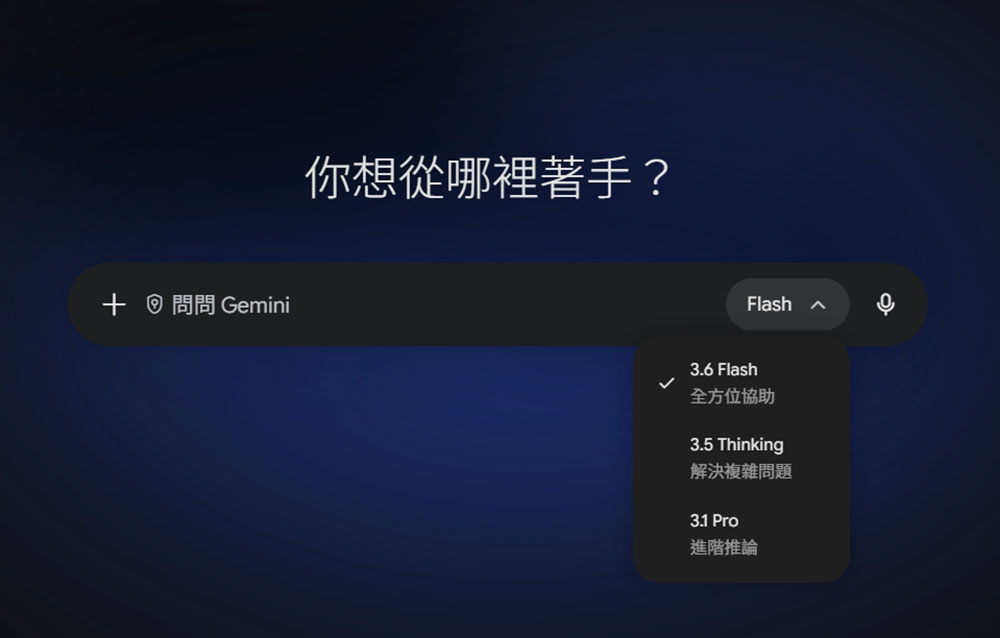
The free version of Gemini now forces users to use automatic model selection.
Under the new operating mechanism, Gemini will use automatic mode to determine which model is suitable for handling each task. General everyday questions will mostly be handled by Flash-Lite to balance response speed and computing cost; if the system determines that the user has asked a more complex question requiring deep reasoning or analysis, it may automatically switch to a Flash or Pro-tier model. However, this seemingly intelligent design also brings an important change: free users can no longer specify the use of a higher-tier model themselves.
In other words, if free-tier users want more powerful reasoning capabilities or more precise responses, they can now only rely on Gemini’s automatic judgment and can no longer actively switch to a specific model as they could in the past. If the smart model selection feature is turned off, the system will uniformly revert to operating in Flash-Lite mode, so in terms of model control, the freedom users have has actually been reduced considerably compared with the past.
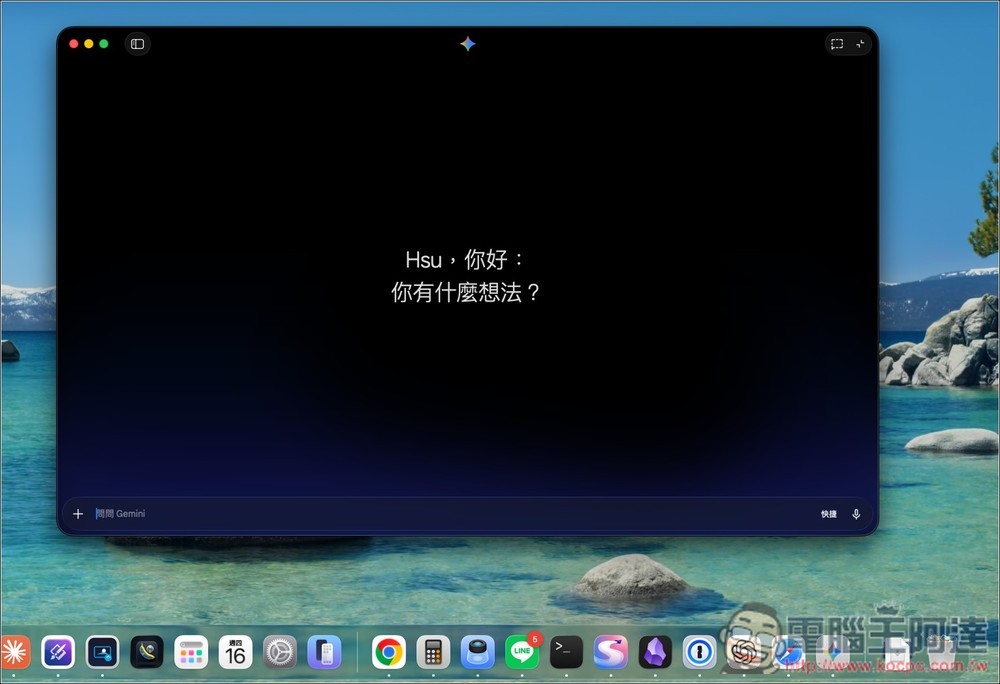
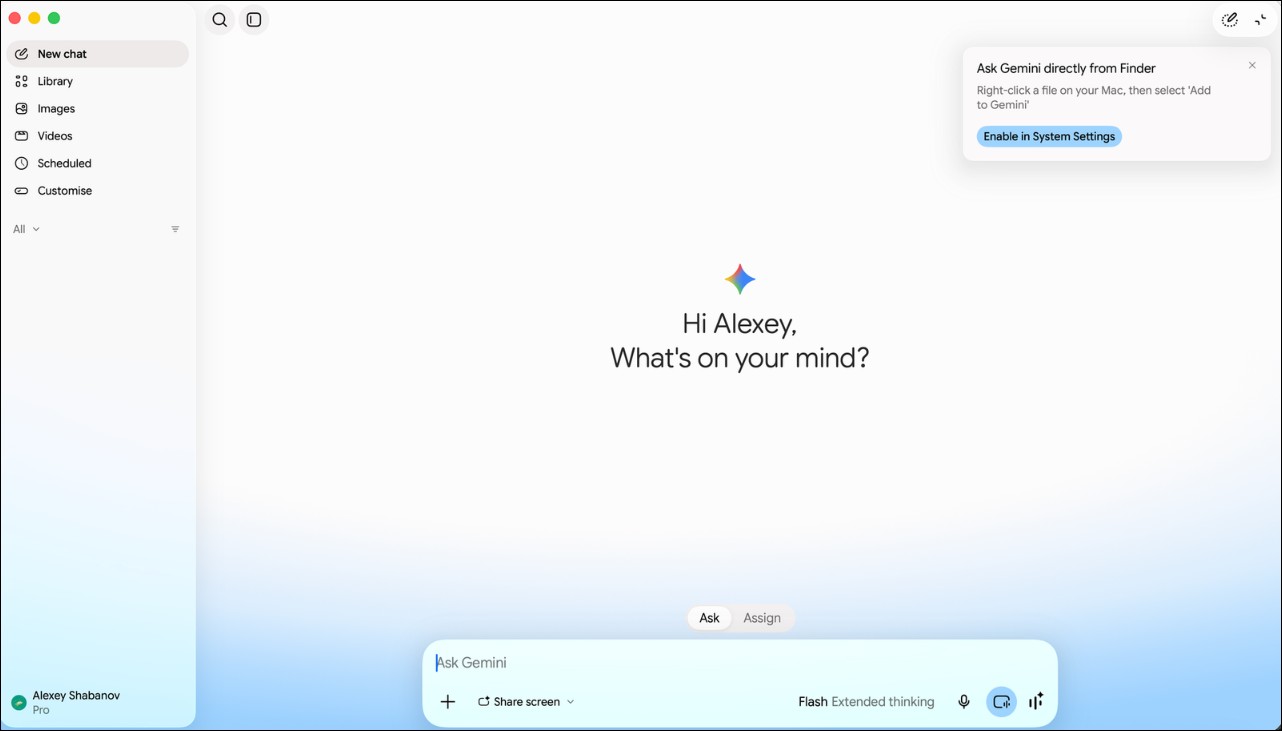
To compensate for the reduced control over models, Google has also introduced a new “thinking intensity” setting mechanism, replacing the previous “Extended” option. Gemini currently offers three difficulty levels—low, medium, and high—allowing users to decide how much reasoning resources the system should devote to completing a task. Among them, the “low” mode prioritizes speed and is suitable for quick queries and simple conversations; the “high” mode allows the system to spend more time analyzing problems and handling more complex tasks; the “medium” mode falls between the two, balancing efficiency and quality. On the surface, users still appear to retain a certain degree of control, but what they can actually control is Gemini’s depth of thinking, not the type of model that actually performs the task behind the scenes.
This change also reflects an adjustment in Google’s direction for Gemini’s future development. In the past, generative AI platforms generally treated model selection as an advanced feature, letting technically savvy users decide for themselves on the balance between performance and cost. However, Google clearly wants to simplify the user experience through automation, so that more ordinary users can directly get an optimized experience without having to study the differences between models.

In recent years, Google has continued to accelerate the deployment of Gemini across its product ecosystem. From smartphones to personal computers, Gemini has gradually become the core of Google’s AI strategy. For example, the latest Pixel series phones integrate a large number of AI features, including smart assistants, call handling, and content generation applications; and the Googlebook laptop, with Gemini as its main selling point, has also been officially launched, further strengthening the integration of AI and hardware.
Moreover, Google has recently been actively promoting paid AI subscription services, even bundling some advanced features with hardware products for sale. For users who have already experienced the capabilities of advanced models, the gap between free and paid versions is gradually widening. Whether in response quality, reasoning ability, or feature completeness, paid plans show a more obvious advantage.
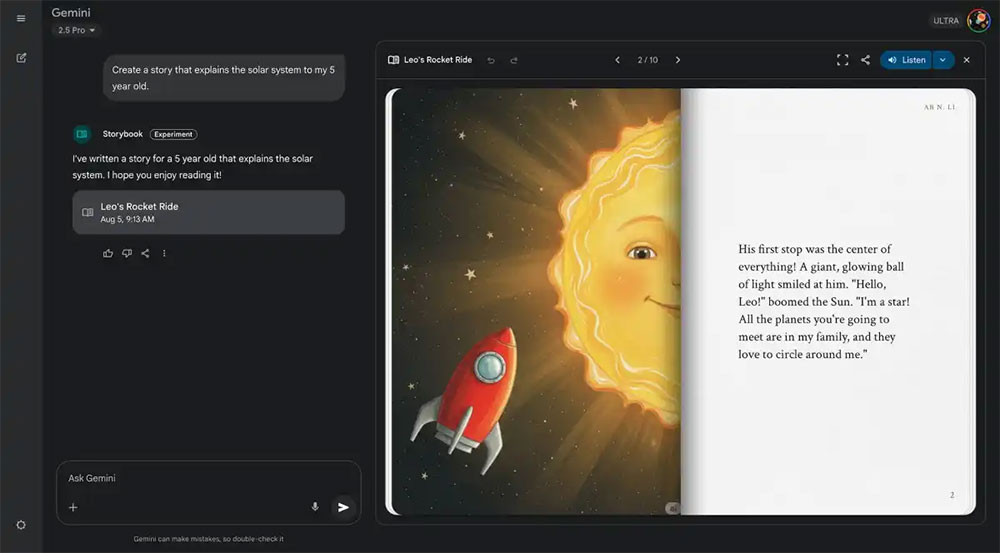
Although Google did not explicitly say that this adjustment was intended to entice users to upgrade to a paid plan, the outcome shows that removing manual model selection from the free version does make the value of a paid subscription more prominent. For average users, automatic mode may offer a more convenient experience; however, for advanced users, losing the ability to directly control the model may mean a simultaneous decline in flexibility and autonomy.
As AI competition intensifies, industry players are considering how to balance user experience, computing costs, and business models. Google’s adjustment to the free version of Gemini may be an important step in its strategy to promote both the widespread adoption of AI services and their subscription-based model. Whether users will be willing to accept the system making model choices on their behalf, and whether this approach can truly improve the overall experience, remains to be further validated by the market.
Source: KOCPC Chinese