


According to recent reports, Google is developing a next-generation Google TV Streamer, and the core focus of this upgrade is not only improving hardware specifications but also creating a more natural and convenient user experience. The new model is expected to include a built-in microphone, human presence sensing technology, a more powerful processor, and more storage, allowing users to more easily control the TV and access features even without picking up the remote.
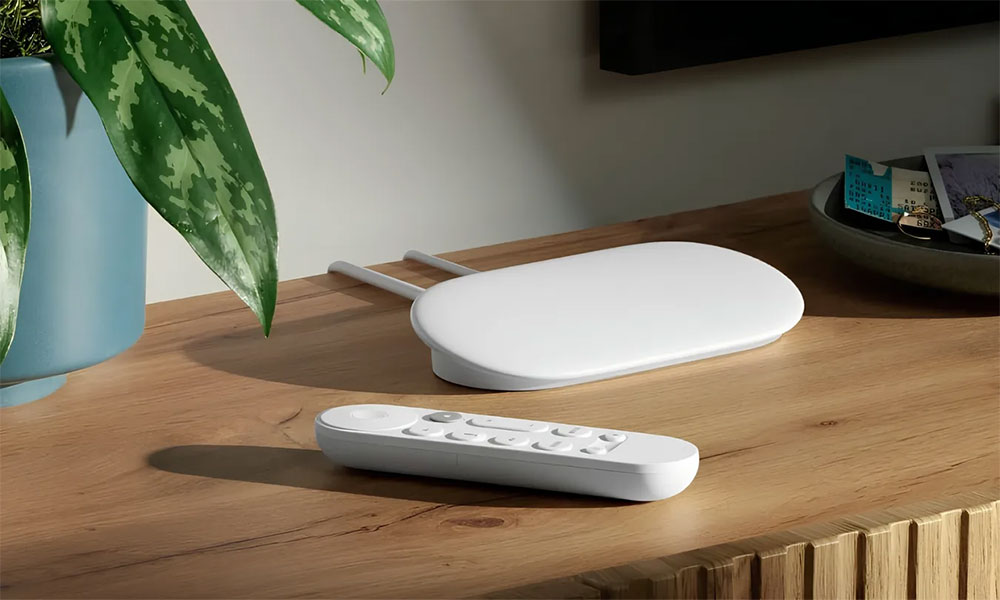
Google is giving the Google TV Streamer “ears,” better hardware, and a range of new features.
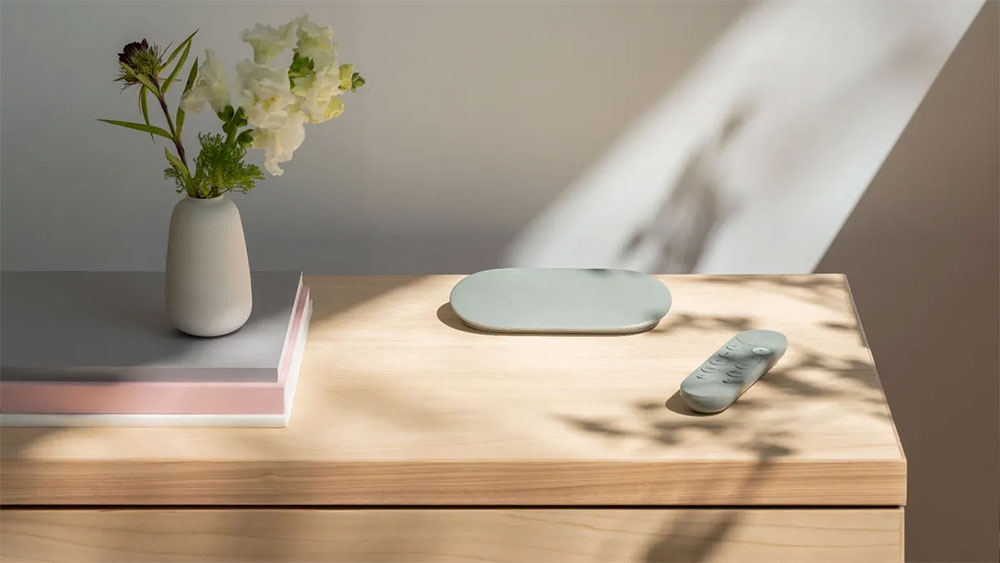
According to foreign media 9to5Google reportsThe next-generation Google TV Streamer will continue the design style of the current product, though its body may be slightly narrower, giving it a more streamlined overall look. Although Google has not yet announced an official launch date or price, based on information that has already been revealed, the new model will not be just a routine update but a major upgrade covering both hardware and software experience.
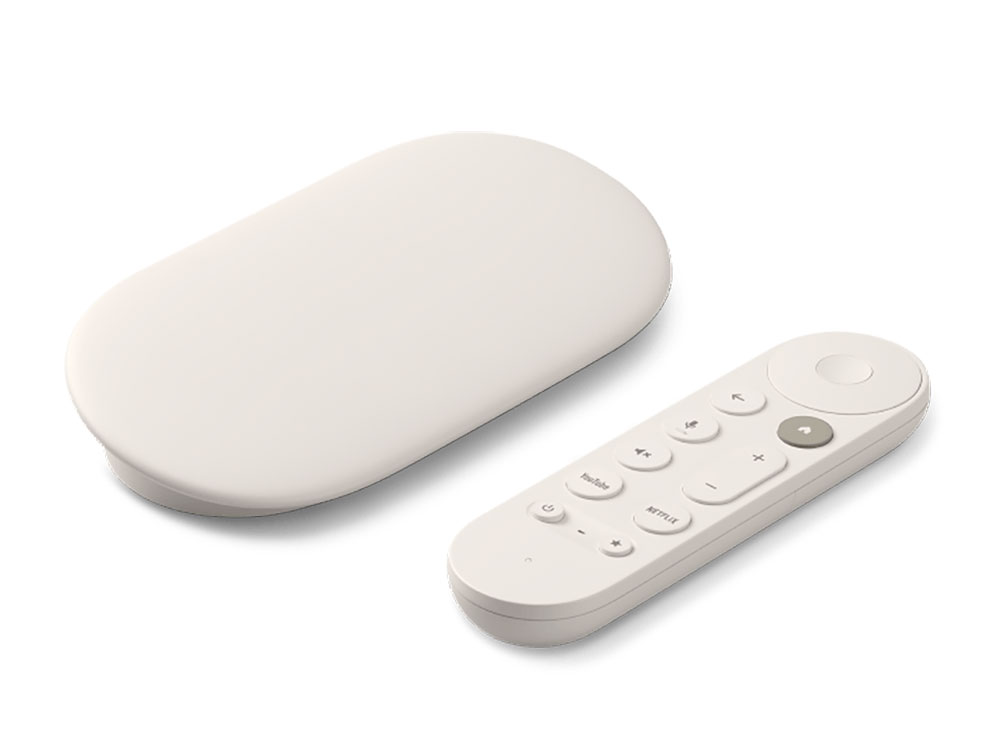
One of the most notable changes this time is that the device will include a built-in microphone for the first time. Although existing Google TV devices support Google Assistant voice control, most require pressing the voice button on the remote to activate it. The upcoming new Google TV Streamer is expected to support a hands-free mode similar to that of smart speakers, letting users simply say “Hey Google” to control the TV, search for video and audio content, look up information, or execute smart home commands, further lowering the barrier to use.
According to sources, the set-top box has a special opening structure on its body surface that can be used to receive voice commands. If the final functionality is as rumored, the new product will serve a dual role as both a streaming player and a smart assistant, making the living room TV an interactive hub within the Google ecosystem.
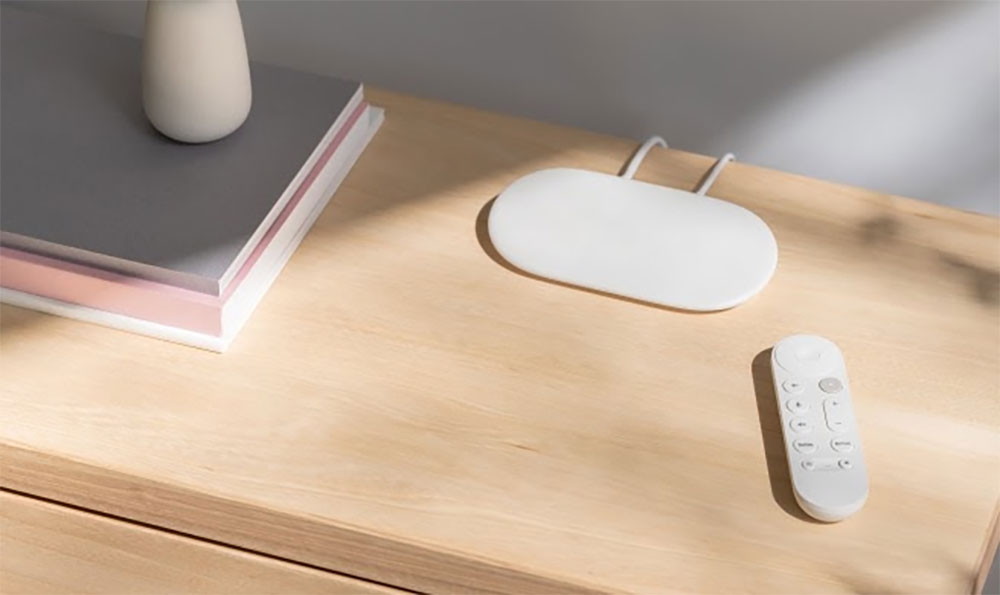
In addition to voice interaction, Google also plans to introduce human presence sensing, using sensors to detect whether anyone is active in the room, and the system can automatically switch the displayed content based on the user’s position and distance. For example, when a user enters the room, the TV may automatically launch a Google Photos slideshow; when the user approaches the screen, it can further display the time, weather, calendar, or other personalized information, giving the TV functionality similar to a smart display.
In fact, some TV brands that use the Google TV system, such as TCL, have previously introduced similar human sensing technology. However, if Google integrates this feature directly into its own streaming players, it could become a standard feature on the Google TV platform in the future and further expand its range of applications.
On the hardware side, the next-generation Google TV Streamer is also expected to see a performance boost. The report indicates that the new product will feature a faster processor to improve system responsiveness, app launch efficiency, and multitasking performance. In addition, storage space is expected to exceed the current model’s 32GB capacity, providing more room for installing streaming media, games, and other third-party apps. However, Google has not yet revealed the actual chip model used or the final storage specifications.
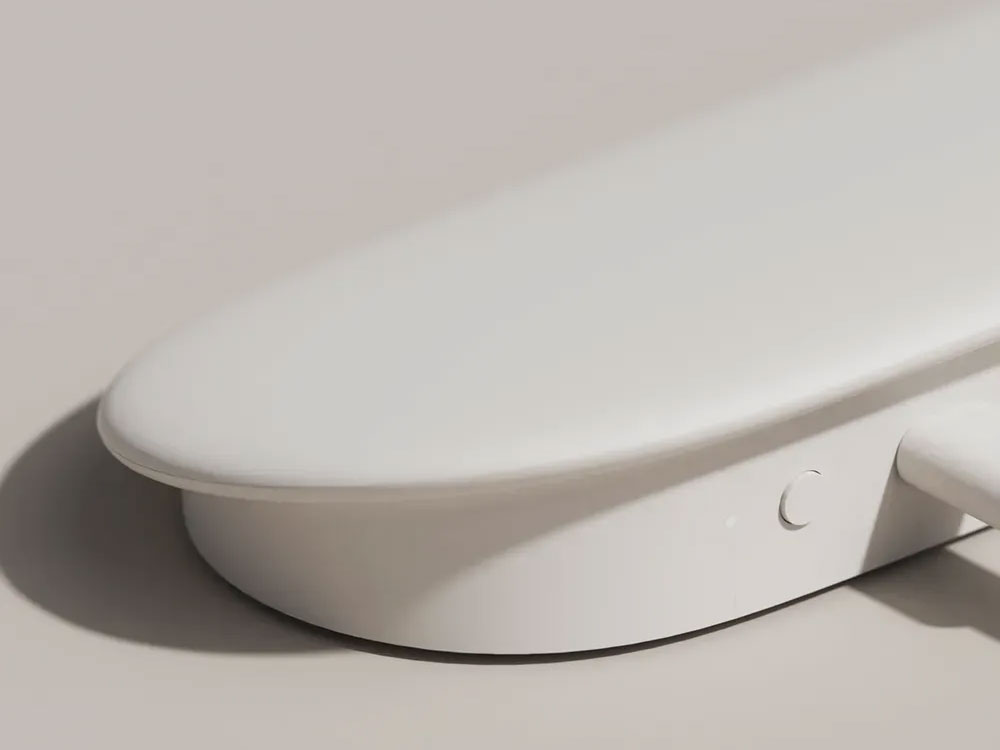
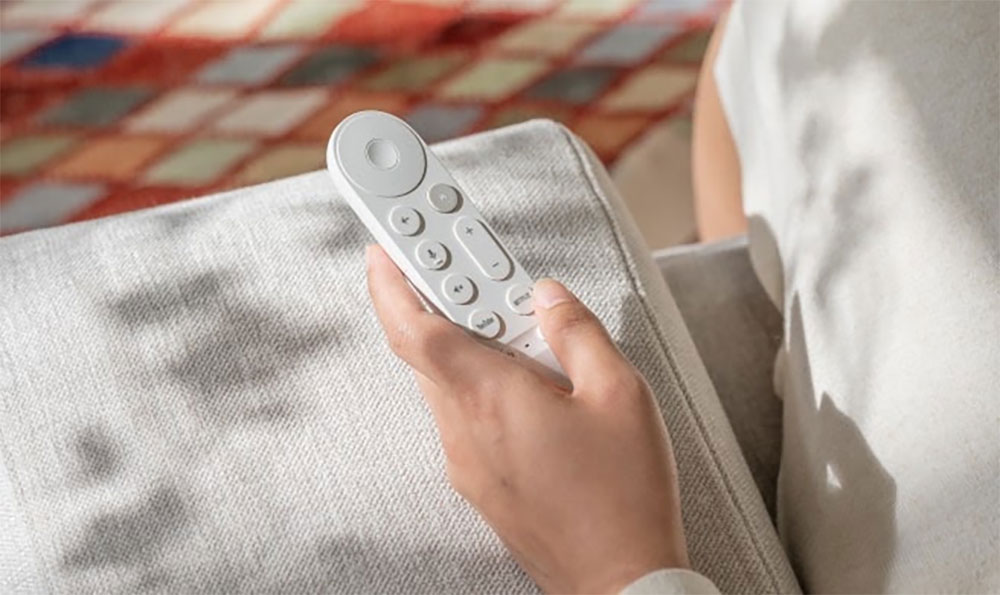
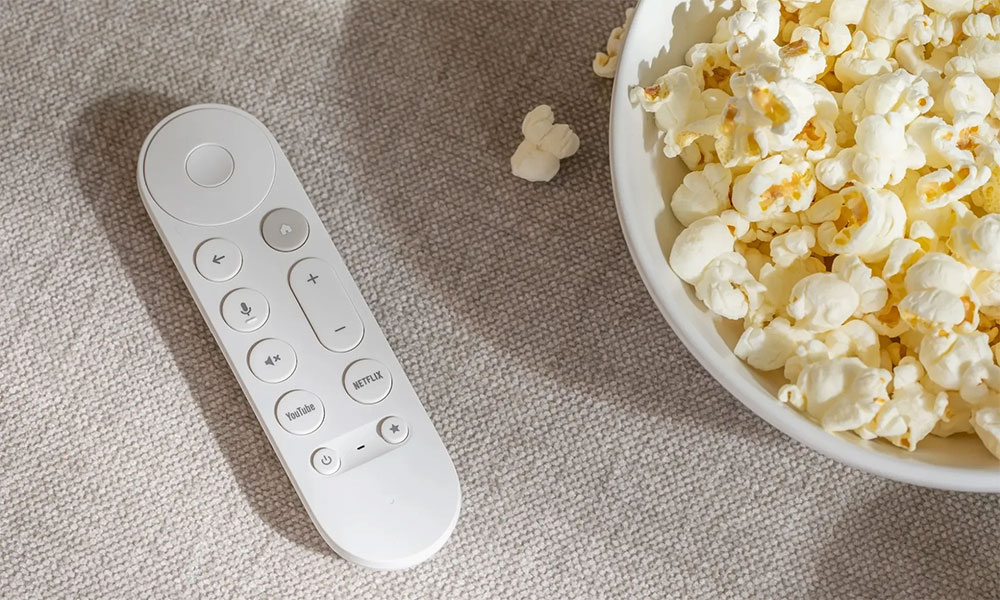
In terms of remote design, Google does not plan to make major changes. Based on information leaked so far, the new remote will retain its existing layout but may add two extra function buttons to improve ease of use. On the other hand, the highly praised “Find My Remote” feature will also remain. If the remote is accidentally lost in a couch gap or another corner, users can still quickly trigger a sound via a button on the device itself to help locate the lost remote.
It is worth noting that Google only recently raised the price of the current Google TV Streamer by 50 USD, making the timing of this new device’s debut particularly noteworthy. The market generally believes that if the new product indeed introduces hands-free voice control, human presence sensing, and more powerful hardware specifications, it will help justify a higher price positioning. However, the relevant information is still at the rumor stage, and Google has not yet said whether it will continue its price-increase strategy in the future.
As for launch timing, there is currently no exact information either. It is worth noting that the product transition from Chromecast with Google TV 4K to the current Google TV Streamer took about four years, so many are also curious whether Google will speed up its update cadence. In any case, the built-in microphone, smart sensing, and performance upgrades add considerable appeal to the next-generation product, but whether these features can truly improve everyday viewing and home entertainment experiences remains to be further revealed by Google at the official launch.
Source: KOCPC Chinese