


Sony has recently quietly made a series of internal upgrades to the PS5 Slim. Although the company has not publicly announced the details of these revisions, professional teardown analyses reveal clear improvements in the new version’s cooling design, repairability, and hardware integration efficiency. For average players, although these changes are not easy to notice from the exterior, they can deliver a better experience in long-term use and future repairs. In particular, when it comes to battery replacement and console reliability, they will significantly lower the barrier to use and maintenance costs.
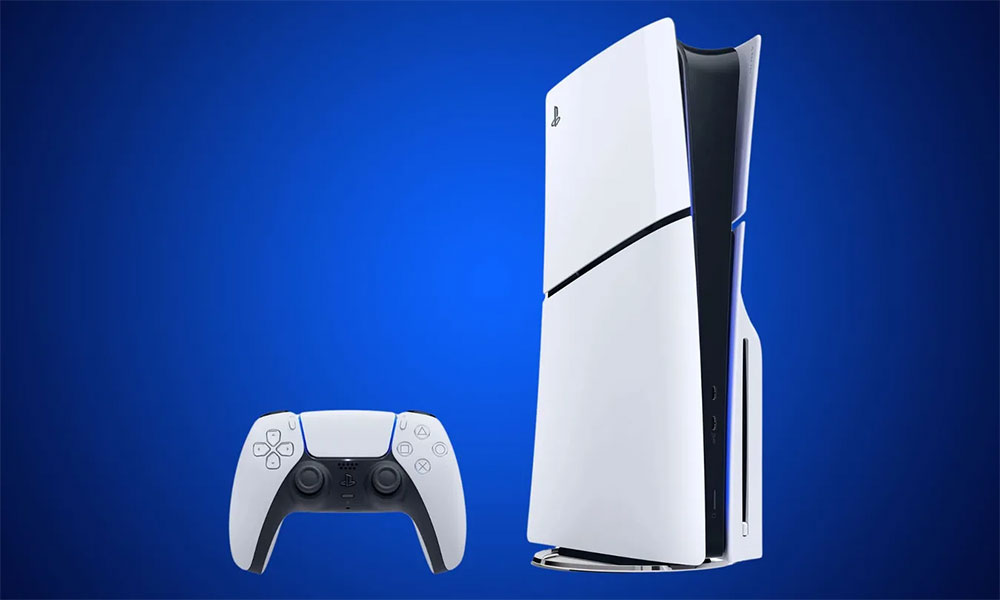
Sony quietly changes the PS5 Slim design, improving the cooling system and the replaceable internal battery.
According to a teardown report by console hardware research expert Modyfikator89, the new PS5 Slim, including some limited editions, has switched to a new EDM-051 motherboard design. This revision involves configuration adjustments to several internal components, indicating that Sony is continuing to optimize the product architecture and further improve the console’s stability and production efficiency. However, these changes are currently still low-key updates and have not been specifically mentioned in official promotional materials or product specifications.
Sony quietly refreshed the PS5 Slim again and this one is much more interesting than it looks. 👀
We opened the new Wolverine Limited Edition and inside found the refreshed EDM-051 motherboard.
This isn’t just another cosmetic revision.
Compared with earlier Slim boards, Sony has… pic.twitter.com/eMWFu9aKw1— modyfikatorcasper (@Modyfikator89) September 30, 2026
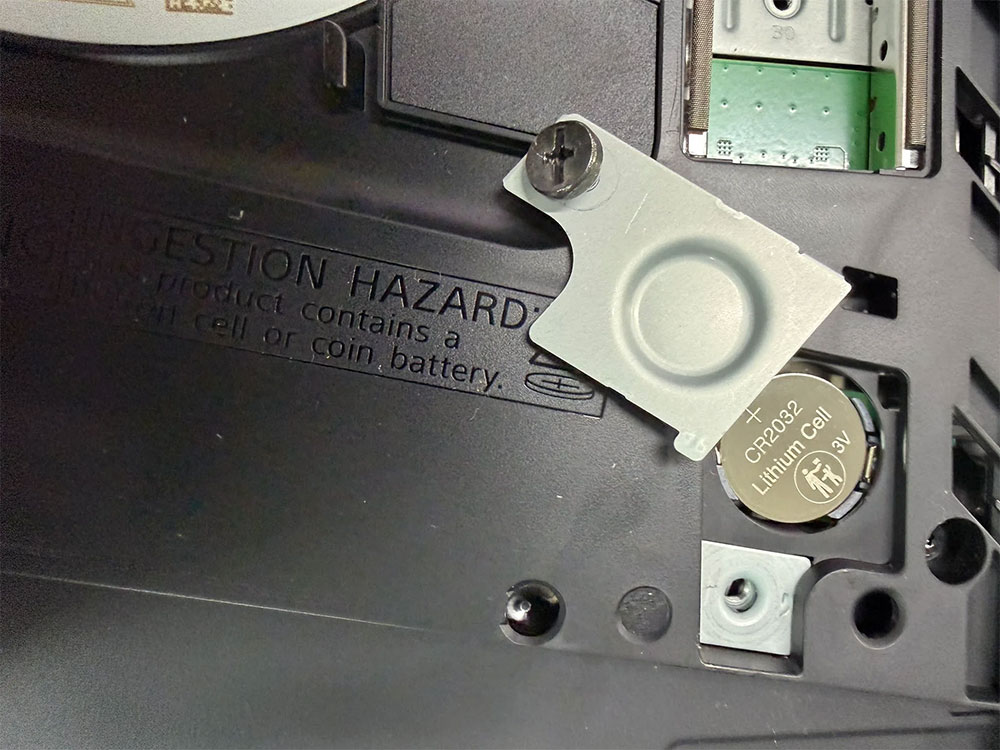
One of the most notable improvements this time is the location and replacement method of the CR2032 CMOS battery. This coin-cell battery is mainly responsible for maintaining the console’s internal clock. Once its charge is depleted, the PS5 may be unable to properly record the system time when not connected to the internet, which can affect digital content license verification and even cause some installed or saved games to stop working properly. Therefore, this seemingly inconspicuous battery actually has a fairly important impact on console functionality.
On past PS5 Slim models, replacing the CMOS battery often required completely disassembling the console and even removing the motherboard. Because this process is quite complicated, it can not only affect warranty eligibility but also expose users to liquid metal thermal material, increasing the risk of repair. As a result, most users facing battery aging issues usually had no choice but to send the console back to the manufacturer. In the new design, Sony borrowed the internal architecture of the PS5 Pro and moved the battery to a more accessible location. In the future, when the battery is depleted, users will only need to buy an inexpensive replacement battery and may be able to replace it themselves, without having to perform tedious disassembly or pay high repair costs. This improvement is quite practical for extending the console’s lifespan and reducing maintenance costs.
In addition to the battery design, Sony has also redesigned the overall layout of the motherboard. The new hardware uses a more streamlined component arrangement to improve internal space utilization and make the system structure more rational. At the same time, the cooling module has been further optimized. The liquid metal thermal conduction design around the APU, which handles computing tasks, now uses a solution similar to that of the PS5 Pro to improve heat transfer efficiency and reduce potential risks.
The new cooling structure reduces the area where liquid metal comes into direct contact, helping to lower the possibility of liquid metal displacement or leakage caused by handling, vibration, or prolonged use. This improvement not only increases system durability but also helps maintain stable cooling performance. In addition, the heatsink in the new model differs from that of the previous Slim model in materials and structure, indicating that Sony continues to make detailed improvements to cooling efficiency.
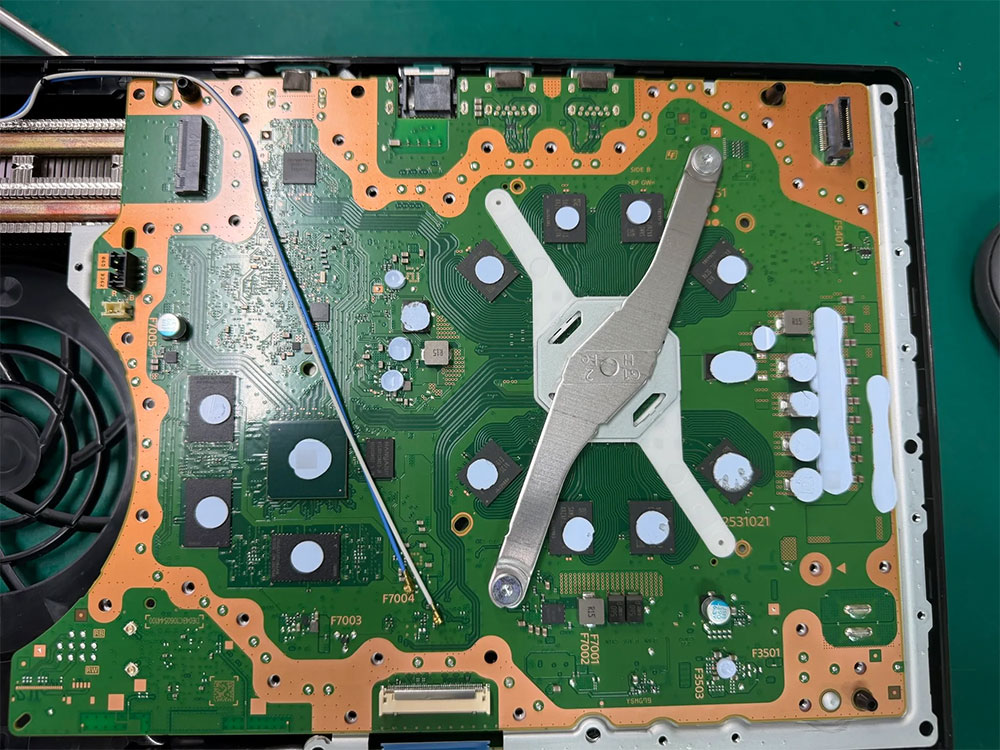
It is worth mentioning that Sony also updated the HDMI retimer chip. The new component is not only lower cost but also more energy-efficient, helping improve overall hardware performance and reduce production costs. Although such changes will not directly affect players’ daily operating experience, from a hardware engineering perspective, they are an important step in improving system maturity.
According to related reports, the PS5 Slim with a new motherboard and improved design has gradually been entering the market. However, because the packaging and included documentation do not clearly indicate these upgrades, consumers cannot easily tell from the exterior whether they have purchased the new model. Therefore, if they particularly care about the internal configuration and repairability, they may still need to confirm the actual version through product batch numbers, teardown information, or professional reviews in the future. What is certain, however, is that Sony is continuing to make low-key hardware optimizations, gradually bringing the PS5 Slim toward a more mature stage in terms of reliability, cooling performance, and ease of repair.
Source: KOCPC Chinese