


Removable batteries were once standard equipment in consumer electronics, but nowadays most devices—whether smartphones, laptops, tablets, or even handheld game consoles—have switched to non-removable built-in battery designs. Although replaceable batteries help extend product lifespan and allow users to repair their own devices, tech companies have gradually abandoned this design mainly to pursue larger battery capacity, thinner and lighter bodies, and higher structural strength.
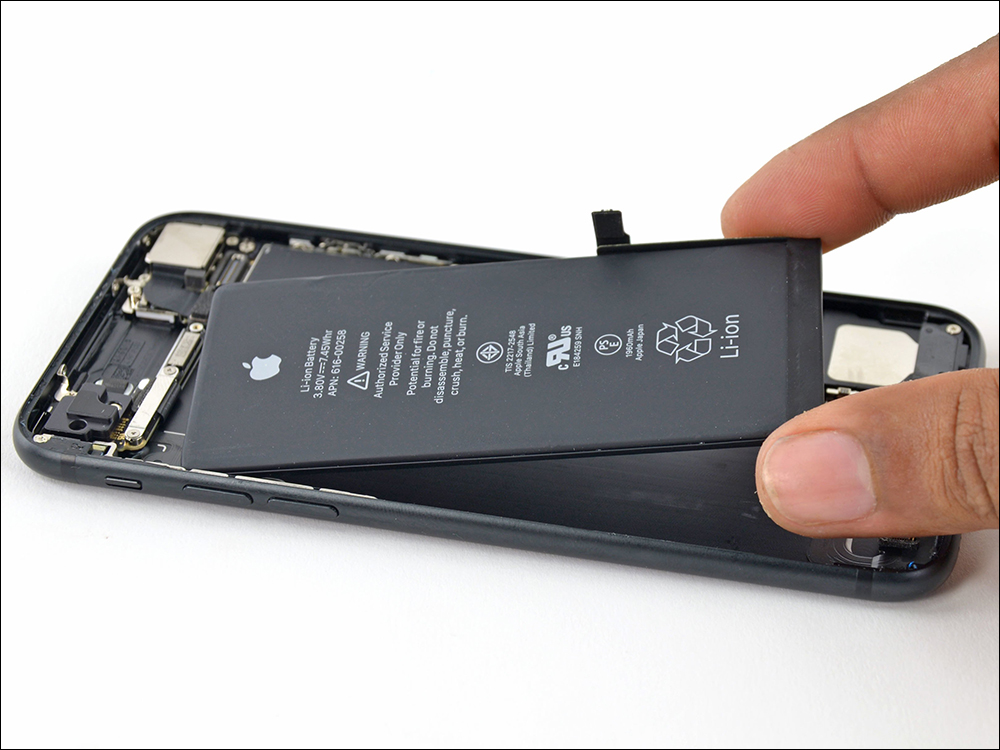
Why do so many tech companies no longer use removable batteries?
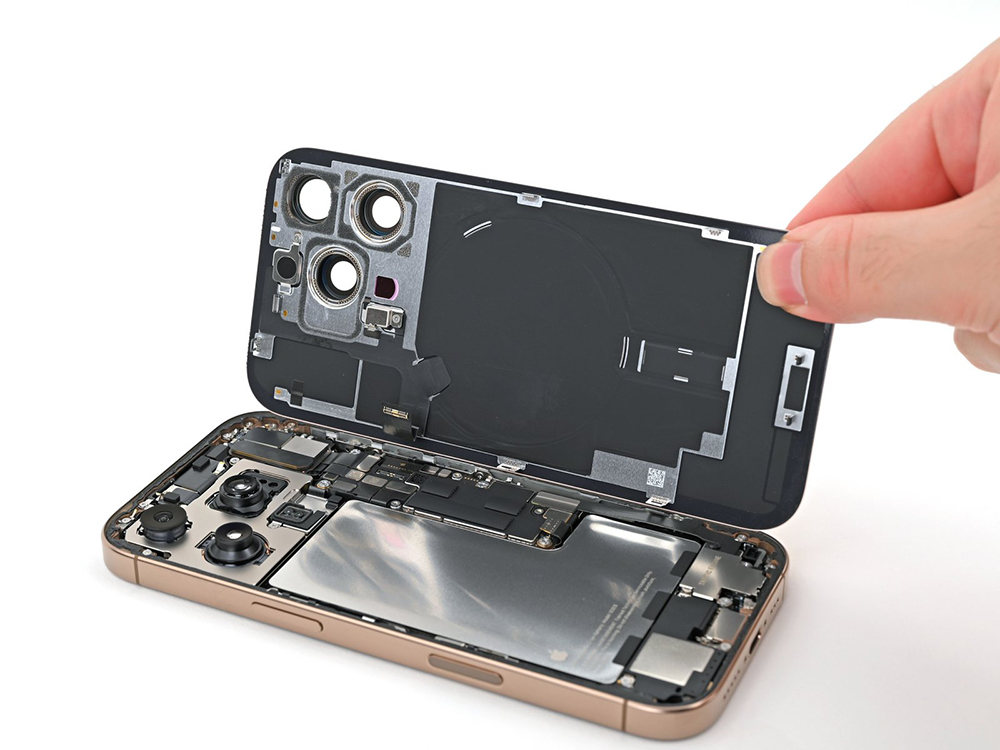
Using laptops as an example, when Apple launched the 17-inch MacBook Pro in 2009, it replaced the removable battery design with a built-in battery. Although this sparked discontent among some users at the time, Apple explained that removable batteries required additional protective structures and battery compartment space, which took up internal capacity. By switching to a built-in battery, the chassis space could be used more efficiently, increasing battery capacity without increasing size or weight. In addition, fixed batteries could be shaped to fit the internal layout of the device, further improving space utilization and battery life.
Beyond the capacity advantage, built-in batteries also help create thinner, sturdier products with dust and water resistance, making them increasingly mainstream. However, a few brands still stick to the removable battery philosophy, emphasizing repairability and long-term sustainability.
In fact, from the 1990s to the early 2010s, removable batteries were quite common. At the time, not only were phones and laptops designed this way, but handheld gaming consoles like the Nintendo 3DS and 3DS XL also allowed users to replace the batteries themselves. Since early charging technology was slower, devices often took several hours to fully charge, so many people carried spare batteries and simply swapped them out when the power ran out, rather than waiting for a charge to complete.
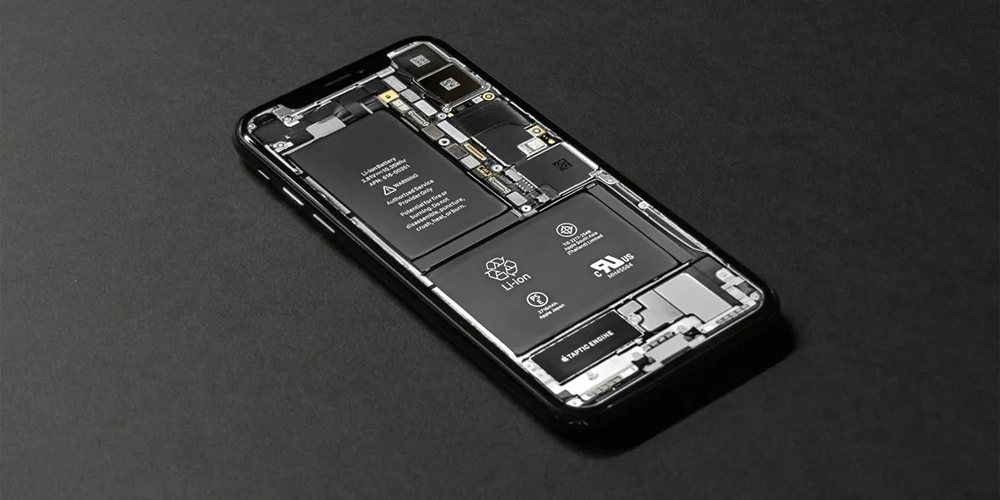
The advancement of battery technology is also a major reason for the gradual decline of removable batteries. Early electronic products often used nickel-metal hydride or nickel-cadmium batteries, which were prone to the memory effect, causing capacity degradation and thus a greater need for battery replacement. Today’s mainstream lithium-ion batteries not only have no obvious memory effect but also have a lower self-discharge rate, significantly improving the user experience.
In addition, next-generation high-energy-density battery technologies, such as silicon-carbon batteries, allow manufacturers to pack larger-capacity batteries into slim bodies. Combined with the widespread adoption of fast charging, many devices can be quickly replenished with a substantial amount of power in a short time. Even when battery levels run low, users can quickly resolve the issue with accessories like power banks, reducing the need to carry spare batteries.
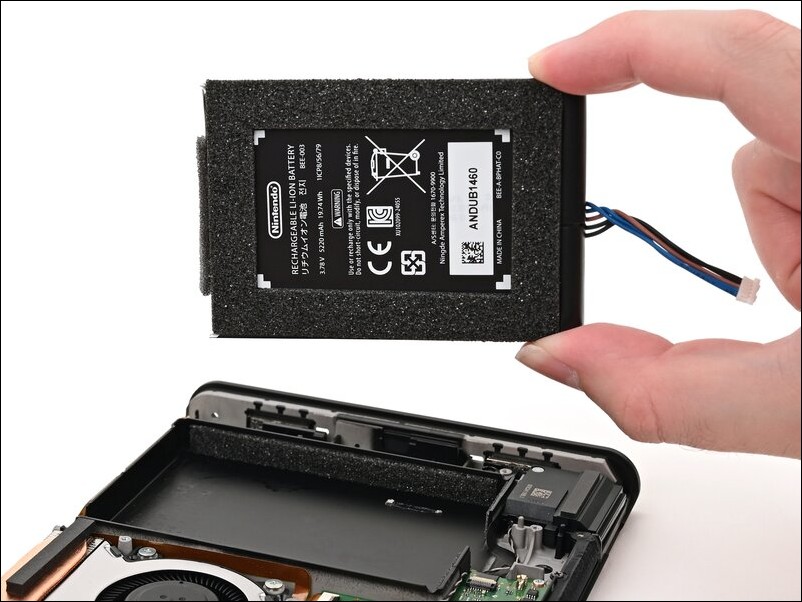
However, removable batteries may see new development opportunities in the future. The EU has passed regulations requiring most portable electronic devices to adopt user-replaceable battery designs to extend product lifespan and reduce electronic waste. This regulation covers smartphones, earphones, e-readers, and handheld gaming consoles, and is expected to take effect in February 2027.
Driven by regulations, some tech companies have begun adjusting their product designs. For example, Sennheiser has launched new headphones with replaceable batteries, and Nintendo also plans to adopt a replaceable battery design in its next-generation controllers. Although non-removable batteries remain the mainstream approach, with growing environmental awareness and increasingly clear regulatory requirements, replaceable batteries are expected to regain market attention in the future and have a profound impact on the entire tech industry.
Source: KOCPC Chinese