


Luxury brand Caviar, renowned for creating “gold-plated tech products,” has once again pushed mainstream electronic devices to the pinnacle of extravagance. The company has long been known for reinterpreting iPhones and Samsung flagship models using materials such as 24K gold, diamonds, and exotic leathers. Now, it has turned its attention to the emerging category of wearable AI devices, with its latest release Ray-Ban Meta AI Glasses Luxury Edition, replacing the original plastic and metal elements with polished pure gold and crocodile leather, the price skyrocketed to $6,840, making it one of the most expensive AI glasses on the market.
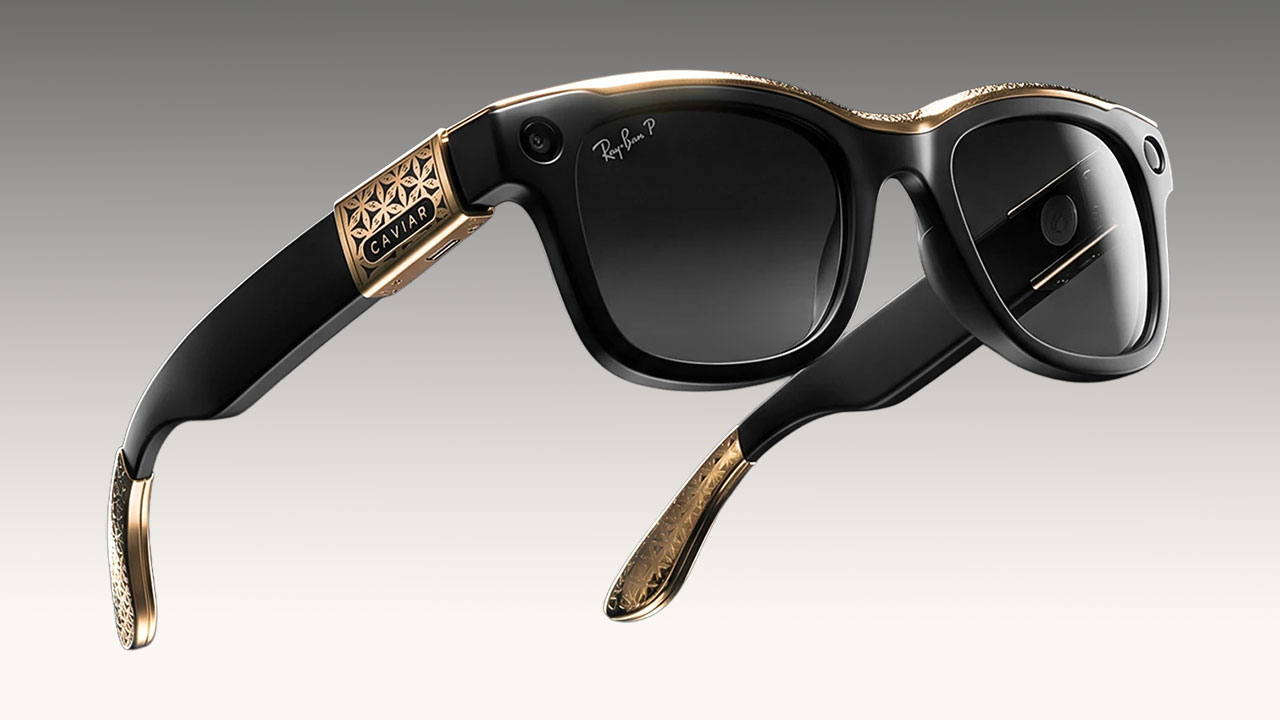
Caviar turns its hand to smart glasses, gold-plating Meta’s Ray-Ban AI glasses and selling them for $6,840.
This limited edition eyewear, named “Odyssey,” arrives at a symbolic moment. As tech giants like Meta, Google, and Apple accelerate their push into wearable computing, AI glasses are gradually moving from concept products to the mainstream market. However, Caviar’s strategy is completely different from that of tech companies—it doesn’t attempt to boost hardware specs or add extra features, but instead bets on the idea that “rare materials are value in themselves.” For buyers willing to pay nearly ten times the price of the standard version, uniqueness and status symbols are far more appealing than technological upgrades.
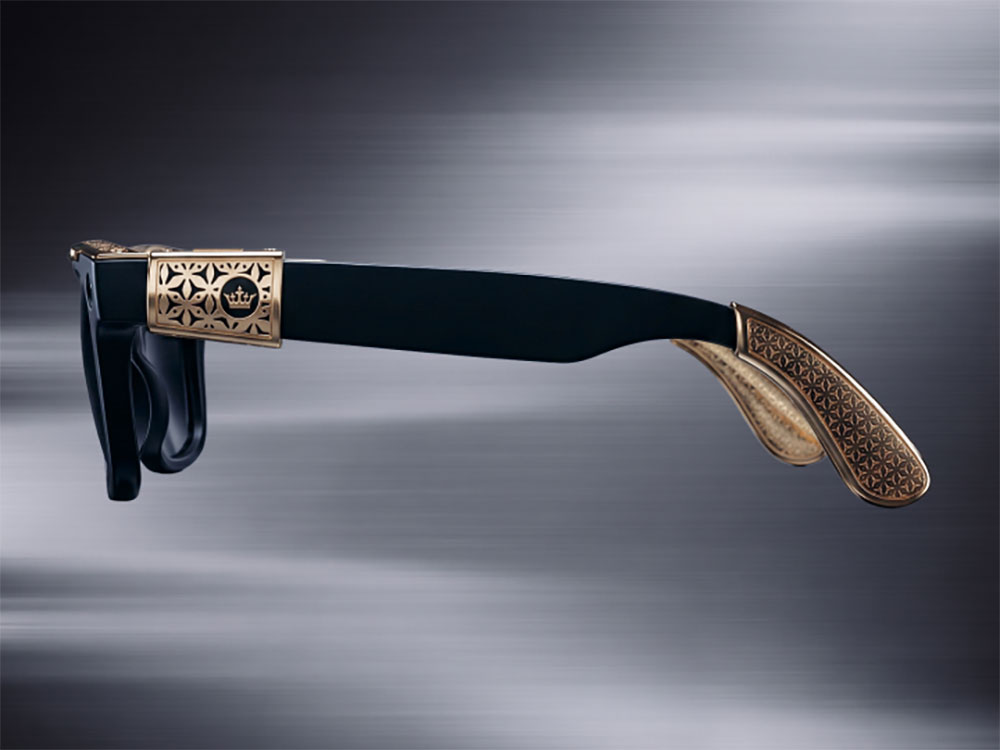
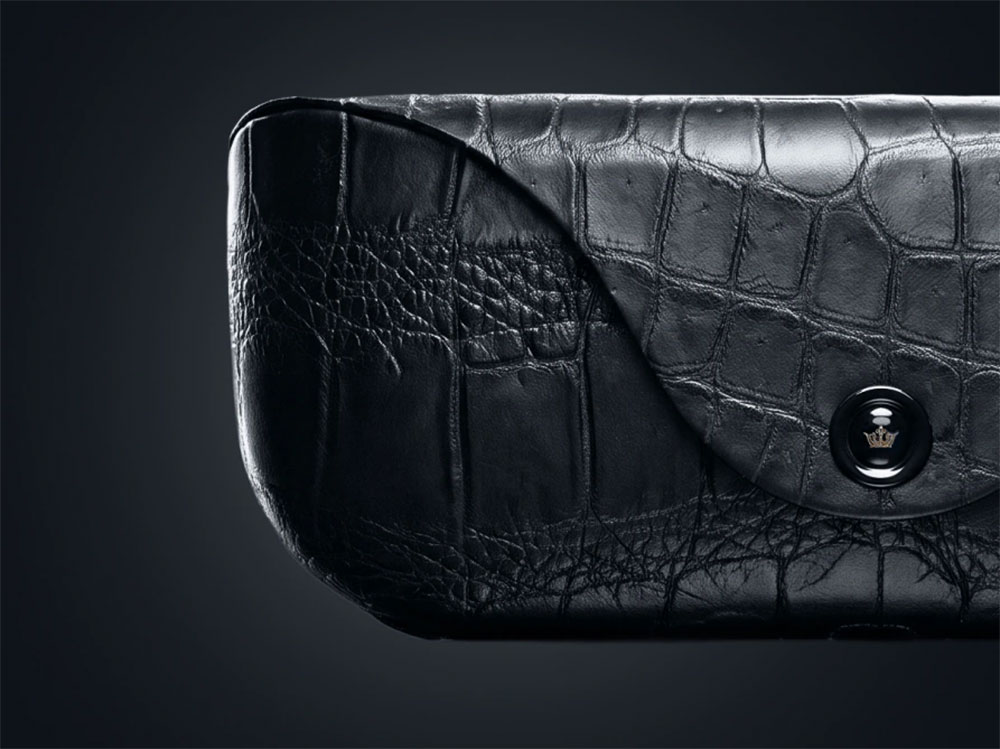
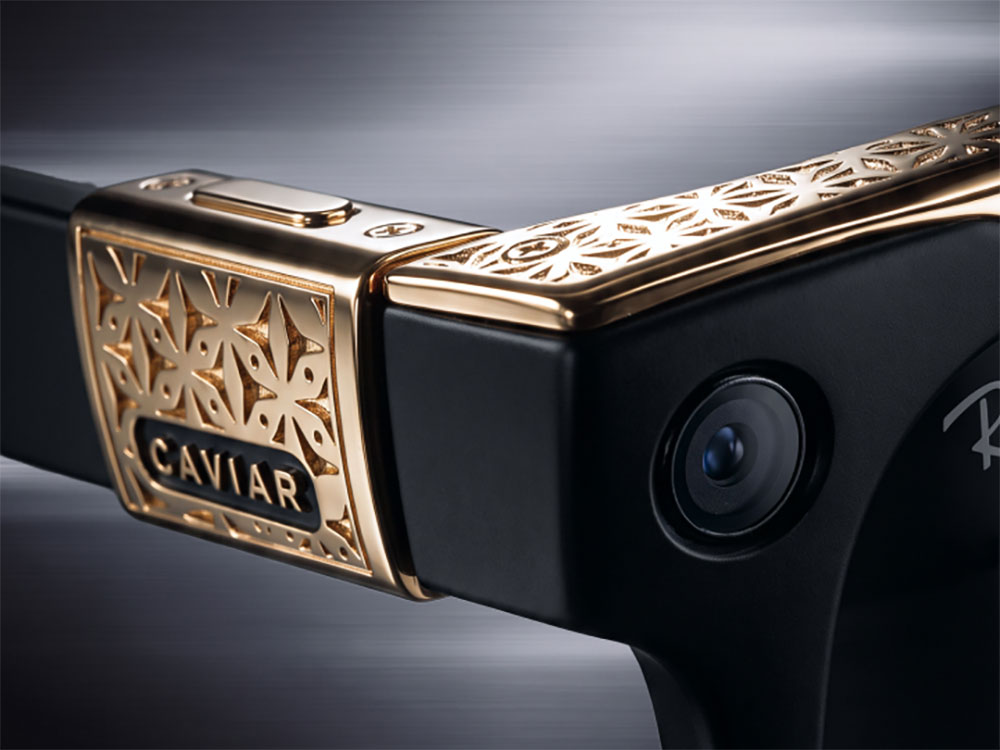
While the exterior has been fully redesigned, the core of the Odyssey remains the Ray-Ban Meta AI glasses. Users can still access Meta’s camera, microphone, speakers, and AI assistant features, but all components are now encased in frames, temples, and hinges crafted from 24K gold, with even the capture button accented in gold. The included genuine crocodile leather glasses case further reinforces the overall luxury positioning, transforming the product from a tech accessory into a collector’s item.
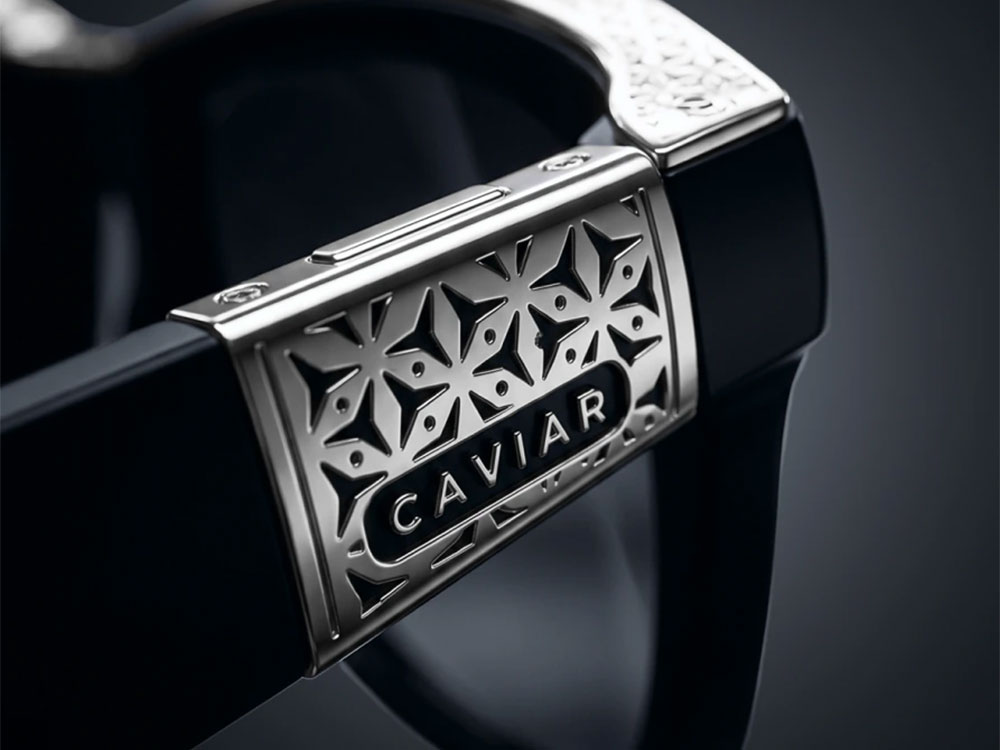
If buyers want to be a bit more “restrained,” Caviar also offers a silver version priced at $6,130. Although slightly cheaper, it is still far more expensive than Meta’s first-generation smart glasses, making it clear that what consumers are paying for is not the technology, but the materials, craftsmanship, and rarity. Caviar has also announced that the Odyssey series will be limited to just 24 pieces, symbolizing the 24 books of Homer’s epic, the Odyssey. This strategy of extreme scarcity continues the brand’s signature luxury logic: the product itself doesn’t need to appeal to the masses—it only needs to attract the few collectors willing to pay for uniqueness.
This new product not only reflects shifts in the wearable device market, but also reveals the next direction for luxury brands. As AI glasses become more widespread, brands that once focused on smartphone customization are starting to treat eyewear as a new vehicle for status symbols—tech products are no longer just tools, but fashion objects that can be redefined and repackaged.
However, whether such a strategy can work long-term remains uncertain. Unlike high-end mechanical watches or handmade leather goods, smart glasses evolve at a rapid pace—they’re often replaced within just a few years by lighter, more powerful models. Spending thousands of dollars on hardware destined for obsolescence is less an investment than a statement: a way to display wealth and taste. But that’s precisely where Caviar’s core audience lies. The Odyssey isn’t built for consumers comparing specs or chasing AI features; it’s aimed at collectors who want tech that’s both functional and a conversation starter. Judging by the track record of gold-plated smartphones selling out time and again, this kind of product always finds willing buyers—and the Odyssey will likely follow the same path.
Source: KOCPC Chinese