


With the GSMA officially releasing RCS Universal Profile 4.0, the default messaging application on your phone is about to undergo a qualitative leap. This update is regarded as the most groundbreaking version of the RCS standard to date. It not only fills in long-standing functional gaps, but also allows RCS to truly move from a “sMS upgraded version” to a “complete communication platform”. The two most anticipated highlights: native video calling and text formatting have finally officially debuted.
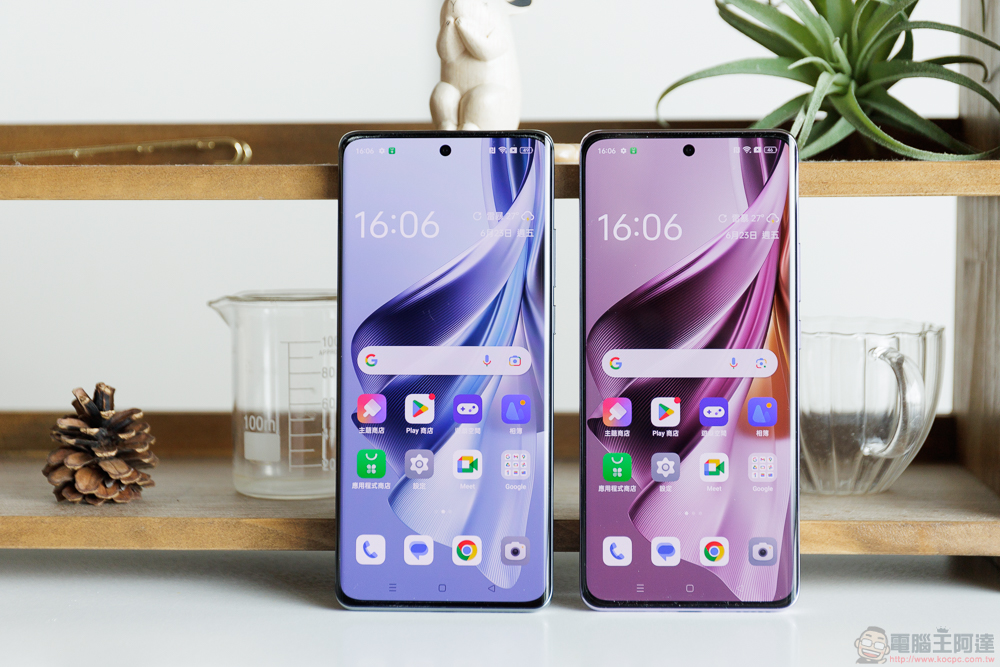
RCS 4.0 will bring Face Time-like video calling capabilities to Android users
For many users, the term RCS (Rich Communication Services) may be unfamiliar, but it has quietly become an important foundation for the global communications ecosystem. The goal of RCS is to replace traditional SMS and MMS and provide a more modern chat experience, including read receipts, typing indicators, high-definition media transmission and other functions. Especially after Apple announced that it would support RCS on the iPhone in 2024, the popularity of this standard has accelerated significantly.
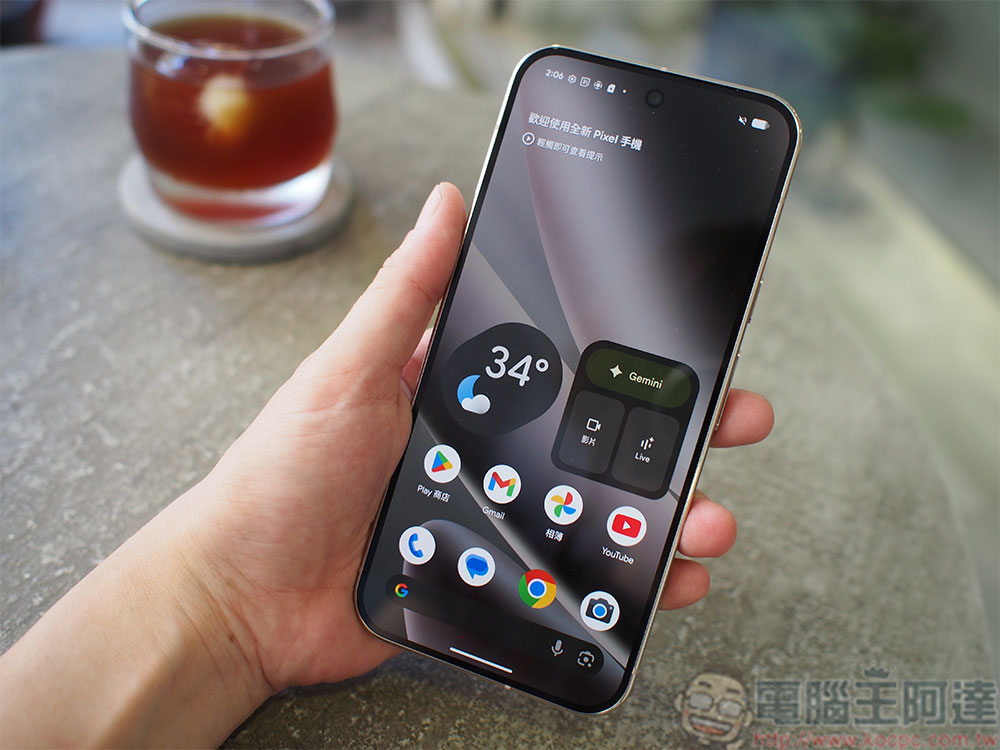
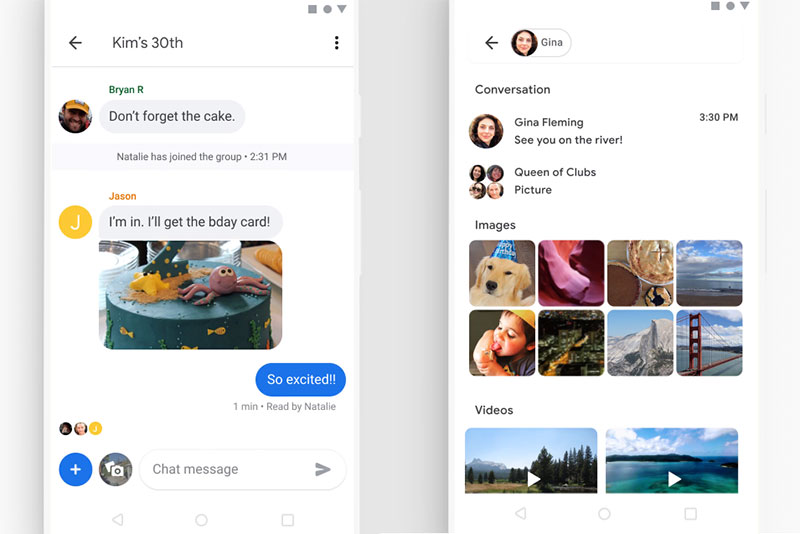
In RCS 4.0, the most eye-catching update is “native video calling”. In the past, if users wanted to switch from text chat to video, they often had to jump to third-party platforms such as WhatsApp, FaceTime, and Google Meet. Now, RCS allows video calls to be built directly into the chat interface. Users can seamlessly switch between text and video in the same conversation window, reducing cross-platform troubles. What’s more convenient is that even if you miss the call notification, group members can still join the ongoing video call at any time, and the call history will also be displayed simultaneously in the chat timeline, making the overall communication process more consistent.
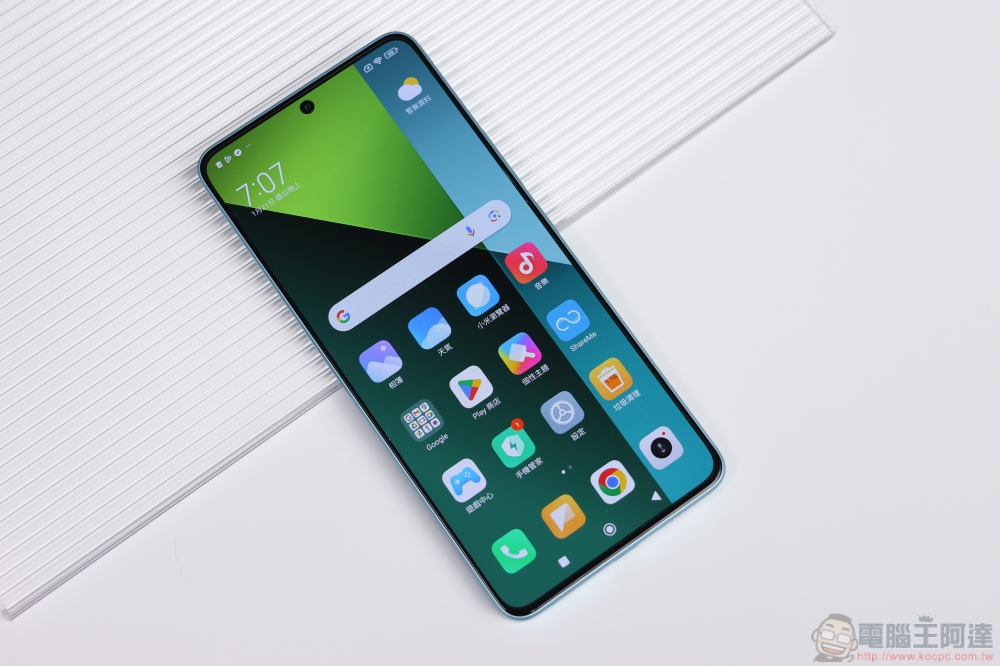
Another important update is “text formatting” that will finally be available in 2026. RCS 4.0 introduces Rich Text Messaging, which allows users to add bold, italics, strikethrough and other formats to the message to make the text expression more layered and emotional. This feature also takes compatibility into consideration: if the other device does not support RCS, the message will be automatically converted to a plain text version to avoid cluttered display.
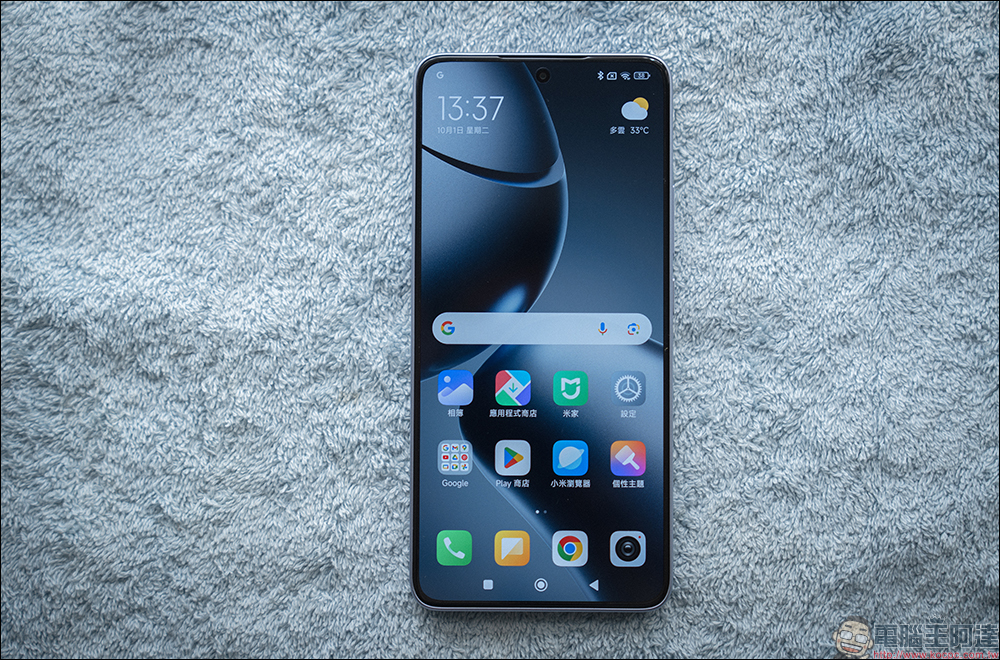
In addition to calls and texts, RCS 4.0 also enhances media sharing capabilities. Users can send high-quality photos, videos, and audio without having to worry about blurred images caused by compression. Devices will automatically coordinate supported formats and select the best encoding method to ensure that media content is presented with the expected quality. This is a great boon for users who are accustomed to sharing moments of life through text messages.
It is worth noting that this update is not only aimed at general consumers, but also brings more possibilities for corporate communications. RCS 4.0 supports embedding streaming videos in rich media cards, allowing brands to provide more interactive and engaging content, such as product demonstrations, instructional videos or event promotions. In addition, enterprises can also more accurately control how links are opened. Whether it is opened in the chat interface or directed to a dedicated browser, it can be adjusted according to needs to enhance user experience.

However, although the GSMA has officially finalized RCS 4.0, actual promotion still relies on the support of telecom operators, mobile phone manufacturers and messaging applications. In other words, these new features won’t appear on all devices immediately, and the rollout speed may vary by region and manufacturer. Take RCS 3.0 as an example. It was launched in March last year and introduced end-to-end encryption. However, because Apple and Google are still in the testing stage, it has not yet been fully popularized. The promotion of 4.0 may also face a similar situation and is expected to be gradually rolled out in the next few months or even longer.
Overall, RCS Universal Profile 4.0 is a symbolic update that brings RCS closer to a true cross-platform communication standard and lays a stronger foundation for future mobile messaging experiences. As more manufacturers join the support ranks, RCS is expected to become the new normal for global communications, making default messaging applications no longer just backup tools, but core services that can compete with mainstream instant messaging platforms.
Source: KOCPC Chinese