


The rapid advancement of AI generation technology is reshaping the boundaries of authenticity in online content. Today, AI-generated images and audio have become so realistic that they can deceive the senses. Nearly every week, someone can be seen on social platforms asking in confusion: “Is this really me?” For creators, this is not just a technical issue, but a challenge to identity security and maintaining trust. When your face appears in a video you never filmed, how should you respond? YouTube is clearly aware of the urgency of this issue and has begun rolling out more comprehensive protective measures.
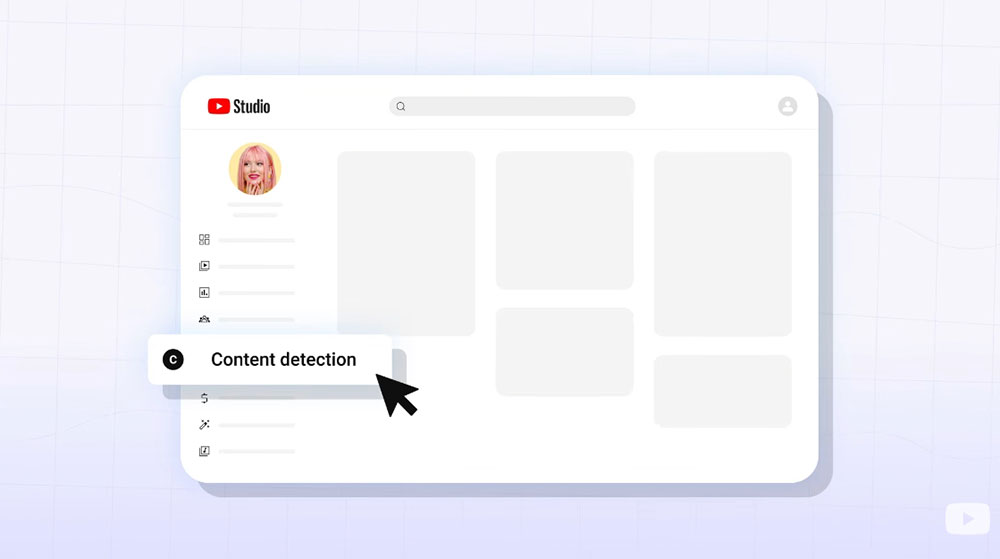
YouTube Launches New Tool for Creators to Combat AI DeepFakes
YouTube recently announcedwill expand its AI similarity detection system to more creators, allowing eligible users to more effectively track, review, and report videos that use artificial intelligence to mimic them. This feature was originally limited to a few pilot users in the YouTube Partner Program, but the platform now plans to fully open it to all eligible creators aged 18 and over in the coming weeks.
This system is integrated into YouTube Studio, with the core goal of helping creators identify whether anyone on the platform is using AI technology to generate or manipulate videos featuring their facial features. Essentially, YouTube’s detection tool will actively scan content that appears to mimic a creator’s likeness, and notify the creator for review when it finds suspected impersonation. If the creator believes the content violates YouTube’s privacy policy, they can directly submit a removal request.
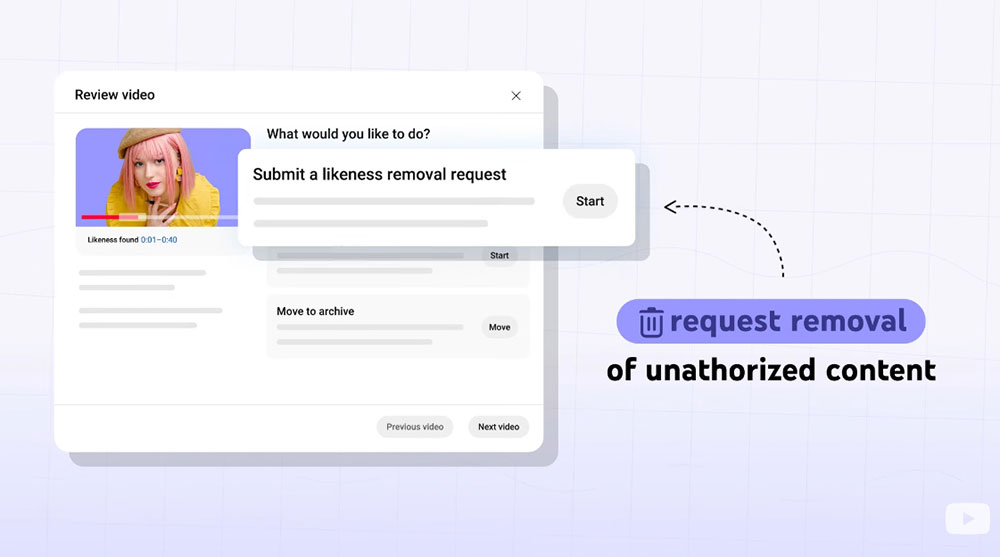
The importance of this feature goes without saying. Deepfake technology can already simulate a person’s facial expressions, voice tone, and even speaking habits with remarkable precision. For creators who rely on their personal image and trust relationships to build their audience, a single fabricated video can cause misinformation, damage reputation, and even lead to legal and commercial risks. YouTube says this tool is designed not only to protect creators, but also to help viewers more easily distinguish between real and fake content, avoiding being misled by AI-generated content.
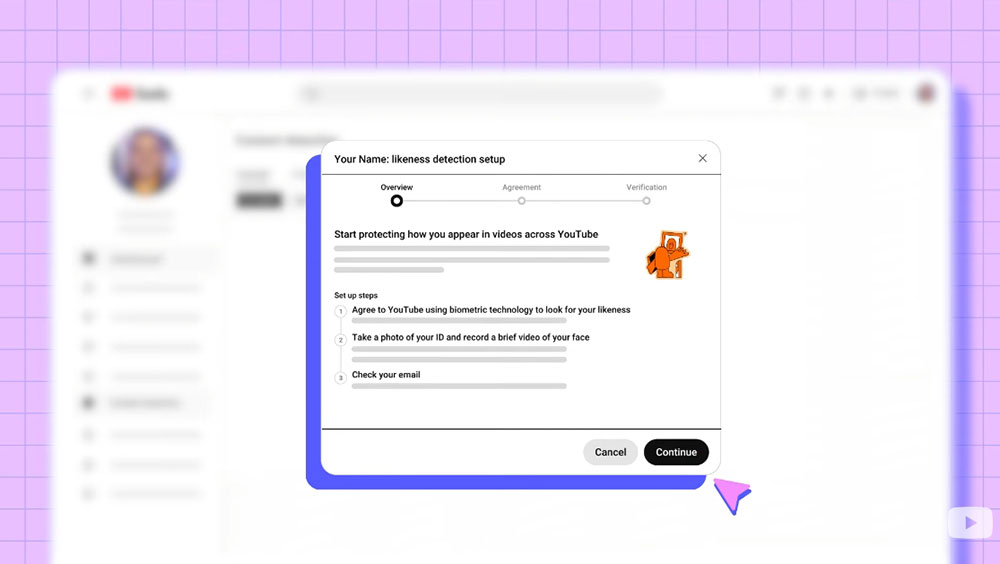
Once creators’ accounts are granted access, they can enable this feature directly in YouTube Studio on desktop. After completing the setup, the system will continuously scan in the background for AI-generated or modified videos on the platform that may use the creator’s facial information. Once potentially matching content is detected, creators can view detailed information in Studio and submit a removal request if appropriate.
It is worth noting that YouTube also reminds creators that enabling the feature does not necessarily mean they will immediately see any tagged videos. This does not indicate a system malfunction—it may simply be because no AI-generated videos using the creator’s face have been uploaded yet. Nevertheless, the detection system will continue running in the background and send notifications when necessary.

This update reflects a major turning point for the entire web platform ecosystem. The pace of AI development has far outstripped the ability of traditional content moderation mechanisms to adapt, forcing platforms to establish stronger safeguards against the spread of identity abuse, synthetic media, and deepfakes. For YouTube, this similarity detection system represents not merely a tool update, but a critical step in maintaining trust and safety as the platform navigates the AI era.
Source: KOCPC Chinese