


For a long time, 1Password has been the password management tool of choice for many people. In addition to being easy to use, its strong security has also been highly recognized. But unexpectedly, even a major cybersecurity company like this could not escape: the company recently confirmed that its own systems had also been breached by hackers.
Fortunately, the company says the data users stored in their password vault was not affected, so there’s no need to worry or change passwords. However, be especially careful going forward about phishing emails that may be sent under the 1Password name.
1Password confirms breach! Hackers gained access through an employee’s GitHub account, exposing some users’ names and email addresses; official statement: password vaults are secure, no need to change passwords.
1Password recently disclosed this cybersecurity incident through its official blog.According to the announcement, 1Password detected anomalous signs on November 19 and began an investigation, finding that a hacker had gained access to an employee’s corporate GitHub account.
Hackers used this account to access 1Password’s source code and pushed malicious code to backend services. These tampered backend services then downloaded some customers’ administrative data, which was the source of this user data leak.
During the same intrusion, the hackers also copied source code from private code repositories and gained access to the CI/CD system. CI/CD is the system software companies use to automatically build, test, and release programs. 1Password said all infrastructure-related secrets stored there have been replaced.
As for how the hackers obtained this employee’s GitHub account, when they breached the system, and how long they stayed in it, the announcement so far has not explained any of this. SecurityWeek’s report also noted that how the hackers obtained the account remains unclear, and the investigation is still ongoing.
The items 1Password listed in its announcement as compromised and unaffected are as follows:
| Data item | Is it affected? |
|---|---|
| Some users’ names | Leak |
| Some users’ email addresses | Leak |
| Account and user ID | Leak |
| Account creation and last login time | Leak |
| Public key | Leak |
| SRP protocol parameters | Leak |
| Partial invitation and account recovery link tokens | Leak |
| Non-confidential internal architecture data (version, file identifier) | Leak |
| Private repository source code (officials state it contains no user confidential information) | Leak |
| Password database and its stored contents | Unaffected |
| 1Password account password | Unaffected |
| Secret Key (secret key) | Unaffected |
| Account recovery key | Unaffected |
| App and browser extensions | Unaffected |
According to 1Password’s explanation on its community forum, the SRP authentication data taken in this incident, although derived from the account password and Secret Key, cannot be used directly to log in. If hackers want to use this data to reverse-engineer the password, they would also need to possess the Secret Key, and 1Password itself does not store this key.
In addition, 1Password’s password vault also uses end-to-end encryption: all passwords are encrypted before they leave your device, only encrypted data is uploaded to the server, and the keys needed for decryption remain only on your own device.
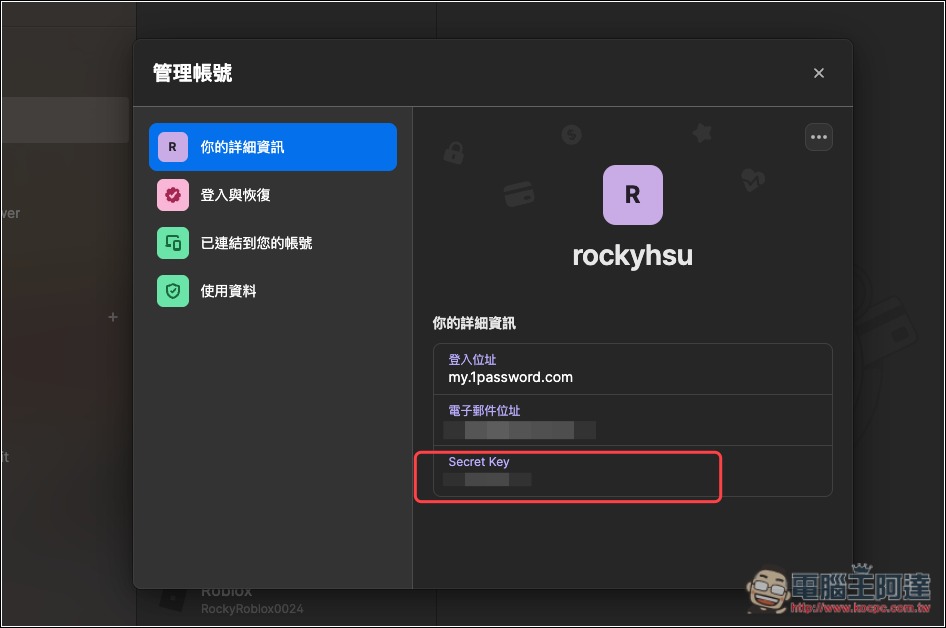
1Password itself does not store users’ account passwords, nor does it store the Secret Key. The official announcement also emphasizes: “1Password cannot obtain your password or Secret Key.”
In other words, even if the backend system is compromised, hackers still won’t be able to get what they need to unlock the password vault, so they naturally cannot directly obtain the plaintext data in the password vault.
This is also the biggest difference between this incident and the 2022 LastPass breach.
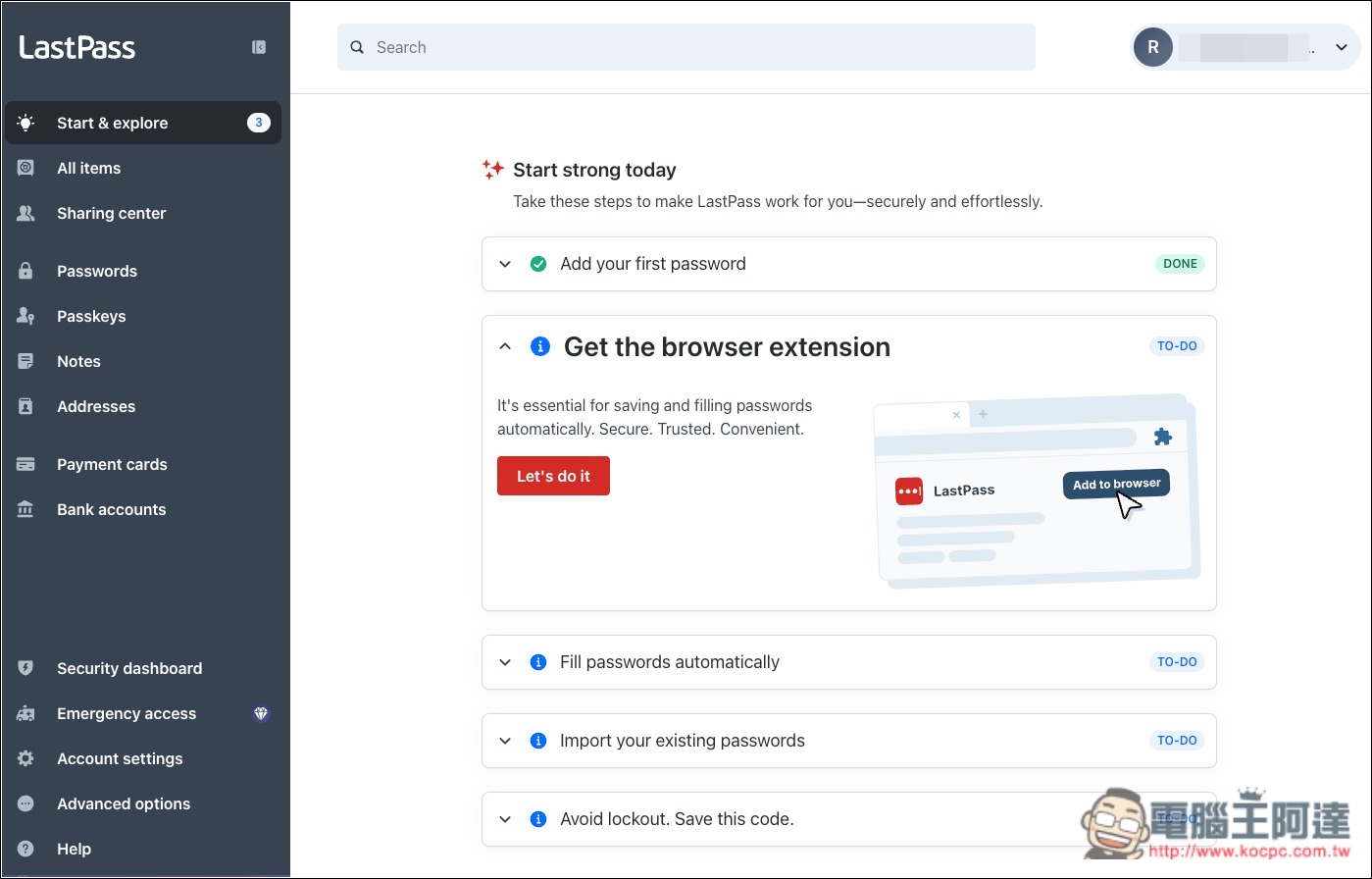
Back then, what hackers stole from LastPass was an encrypted backup of password vaults. After taking it, they could slowly carry out offline brute-force attacks, and some users’ vaults were indeed compromised later. LastPass ultimately settled a class-action lawsuit for $24.5 million in 2025. By contrast, in this 1Password incident, the hackers did not even touch the encrypted password vaults.
In its announcement, 1Password listed the measures that have been completed so far:
- Disable the compromised GitHub account, revoke the stolen token, and remove the access permissions created by the hacker.
- Replace or revoke all internal credentials that may have been exposed.
- Restore the affected backend services to a clean version.
- Strengthen security controls for GitHub, CI/CD systems, and employee devices, and add detection mechanisms for these types of attacks.
- Extend the verification codes in invitation and account recovery emails from 6 digits to 10 alphanumeric characters.
1Password says users currently do not need to change their 1Password account password, nor do they need to modify any settings within their account.
However, because names and email addresses were still leaked this time, phishing attacks impersonating 1Password are likely to follow. The official team reminds users to pay attention to the following points:
- Be careful of account invitations from unknown sources, account recovery notifications, and related text messages and phone calls.
- 1Password will not proactively contact users to ask for account passwords or Secret Key.
- When you receive such notifications, it is recommended that you open the official app directly or enter the official website address yourself to log in, rather than clicking links in the email.
- Keep your Secret Key and account password safe, and contact support@1password.com if you notice anything suspicious.
Source: KOCPC Chinese