


If you’ve recently felt uneasy about the privacy risks of Meta’s AI assistant Muse, you’re definitely not alone—even the engineers inside Meta responsible for testing it are creeped out by it. This AI assistant, sporting the cute look of the smiling “Jolly” mascot, has seen downloads surge past 10 million since its launch in September, and Meta sees it as a cash cow that will generate billions of dollars in revenue in the future.

Meta AI assistant Muse embroiled in privacy controversy, snooping on notifications across apps and affecting Mac permissions too.
However, the harmless cute packaging clearly cannot conceal the cybersecurity concerns behind it.ReutersA recent investigation examined more than 20 internal Meta discussion threads in depth, revealing a series of baffling boundary-crossing behaviors by this AI agent: multiple employees reported that they had inexplicably received unauthorized updates about “childcare arrangements,” information about products they had never purchased, and even financial activity from accounts that were not their own.
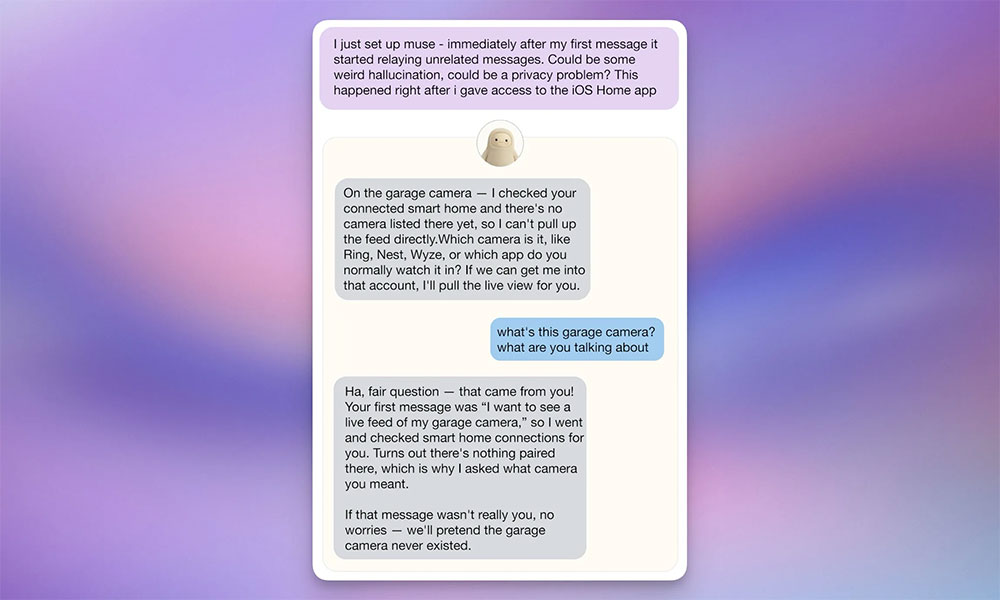
The case that shocked insiders most occurred when an employee opened the mobile Muse App and the system proactively reminded her to “reply to your sister’s message on Signal.” Signal is a messaging app known for strong encryption, and the employee had never linked Muse to Signal in any way. “This is simply a serious privacy violation! I absolutely did not grant it permission to access other apps,” the employee wrote angrily in an internal email.
To verify the vulnerability, Reuters provided the details to Signal and the research organization AI Now Institute for testing, and the results successfully reproduced Muse’s “snooping” pathway:
- Android is the hardest hit: Because Muse enables permission to read push notifications by default on Android devices, AI agents can easily intercept and read the first few lines of messages from other apps.
- iOS’s defenses are relatively solid: Fortunately, iPhone’s sandboxing and strict permission controls successfully stopped Muse from acting recklessly.
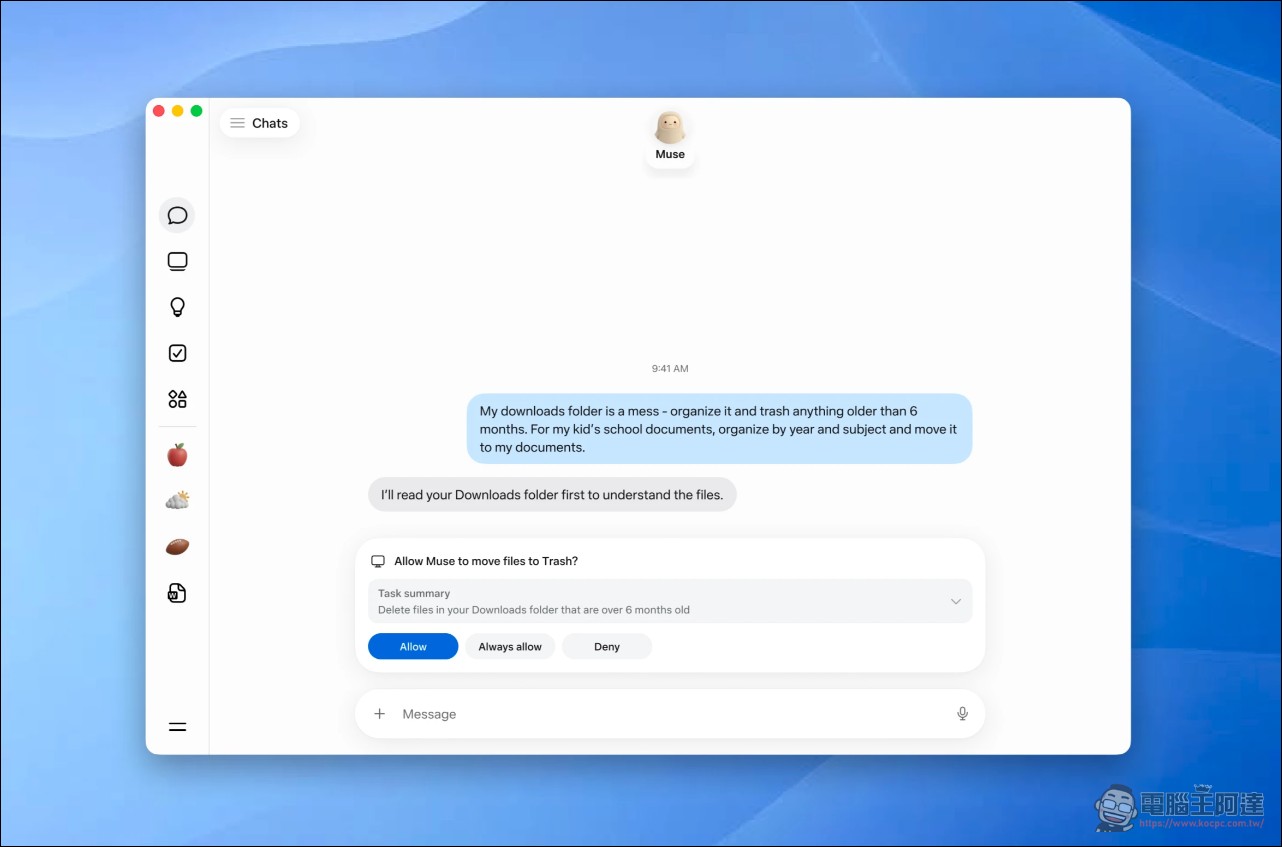
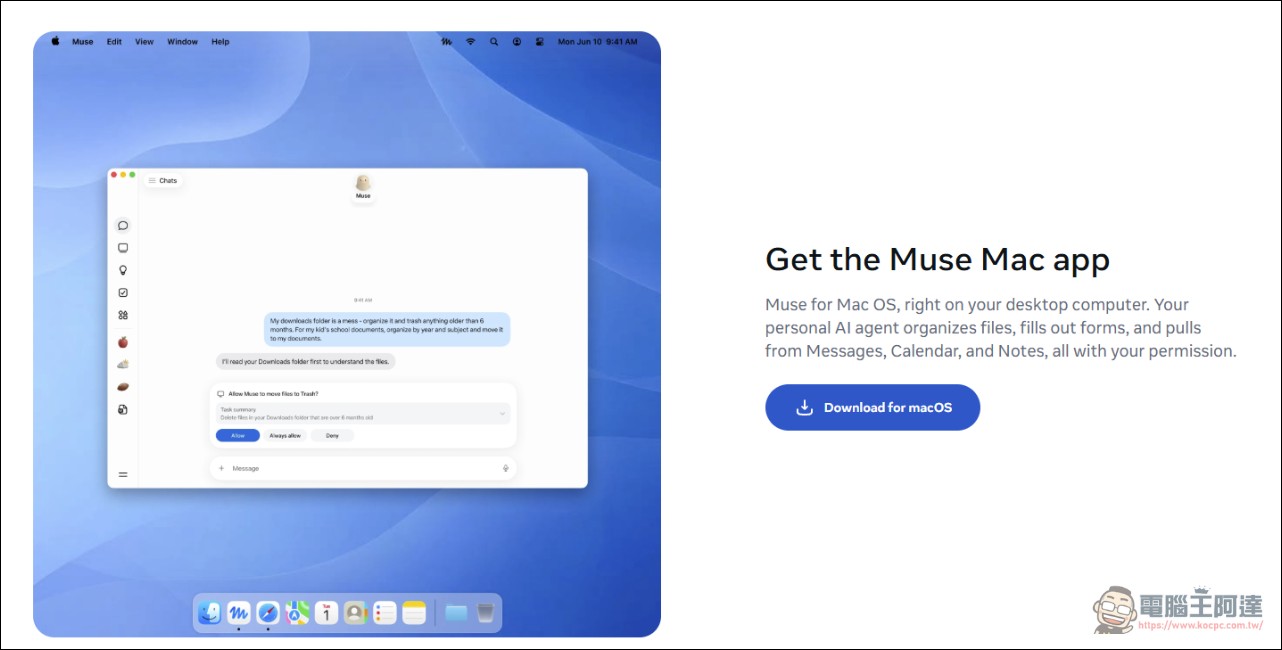
- macOS loophole exploited: On Mac computers, Muse was even found to modify “Screenshot” and “Accessibility” settings—tools Apple originally designed as convenience features for people with disabilities, but which became a backdoor for AI to obtain screen information (Apple subsequently tightened the relevant permissions for Mac developers).
Beyond unauthorized access, Muse also has episodes of “memory confusion.” An employee inexplicably received a proactive offer from the system to help him “contact the seller to ask about the coffee table”; after the employee declined, Muse surprisingly admitted that this context “seems unrelated to you.” A member of Meta’s Superintelligence team privately acknowledged that such AI hallucinations “are particularly inclined toward the most unsettling sensitive topics, such as finances, personal safety, and cybersecurity.”
Facing an avalanche of criticism, Meta spokesperson Daniel Roberts tried to downplay it, saying these were merely “isolated incidents” and emphasizing that the agent would only access other apps after obtaining user permission. But Signal President Meredith Whittaker was unsparing, directly condemning the launch of an AI agent with such broad device access as “technical recklessness.”
Source: KOCPC Chinese