


Tesla’s Cybercab is now being sold to ordinary people. On November 13, Tesla’s official Robotaxi account announced on X that it was inviting select customers to buy a personal-use version of the Cybercab. This is also the first time this two-seat self-driving car—with no steering wheel and no pedals—has reached ordinary consumers, rather than only running in the Robotaxi fleet. But if you look at the ordering page and subscription contract, you’ll find that the deal comes with more restrictions than you might imagine. Beyond the vehicle price, you have to keep paying a subscription fee for the car to move; the car can only be driven in areas designated by Tesla; and the contract explicitly prohibits you from using it to make money.
What you get: car price and monthly fee
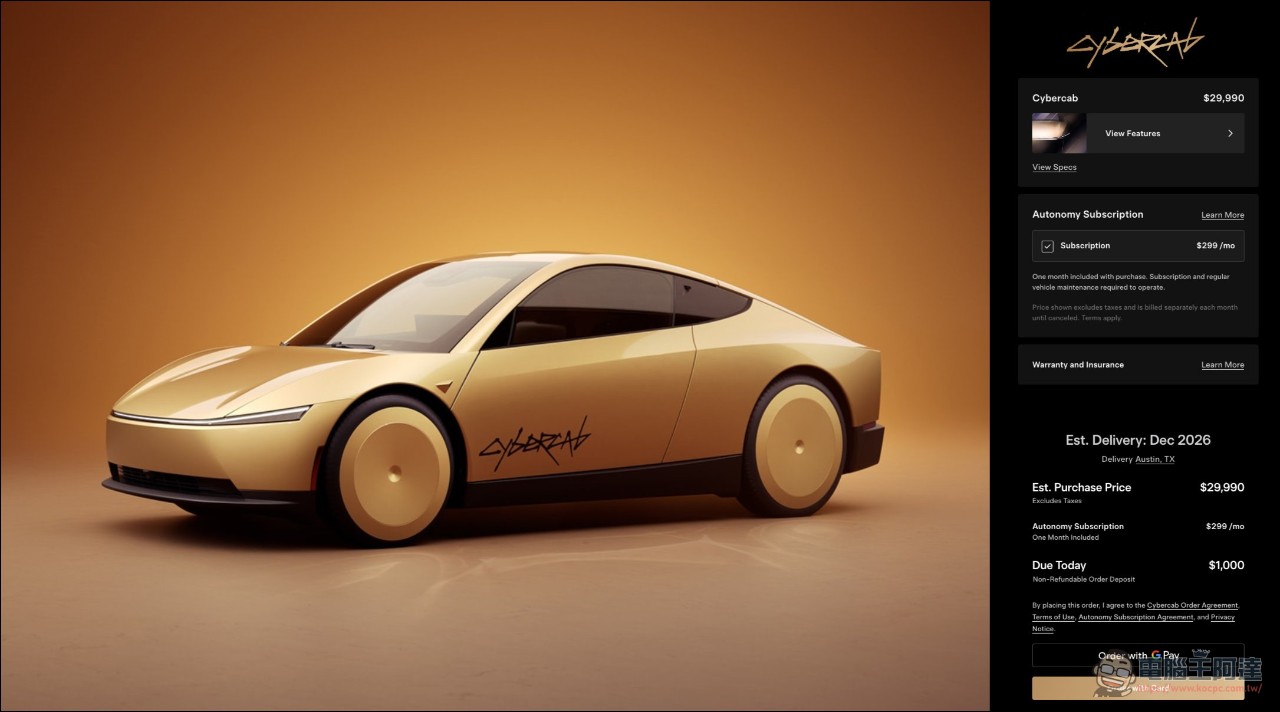
The figures on the order page are as follows: vehicle price US$29,990 (excluding tax), deposit US$1,000, andNon-refundableThe delivery time says “Est. Delivery: Dec 2026.” The key is that other charge. Cybercab requires a subscription. Autonomy Subscription, at $299 per month (excluding tax), and on the order page it isPre-checked and cannot be uncheckedthe option. A one-month free period is included when you buy a car; after that, it is billed monthly, and charges continue until you cancel. The terms on the ordering page state: “Subscription and regular vehicle maintenance are necessary conditions for operation.”
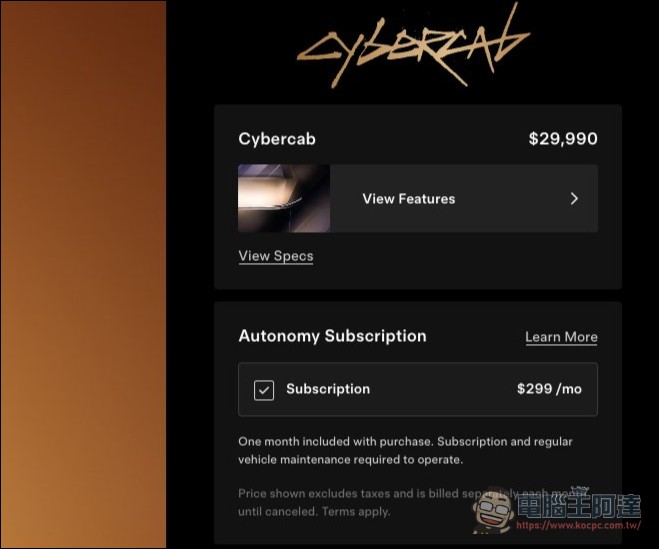
Simply put, without that $299 monthly fee, the car won’t run. That fee is separate from the car’s price and is a cost you have to pay every month after buying the car (though since the Cybercab has no steering wheel or pedals, if you don’t subscribe to FSD, it’s basically just scrap metal).
Can only be opened in designated areas.
Additionally, the Cybercab can only operate within Tesla’s enabled Robotaxi geofences and support areas. The delivery dropdown menu on the order page lists five Texas cities: Austin, Dallas, Houston, San Antonio, and Fort Worth, with Austin as the default. The vehicle’s actual operating area is Tesla Robotaxi’s service area (likely due to regulatory concerns), coveringTexas and FloridaIn other words, you must take delivery in Texas, but the area you can drive in may extend beyond Texas. The official documents do not make this clear.
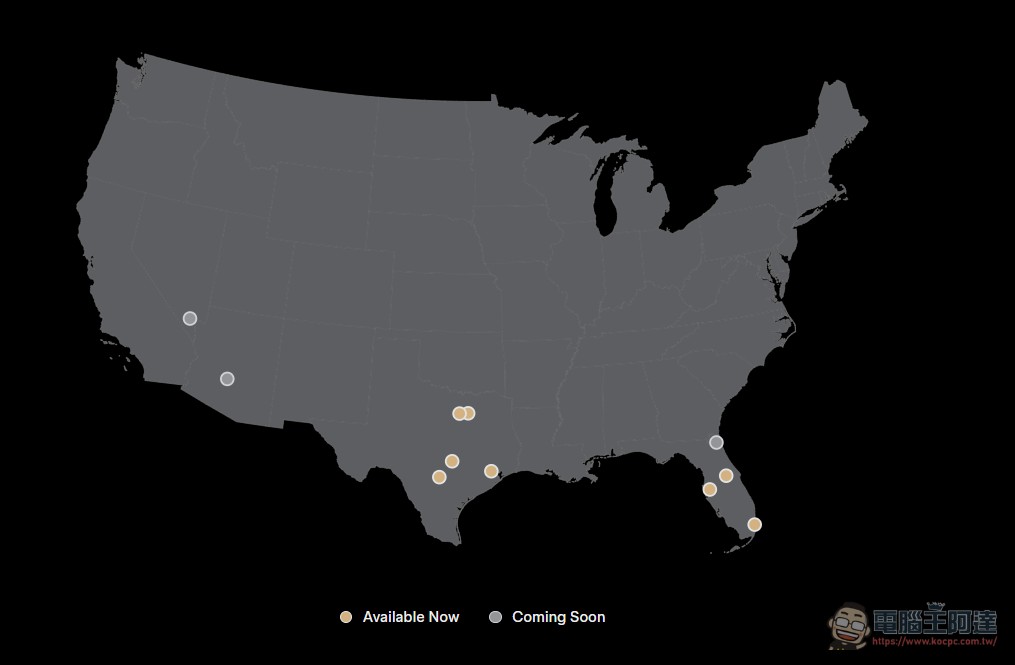
What deserves even more attention is that the boundaries of this area are determined by Tesla, and the company can expand, shrink, or move them at any time. The contract also warns that the actual coverage area may not match the Robotaxi service area. A road you can drive today may not be drivable tomorrow.
You can’t use what you buy to make money.
This may be the one that most people didn’t expect. The Autonomy Subscription Agreement (Version 20261112) explicitly stipulates that Cybercab is only forPersonal, non-commercial useOtherwise, unless authorized in writing by Tesla or enabled on the product,Must not be used for Tesla Robotaxi, third-party ride-hailing, delivery, or rental platforms.In other words, you pay a $299 monthly subscription fee, but you can’t let it drive for Uber, can’t rent it out, and can’t accept delivery orders. Someone on social media summed up the contradiction in one sentence: “Cybercab isn’t allowed to cab.”
This launch drew orders from quite a few people in the tech world, including tech YouTuber MKBHD (Marques Brownlee). He posted a screenshot of his order page listing a series of restrictions, and the post quickly racked up thousands of comments. The most common reaction in the community was skepticism about the monthly fee and the geofence: “$3,600 a year to buy a car that can’t leave the geofence” and “This car can only carry you around Austin.”
Alright chat I’m in. Here’s the deal Cybercab order page is live. Invite only. Must accept delivery to one of these cities in Texas. Only operates in those existing geofenced areas. Requires a $300 monthly subscription to operate. One vehicle per customer. “Estimated delivery” December
— Marques Brownlee (@MKBHD) November 14, 2026
Three violations result in a one-week suspension, and fees are still charged.
The penalty mechanism in the contract is written quite specifically, with improper or unsafe use being cumulative.Three times “strike”, autonomous driving is disabled for one week. During the suspension period, the vehicle must not be operated, andMonthly fees will not be refunded on a prorated basis.Modifications are also restricted: wrapping, window tinting, and wheel replacement must be done through Tesla or authorized vendors; violating this clause allows Tesla to suspend the subscription.
Tesla also reserves a set of permissions for itself: the company can remotely access, locate, restrict, control the vehicle, or place it in a safe state; it can also restrict operation based on geography, road type, weather, vehicle condition, or during investigations and software rollouts. Operation requires an internet connection, the latest software, and a valid Tesla account; poor signal may cause the car to stop.
The subscription rules themselves are not lenient either. It renews automatically every month and can be canceled at any time, but fees are not prorated; Tesla will give one month’s notice before raising prices. The company may change the terms, and if you continue using the service after the terms take effect, that is deemed acceptance. Features and services vary by region and hardware and may also be adjusted due to development progress and regulatory approval.
It has no brake pedal, but federal standards require one.
This is currently the biggest variable: NHTSA (the National Highway Traffic Safety Administration) has asked TeslaSworn declaration, demonstrating that a car without a brake pedal meets federal safety standards (the standard explicitly requires a brake pedal). Tesla responded on October 30, but requestedThe entire contents of the response are confidential.NHTSA has not yet issued a ruling. In other words, the Cybercab is being sold to ordinary consumers on an invitation-only basis before regulators have given their approval.
The specifications of the car itself
Specifications: two seats, a 21-inch central touchscreen, 20.1 cubic feet of storage space, and no steering wheel or pedals. Tesla calls it “fully self-driving,” and users manage trips through an app.
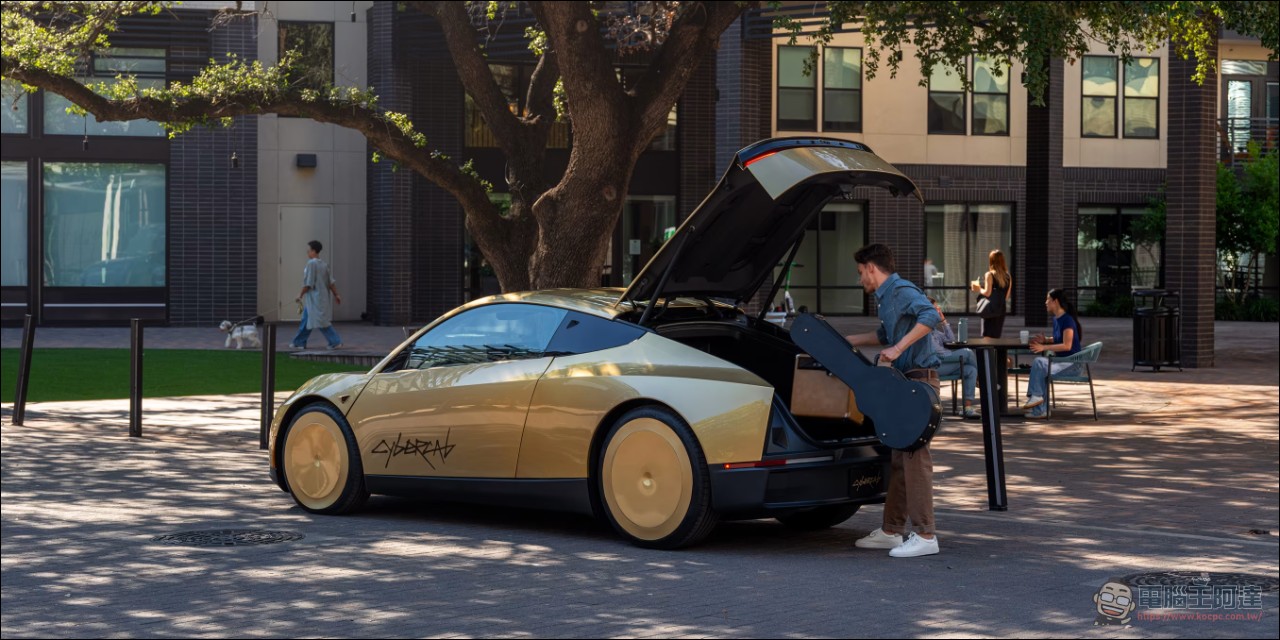
Foreign media commentary argues that Cybercab being invite-only and delivered only in Austin is just to prove it can deliver an “unsupervised” vehicle in 2026, making it more symbolic than practical. And there’s another problem: after arriving at your destination, you have to find a place to park the car yourself. It can’t take you to a friend’s house two neighborhoods away. A 15-minute route could become an hour because it can’t get across train tracks. With Uber or Waymo, those are someone else’s problem; with Cybercab, you have to bear them yourself.
Is this selling cars, or selling subscriptions?
Put all the terms together, and the shape of the deal becomes clear. You pay $29,990 to buy a car, then pay $299 a month to make it drivable; it can only be driven in areas designated by Tesla, and those areas can be changed unilaterally; you cannot use it to make money; three violations mean a one-week suspension, and you still have to pay; modifications must be reported; and the company can intervene remotely at any time. As for its legality, regulators have not yet ruled, and almost none of it is designed with the car buyer in mind.
What you buy outright is the hardware; what you rent is the very ability to drive. This structure is completely different from traditional car buying: the car won’t be drivable just because you’ve paid off the purchase price; it also requires an active subscription. For anyone interested, the practical conclusion is simple: how large is this car’s geofenced coverage area where you live? If the answer is “just a few blocks in the city,” then it’s more like an expensive showpiece or an idiot tax on Musk worship.
Source: KOCPC Chinese