


After the community recently cracked NVIDIA’s unreleased DLSS 5 neural rendering technology and successfully ported it to older RTX 30 and 40 series graphics cards, developers have now brought this technology to the Nintendo Switch 2. Developer EDMIRE used a capture card to bridge an external PC, successfully applying DLSS 5 effects to Super Mario Odyssey running on actual Switch 2 hardware, giving the classic Mario characters intricate textures and lighting effects that far surpass the original visuals.
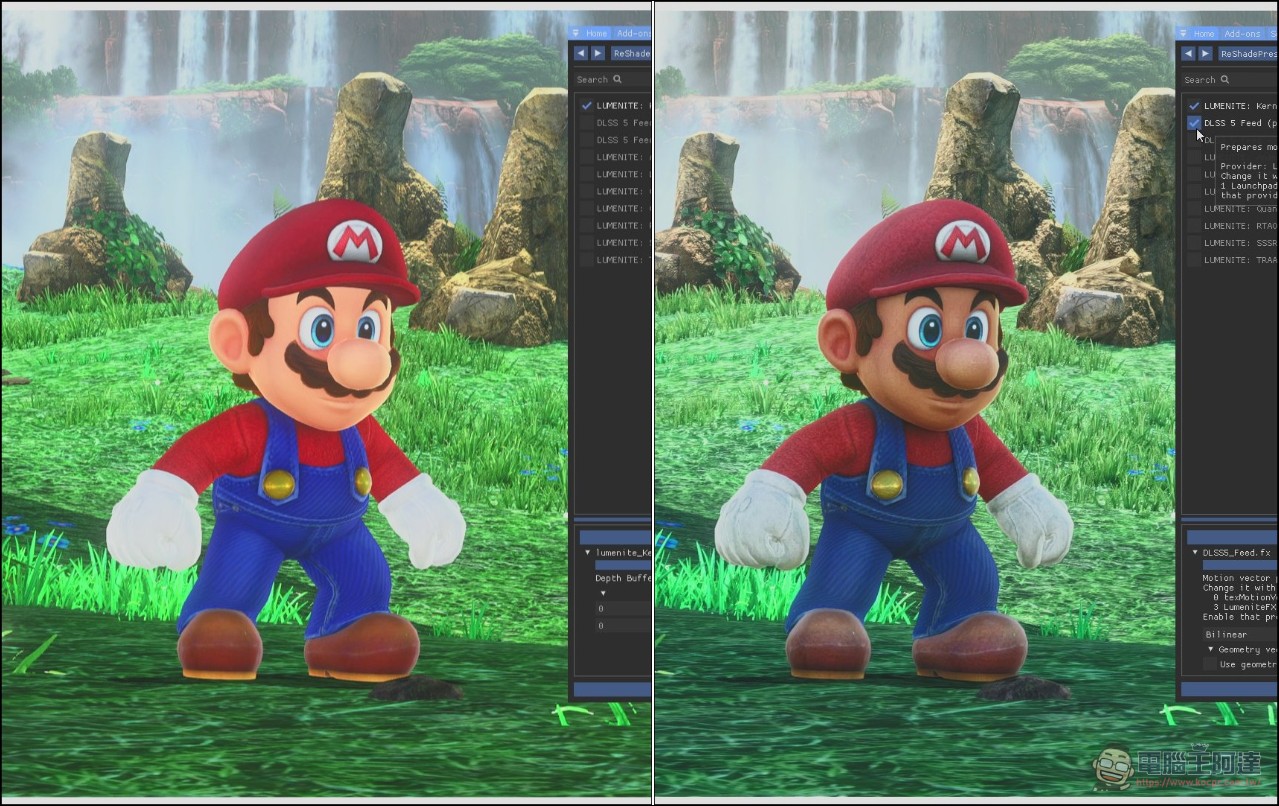
Real hardware footage, not an emulator — Mario’s materials and textures have seen a major evolution.
EDMIRE uploaded a demonstration video of Super Mario Odyssey featuring DLSS 5 neural rendering technology on platform X, running approximately three minutes long, showcasing a complete visual comparison of the New Donk City level before and after DLSS 5 processing. The video notably switches to the Switch 2 Home menu screen, providing irrefutable proof that the footage comes from actual Switch 2 hardware output, rather than a PC emulator or pre-rendered video. The Mario character in the game exhibits a significant visual leap, with the fabric texture of his red cap and outfit appearing more dimensional and vivid, the leather texture on his shoes clearly visible, and skin rendering looking more natural and realistic. The overall visual style preserves Nintendo’s original art direction while incorporating refined lighting and shadow effects approaching ray-tracing quality.
Super Mario Odyssey – DLSS 5 New Donk City Showcase.
This is not an emulator, this is the Switch 2 pic.twitter.com/zdmmMpaFDY
— EDMIRE (@EDMIRE2k) August 31, 2026
Technologies like DLSS 5 are quite helpful for adding detail to games, but they aren’t necessarily suitable for every title—games with a beautiful or cute Japanese art style, for instance, can look rather jarring. An overly realistic Mario ends up producing an uncanny visual feel that clashes sharply with Nintendo’s signature cartoon aesthetic. While these third-party modifications are technically impressive, the gap from the official direction is also quite evident. Regardless of how it’s received, this demo itself has certainly sparked extensive discussion within the gaming community about the potential applications of DLSS 5.
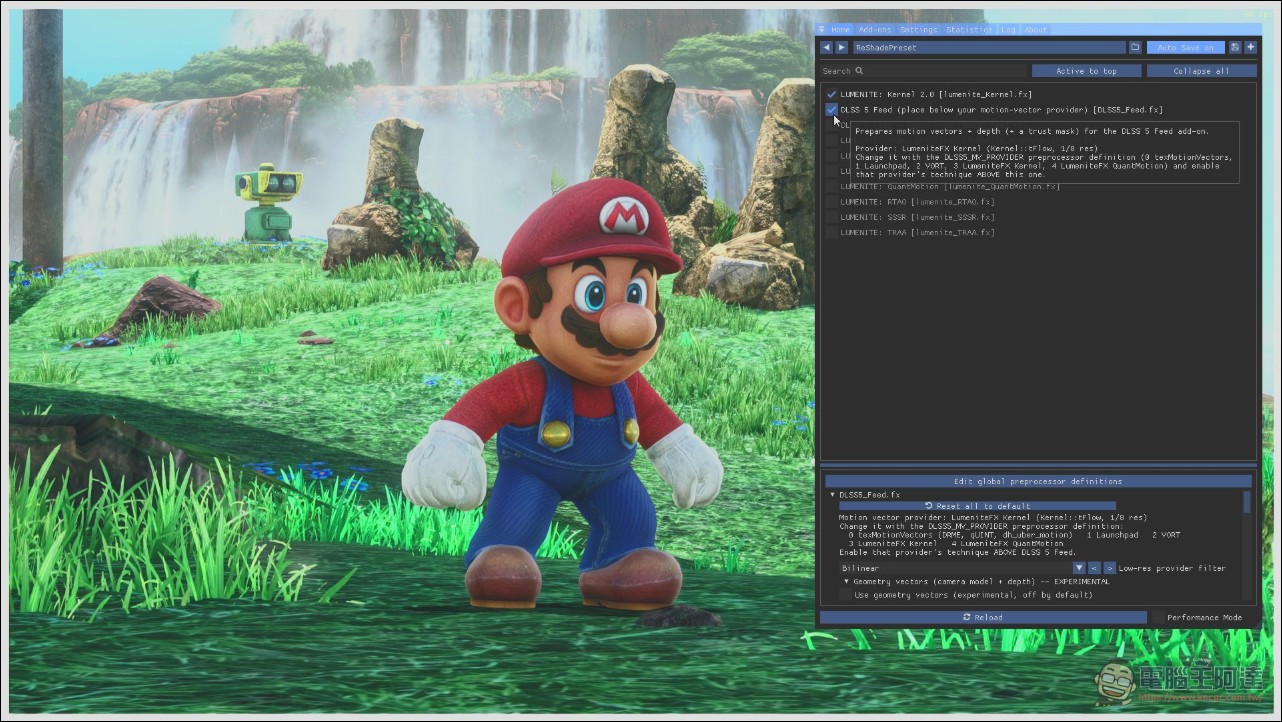
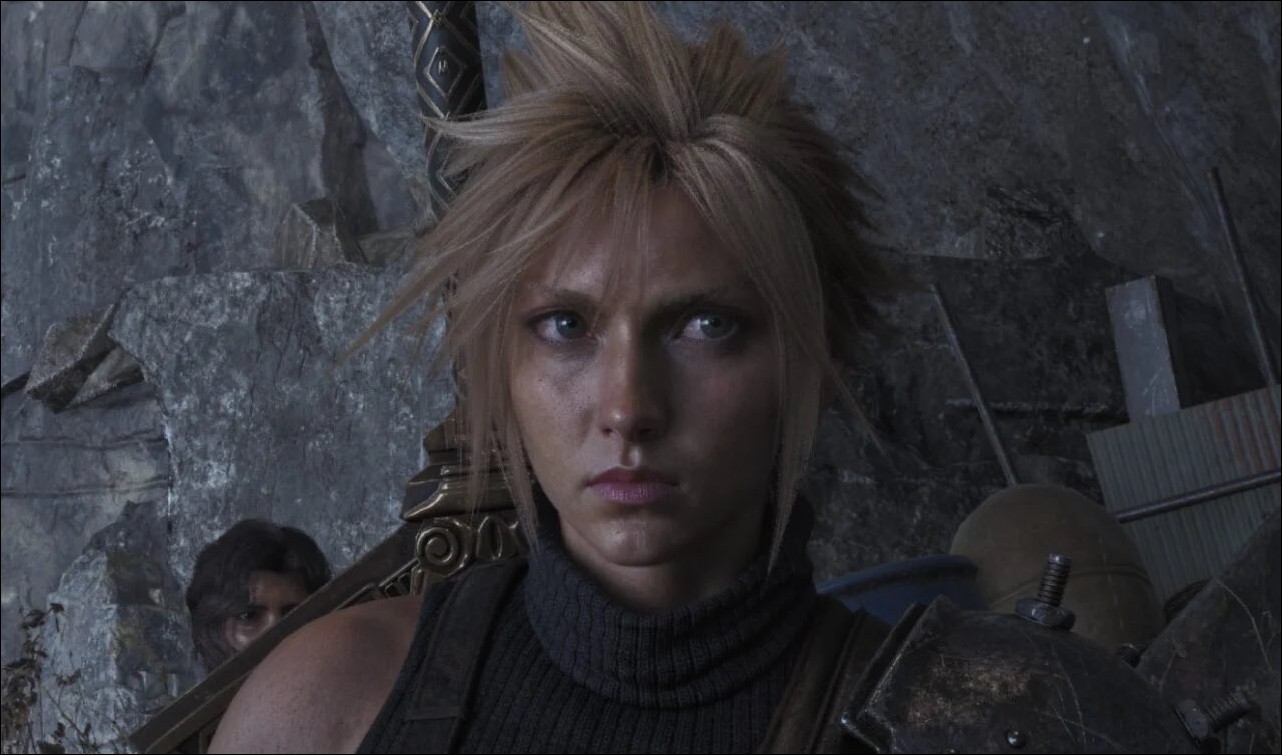
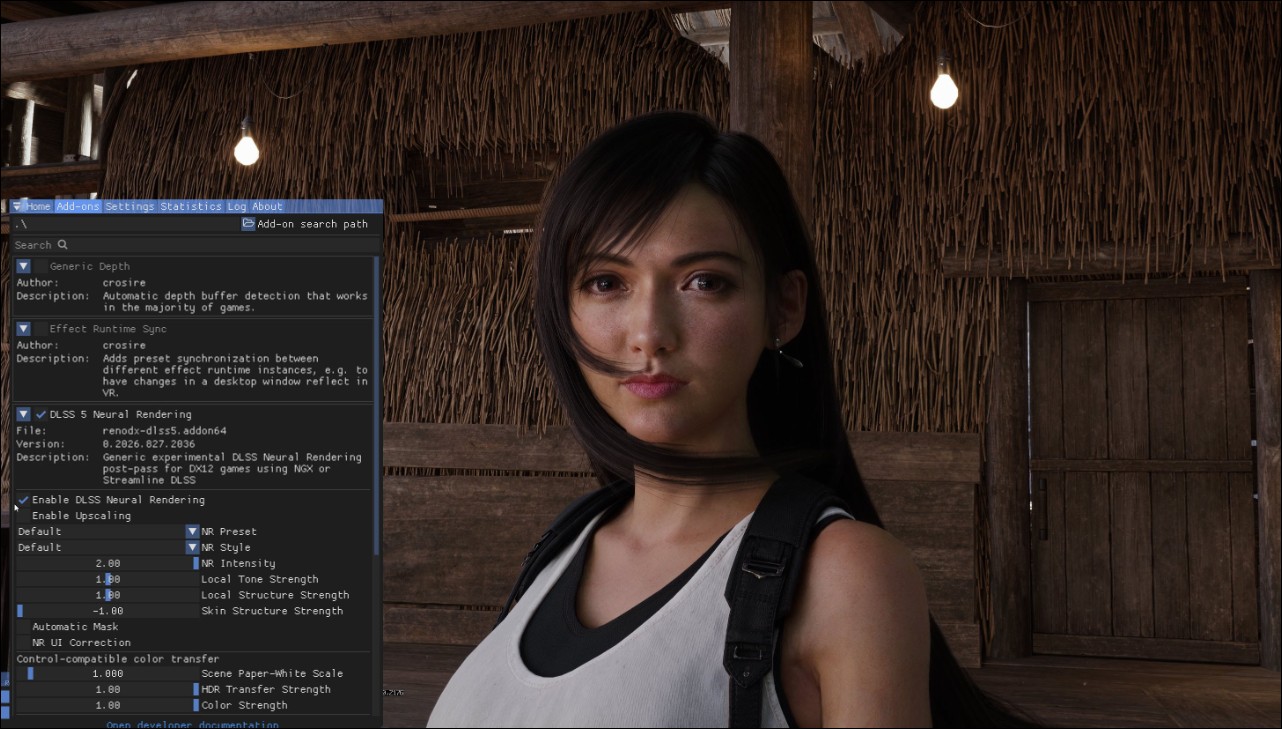
Scene-aware algorithms: reconstructing depth information from external signals
For DLSS 5 to function properly, it must obtain complete scene rendering information directly from the game engine, including Depth Maps, Motion Vectors, and geometric structure data, in order to perform precise neural image quality reconstruction. However, when the image is captured externally via a capture card, this internal structured engine data is entirely inaccessible—only the final pixel output signal is available. To resolve this fundamental challenge, EDMIRE independently developed a scene-aware algorithm capable of analyzing the scene structure within HDMI capture frames in real time, automatically reconstructing depth information and spatial correspondence relationships, and then feeding the converted structured data into the DLSS 5 neural rendering model for final processing.
“this is not the Switch 2, this is a PC”
“Its using emulation”
This is indeed, the Switch 2, the visuals are being injected into HDMI capture. https://t.co/3Tv6wk9T8N pic.twitter.com/trxjiO7EzI
— EDMIRE (@EDMIRE2k) September 1, 2026
EDMIRE also applied this technology in testing for *Donkey Kong Bananza* and *The Legend of Zelda: Breath of the Wild*, achieving similar image quality improvements in both. This cross-game versatility also demonstrates the generalization capability of the scene-aware algorithm.
DLSS 5 used in BOTW on Switch 2.
Here is an extended 1440p 60fps gameplay session with ALL of the DLSS 5 sliders turned all the way up. pic.twitter.com/VRsjYzMcw2
— EDMIRE (@EDMIRE2k) August 31, 2026
The NVIDIA Ampere-based chip used in Switch 2 does not receive official optimization support in the leaked DLSS 5 SDK files, and the console itself lacks the native FP8 processing capability that DLSS 5 relies on. This makes it highly unlikely that Switch 2 will natively support DLSS 5 in the future.
DLSS 5 Leak Controversy: From NBA 2K27 to a Full-Scale Online Cracking Frenzy
The source of this DLSS 5 crack wave comes from DLL files accidentally leaked in the early access version of NBA 2K27. This technology was initially only able to run natively on the RTX 50 series Blackwell architecture, as it relies on Blackwell’s exclusive FP8 Tensor Core instruction set. Modder Uncle Burrito was the first to successfully bypass the hardware restrictions by modifying the architecture check mechanism in CUDA binary files, making DLSS 5 compatible with the RTX 40 series Ada Lovelace architecture, and released the first demonstration of the port within hours. The RenoDX Discord community then took over, further expanding the port to the RTX 30 series Ampere architecture. The entire cracking and porting process took less than a week from the DLL leak to supporting three generations of graphics cards, making it arguably the largest DLSS community cracking operation in recent years.
NVIDIA has not yet announced an official release date or supported GPU lineup for DLSS 5. The industry broadly expects the technology to debut alongside the next-generation RTX 60 series graphics cards. The current DLSS 4.5 version supports back to the RTX 20 series and remains the mainstream upscaling solution available in most games today. For Switch 2 players, the chances of seeing DLSS 5 officially arrive on the console in the near term are extremely slim. EDMIRE’s experiment reads more like a demonstration of technical feasibility than an actually playable solution. That said, the showcase does highlight the development potential of neural rendering technology in gaming.
Source: KOCPC Chinese