


In the past two years, Microsoft has almost only opened the local AI functions of Windows 11 to Copilot+ PCs. The main reason is that Copilot+ PCs must be equipped with NPUs that meet the specifications. Microsoft has bound many AI functions to this hardware, such as Windows Recall, Click to Do, real-time subtitle translation, Paint Cocreator, etc. Therefore, for consumers, if they want to use the built-in local AI of Windows 11, they seem to have to buy a Copilot+ PC. The good news is that Microsoft has recently begun to quietly relax this matter in the experimental version update of the Windows App SDK.
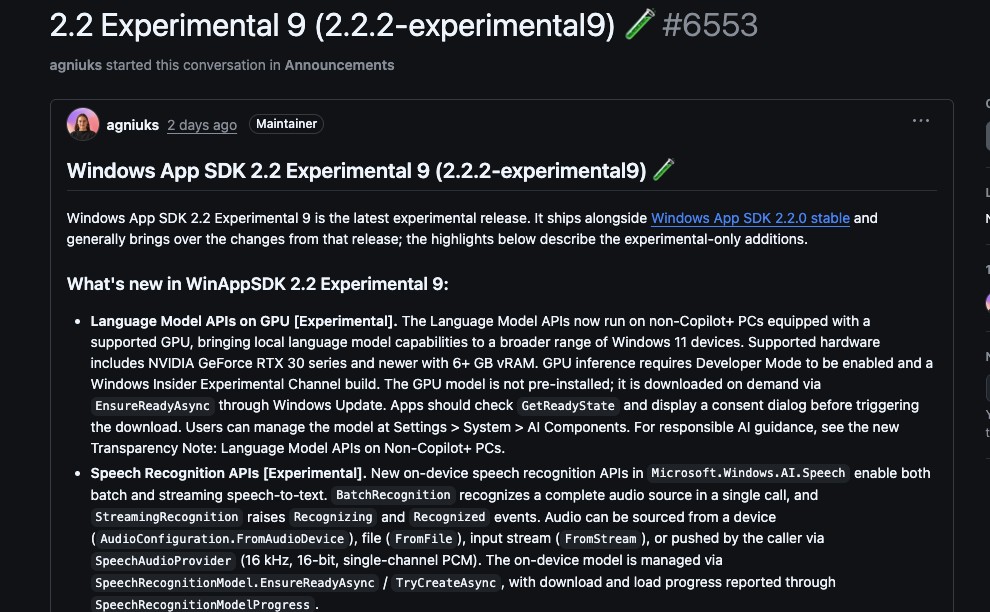
According to foreign media Windows Latest, Microsoft has added the “Language Model APIs on GPU” experimental function in the Windows App SDK 2.2 Experimental 9 announcement, allowing non-Copilot+ PCs to run Windows 11’s local language model API through the GPU as long as they are equipped with a supported NVIDIA GeForce RTX 30 series or above graphics card and have more than 6GB of VRAM.
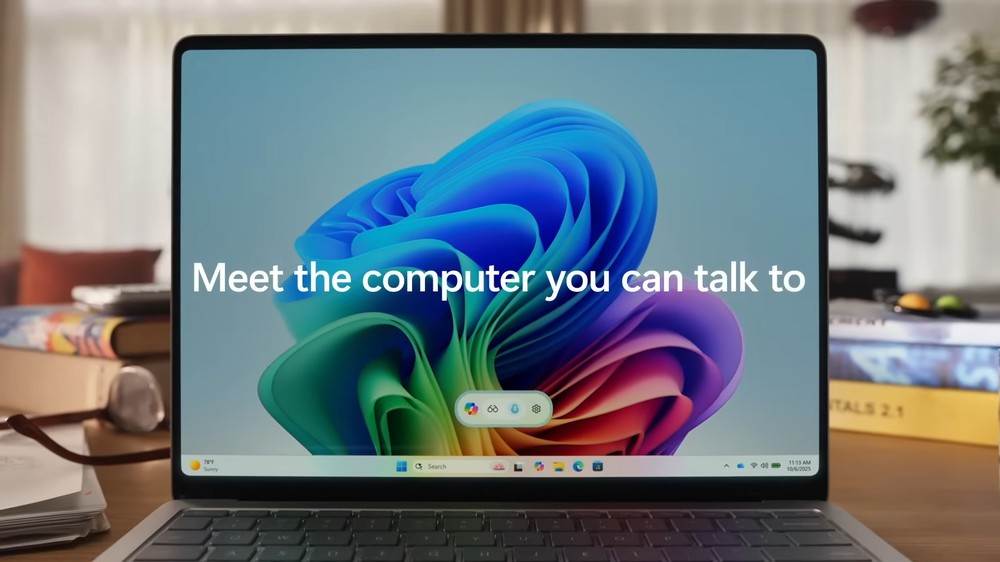
Image source: Windows Latest
Microsoft quietly loosens Win11 native AI: RTX 30 series or above, 6GB VRAM can also run Language Model APIs
According to foreign media Windows Latest According to reports, Microsoft is GitHub The announcement clearly stated that Language Model APIs can now be executed on non-Copilot+ PCs equipped with GPU support, allowing more Windows 11 devices to have local language model capabilities. The officially listed supported hardware conditions are: NVIDIA GeForce RTX 30 series and newer graphics cards, and require more than 6GB VRAM:
However, it should be noted that this loosening does not mean that you will suddenly get a lot of Windows 11 native AI features, but it allows developers to call the local Language Model APIs in their Windows Apps and run the model through the GPU. In other words, it is more like opening up the underlying capabilities first, and then it depends on how Microsoft’s own apps, third-party apps, and developer tools will be connected.
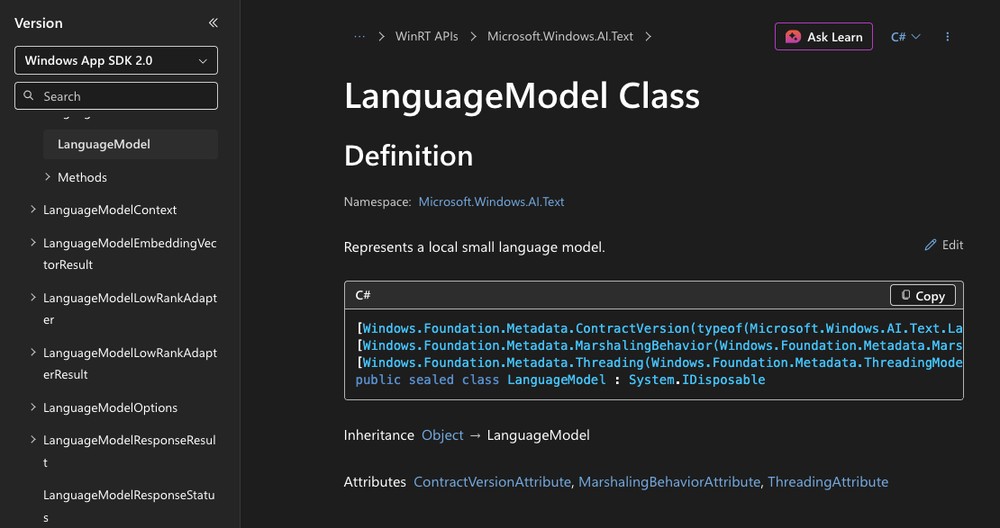
Language Model APIs are a set of APIs that allow Windows applications to directly access native AI capabilities. They are driven by a small language model called Phi Silica. In the past, unless you purchased a Copilot+ PC, Windows PCs did not have built-in AI models by default. With this change, you will be able to download the Phi Silica model to your computer through a Windows Update call and execute it locally using the GPU if supported.
Currently, applications can use the following Windows AI features:
- Provide AI text formatting capabilities in applications using the Windows.AI.Text API
- Summary function
- Overwrite function
- Text to table function
- General prompt generation
The Windows Latest report also mentioned that Microsoft used to package Copilot+ PC as the only way to execute local AI, but this is not a design limitation. The GPU is more powerful and can execute AI models better than the NPU. However, Microsoft hopes to make Copilot+ PC more attractive, so it limits local AI functions such as Windows Recall and Click to Do to PCs with NPU.
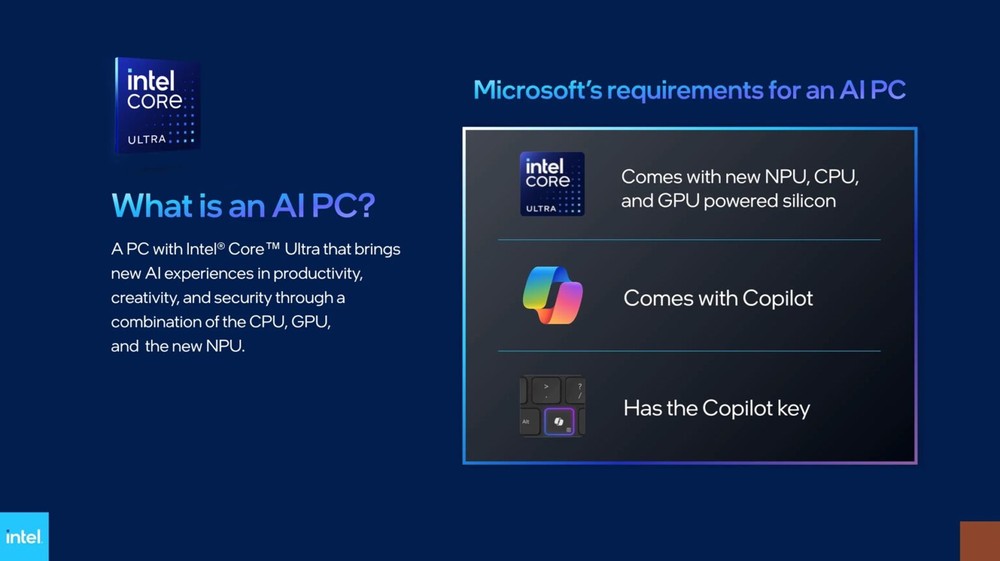
Image source: Windows Latest
As time goes by, as AI local tools become more and more popular, it seems to have forced Microsoft to make changes before releasing this news at this time.
Will AI functions such as Recall and Click to Do also be available? For now, Microsoft has no plans.
Source: KOCPC Chinese