


It took 144 years to build the Sagrada Família in Barcelona, Spain. The Tower of Jesus Christ was officially opened on June 10, 2026 with a consecration ceremony presided over by Pope Leo XIV. With a height of 172.5 meters, the Sagrada Familia officially surpasses Ulm Cathedral (161.5 meters) in Germany to become the tallest church building in the world. The same day was also the centenary of the death of architect Antoni Gaudí, and a large number of people poured into the streets of Barcelona to celebrate the event.
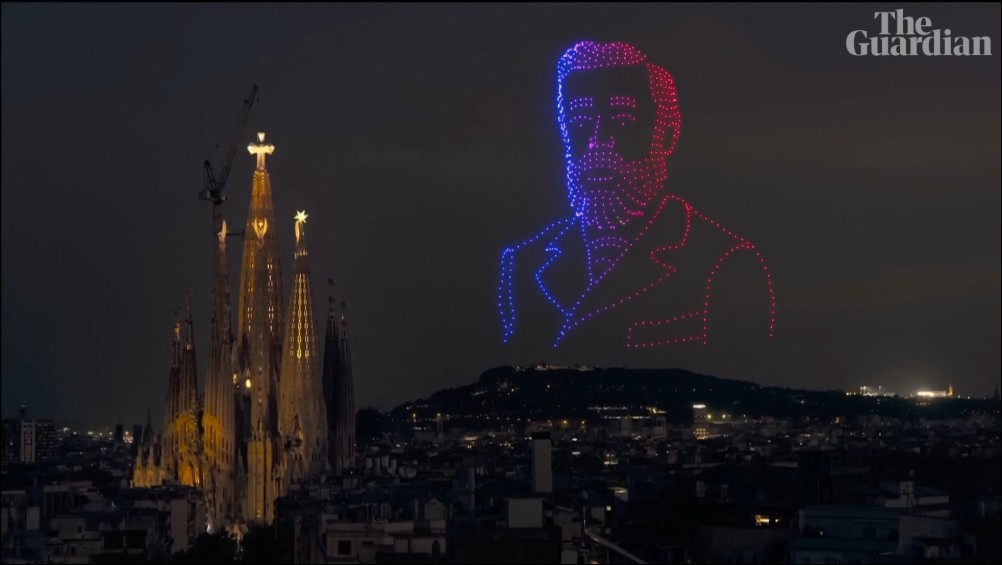
From 1882 to 2026: a long march of architecture across the centuries
The cornerstone of the Sagrada Familia was laid in 1882. The following year, Gaudí took over the project and devoted his entire life to it. The Spanish Catalan architect is good at drawing inspiration from nature and integrating wavy curves, light, shadow and color into architectural design, creating a unique modernist style. His masterpieces also include Palazzo Guell, Casa Batlló, La Pedrera, etc., but the Sagrada Familia is the masterpiece that he devoted his life to.
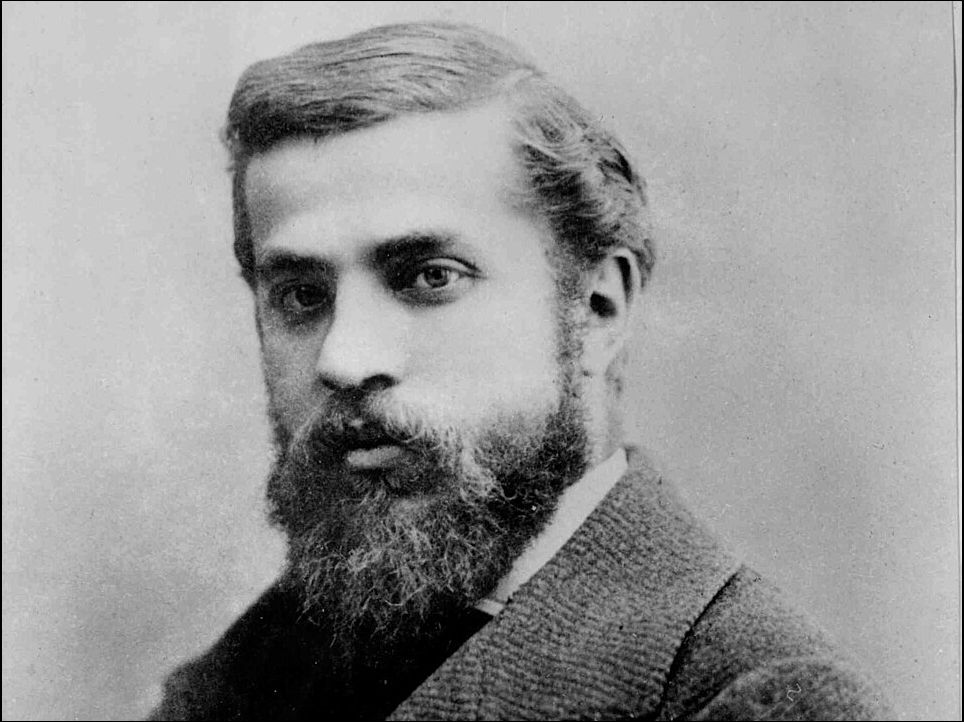
Gaudi died in a tram accident in 1926, with only about 15% of the building completed. In the following decades, due to various factors such as war and lack of funds, the construction of the Sagrada Familia was intermittently funded by private donations and tourist ticket revenue. Despite the slow progress, the project never came to a complete halt.
In 2010, Pope Benedict XVI dedicated the Sagrada Familia, giving it the status of a minor basilica, even though the building was still under construction. Breakthrough developments in recent years include the completion of six towers and the installation of the top sculptures of the Evangelist and the Virgin Mary. On February 20, 2026, the final components of the cross of the Jesus Christ Tower were officially installed, raising the temple to the design height of 172.5 meters.
Construction of the Jesus Christ Tower began on October 16, 2018, with the first structural elements installed at a height of 85 meters. The tower is the centerpiece of Gaudí’s vision of a “vertical city of sacred symbols”, surrounded by the four towers of the Evangelists and the Tower of the Virgin Mary. The completion of the Jesus Christ Tower represents the completion of the overall architectural form of the Sagrada Familia and symbolizes that this huge project is coming to an end.
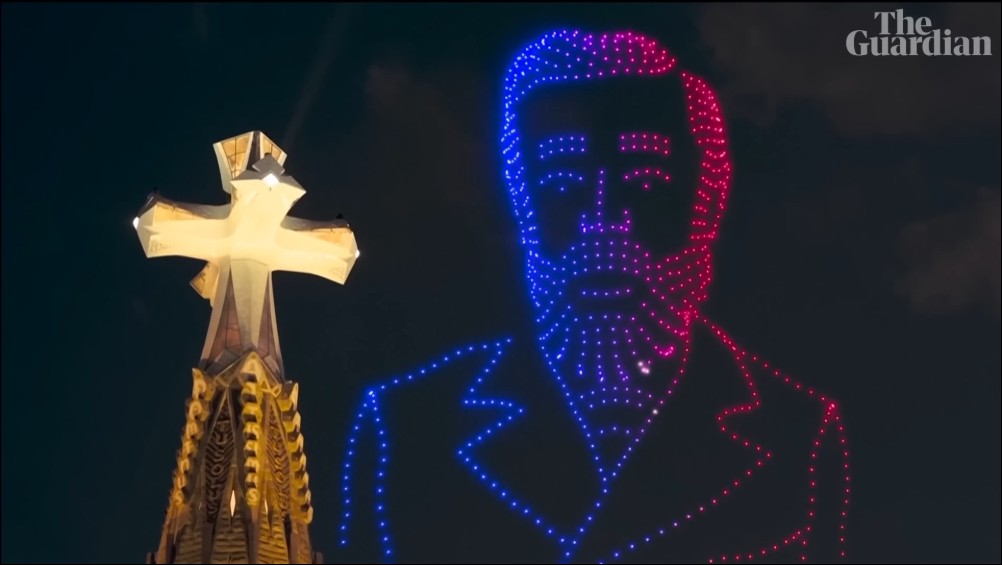
Consecration: Spanish royal family gathers with 8,200 faithful
The celebrations on June 10, 2026, coincide with the centenary of Gaudí’s death. At 10 a.m. that day, representatives of the building committee laid flowers in front of Gaudi’s tomb in the crypt of the Sagrada Familia; at 7:30 p.m., Pope Leo XIV presided over a solemn Holy Eucharist ceremony, which was concelebrated by cardinals, bishops and priests, and musicians and choirs from all over Catalonia participated in the performance.
The Spanish King and Queen, Prime Minister and Catalan officials attended the mass. There are 4,200 seats inside the temple and about 4,000 seats outside with large screens. During the Mass, the Pope performed a symbolic dedication ceremony for the Tower of Jesus Christ. The interior renovation of the Tower of Jesus Christ is expected to be completed in 2028, and all remaining work on the Sagrada Familia is scheduled to be completed by 2034.
HTC VIVE Arts: Using immersive technology to extend cultural heritage experience
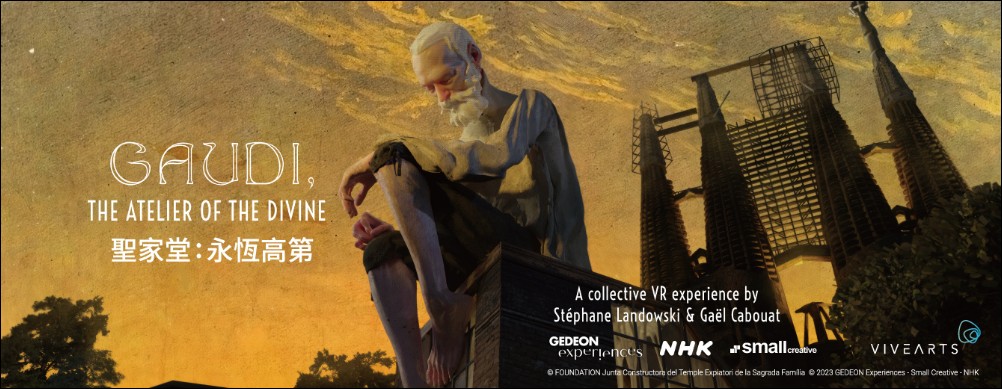
As the Sagrada Familia usher in a historic moment, HTC’s VIVE Arts, which is committed to promoting the integration of technology and art, has once again attracted international attention for its immersive XR experience of “Sagrada Familia: Eternal Gaudi”. This work has been exhibited in Spain, Taiwan and China in the past. It uses innovative technology to allow the audience to enter the Sagrada Familia in a different way from the traditional visit and experience the unique spirit of Gaudi’s architecture that integrates nature, faith, light and shadow and structural aesthetics.
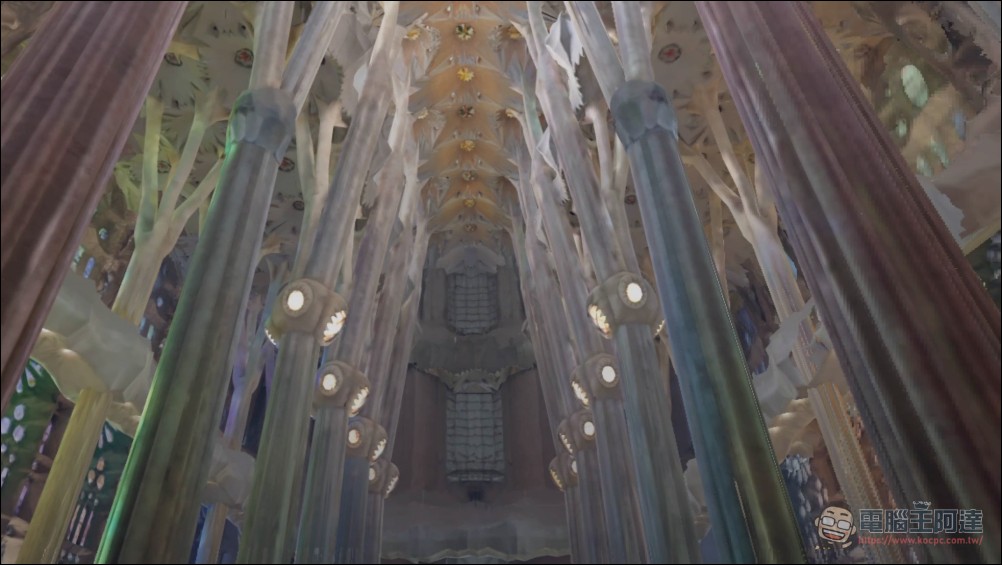
The core technology of the work is the 360° panoramic reproduction of Gaudí’s classic architecture. The audience becomes Gaudi’s disciples and personally participates in the construction journey of the Sagrada Familia, moving from the creative sketch on paper into an immersive space. This experience mode allows the audience to no longer be just a spectator, but to become a part of Gaudi’s creative journey.
Kaohsiung Zhanqiku: First complete exhibition in Taiwan
Taiwanese audiences can experience this exhibition at “VIVELAND VR Virtual Park Zhanqiku” in Kaohsiung’s Asia Bay District. The “Sagrada Familia: Eternal Gaudi” walking VR exhibition, which will open in December 2024, will be the first complete presentation of this experience in Taiwan. This VIVELAND venue was jointly built by HTC and the Kaohsiung City Government under the guidance of the Industrial Development Administration of the Ministry of Economic Affairs, and is positioned as a “5G XR interchange hub.” Wearing the HTC VIVE Focus Vision all-in-one machine, the audience can enjoy 5K resolution, 120° wide field of view and precise hand tracking technology. Through HTC G REIGNS’s 5G private network and XR edge computing technology, they can easily immerse themselves in Gaudi’s creative space without wearing a computer backpack.
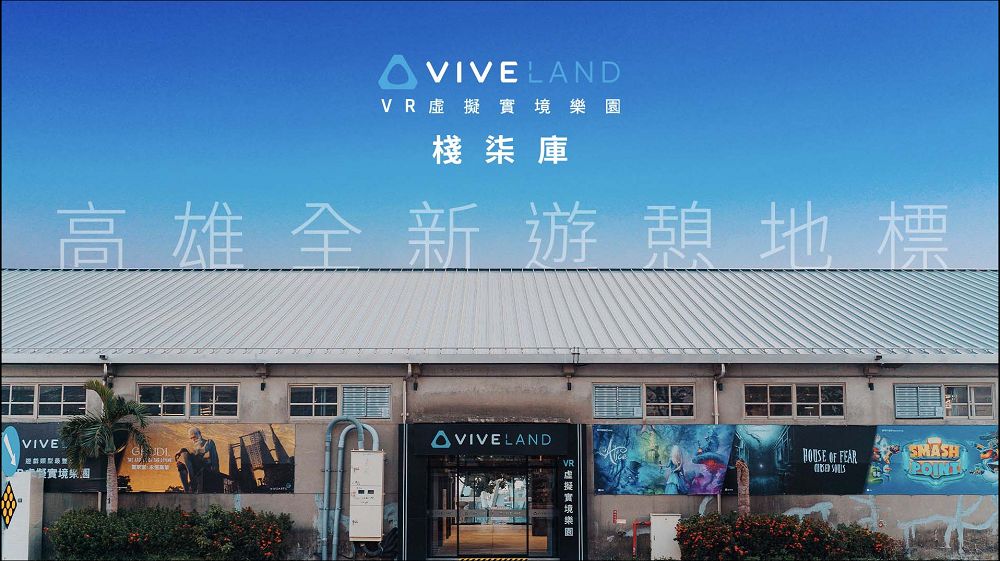
The exhibition site also combines innovative technology to present a free “5G giant water curtain interactive show”, injecting the unique charm of technology and culture into the Kaohsiung harbor. The exhibition has attracted many people since its opening and received a high rating of 4.8 on the Klook platform, making it the most popular technological and cultural attraction in Kaohsiung’s Gangbin District at the end of the year and the beginning of the year.
Next step: Entering the Japanese market
HTC stated that VIVE Arts is continuing the Asian tour of “Sagrada Familia: Eternal Gaudi”, planning a new subsequent performance of the work in the Japanese market, and continuing to use immersive technology to extend the preservation, promotion and experience of world cultural heritage.
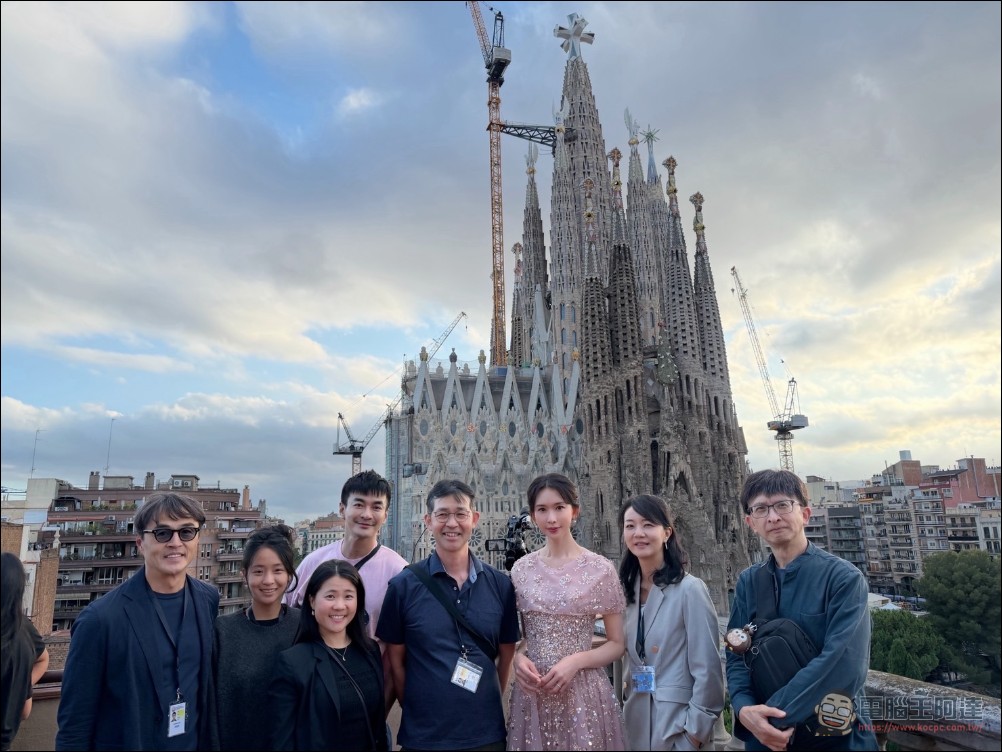
Ye Xinyu, Director of VIVE Arts, said: “The value of cultural heritage lies not only in its preservation, but also in whether it can be understood and felt by more generations. When media records allow the world to see the historic milestone of the Sagrada Familia, immersive technology allows viewers who cannot be there in person to enter the internal context of cultural assets and further understand architecture, art and creative spirit from watching events.”
Ye Xinyu further pointed out that when promoting the immersive experience of “Sagrada Familia: Eternal Gaudi”, it was precisely in the hope of using technology to break through the limitations of time, distance and site, so that the audience can enter Gaudi’s architectural world in a more intuitive and participatory way, so that precious culture can be re-experienced and continuously passed on.
Conclusion
From the foundation stone in 1882 to the 172.5-meter Jesus Christ Tower in 2026, the construction process of the Sagrada Familia spanning 144 years is an architectural epic in itself. The “sacred symbolic vertical city” envisioned by Gaudí is gradually being realized, and the immersive experience of HTC VIVE Arts has opened up another way to understand and experience this world cultural heritage. As the physical building of the Sagrada Familia continues to move towards its full completion in 2034, the Sagrada Familia in the virtual world has taken the lead in allowing global audiences to enter Gaudí’s architectural world as participants.
Source: KOCPC Chinese