


Just because I want you to drive more seriously, it is not difficult to understand that Google’s driving experience will make the mobile phone-specific Assistant Driving Mode fall out of favor, and it will be relatively more biased towards Android Auto and the new Android Automotive OS. This year’s I/O is really only going to talk to you about the evolution projects of the latter two – it seems that the big screen is the way to go! Continue reading Android Auto’s big summer update focuses on the new multi-tasking interface that can adapt to a variety of car screen reporting content.
▲ Image source for this article: Google
Highlights of Android Auto’s big summer update: speed camera warning, split multi-tasking new interface can adapt to a variety of car screens
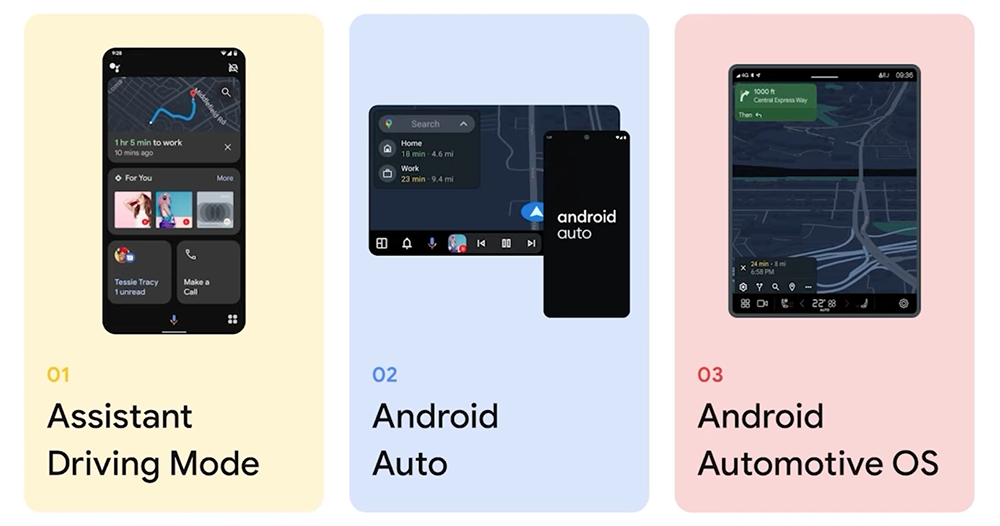
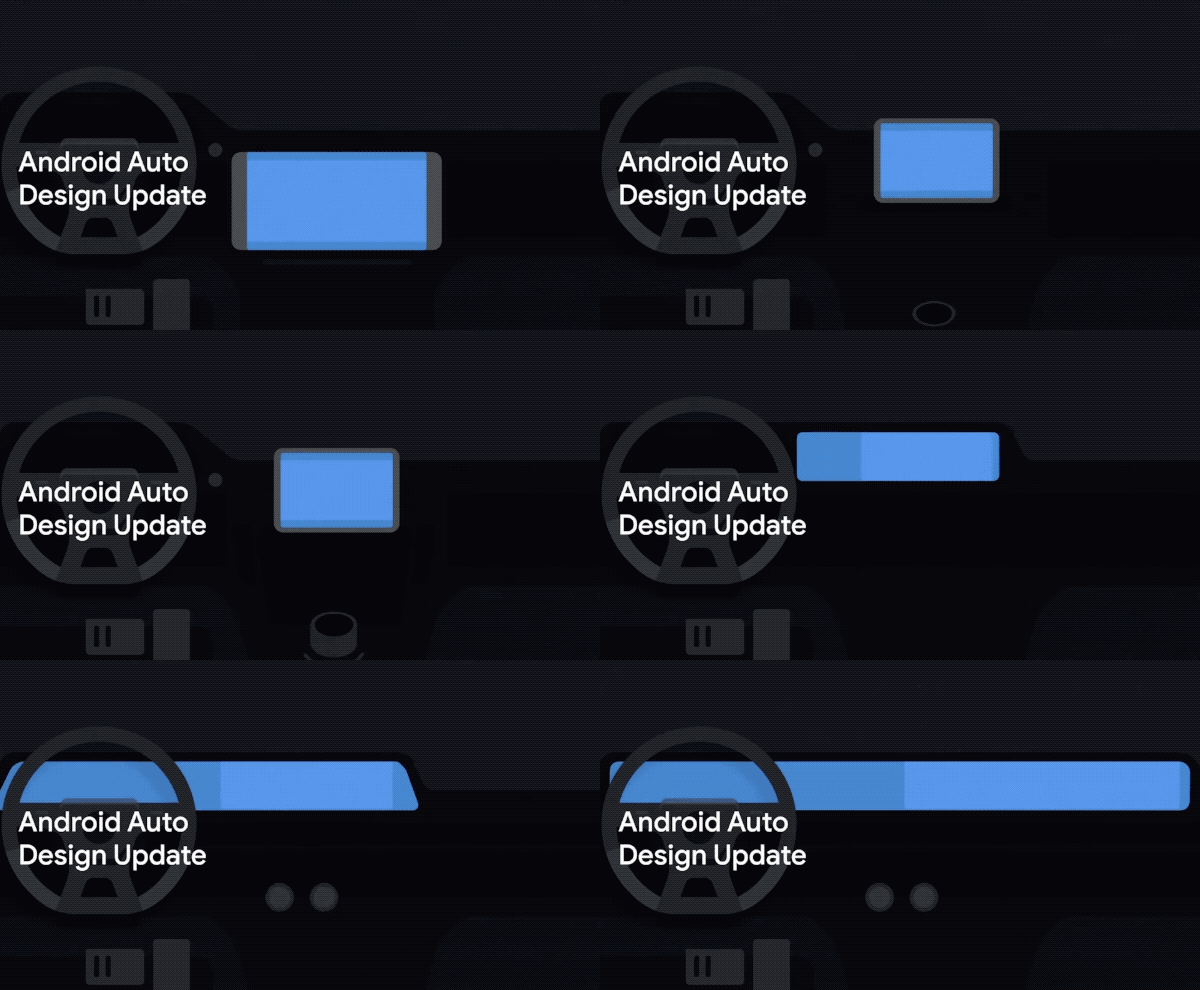
If you ask me what the focus of this update of Android Auto and Android Automotive OS is, I personally think that interactivity should be the main focus of this I/O improvement on the in-vehicle system – whether it is functions that can actively report or interfaces corresponding to various ratios of in-vehicle screens. The other key point is probably the new UI human-machine interface, right?
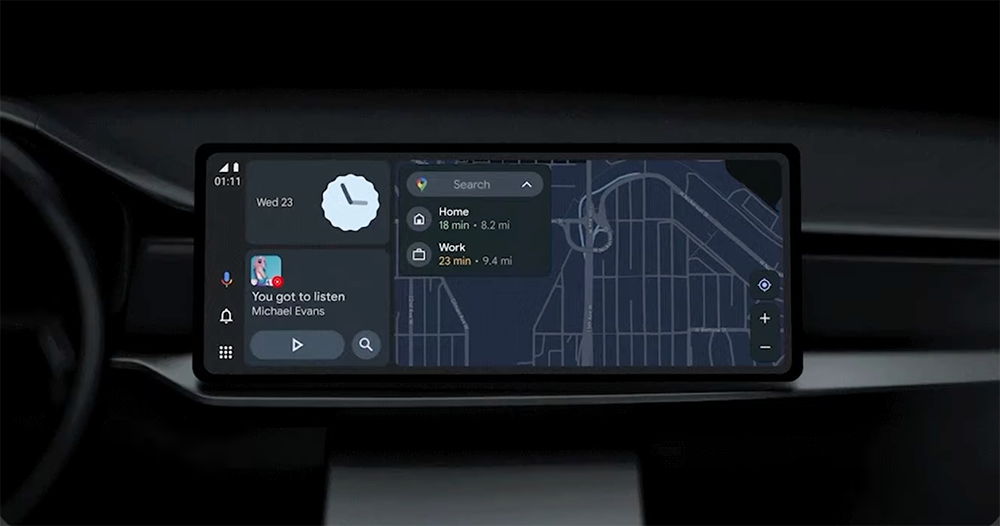
In the new interface, you can see two additional rectangular multi-tiles, which can be said to have moved the originally thin quick toolbar into a window. In addition to the main functions such as navigation, you can control the calendar schedule, missed calls, and of course the music playback function in two small windows (the quick control also has an album icon); the status bar is still retained, but it will appear on the left and right or at the bottom according to the long side of the screen.
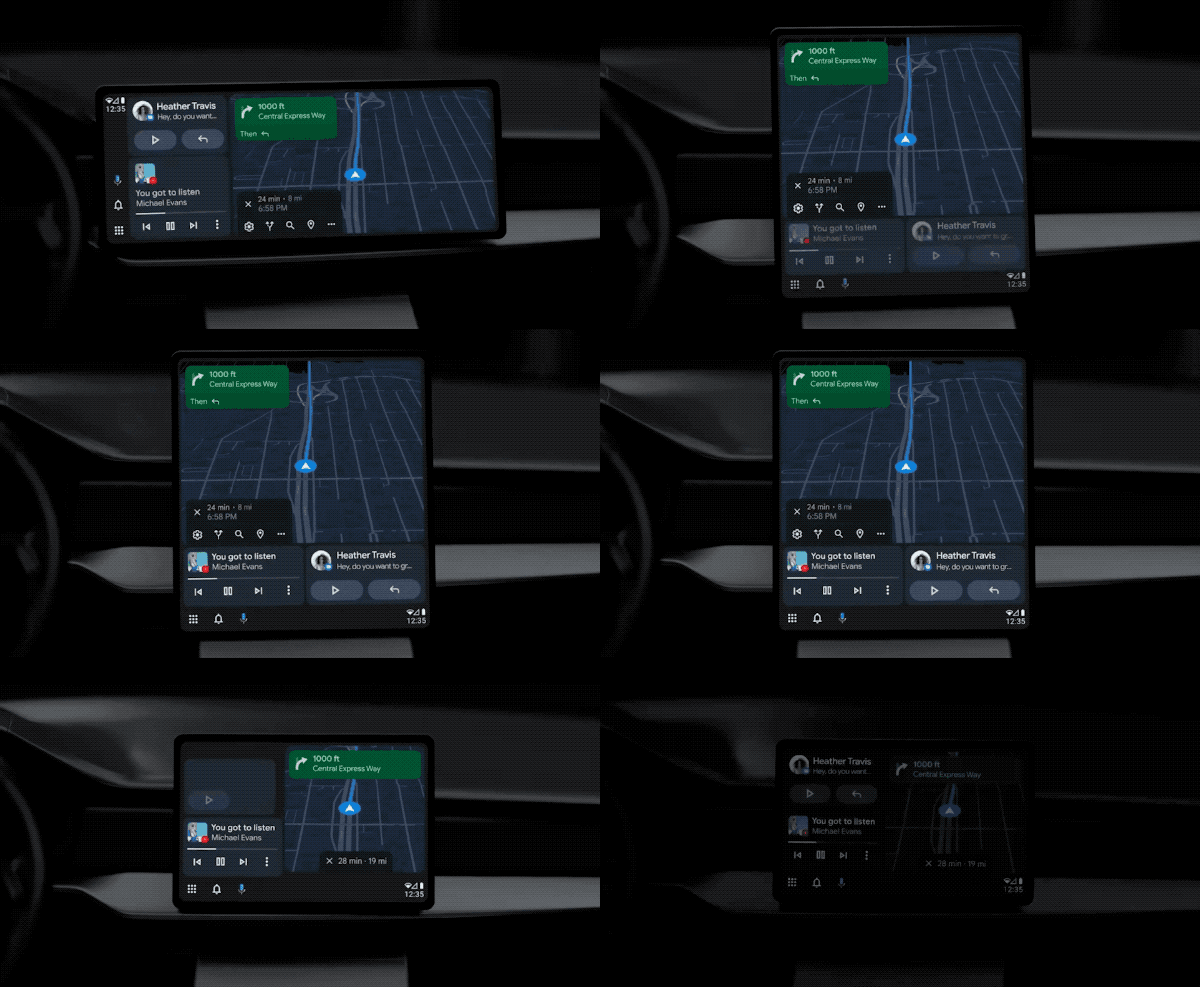
That is to say, to be honest, the layout of this interface is quite similar to CarPlay’s homepage interface. It’s just that the new Android Auto interface option allows the attached interface brick to be more permanent on one side of the long or larger screen, providing a better multi-window multi-tasking interface experience without having to expand the navigation screen separately. This interface feels great on a large screen, but currently it seems that on cars with smaller screen panels, the main interface may feel more compressed and relatively crowded.
Regarding this point, I am not sure whether in the future, through settings or full-screen buttons, people can cancel the multi-tasking window or return to the traditional Android Auto interface.
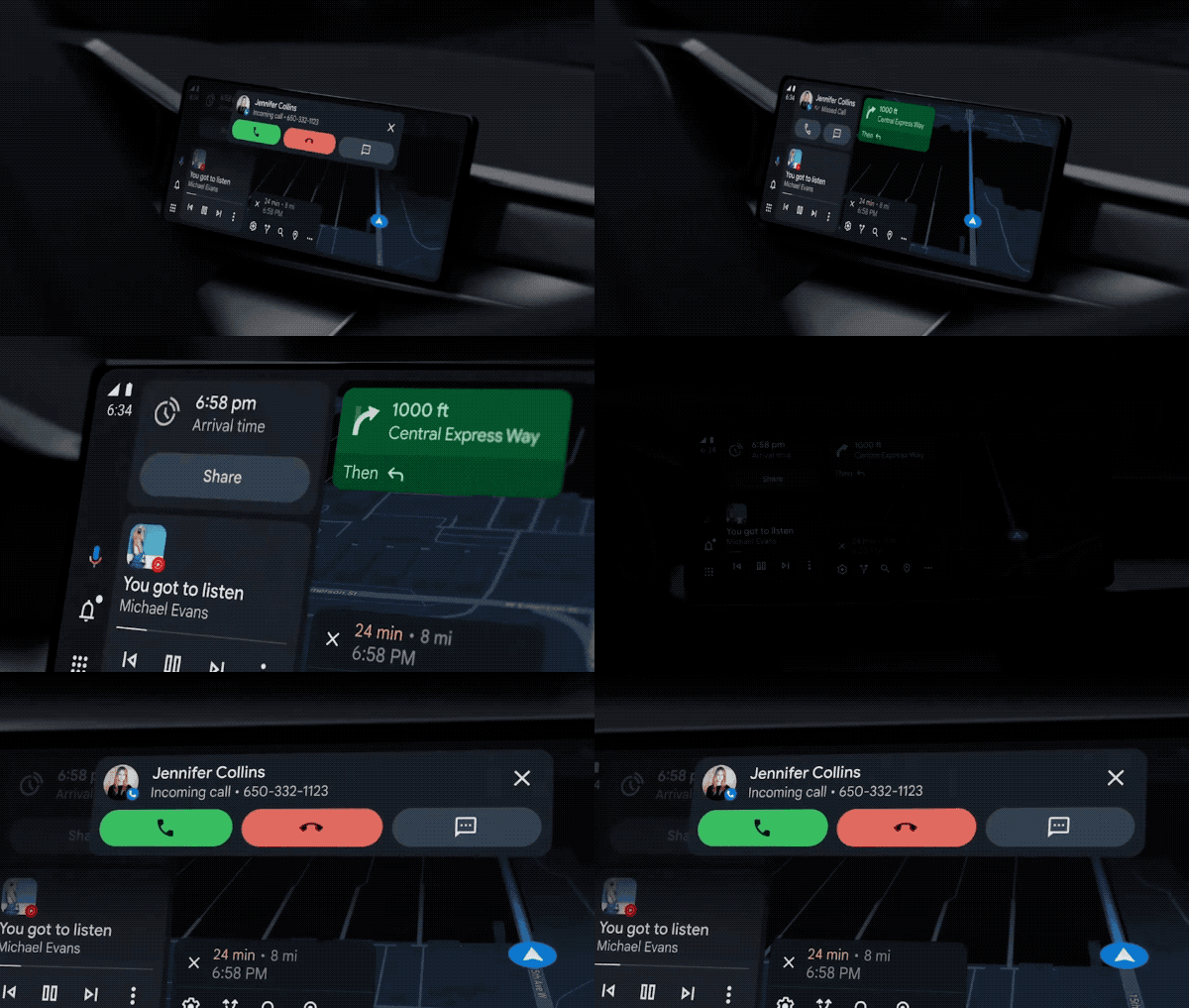
After all, the purpose is to make people concentrate more on driving. Maybe it’s too dense and the interface buttons look too complicated, which may be a step back? (Mysterious voice: You can change your car to one with a larger screen)
But now that Google has also promised to bring more natural and relevant voice assistant suggestions, as well as quick reply interface buttons such as better messages, callbacks, and shared arrival times, to the new Android Auto. I believe that the summer update should bring a better user experience, right?
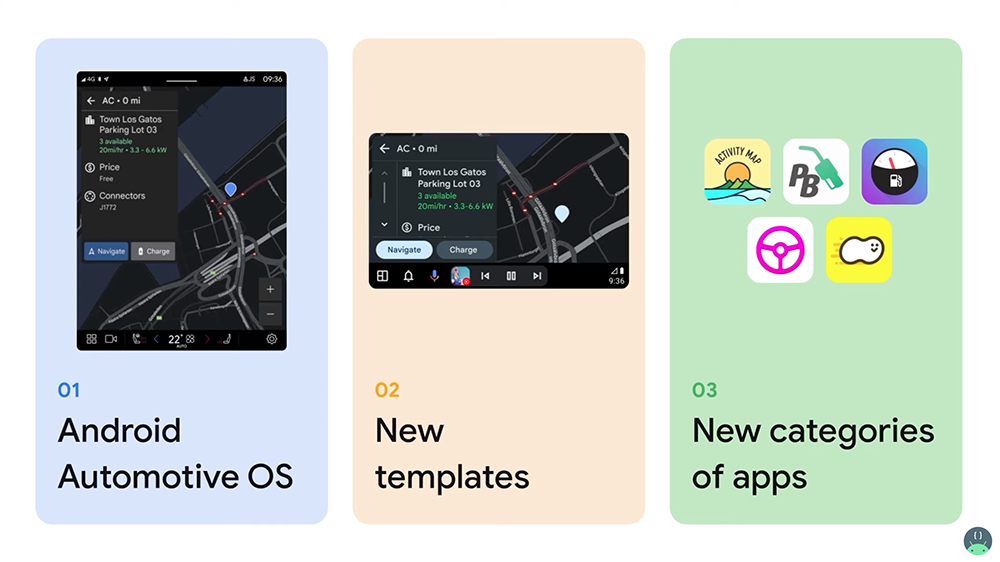
Earlier, Google mentioned a lot of improvements to the car system at CES at the beginning of the year, including Fast Pair fast pairing and digital car key experiences – the parking and movie-watching function provided by Android Automotive OS. This time it is confirmed that in addition to YouTube, other services such as Tubi and Epix will be added. Google has also confirmed that Car App Library 1.3, which has been pushed to developers, will bring the possibility of dynamic updates, multi-point navigation, interactive rewards and speed camera warnings.
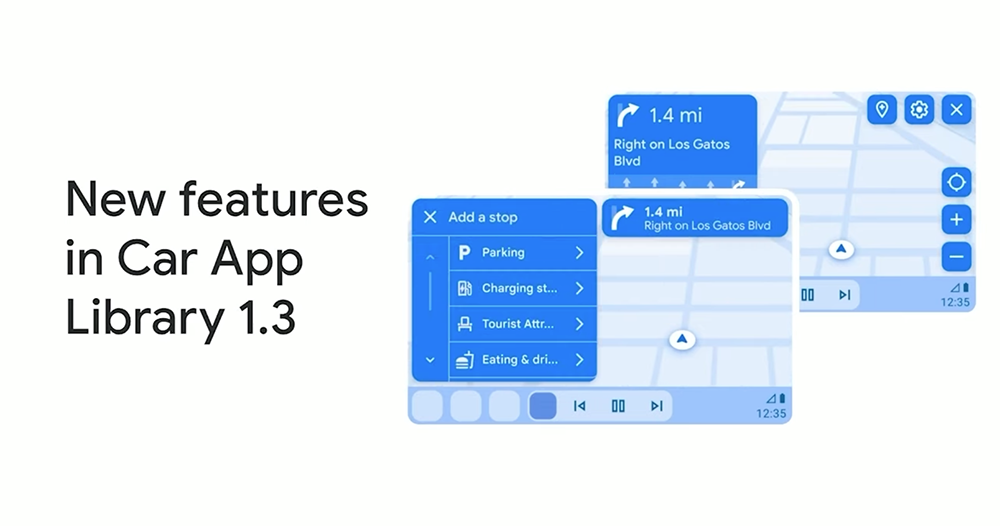
Obviously, everyone should be more interested in the latter two (especially speed photography), right? Although it feels a little bit homage to Apple CarPlay (because in-car system reporting, CarPlay actually existed a long time ago, not to mention the interface this time…). However, I still hope that Google Maps and third-party applications can import these new interactive reporting functions into Android Auto and Android Automotive OS as soon as possible!
Further reading:
Source: KOCPC Chinese