


Many products at this year’s Apple spring conference were revealed in advance by senior analysts and online leakers, but some predictions were somewhat inaccurate. That is, Apple’s new chip is not M2, but the M1 Ultra chip, which is a combination of two M1 Max chips. However, now that there are super powerful chips, corresponding new machines will naturally come out. Apple did not launch iMac Pro or Mac Pro at this conference, but surprisingly launched a new lunch box-shaped host, which is Mac Studio:
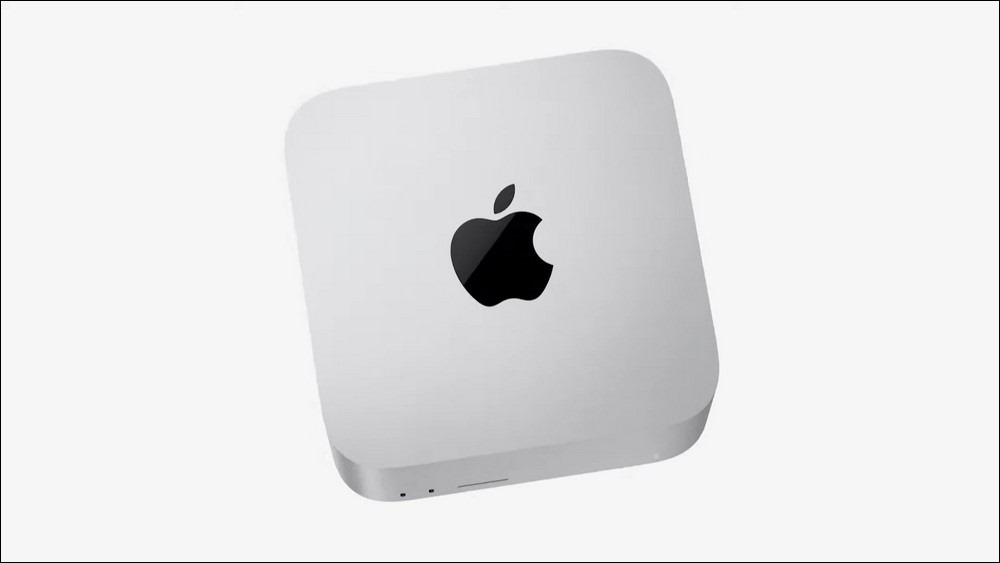
▲Looking from above, if you don’t notice the thickness, you may have a greater chance of mistaking it for the new Mac mini.
Mac Studio is one of the new products equipped with new chips this time. Although you can choose M1 Ultra as the core, the official website actually also provides a relatively cheap M1 Max solution. This new machine gives people an almost lightweight, but actually much more stable style. Although some people speculate that this is actually a new product made after thickening according to the logic of the Mac mini. However, in order to fit in the M1 Ultra level chip, it is naturally impossible to maintain the exquisite and compact body of the Mac mini.
However, Mac Studio is still smaller than many people think. Especially after knowing the power of the M1 Ultra chip, looking at Mac Studio gives me an amazing feeling. Generally speaking, professional-grade equipment usually has a relatively eye-catching size. Like iMac Pro or Mac Pro, but Mac Studio is obviously much smaller, even hiding under the newly released Studio Display screen, which makes people mistakenly think that the combination of the two is the so-called Mac Studio. In fact, the Mac Studio for the host and the Studio Display for the monitor are indeed a couple preset by Apple, but users can only choose whether they want to buy enough:

▲Although it is taller than the Mac mini, it looks like a Mini when placed next to the Studio Display.
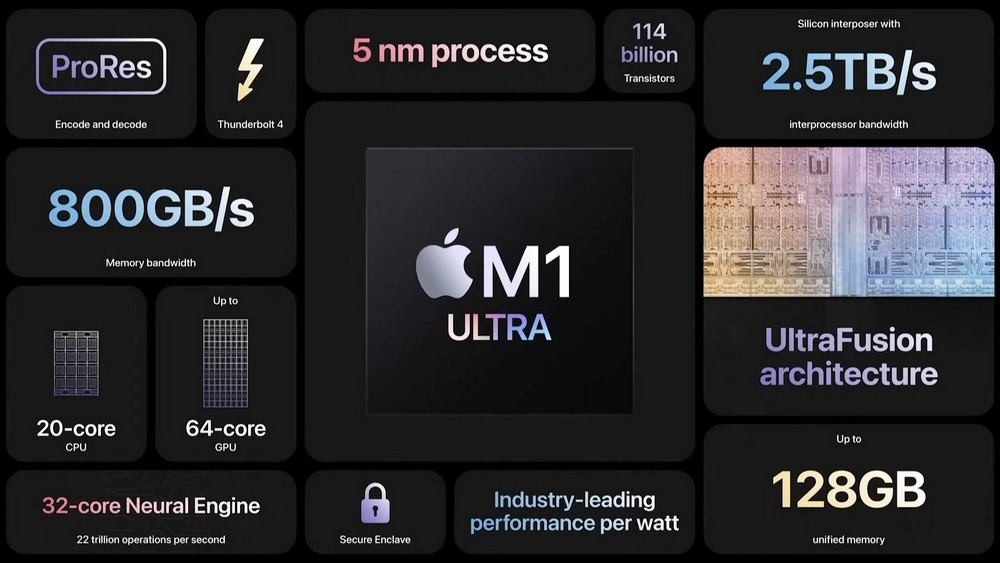
▲Since Mac Studio is currently the first product to use the M1 Ultra chip, only by buying a Mac Studio will you know how powerful this new chip is.
Mac Studio can almost be regarded as replacing the current Intel Xeon Mac Pro and becoming the latest and best choice for professional users. Of course, since it is equipped with the powerful M1 Max/Ultra, the value and performance of this console are naturally not comparable to previous products. In order to allow better heat dissipation for new consoles that can be equipped with up to M1 Ultra chips, most of the space inside the machine is mainly used for cooling fans:

▲Although it is taller than the Mac mini, the main space in the Mac Studio is the cooling system.
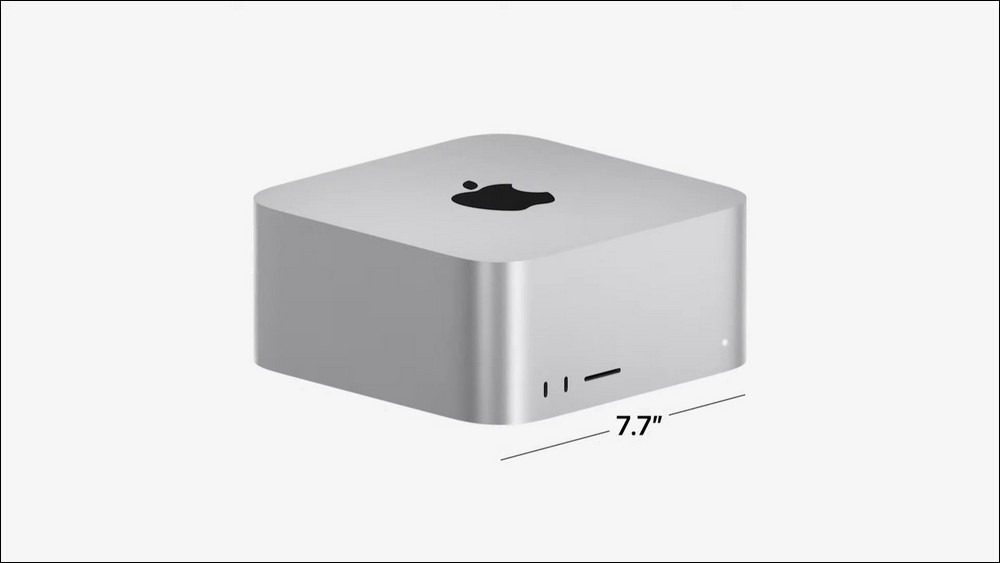
▲Although it is a bit taller and looks like a three-layer lunch box, the length and width are still quite small.
But in terms of external interface, Mac Studio seems to be more conservative, but in fact it does its best to meet the needs of professional users. It mainly has four Thunderbolt 4 ports and one 10Gb Ethernet port. There are only two USB-A, and the video interface also provides a set of HDMI, an SD card slot, etc. Considering the actual usage requirements, perhaps the four Thunderbolt 4 ports are really important. Only a high-speed interface can allow users to import higher-resolution recording materials. Even using Thunderbolt 4, Mac Studio can be connected to four Pro Display XDR monitors and a 4K TV at one time, completely maximizing the connection capabilities:
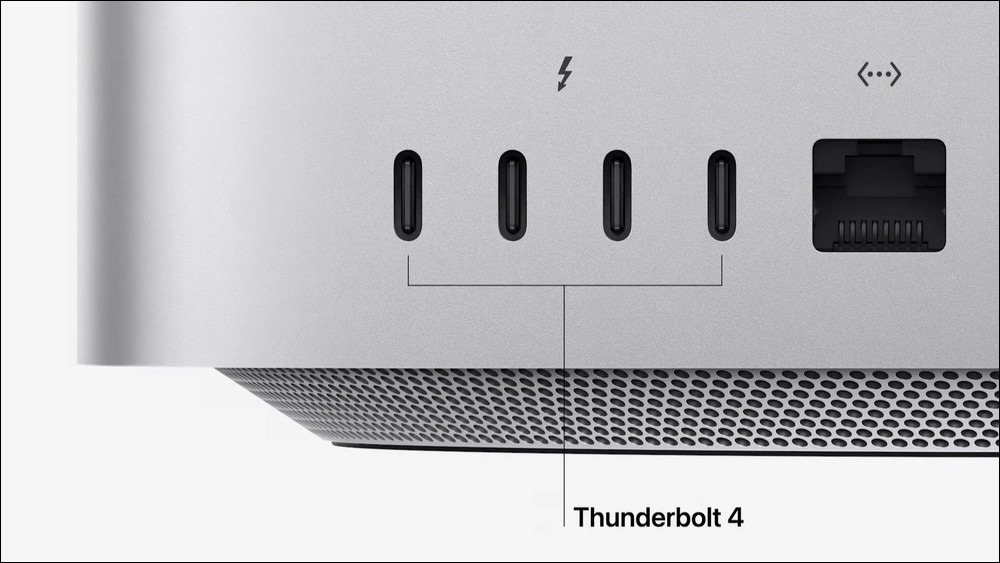
▲Mac Studio is equipped with 4 Thunderbolt 4 ports.
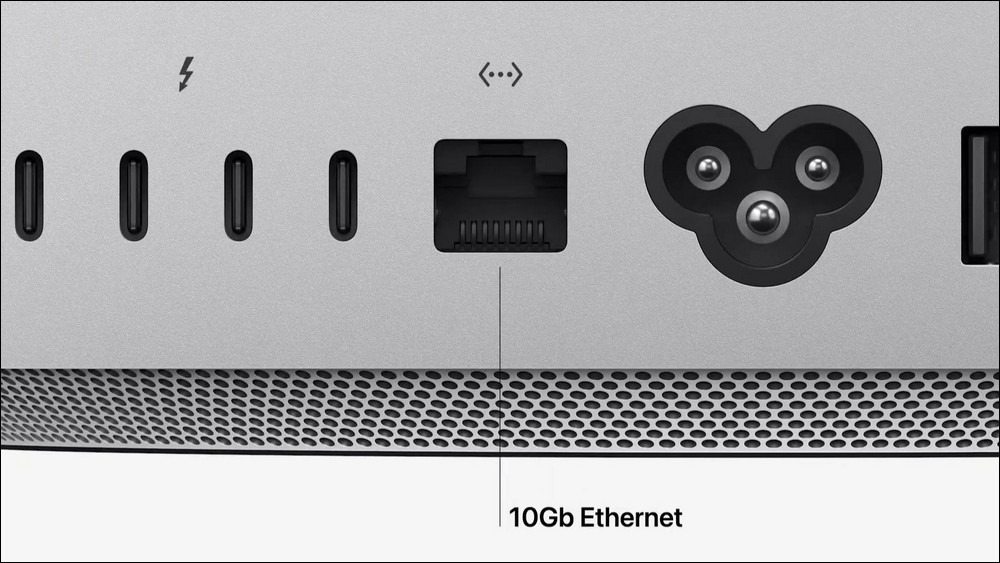
▲The network hole next to it has 10Gb connection capability.
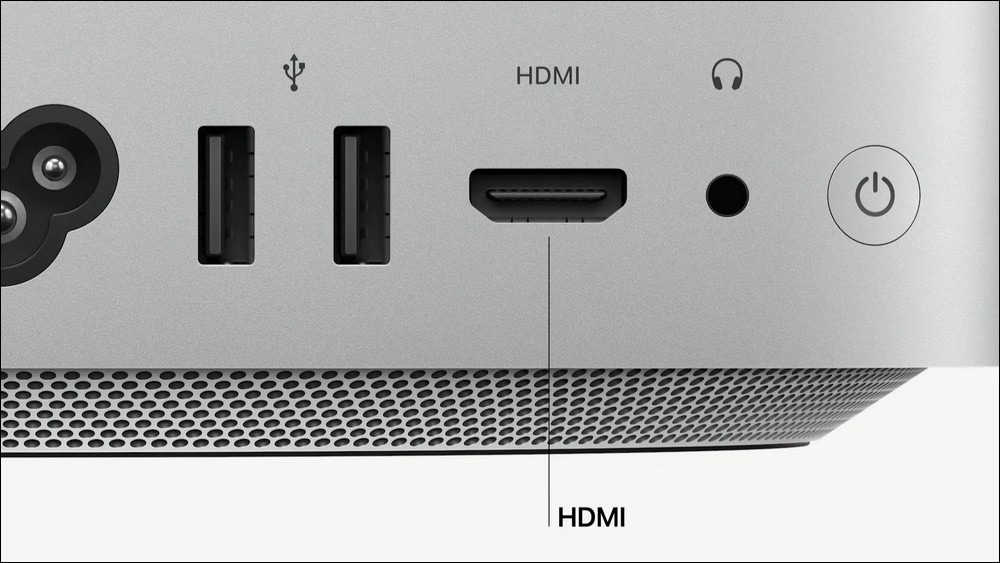
▲Beyond the power connector are USB-A, HDMI, and headphone jacks.
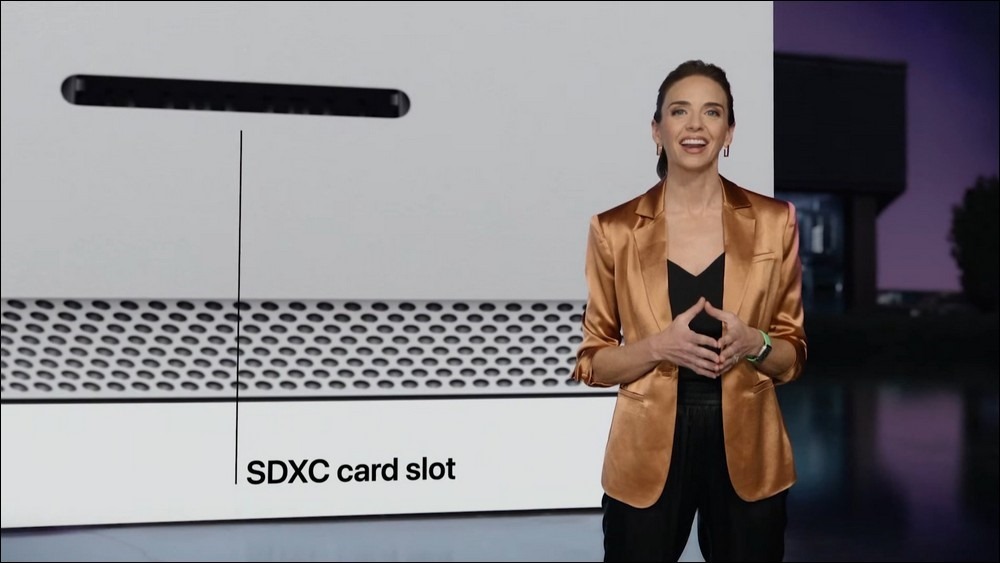
▲There is also an SDXC memory card slot.
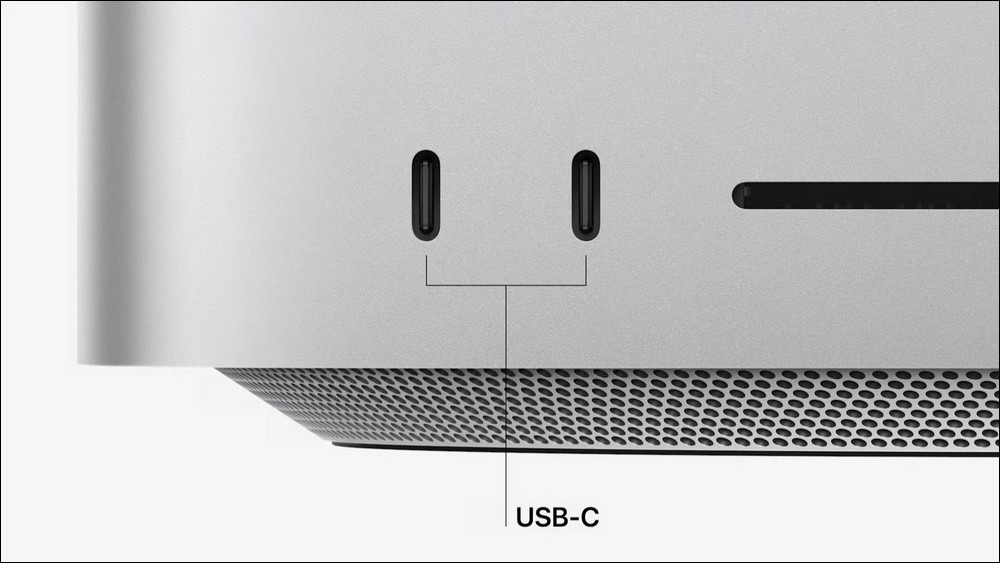
▲There are two USB-Cs next to the memory card. In fact, these two also have Thunderbolt 4 connection capabilities.
Since you want to have these powerful hardware, the price cannot be too cheap. The M1 Max version of Mac Studio is priced starting at US$1,999 / NT$59,900, while the version equipped with the top-performance M1 Ultra chip starts at US$3,999, which is approximately NT$113,000. This does not include other customized projects. For example, memory, storage device, etc.:
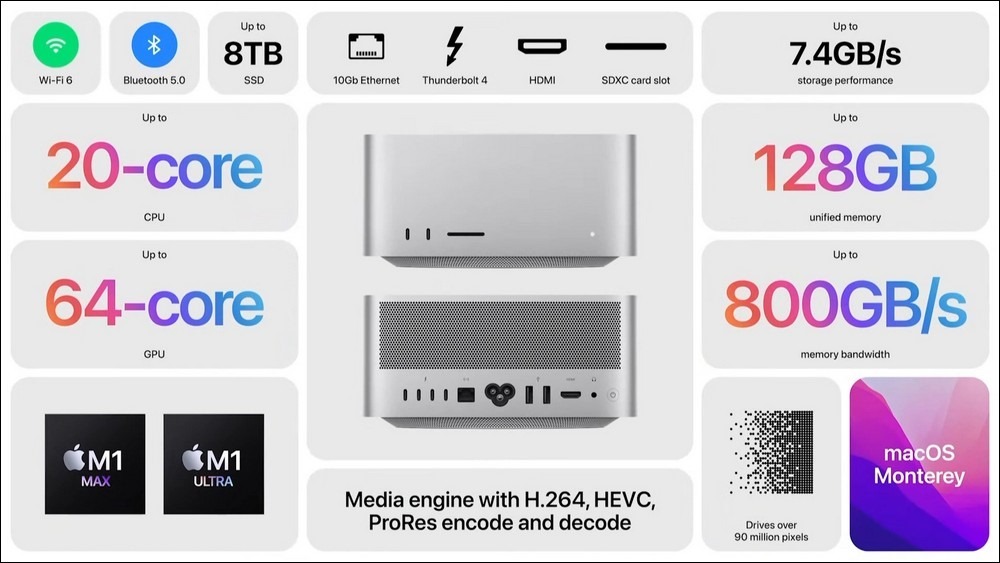
▲The first machine with built-in M1 Ultra, relying on the power of this chip, this new host is also expected to have strong production performance.
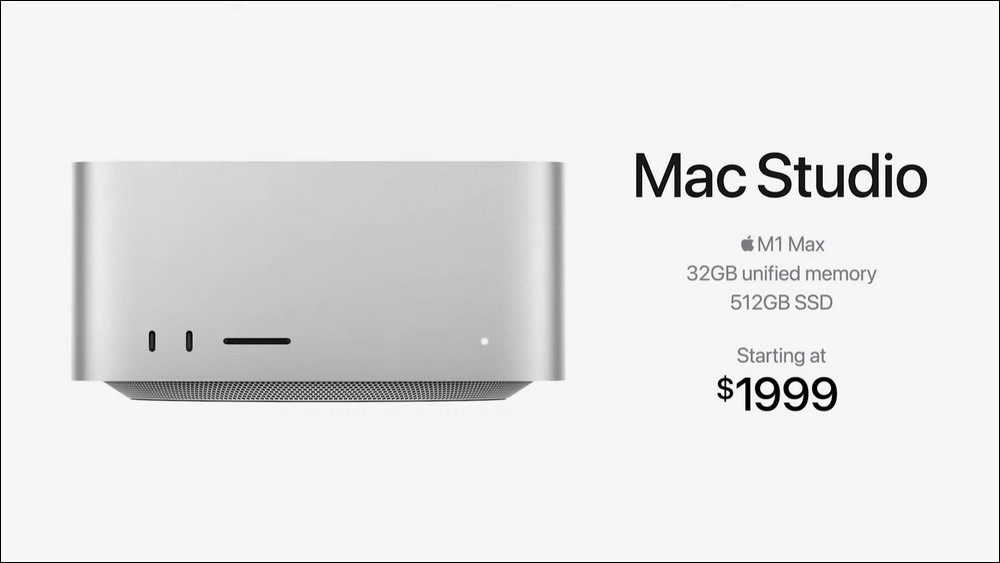
▲Mac Studio is divided into two versions: M1 Max/Ultra, with the former starting at $1,999.
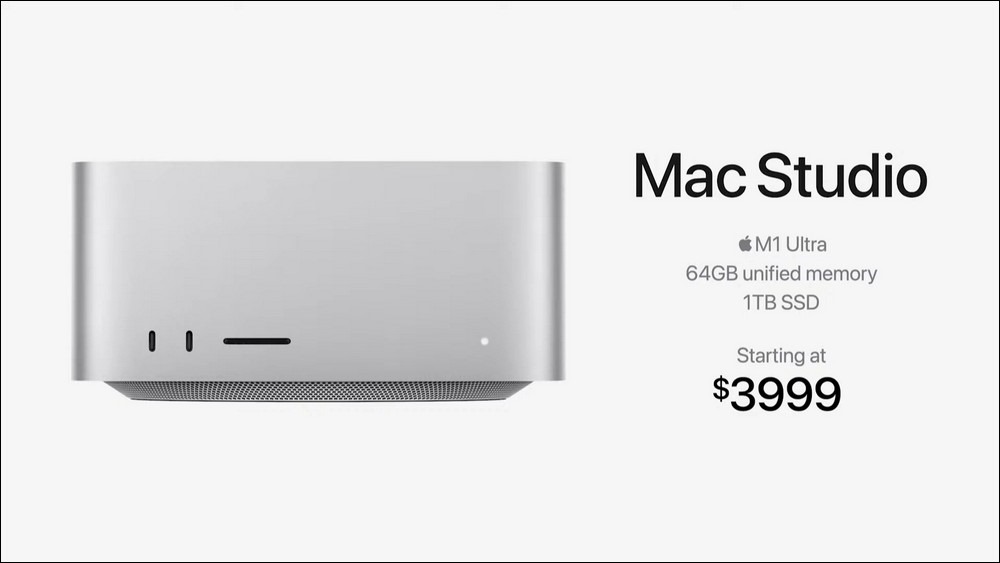
▲As for the latter, the M1 Ultra version starts at $3,999.
If the business is big enough and the film and television industry is making a living, perhaps such a machine is not so much expensive as it shortens the time for producing videos and other tasks. Whether such an investment is valuable, I believe all professional users can have an opinion.
Source: KOCPC Chinese