


Outgoing Apple CEO Tim Cook speaks out“Wall Street Journal” interviewIt was confirmed at the time that Apple products are about to see a price increase due to the continued global shortage of memory chips and sharp increases in costs. Cook said frankly: “Unfortunately, price increases are inevitable.” This is Apple’s clearest warning of price increases in recent years, which has attracted great attention from the market. Cook said in an exclusive interview that Apple has been working hard to absorb rising costs and try not to pass them on to consumers, but the situation is unsustainable. “We have tried our best to mitigate the huge increases passed on to us by our suppliers, and have been trying to protect customers from the impact of price increases, but the situation is no longer sustainable.” Cook also mentioned that the costs of memory and storage chips are rising, but the problem with DRAM is the most serious. He admitted that Apple has evaluated a variety of response options, and raising prices is the last option.

AI demand eats up memory capacity
The root cause of this surge in memory prices comes from the crazy construction of AI data centers. Cook specifically pointed out the problems in the DRAM market, pointing out that high-bandwidth memory (HBM) consumes a large amount of production capacity due to the demand for AI servers, resulting in a serious shortage of memory supply for consumer products. HBM is an indispensable key component for AI accelerators such as NVIDIA and AMD. Major memory manufacturers have prioritized production capacity for higher-profit HBM products.
“Consumers want devices at this time, but there is less memory supply, and memory manufacturers are passing on huge price pressure,” Cook said. “We absolutely need memory prices and supplies to return to reasonable levels for consumer products. This is the bottom line.” He emphasized that this is not just an Apple problem, but a challenge faced by the entire consumer electronics industry.
According to market researcher TrendForce, DDR5 16Gb spot prices have soared by more than 500% since the end of 2024, from US$4.6 (approximately NT$150) per strip to US$28 (approximately NT$910). The increase in DDR4 is even more astonishing, with the price of a 16Gb module skyrocketing by 1800% from about US$3.2 (approximately NT$104) to more than US$62 (approximately NT$2,015), an increase that far exceeds that of DDR5. NAND flash memory is not immune, with 512Gb wafer prices rising from US$5 (approximately NT$163) in October 2025 to approximately US$11 (approximately NT$358) in mid-December.
Which products will increase in price? When will it rise?
Cook did not disclose the specific time and magnitude of the price increase, nor which products would be affected. However, judging from the available information, Mac and iPad may face an increase soonest. Apple has raised the starting price to US$799 (approximately NT$25,968) by canceling the 256GB storage option of the entry-level Mac mini last month, which is a disguised price increase. The industry expects that the price increase for future memory upgrades may also be further increased from the current US$200 to US$250.
Apple’s next big product announcement is expected in September, with the launch of the iPhone 18 series, including the long-rumored foldable iPhone. If memory prices do not fall back before then, the pricing of the new iPhone may also be affected, and the price of the entry-level model may exceed past levels. In addition, demand for Mac mini and Mac Studio exceeded expectations due to AI agent tools (such as OpenClaw, etc.), and Cook said at the Q2 earnings conference that it may take several months to reach a balance between supply and demand.

Apple doesn’t plan to build its own memory factory
Faced with the memory shortage crisis, Cook said Apple is willing to use cash reserves to help increase memory supply, but he also clearly clarified that Apple has no plans to use its own funds and chip design capabilities to build its own memory and storage chip factories. This means that Apple will still rely on external suppliers such as Samsung, SK Hynix, and Micron, and will not be able to avoid price increase pressure through self-sufficiency in the short term.
Apple’s Vertical Integration Advantages
However, some analysts pointed out that Apple is actually more resistant to this wave of memory crises than its competitors. Macworld’s analysis believes that Apple’s M-series chips use a unified memory architecture (Unified Memory). The CPU and GPU share the same memory pool. Together with the optimization of the neural network engine, 8GB of memory can perform well. This gives Apple a competitive advantage over PC makers that require large amounts of DDR5 in an environment where memory costs are high. Apple’s long-standing conservative strategy on memory capacity has now become a moat for cost control.
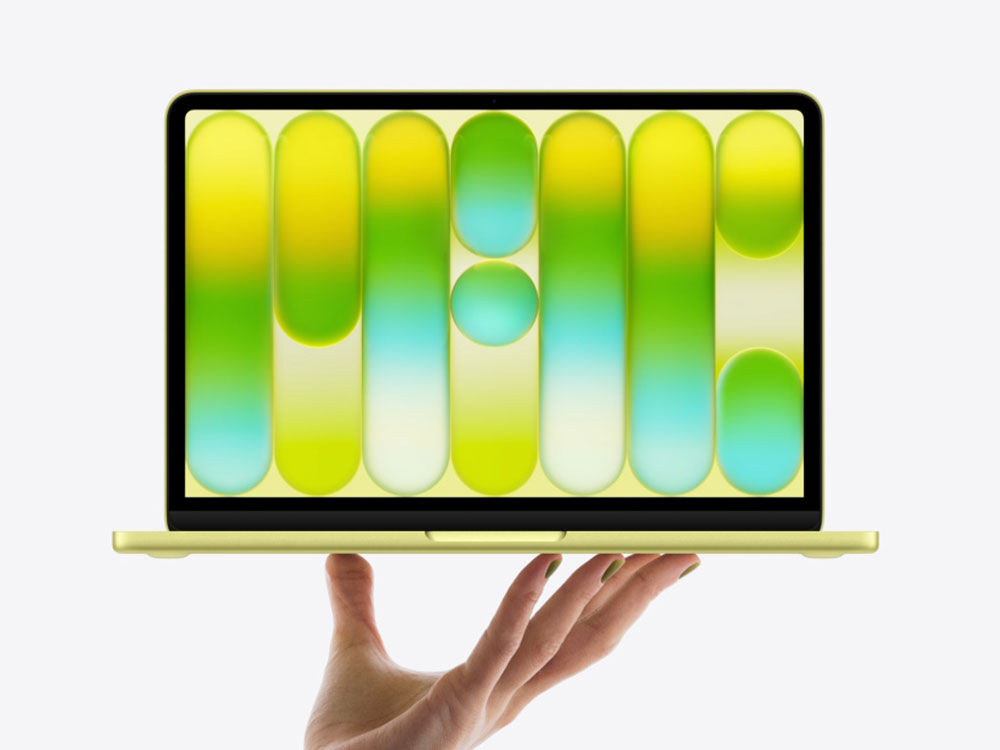
In comparison, Microsoft Surface products have increased their prices by as much as US$500 (approximately NT$16,250) due to rising memory costs. IDC also predicts that global PC shipments will fall by 11.3% in 2026 due to memory shortages. Although Apple is not completely immune, it has been relatively less affected by the vertical integration advantage of independent chip design. The MacBook Neo is equipped with 8GB of unified memory and an A18 Pro chip. With a starting price of US$599 (approximately NT$19,900), it has become one of the very few products on the market that has not experienced a significant price increase.
Summarize
Ahead of handing over the reins to new CEO John Ternus in September, Tim Cook acknowledged the impending price increases for Apple products. This wave of skyrocketing memory prices driven by demand for AI data centers shows no sign of relief in the short term. For consumers, if you have plans to buy a Mac or iPad in the near future, you may want to consider buying it before the price increases. For the entire technology industry, the structural problem of AI eating up memory production capacity will probably become the core variable that will continue to affect hardware prices in the next few years. Cook also emphasized that Apple will continue to look for various solutions to respond, including using its balance sheet to help increase supply, but price increases in the short term are a foregone conclusion.
Source: KOCPC Chinese