


Phishing is common, and the most common one is to pretend to be a well-known international brand or large company in order to win the trust of the public, misleading users to click and enter information in various forms, and thereby stealing personal information or payment credentials. A report recently released by Check Point revealed the top ten brands most “loved” by unscrupulous online phishers in the fourth quarter of 2021. Let’s see which brands are among them.

Check Point announces the top ten brands most favored by phishing scammers in the fourth quarter of 2021, with DHL ranking first
The latest phishing report released by Check Point Research, a security research laboratory under Check Point, shows that in the fourth quarter of 2021, the global logistics company DHL ended Microsoft’s long-term dominance and became the favorite of criminals when conducting phishing scams. Let’s take a look at this list first:
- DHL(23%)
- Microsoft (20%)
- WhatsApp (11%)
- Google (10%)
- LinkedIn (8%)
- Amazon (4%)
- FedEx (3%)
- Roblox (3%)
- PayPal (2%)
- Apple (2%)
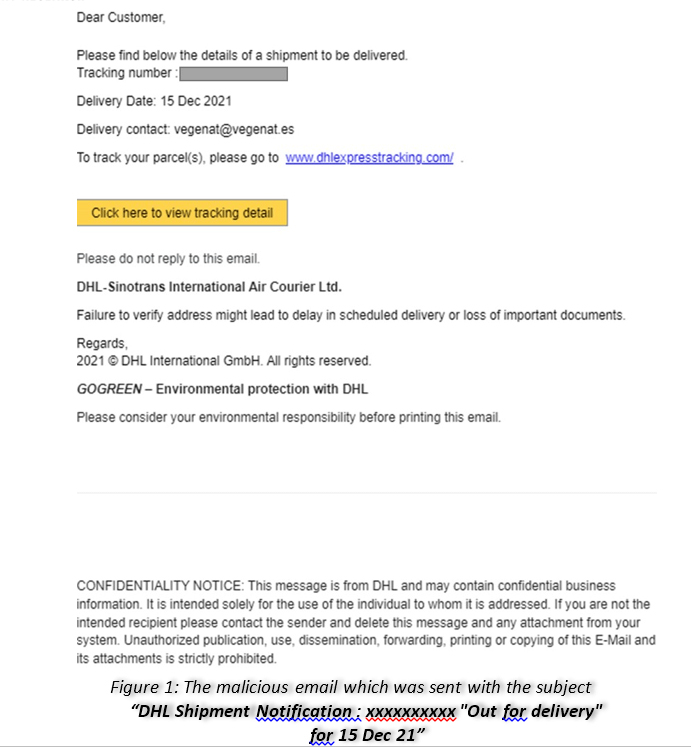
Among global phishing scams, 23% pretended to be DHL, an increase of 9% from the previous quarter. Especially in the fourth quarter, which coincided with the important festivals of Double 11, Christmas and New Year’s Day, coupled with the increase in the proportion of people shopping online at home during the epidemic and the convenience of cross-border shopping, unscrupulous people took advantage of fake DHL The customer service mailbox notifies the user of abnormal logistics situations such as the fake product being stuck in customs after shipment. After clicking to go to the fake official website, the user is asked to enter their email and password, thereby stealing personal information.
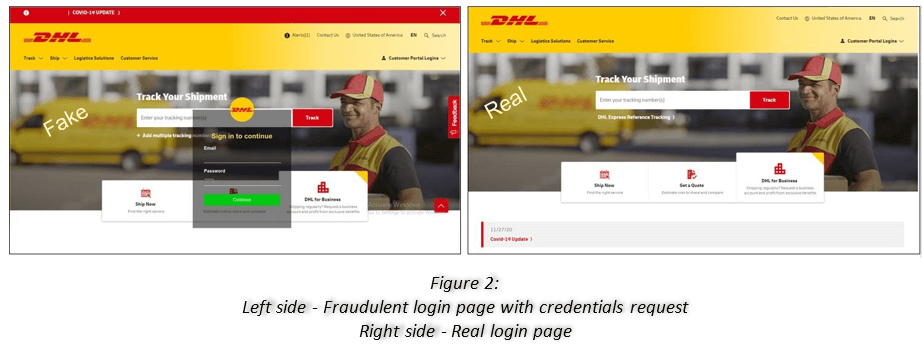
▲The left side of the picture above shows the fake official website login, and the right side of the picture above shows the real official website.
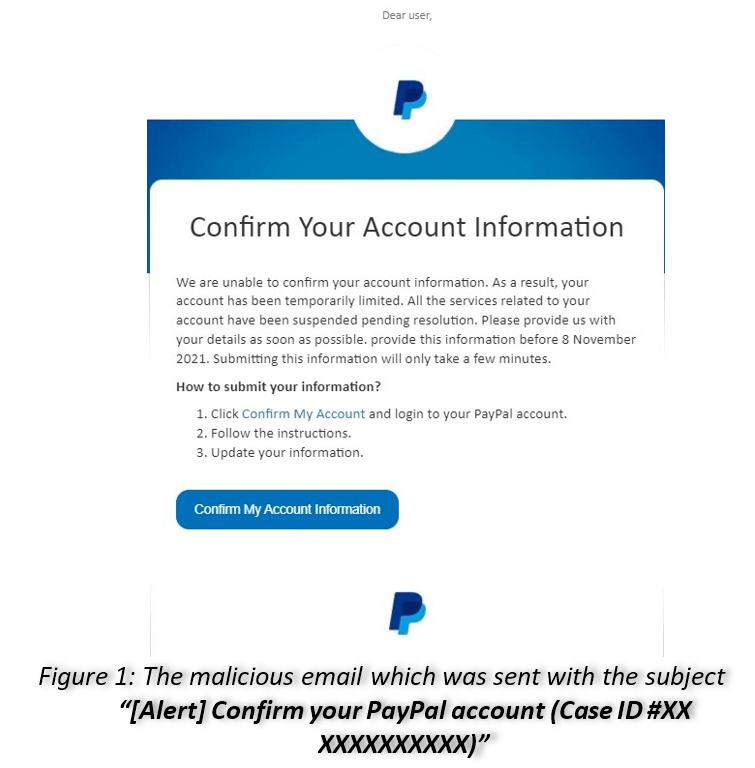
Microsoft accounted for 20% in the fourth quarter, down 9% from the previous quarter, and finally took a break from its long-term top position. Online social platforms are still a hot spot for phishing scams. Whatsapp, owned by Meta (formerly known as Facebook), rose from sixth to third place, accounting for 11%. In November, a phishing email in the name of PayPal caught the attention of researchers. This email was sent to users with a deceptive fake email address and had a sensational “Confirm your account” as the title. It created a problem with account security and attracted users to click on the link button attached in it in an attempt to steal the user’s credit information.
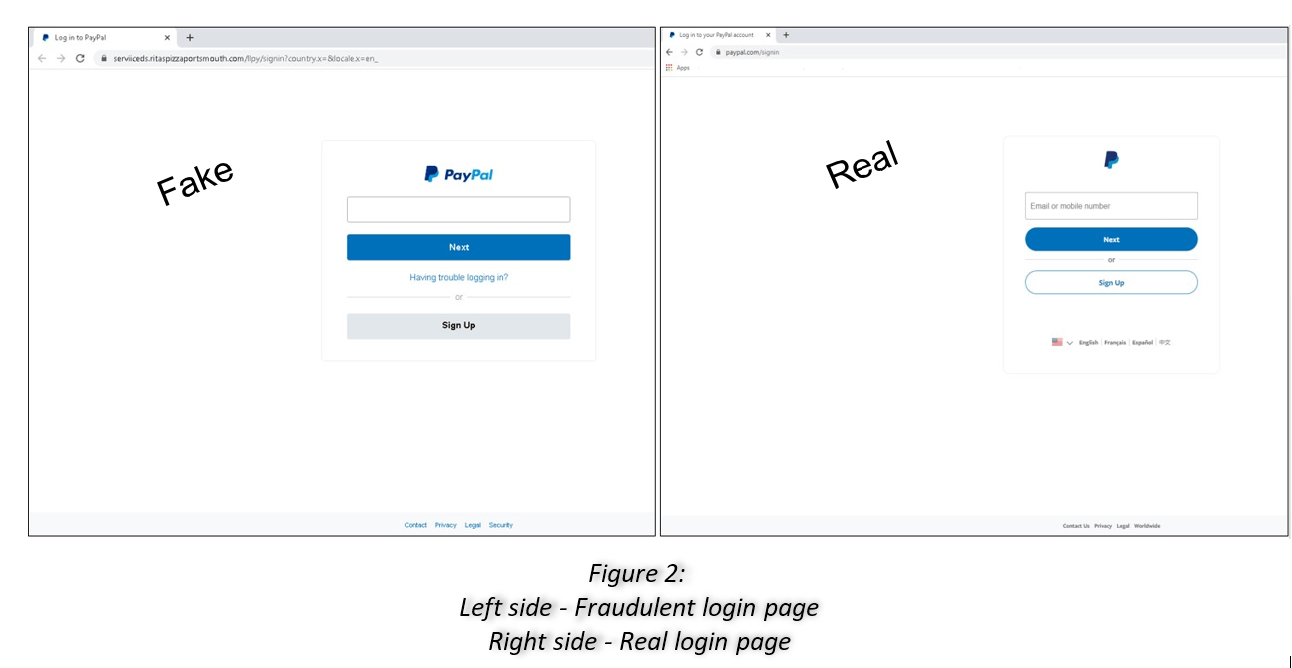 ▲The left side of the picture above is the fake login page after passing the email link, and the right side of the picture above is the real official website login page.
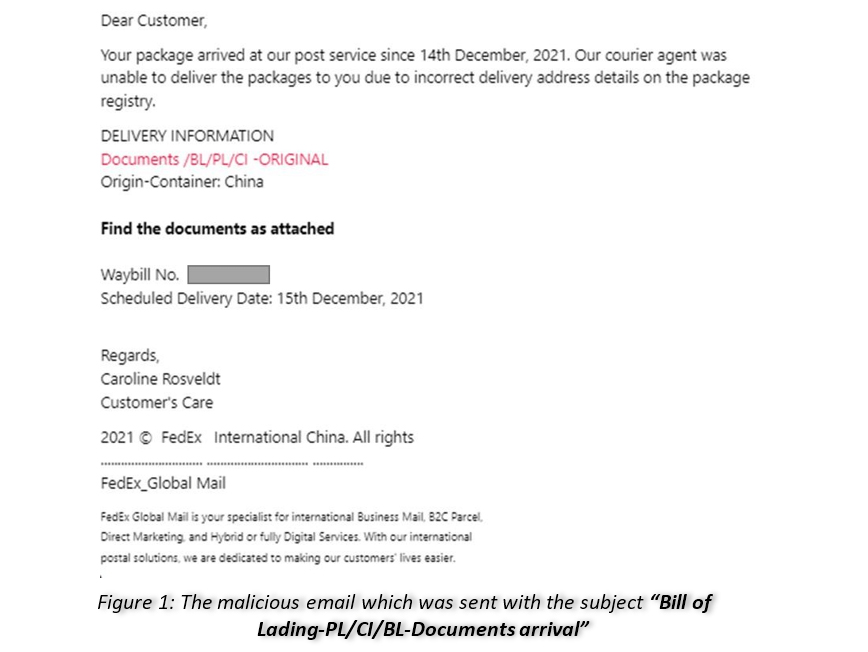
Also favored by phishing scammers due to the shopping season, FedEx entered the top ten for the first time in the fourth quarter of 2021, taking the seventh place with a score of 3% (it doesn’t seem to deserve congratulations). The phishing letters they send to users also come with a .rar compressed file containing a virus. The executable file will infect the user’s computer with SnakeKeylogger after being run. In addition to skimming the user’s input content, it may also steal the user’s credential information.
We would like to urge you to be cautious when receiving emails from various applications, websites or companies informing you that personal data and credentials have been leaked, and to think twice before opening emails or links. You should be especially careful when the sender is addressed to companies such as DHL, Microsoft or Whatsapp, as they have a higher chance of being impersonated.
Source: KOCPC Chinese