


Intel recently disclosed two BIOS vulnerabilities that have a high-severity impact on its own processor series, and will affect many of its processors. Intel also recommends affected users to update their BIOS as soon as possible to prevent unscrupulous people from invading computers through the vulnerabilities, affecting personal computer security and reducing information security risks.

Intel discloses 2 serious BIOS vulnerabilities affecting multiple in-house processors
These two vulnerabilities, originally discovered by SentinelOne, have been numbered CVE-2021-0157 and CVE-2021-0158, and already have a high score of 8.2 in the CVSS v3 risk score. The former involves BIOS firmware control of some Intel processors, and the latter involves input validation. Both of these vulnerabilities will allow attackers who have already invaded to have high privileges on the computer system.
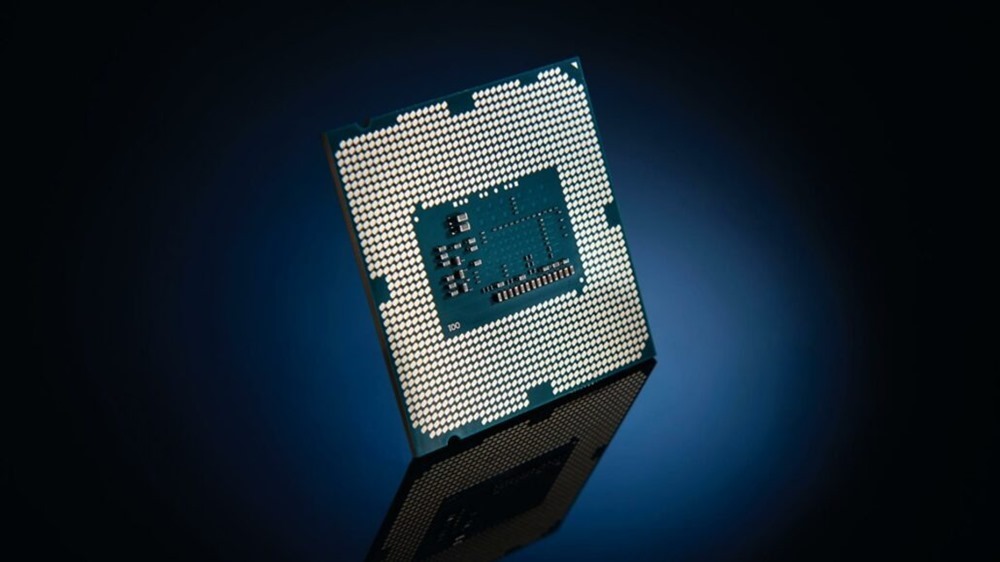
exist Intel’s announcement, the affected processor products are as follows:
- Intel Xeon E series
- Intel Xeon E3 v6 series
- Intel Xeon W series
- 3rd Generation Intel Xeon Scalable Processors
- 11th Generation Intel Core Processors
- 10th Generation Intel Core Processors
- 7th Generation Intel Core Processors
- Intel Core X-series Processors
- Intel Celeron N Series
- Intel Pentium Silver Series

Intel did not share more detailed technical information about these two vulnerabilities, but Intel recommended that users fix the vulnerabilities by installing the latest BIOS updates. However, considering that the 7th generation Intel Core processor mentioned above is already a product five years ago, there is still a question mark as to whether the manufacturer will continue to release updates for it. Fortunately, even if unscrupulous people want to use these two vulnerabilities to invade, they must be able to directly touch your computer body, so it is not that easy to be invaded.
Source: KOCPC Chinese