


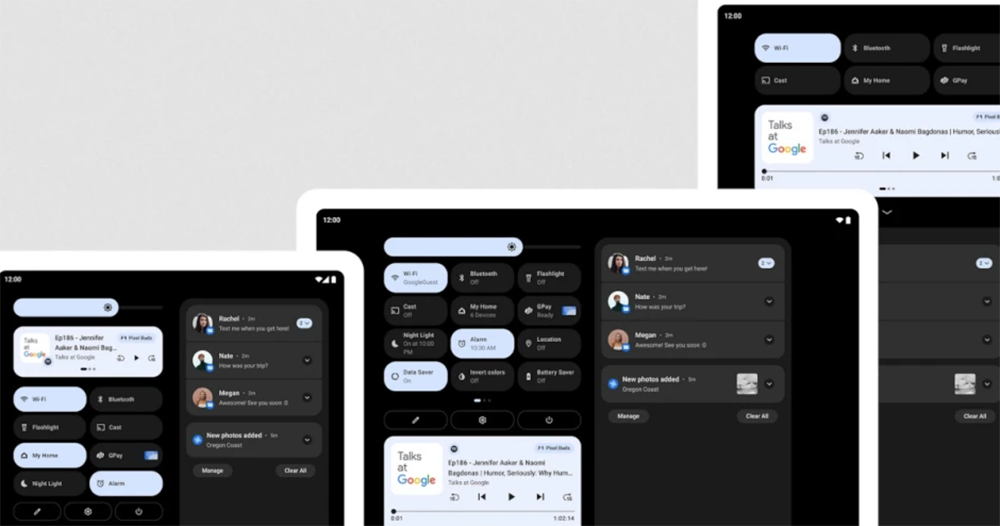
Although this is not the first time that Google has launched a dedicated system for tablets (remember Honeycomb?), the latest Android system “Feature Drop” they recently released to developers seems to be the latest system born for “Large” screens: Android L. Continue reading iPadOS for Android? Android 12L officially launched developer testing report text.
▲Photo source of this article: Google
iPadOS for Android? Android 12L officially starts developer testing
Relative to iPadOS, which is officially forked from iOS. Google actually responded to the rising trend of tablets early on and provided a tablet version of its own mobile system, but in the end it was no longer seen in the next version. Until recently, the trend of folding phones and dual-screen phones has hit – compared to the 265% growth of folding phones last year, Android tablets have also had more than 20% activation figures in the past year.
Obviously, Google has to face users’ needs for larger screens. It is also confirmed that the Android 12L system for the big screen is expected to be officially launched early next year. Seeing this naming logic, it is no wonder that subsequent Google mobile systems will begin to abandon the ritual dessert code names.
It is currently scheduled that there will be 4 beta test versions of the Android L system before the official launch. Compared with the Android version of the general mobile phone screen, there are currently several main interface changes. For example, at the bottom of the screen, a Dock toolbar will be added that can be easily dragged to activate the multitasking screen. The point is, in order to provide a consistent system experience that previous systems cannot provide, Google will allow all apps to support such a split screen function. Speaking of which, the current folding screen is a bit like being divided into two mobile phone screens!
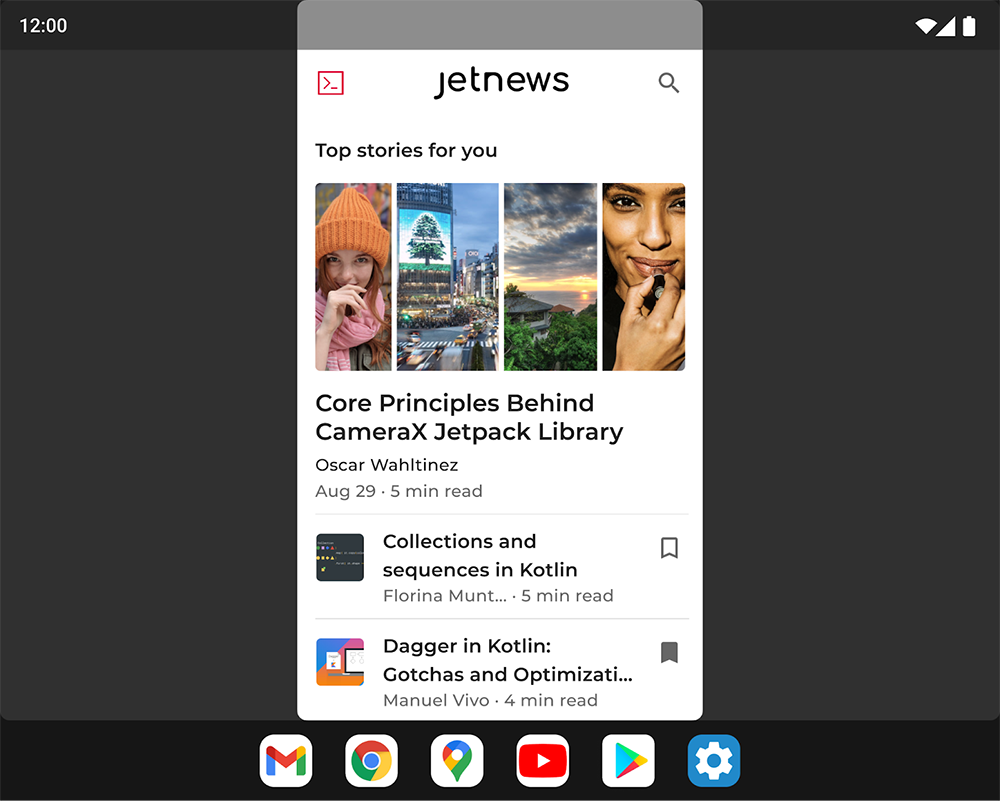
As for applications that cannot adapt to screen extension, Android 12L will leave the left and right sides blank (grey), which is a bit embarrassing, to correspond to the state of launching such applications alone (really embarrassing…). Next, the Google Play App Store will also mark which apps have been optimized to remind users with large screens to avoid apps that don’t work properly.
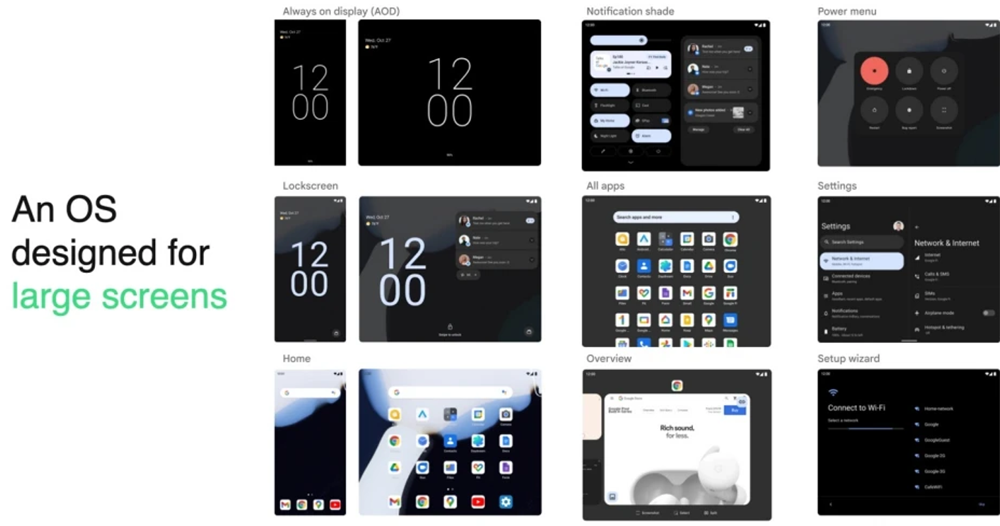
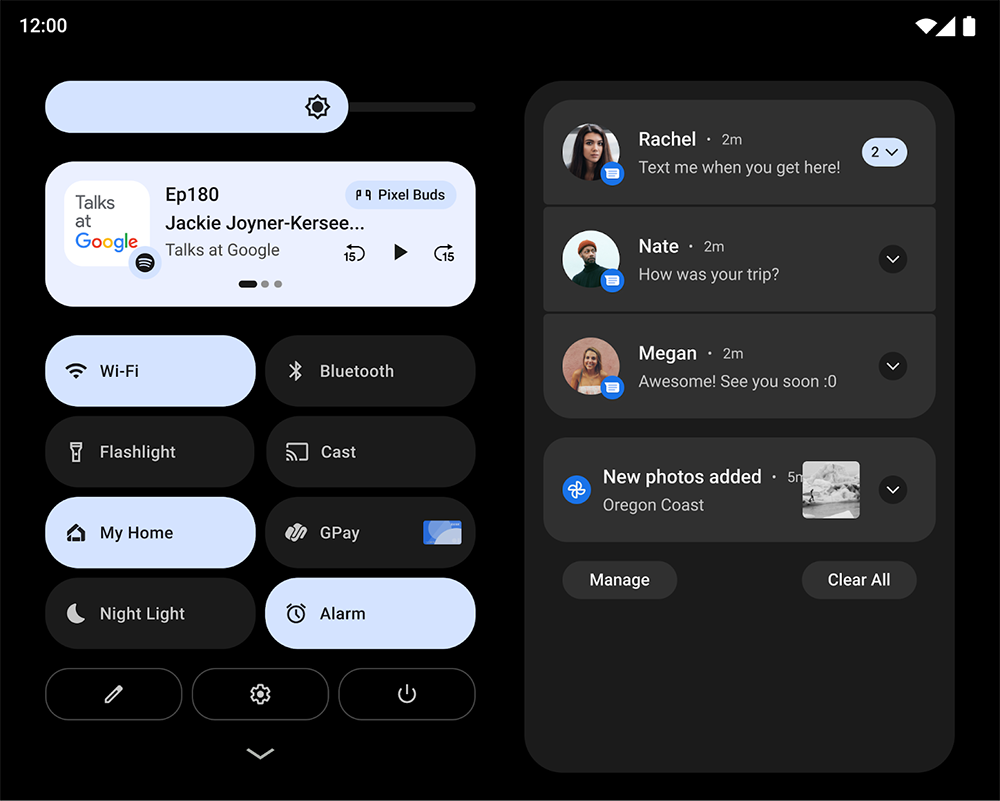
Another big difference is that when it detects that the screen exceeds the 600sp range, the system will also actively change the interfaces including notifications, quick settings, lock screen, desktop, etc. to a state that utilizes the screen range more deeply – for example, the small pull-down menu will become a state where the notification and control functions are divided into two columns.
That is to say, there are alsoforeign mediaAsk Google whether Android L will be available for installation and use on regular-sized phones. Basically, since most of the new features cannot be seen on a normal-sized mobile phone screen, the overall feeling is not provided. That is to say, with these more advanced experiences, not only foldable phones may be available in the future, but Android tablets may also have the opportunity to become more attractive and want to use them?
Pictures/sources cited in this article
Further reading:

Source: KOCPC Chinese