


When Valve launched Steam Machine, it caused a lot of discussion in the gaming circle. Many people were looking forward to getting this machine. As a result, a few days ago Steam Machine officially announced priceFinally, the price surprised many players. It was very expensive. The 512GB version cost $1,049, and the 2TB version went to $1,349, and this price did not include the Steam Controller.
The good news is that starting with SteamOS 3.8, launched last week, players will be able to use “any computer components they want” to create their own version of Steam Machine, Valve engineer Pierre-Loup Griffais confirmed in an interview with The Verge. The representative said that if you already have a computer, you don’t need to spend such an expensive price to buy a Steam Machine.
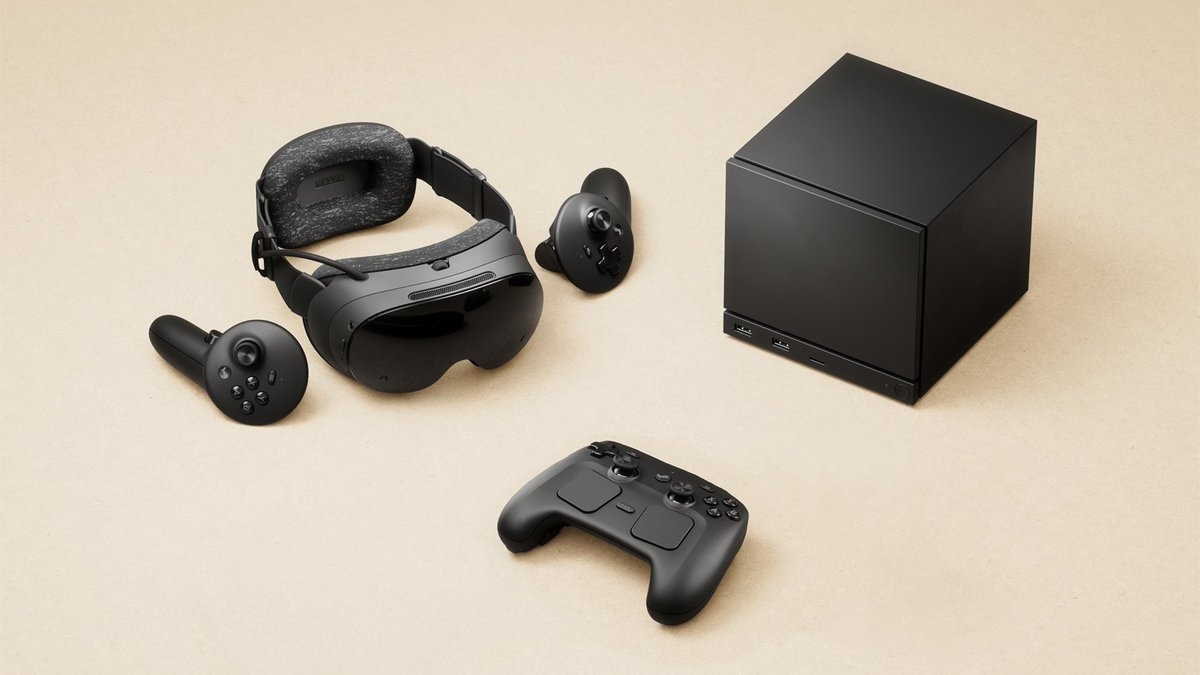
SteamOS 3.8 begins to open the desktop route, players can use ordinary PC parts to build their own Steam Machine
According to The Verge, Valve’s Pierre-Loup Griffais said that starting with SteamOS 3.8, players can build their own Steam Machine using “any PC parts they want.”
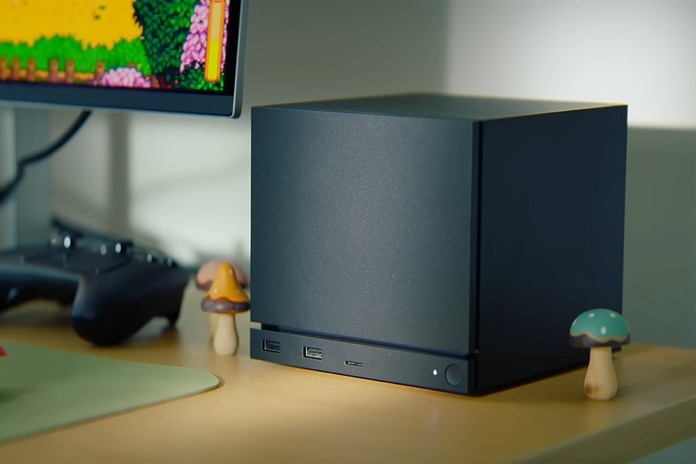
This is really good news for PC players. The Steam Machine is essentially not a traditional game console, but a small PC running SteamOS. The selling point is that it integrates the Steam game library, handheld operations, and a large screen experience in the living room, so that you don’t have to hold a keyboard and mouse on the sofa, and you don’t have to endure various unfriendly operations of Windows on the TV.
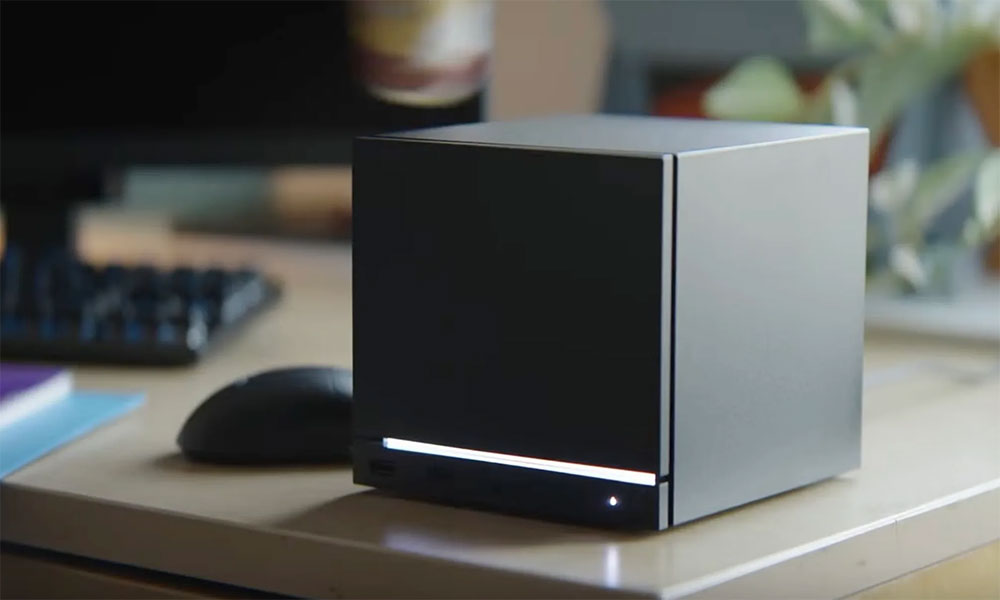
Now Valve is also willing to open it to general desktop installation, which means that if you already have an idle gaming PC at home, or you want to DIY a new machine by yourself, you can choose your favorite CPU, graphics card, case, and SSD, and you can also transform it into a Steam Machine.
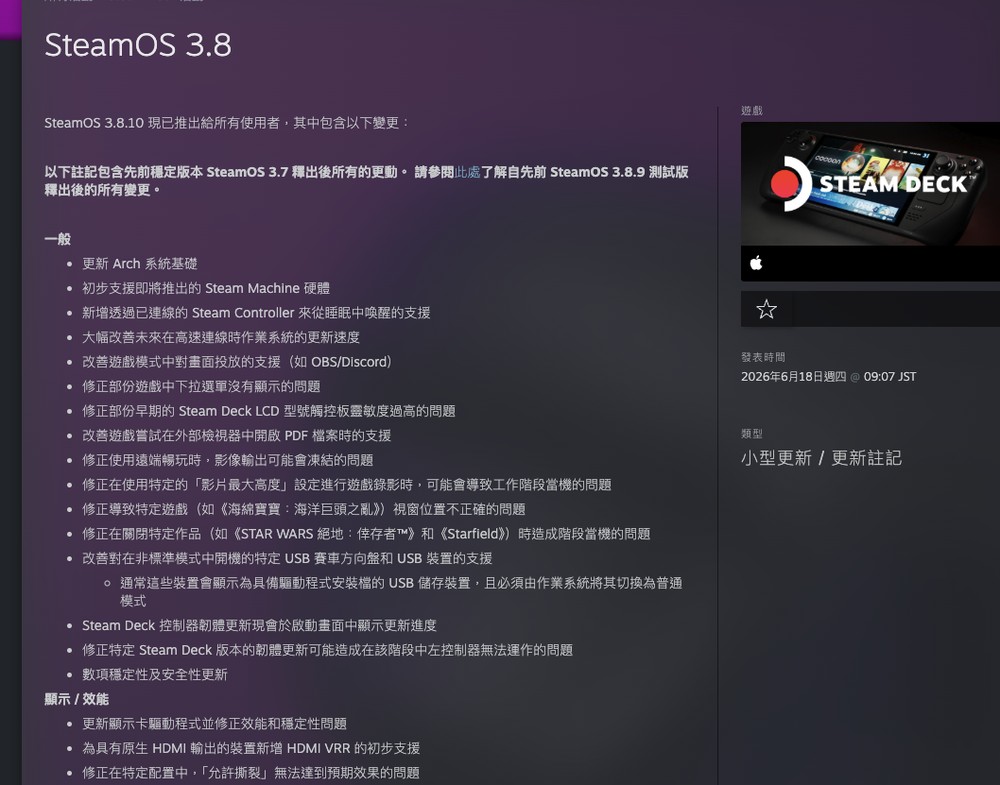
The update instructions for SteamOS 3.8 are indeed prepared in this direction. The content mentioned that this version adds “preliminary support for the upcoming Steam Machine hardware”, also improves compatibility with recent Intel and AMD platforms, and strengthens video memory management on independent graphics platforms. The desktop mode has also been changed from X11 to using Wayland by default, bringing improvements such as better TV scaling, external HDR screens, and VRR display support:
Another report from The Verge also mentioned, Valve and Intel have both confirmed that they are working together to improve SteamOS support on Intel hardware. The SteamOS 3.8 update has added initial firmware support for “upcoming Intel handheld consoles” and also added controller support for some MSI Claw handheld consoles.
Intel said that it is still working on the Mesa graphics driver and continues to cooperate with Valve, but there is no clear statement at this stage about the SteamOS support schedule for the Panther Lake architecture.
As for NVIDIA graphics card users, they will have to wait. Griffais said that Valve is working closely with NVIDIA and has a continuously expanding team internally to handle driver support for SteamOS on NVIDIA hardware. However, this support may not be officially available this year.
It is worth noting that the current installation process of SteamOS is still biased towards “installing a new PC directly into SteamOS”, and it is not the kind of installation wizard that allows Windows users to easily retain the original system and create a dual system.
What’s really interesting about Steam Machine this time is whether SteamOS can use it to return to the desktop market. In the past, the first generation of Steam Machine was not successful. A large part of the reason was that SteamOS, the ecosystem, and the hardware timing were not mature enough.
But the situation is different now. Steam Deck has pushed SteamOS and Proton to more players, and many people have begun to accept that PC games do not necessarily have to run on Windows.
If Valve can really complete the desktop compatibility step by step this time, the Steam Machine will not just be a simple hardware product, but more like a showcase for SteamOS to move out of handheld consoles and enter the living room and general desktop market.
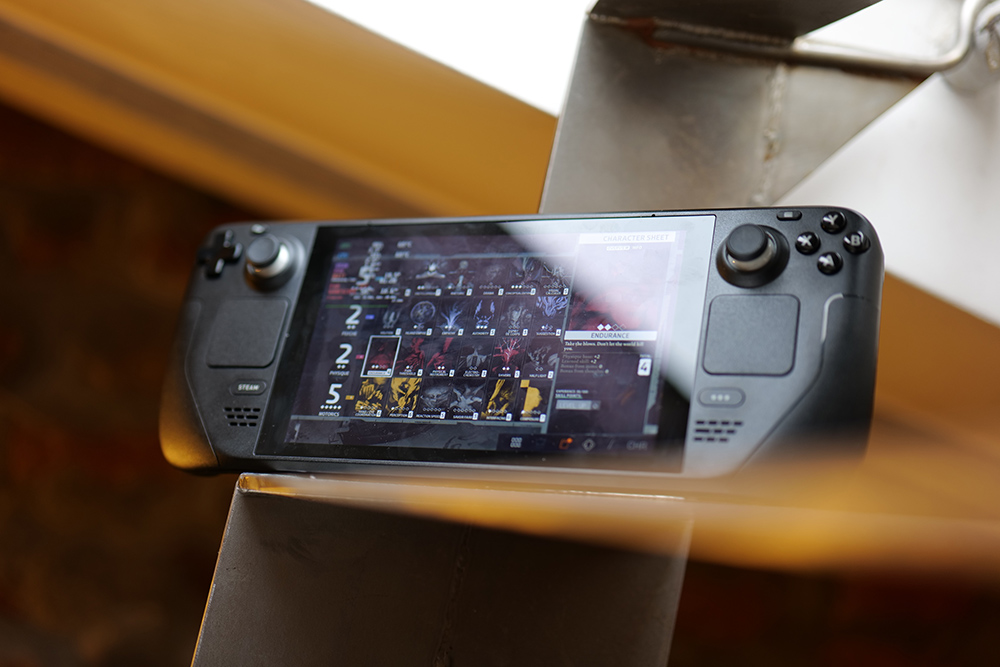
Of course, we still need to return to reality at this stage. SteamOS 3.8 has indeed taken an important step, but dual-system installation, NVIDIA support, and different motherboard and controller experiences will still take time.
For the average player, the most conservative approach is not to replace the main Windows PC immediately, but to wait until more tutorials, compatibility lists, and actual test cases are released before making a decision. If you really want to try something new, it is recommended to test it with a spare SSD or a spare host first.
Source: KOCPC Chinese