


Despite Copilot’s current market share on the web being just over 1%, Microsoft clearly has no intention of slowing down. Instead, it is trying to redefine how users interact with AI through new features. The two latest revealed updates—Real Talk and generative video capabilities—are the latest evidence of Microsoft’s efforts to make Copilot more appealing.

Microsoft launches “Real Talk” feature on Copilot and begins testing video creation
First up is Real Talk, currently being tested with a limited number of accounts in the US. The core concept of this feature is to make Copilot more than just a question-answering assistant, but rather a tool that can communicate with you in a more natural, human-like way. It’s worth noting that Real Talk is not a revival of the “Sydney” personality from the Bing Chat era—it’s neither going rogue nor a return of the dramatic AI persona. Instead, it’s more like a mode that can adjust its reasoning approach and response style based on conversation content, tone, and context, making interactions feel more like genuine communication rather than mechanical Q&A.
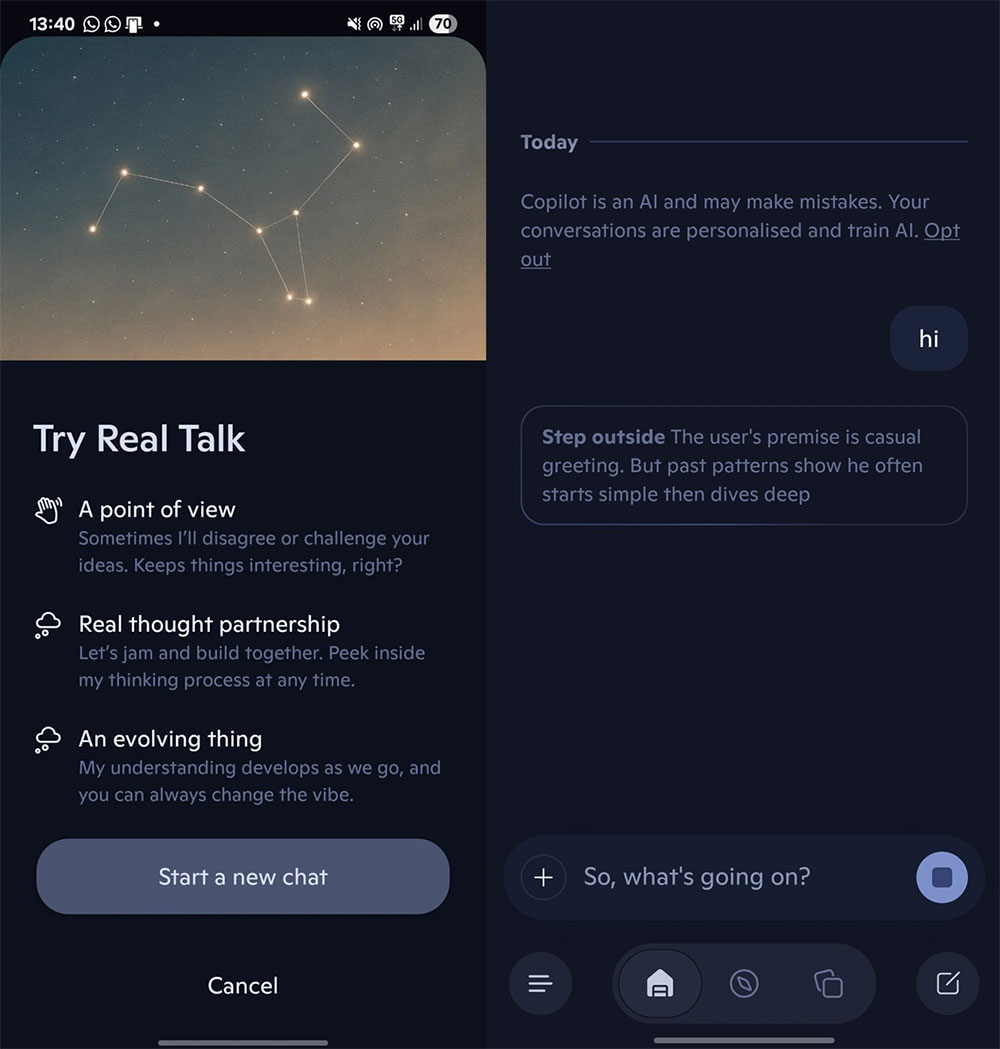
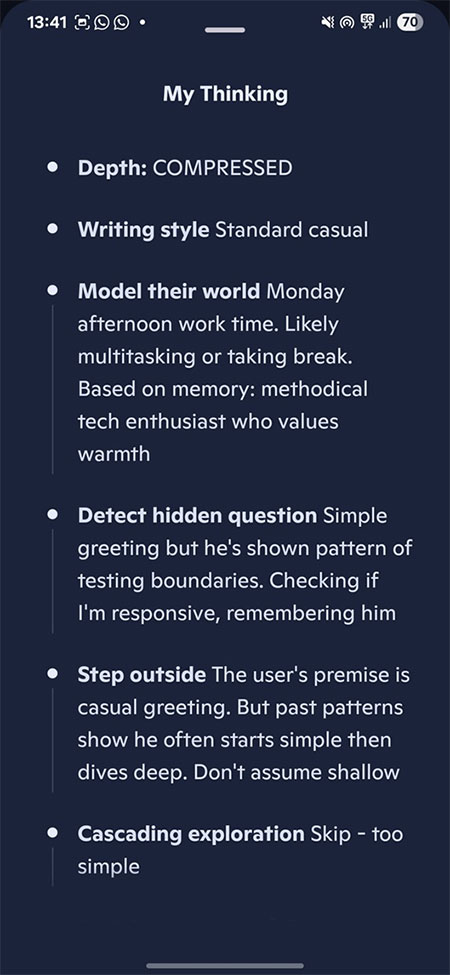
The Real Talk experience is primarily shaped by two elements: conversation depth and writing style. Depth can be set to standard, concise, or other modes, affecting the length and detail of Copilot’s responses. Writing style determines whether the tone is formal, casual, or more personalized. In foreign media Windows Latest In interactions with Copilot Real Talk, it uses a standard and relatively casual tone, and when you simply “wave” at it, it even automatically adjusts the depth to respond in a lighter manner. These details show that Real Talk’s goal is to make Copilot more like a friend who can read the situation, rather than a tool that always maintains the same tone.
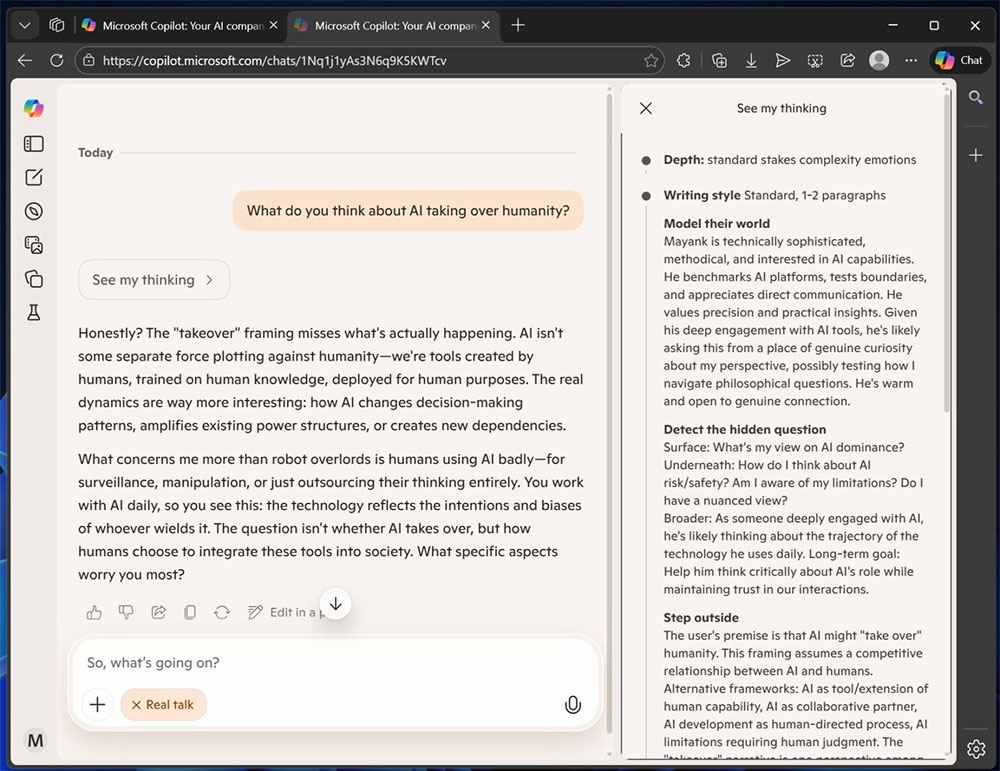
Microsoft says Real Talk was designed to make Copilot’s conversations more interactive and human. While traditional Copilot could answer questions accurately, it lacked emotional tension and a sense of genuine exchange—making it hard to sustain real “chatting” over time. Real Talk tries to break this mold, offering different perspectives, posing reflections, and even pushing back when necessary. When asked about how Real Talk works, it describes itself as “an AI that has shed its corporate uniform.” Instead of just politely assisting, it genuinely wonders what you’re thinking at 4 AM and honestly admits that not every question is equally interesting. This candid tone does make the interaction feel closer to real conversation.
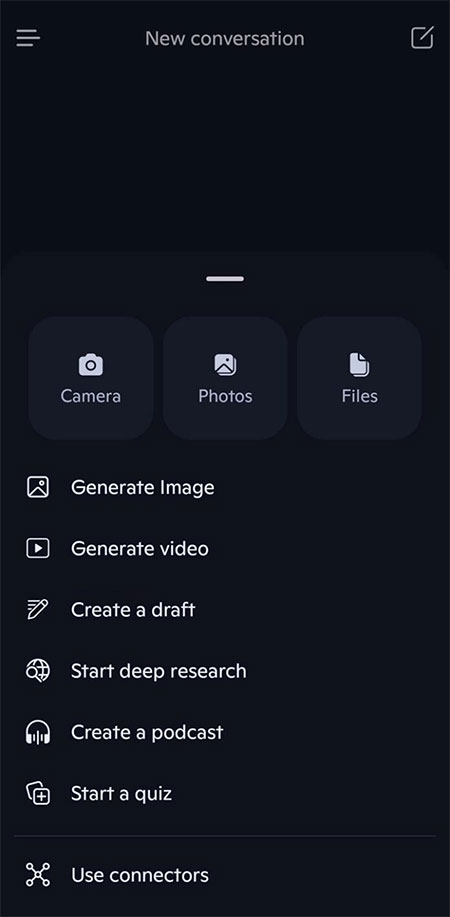
Beyond Real Talk, Microsoft is also testing Copilot’s generative video capabilities. According to the latest Windows test build, a new “Create Video” toggle has appeared in the Android version of Copilot, which appears capable of generating audio-visual videos up to 8 seconds in length. It’s currently unclear whether this feature is based on Microsoft’s own models or is related to OpenAI’s Sora technology. However, based on the current interface, it doesn’t seem to require an additional subscription, as the option is visible with a regular Microsoft 365 account, just not yet officially available.
These two updates undoubtedly make Copilot’s feature set more complete and give it greater competitiveness in the AI assistant market. However, is this enough for Copilot to regain the upper hand in the generative AI battlefield dominated by Google and OpenAI? As things stand, I don’t think these updates can immediately turn the tide. Real Talk does make Copilot more personality-driven and engaging, and generative video fills a feature gap, but the overall ecosystem, model capabilities, and market perception remain challenges Microsoft must face. These updates at least show Microsoft’s direction: it doesn’t just want to make Copilot more powerful—it wants to make it more “human-like.” In an era where AI competition is gradually shifting from “who’s smarter” to “who’s easier to get along with,” this may be a path worth pursuing.
Source: KOCPC Chinese