


While Microsoft’s flagship products are undoubtedly Windows and Microsoft Office, the company has made many bold and unconventional attempts throughout its half-century journey. Some projects quietly came to an end, becoming minor footnotes in history; others, though unsuccessful, left behind valuable clues and inspiration for future technological breakthroughs.

5 Microsoft Projects You’ve Never Heard Of
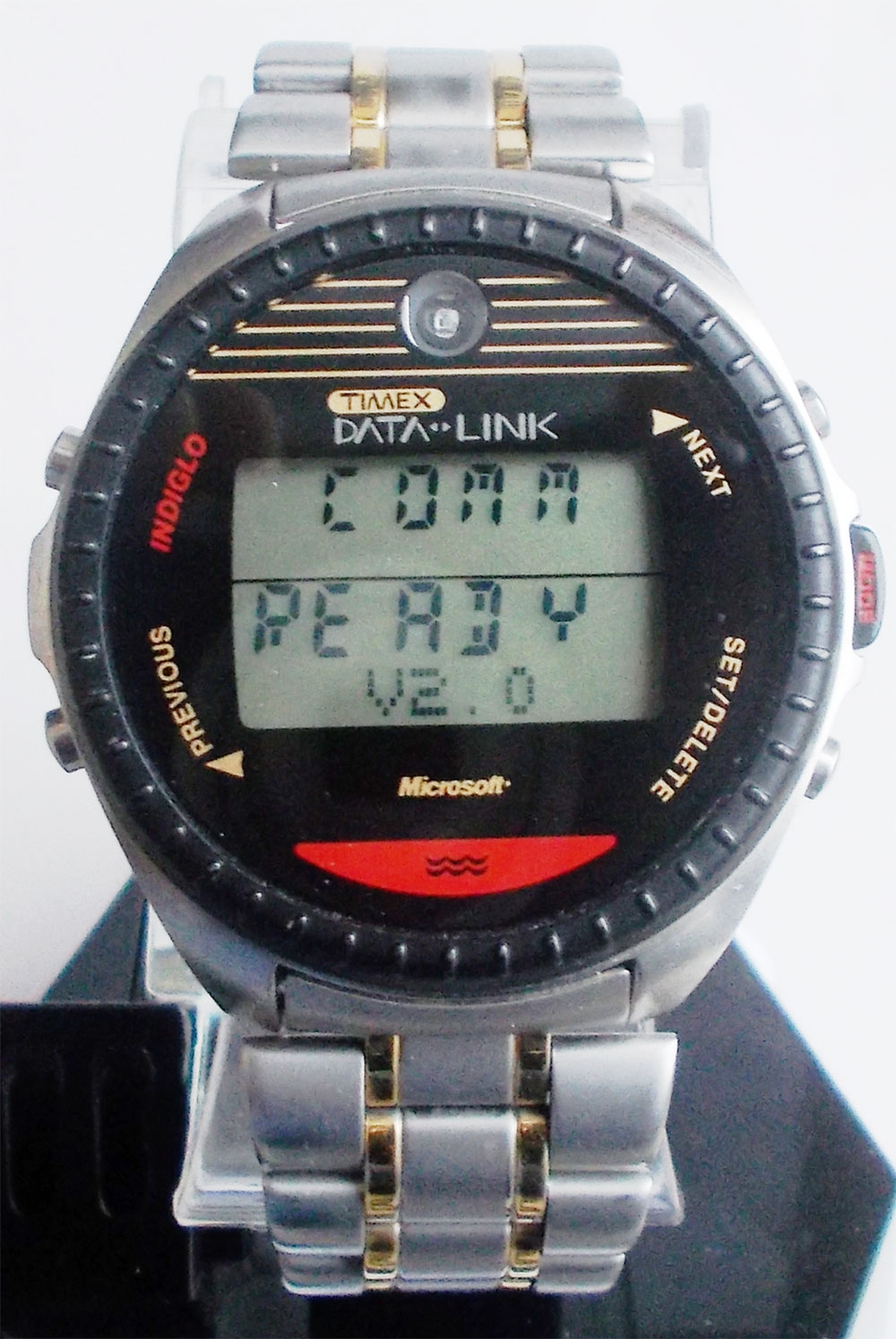
An early smartwatch developed by Microsoft
In 1994, Microsoft partnered with Timex to release a smartwatch called “Datalink,” which could sync contacts, calendar events, and to-do lists from a computer, and even featured 100-meter water resistance — quite advanced for its time. What’s even more interesting is that many of Datalink’s concepts actually echo features we now take for granted on smartwatches today.
However, its most amazing feature was also its greatest limitation: the data transfer method. The computer would flash images on the CRT screen at a specific rhythm, while the optical sensor on the watch would read these flashing signals and store the information. This technology never became widespread, but it was (and still seems to be) a creative, slightly crazy cool idea.
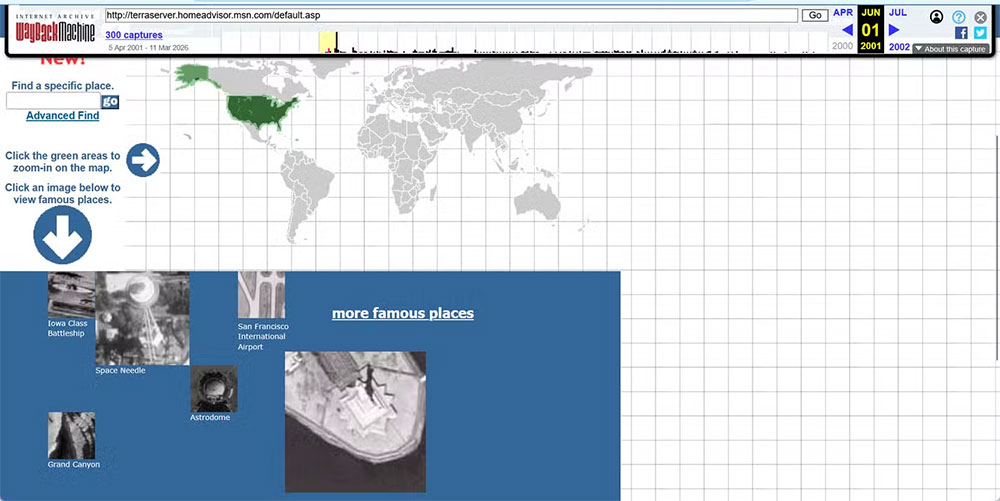
Microsoft once released a global mapping software
In the late 1990s, Microsoft integrated USGS aerial photography with Russian satellite imagery to create an online service called TerraServer. Through it, users could browse most of the Earth with stunning clarity at up to 1-meter resolution—a groundbreaking technological breakthrough at the time. What’s more, Microsoft brought this kind of global imaging service to the public market before Google even launched Google Earth. However, TerraServer failed to capitalize on its early advantage, and Google ultimately emerged victorious in the subsequent competition, becoming the default mapping and Earth imagery tool for most people.
Today TerraServer has ceased operations, but Microsoft continues to maintain Bing Maps as a modern competitor to Google Maps. If you’re curious about what TerraServer looked like and its history, you can still access it through Wayback Machine Found a large number of saved page archives.
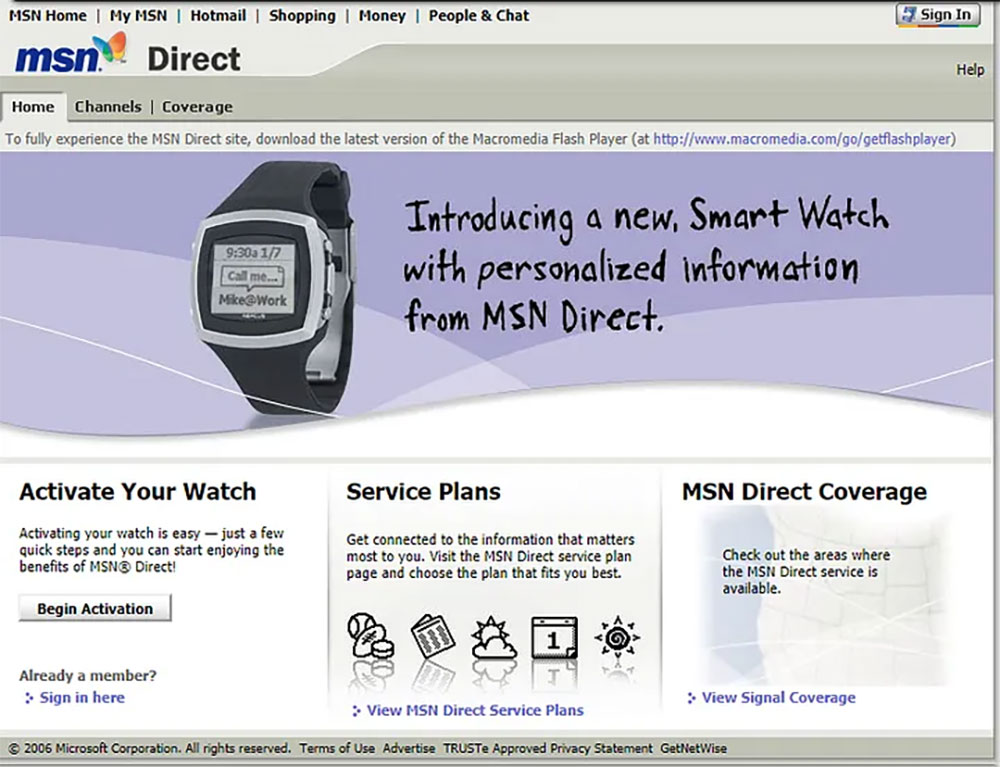
Microsoft developed the SPOT Watch
Before modern smartwatches became mainstream, Microsoft had actually released an early smartwatch called the SPOT Watch. It could receive information through FM radio signals, displaying weather, sports scores, stock quotes, and even syncing messages from MSN Messenger and Outlook—quite cutting-edge for its time. Its operating principle was the same as how car stereos display song and artist information when playing the radio. Interestingly, Melitta even made a coffee maker that used the same technology.
However, like many of Microsoft’s ambitious hardware projects, the SPOT Watch had its share of limitations. It required a subscription service costing about $60—which was no small sum in the early 2000s. The watch itself was quite bulky, and it was only available in North America. After just four short years, the SPOT Watch was ultimately discontinued, and its technology was replaced by later, more mature and convenient smartwatches.
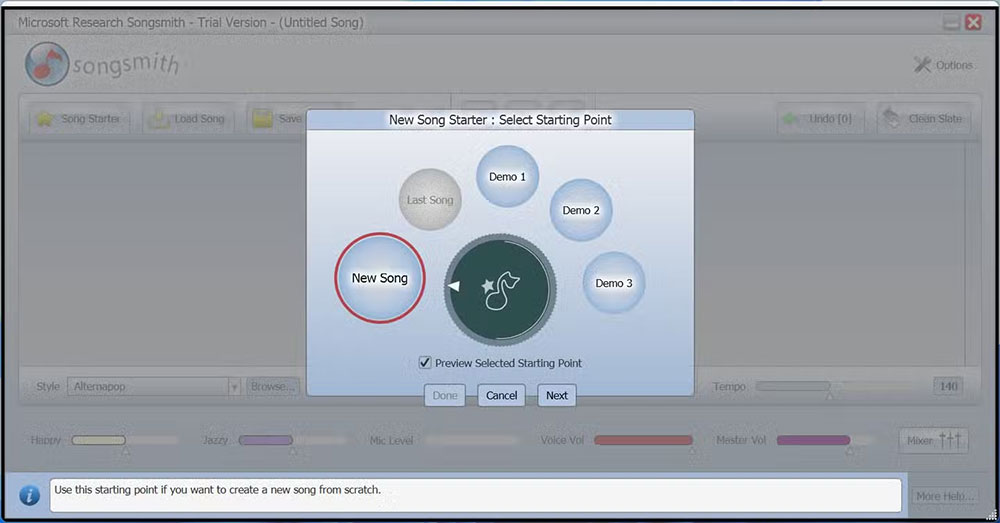
The goal is to replace band members with Songsmith
Songsmith is a music creation program that Microsoft launched in 2009. Users simply sing a melody, and Songsmith automatically generates appropriate chord progressions and accompaniment instruments, like adding real-time arrangement to your humming. Of course, compared to today’s generative AI music tools, its results aren’t particularly precise or refined. But it still went viral quickly back then, for a simple reason: people discovered it was great at creating off-key and hilarious accompaniments for popular songs, creating a kind of amusing contrast entertainment.
If you want to try this software,Microsoft Research websiteA free version is still available for you to try out for a limited time, compatible with all systems from Windows XP to Windows 11.
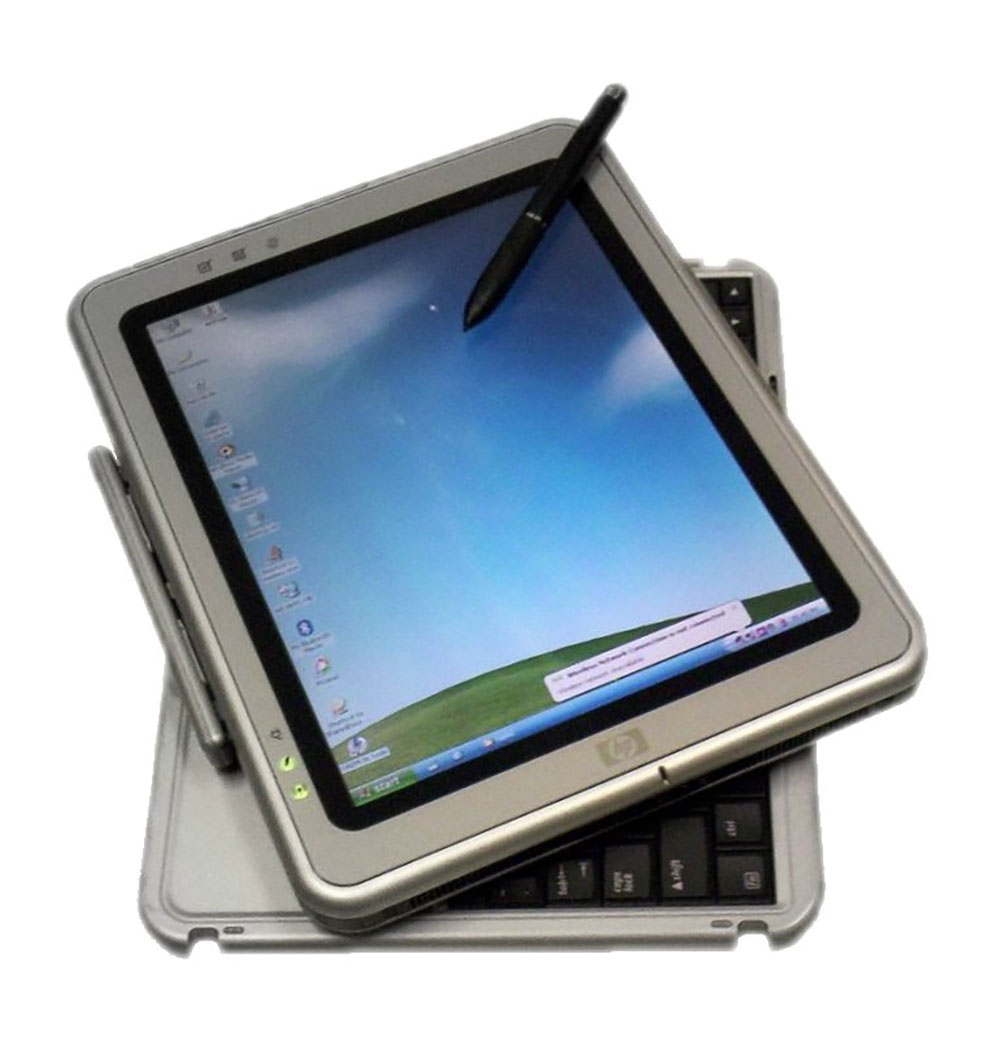
Tablet running Windows XP
Before the iPad was released, Microsoft had actually already launched its own “tablet PC” product, using a specially customized version of Windows XP. In terms of both design and usage, it shared many similarities with the tablets that became popular in the mid-2010s, but limited by the hardware of its time, it struggled to attract mainstream consumers. Although Microsoft released multiple models, typical specifications mostly remained at 128MB of memory, a 600MHz processor, and 20GB of storage. Battery life was particularly problematic—they could typically last only about three hours before needing to swap in another fully charged battery.
Even by the standards of that era, these specifications were somewhat lacking. Desktop computers of the same period typically came equipped with processors running at over 1GHz, 256MB to 512MB of RAM (sometimes expandable to 1–2GB), and storage capacity that could reach 100GB. The more fundamental problem was that Windows XP was designed primarily for keyboard and mouse input rather than touch interfaces, making the overall user experience feel clumsy and unintuitive—this was one of the main reasons Microsoft’s early tablets struggled to gain widespread adoption. To make matters worse, these devices often cost several thousand dollars. While this wasn’t uncommon among high-end tech products, such a high price barrier certainly made it harder for them to break into the mainstream consumer market.
If there’s one consistent thread running through Microsoft’s various experiments, it’s that they are genuinely skilled at creating cutting-edge and innovative technologies. Unfortunately, Microsoft often runs too far ahead, and many concepts lacked market readiness at the time, failing to receive the attention they deserved. The aforementioned cases are merely the tip of the iceberg. Throughout its history, Microsoft has also experimented with a wide range of prototype technologies, including dual-screen devices similar to today’s foldable phones and chat agents that could respond to messages in animated form.
So the next time Microsoft launches a product or feature that leaves you scratching your head, consider this: what you’re seeing might just be the early form of technology that could shine in the future.
Source: KOCPC Chinese