


What a tear of time! With the official debut of the latest 10th-generation processor this year, Intel announced earlier that the 8th-generation processor will be retired and will be discontinued this year, and almost all series (except Xeon), from the lowest-end Celeron to i7-8700K, means that if you are using a 300 series chipset motherboard, you can only choose a 9th-generation processor if you want to upgrade later, or replace the motherboard and go straight to the 10th-generation.
Intel announces official end of production of 8th generation CPU processors
According to a report by foreign media Tom’s Hardware, Intel recently issued some product change notifications (PCNs), which mentioned that the Coffee Lake-s 8th generation processors will be discontinued. The actual time is not yet known, but since production is about to be discontinued, a batch of cheap Intel 8th generation processors may appear on the market in the future?
It actually makes sense for Intel to announce the discontinuation of production so soon. After all, the 9th generation is also based on the Coffee Lake architecture. For those currently using 300 series chipsets, they can directly upgrade to the 9th generation without changing the motherboard. Moreover, after the 10th generation comes out, the price of the 9th generation will no longer be unexpectedly lower. It would be meaningless if the 8th generation goes lower.
Compared with the 8th generation, in addition to faster performance, the 9th generation also has Hyper-threading, the F series has no internal display version, and most importantly, fixes the Meltdown vulnerability, etc.
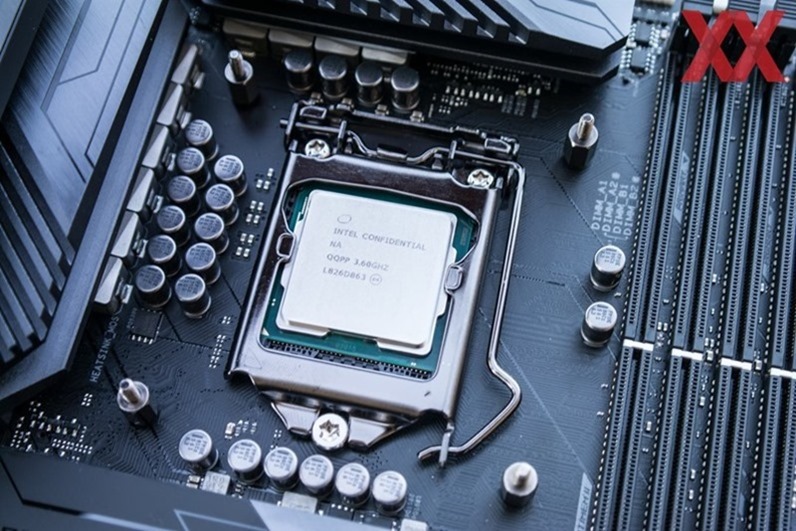
Below are all Intel’s 8th generation discontinued models compiled by Tom’s Hardware. In short, except for the Xeon series, all others are included:
- Intel® Celeron® G4900 Processor
- Intel® Celeron® Processor G4900T
- Boxed Intel® Celeron® Processor G4900
- Boxed Intel® Celeron® Processor G4920
- Boxed Intel® Core™ i3-8100 Processor
- Boxed Intel® Core™ i3-8300 Processor
- Boxed Intel® Core™ i3-8350K Processor
- Boxed Intel® Core™ i5-8400 Processor
- Boxed Intel® Core™ i5-8500 Processor
- Boxed Intel® Core™ i5-8600 Processor
- Boxed Intel® Core™ i5-8600K Processor
- Boxed Intel® Core™ i7-8086K Processor
- Boxed Intel® Core™ i7-8700 Processor
- Boxed Intel® Core™ i7-8700K Processor
- Boxed Intel® Pentium® Gold G5400 Processor
- Intel® Pentium® Gold G5400 Processor
- Intel® Pentium® Gold G5400T Processor
- Intel® Pentium® Gold G5500 Processor
- Intel® Pentium® Gold G5500T Processor
- Intel® Pentium® Gold G5600 Processor
- Intel® Pentium® Gold G5600F Processor
- Intel® Pentium® Gold G5600T Processor
- Boxed Intel® Pentium® Gold G5500 Processor
- Boxed Intel® Pentium® Gold G5600 Processor
- Boxed Intel® Pentium® Gold G5600F Processor
- Intel® Celeron® Processor G4920
- Intel® Core™ i3-8100 Processor
- Intel® Core™ i3-8100B Processor
- Intel® Core™ i3-8100T Processor
- Intel® Core™ i3-8300 Processor
- Intel® Core™ i3-8300T Processor
- Intel® Core™ i3-8350K Processor
- Intel® Core™ i5-8400 Processor
- Intel® Core™ i5-8400T Processor
- Intel® Core™ i5-8500 Processor
- Intel® Core™ i5-8500B Processor
- Intel® Core™ i5-8500T Processor
- Intel® Core™ i5-8600 Processor
- Intel® Core™ i5-8600K Processor
- Intel® Core™ i5-8600T Processor
- Intel® Core™ i7-8700 Processor
- Intel® Core™ i7-8700T Processor
- Intel® Core™ i7-8700B Processor
- Intel® Core™ i7-8700K Processor
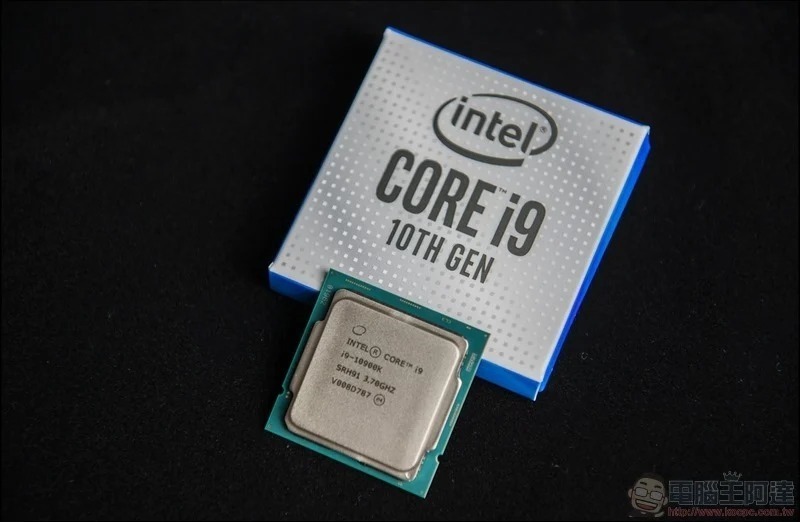
If you have been using an 8th generation processor for more than a year, I personally recommend upgrading to the 10th generation (requiring a 400 series motherboard).The performance has been improved a lot, and there are many more features., and we have also reviewed the new generation gaming flagship processor Intel® Core™ i9-10900K. Interested readers canRefer to this article。
Source: KOCPC Chinese