


If you already have one on your desk iPhone, and are accustomed to using it for meetings, answering messages, video calls, or as a temporary assistant, then you may be interested in this kind of desktop that “doesn’t invent a separate screen” AI Design generates interest. In recent years, more and more AI devices have been developed, but the ones that really stick around are often not the ones with the most dazzling functions, but products that can naturally integrate into daily use situations.
This year’s CES 2026 has a desktop device that chooses to directly borrow the iPhone’s existing lens, screen and microphone, and then uses a rotating and “looking at you” structure to create a new role between a charging stand and an AI assistant. It’s not just a nice-looking tech toy, it’s also trying to become the place that’s always there on your desk.
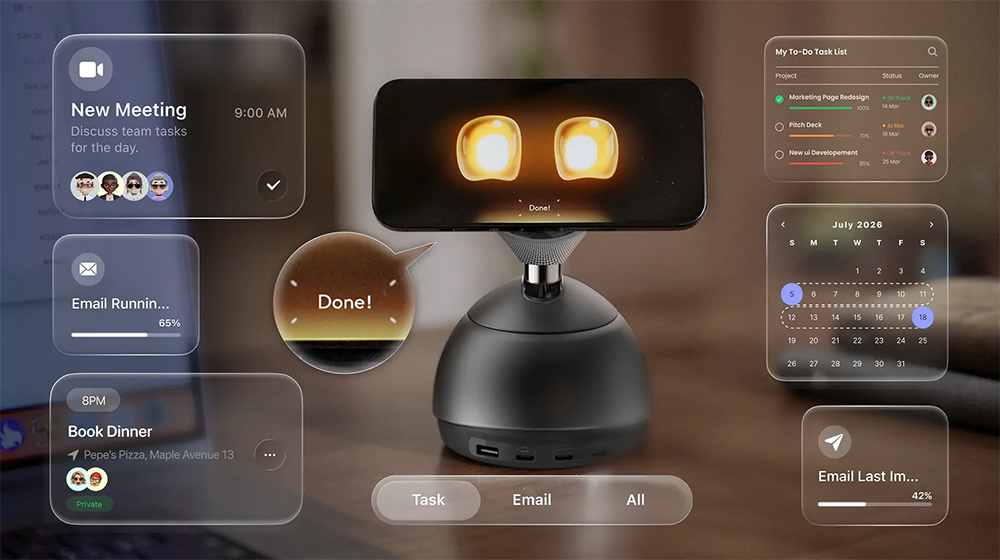
Turn your iPhone into a desktop AI assistant? This rotating MagSafe charging stand Loona DeskMate is a little different
Every year, there is no shortage of AI partners and robot assistants at CES exhibitions. From small desktop characters that can chat to smart devices that emphasize emotional companionship, each concept is bigger than the last. But among the AI products that “want to do everything by themselves”, DeskMate launched by Loona has taken a more pragmatic route.
DeskMate is essentially a desktop MagSafe The charging stand is also a multi-port charging hub. It provides multiple USB-C and USB-A ports, allowing you to wirelessly charge your iPhone while also recharging headphones, power banks, or other devices. This is crucial because it is not asking you to “put one more thing” on your desk, but trying to replace the charging device you already use.
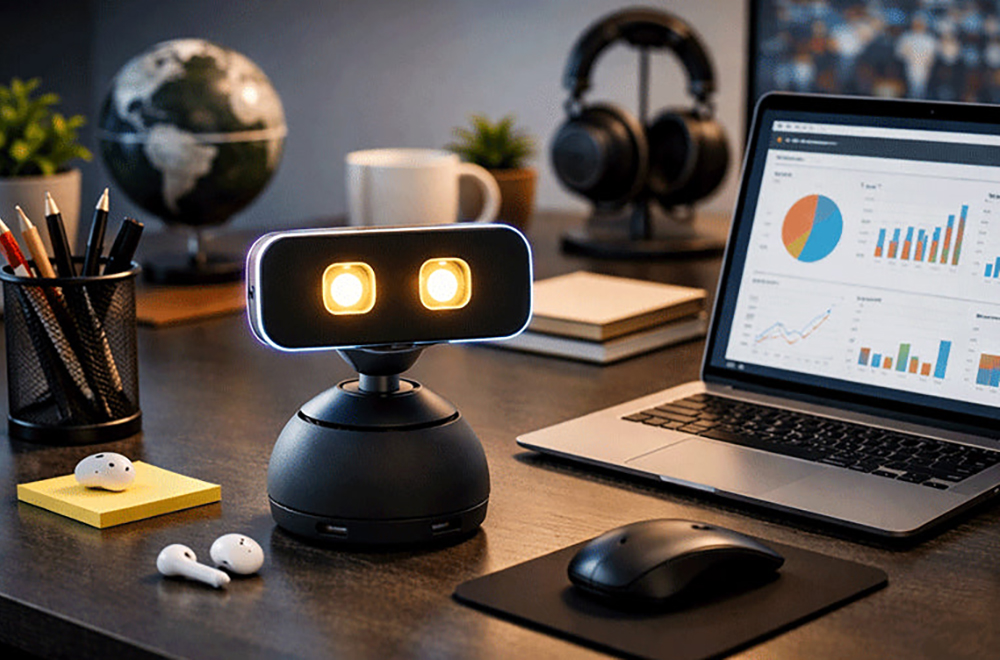
What really sets the DeskMate apart from ordinary MagSafe stands is the structure that can rotate left and right and tilt up and down. After you suck your iPhone up, and use the exclusive app, it will automatically focus the phone’s lens on your position. Whether you turn slightly sideways in the chair, or stand up to speak, it will move with it, maintaining a state of “looking at you.”
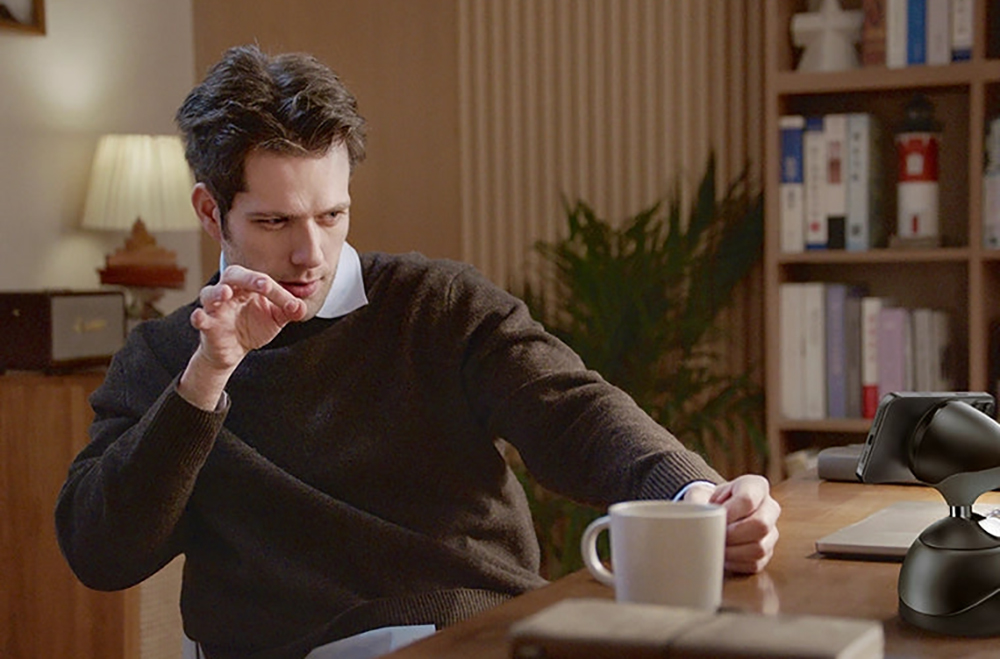
This design eliminates the need for DeskMate to have its own built-in screen, lens or microphone. All perception and interaction are handled by the iPhone, and the device itself only plays the role of bracket and action performer. The benefits are very direct. Without a whole set of hardware, the burden of maintenance and updates is naturally reduced. For users, the operating logic completely follows the habits of mobile phones, and there is no need to learn a new system.
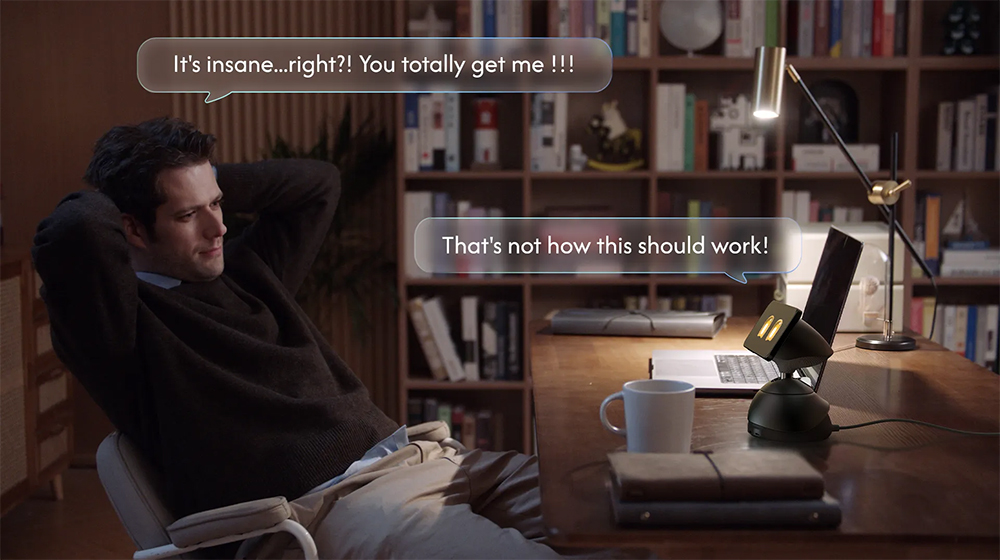
Visually, DeskMate also deliberately takes the cute route. The “eyes” on the front of the fuselage have a sense of animation, a bit like the character settings in Pixar movies, but not too childish. With this design, it won’t look obtrusive when placed on your desk, and it will look more like an interactive small object rather than a cold technological device.
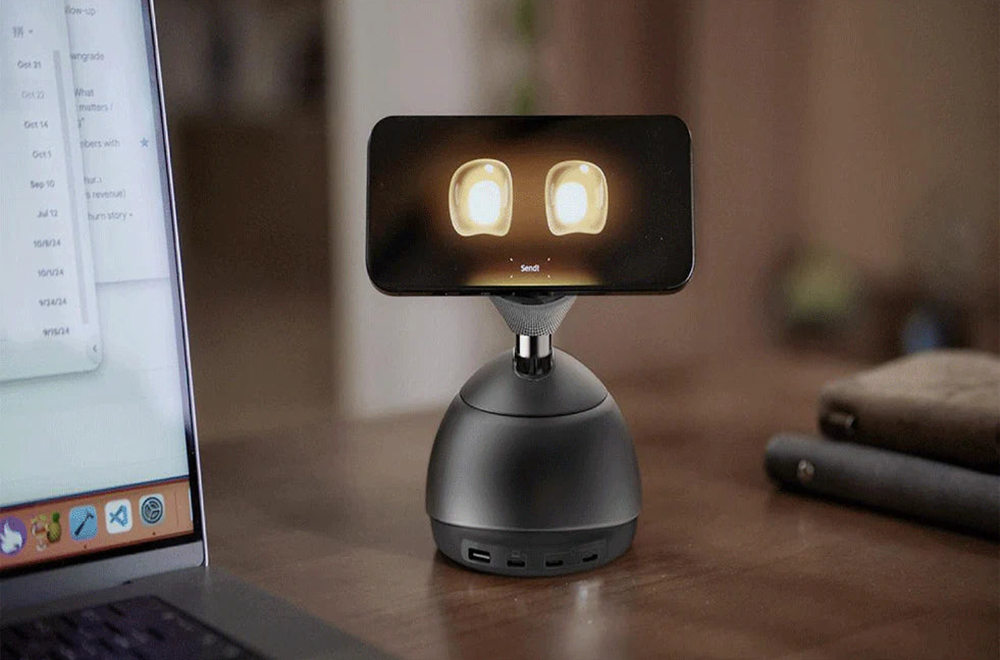
In terms of functionality, DeskMate doesn’t just stop at chatting with you. It supports integration with common work tools, such as message notifications and meeting aids, so that it can play the role of reminder and assistance when you are in meetings or working. From another perspective, it is more like a moving desktop control rather than a simple AI toy.
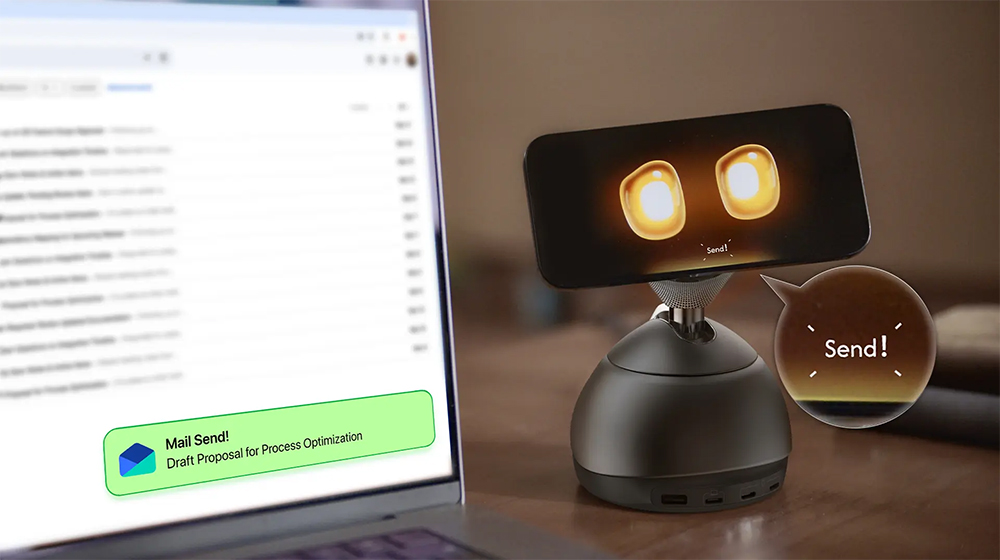
However, DeskMate also has fairly clear limitations. First, it currently relies entirely on the iPhone. When there is no phone attached, it is just a rather large charging hub. Second, this design means that all smart functions are tied to the App and mobile phone ecosystem, and it is unlikely to be cross-platform in the short term.
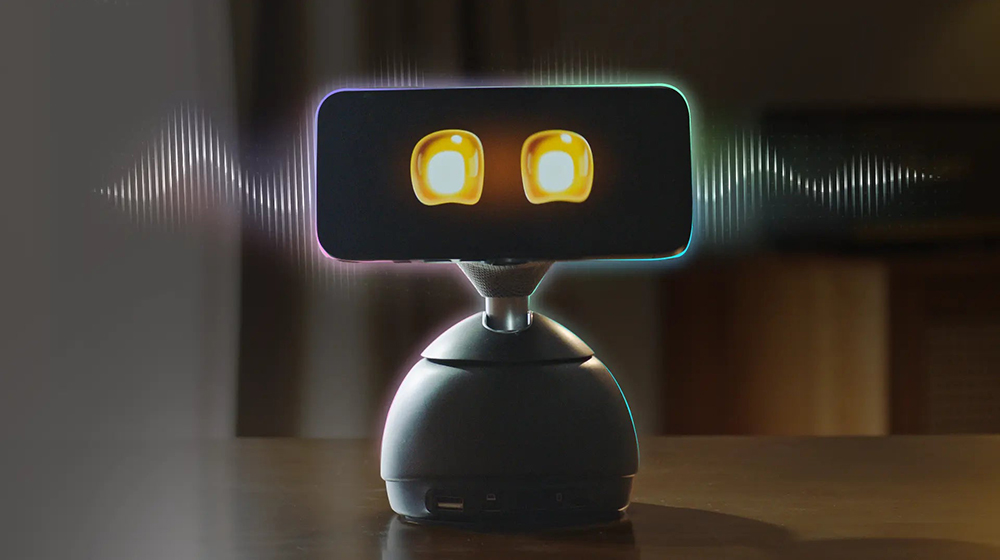
Then there is the issue of price. DeskMate is expected to launch through crowdfunding in March, and the official price will be less than $300, but even that will still be high for many people. After all, it is not a standalone AI device, but is built on top of the phone you already own.
This also makes DeskMate’s positioning subtle. It’s not as cheap as a traditional smart speaker, nor is it as comprehensive as a complete robot. What it sells is a “desktop experience upgrade” rather than a necessary device. Whether it’s worth it depends on how much you expect desktop interaction and AI companionship.
Conclusion
The emergence of DeskMate actually reflects an interesting trend. When there are more and more AI devices, the one that really has a chance to stay is not necessarily the one with the most exaggerated functions, but the design that knows how to “leverage strength” best. Through the existing hardware and usage habits of the iPhone, it has successfully avoided the old path of repeating specifications and instead focused on interactive forms and desktop situations.
However, whether such ingenuity can persuade consumers to spend money remains to be verified by the market. For heavy remote workers and those who frequently use video conferencing and voice assistants, it may bring novelty and convenience; but for ordinary users, there is still a distance that needs to be considered between price and actual value. Whether DeskMate will become a permanent fixture on the desktop, or just another passing topic, time will soon tell.
Further reading:
厚度僅 6mm!小米 Xiaomi 纖薄磁吸行動電源 5000 15W 將於 1/16 在台開賣:早鳥加贈 Xiaomi 3A 編織傳輸線 10cm
Source: KOCPC Chinese