


At the CES 2026 conference in Las Vegas, Nvidia founder and CEO Jensen Huang delivered a 90-minute keynote speech. This was not only a technology feast, but also a comprehensive outline of the development of the AI industry in the next ten years. Facing more than 6,000 live audiences and millions of online viewers around the world, Huang took the stage in his iconic black leather jacket, announcing the arrival of an unprecedented era of “dual platform shift.”
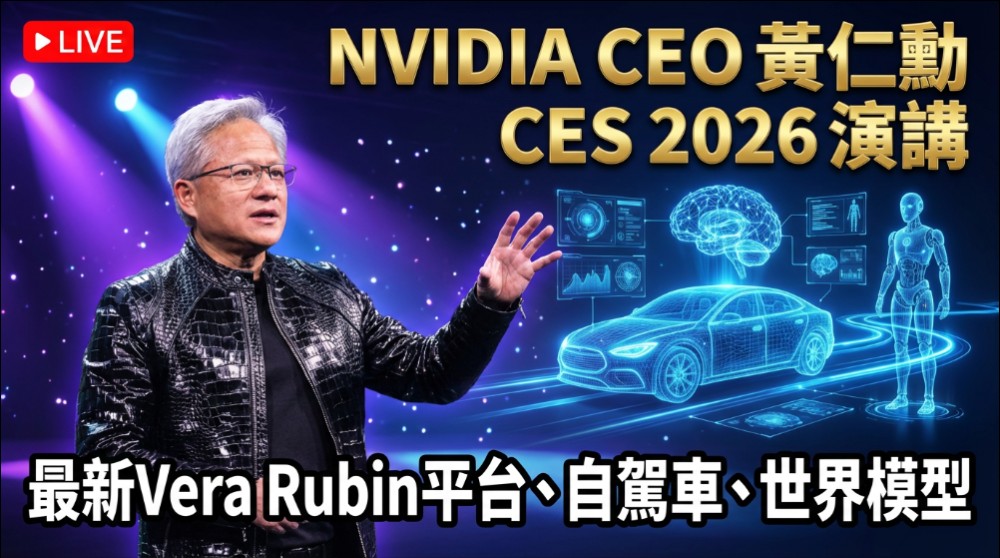
We also specially made a complete Chinese translation of the entire speech and marked each paragraph. Interested friends can also watch it directly.video version:
An unprecedented double revolution
“Every 10 to 15 years, the computer industry will undergo a reset.” Huang Yanxun pointed out the historical context of the industry at the beginning: from mainframe to personal computer, from the Internet to the cloud, and then from the cloud to mobile devices. But this time is different. We are experiencing two simultaneous platform shifts: the shift to AI at the application layer, and a fundamental restructuring of the entire computing architecture. Jen-Hsun Huang explained: “You are no longer writing software programs, you are training software. You are not executing on the CPU, you are executing on the GPU. In the past, applications were pre-compiled, and now applications understand the context and generate every pixel, every token on the fly.”
The scale of this revolution is beyond imagination. The five-layer technology stack of the entire computer industry is being completely reshaped. From the underlying hardware to the application software, each layer is undergoing fundamental changes. this means value $10 trillion’s computing infrastructure is modernizing, and hundreds of billions of dollars in annual venture capital funding and R&D budgets are shifting from traditional methods to AI. Huang Renxun pointed out: “People ask where the money comes from? That is the source of funds: from the modernization of AI, from the shift of R&D budgets from traditional methods to artificial intelligence methods. This also explains why we are so busy.” This is not just an iteration of technology, but also the rebirth of the entire industry value chain, affecting every link from chip manufacturers to software developers.
AI Agents: The Leap from Illusion to Reality
From 2024 to 2025, the field of AI will usher in key breakthroughs:Autonomous agent system (Agentic AI)The rise of AI marks the evolution of AI from a simple question-and-answer tool to an intelligent agent that can proactively think, plan, and perform complex tasks. Jensen Huang recalled: “When ChatGPT first came out, people said it created a lot of hallucinations.
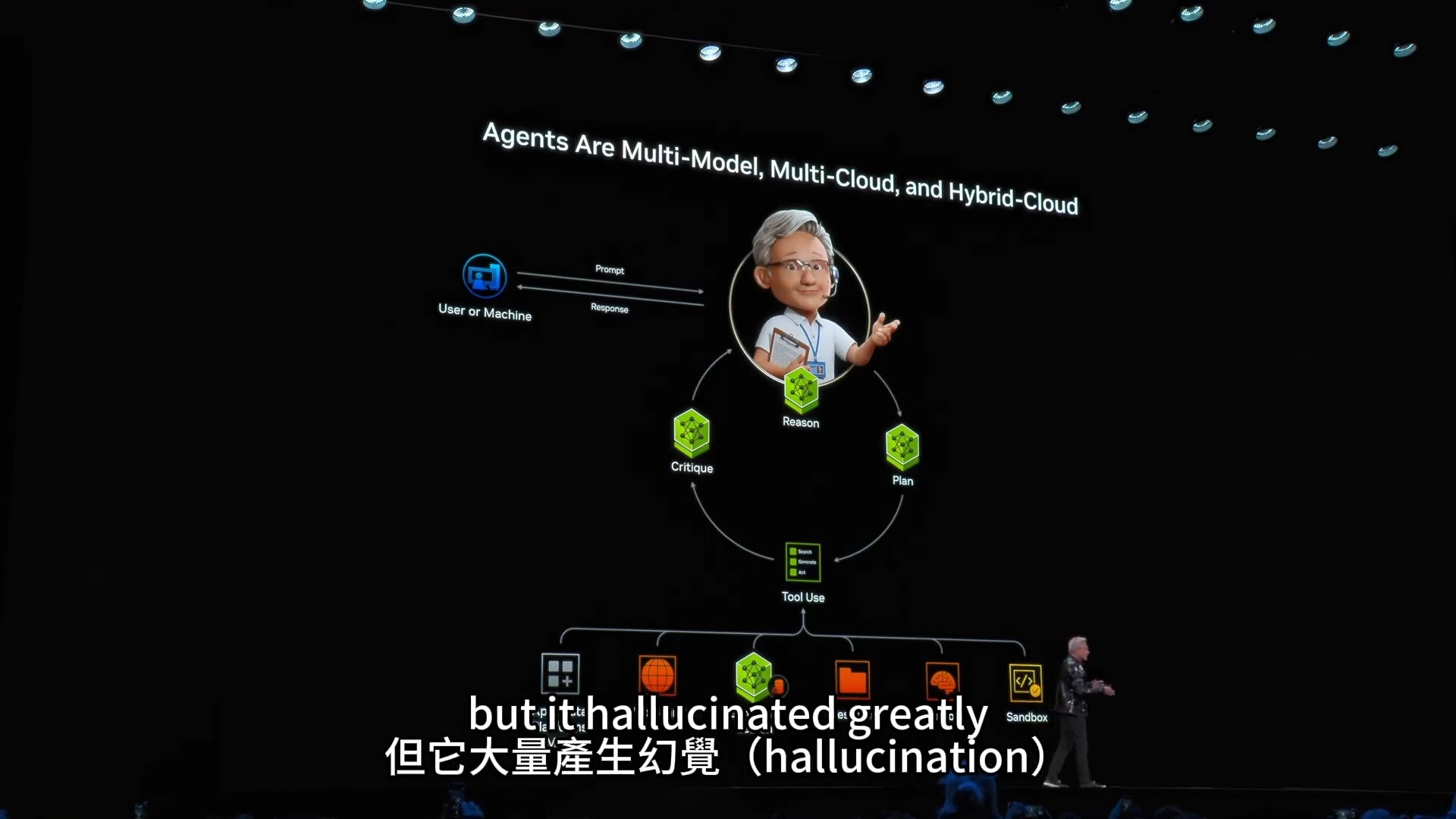
The reason is simple: it can remember everything in the past, but it cannot remember the future and the present. So it needs to be research-based, and basic research needs to be done before answering questions. ” This insight reveals the core value of AI agents: no longer relying on pre-trained knowledge, but the ability to reason on the fly, find information, use tools, and break down complex problems into executable steps.
From the BERT language model in 2015, to the emergence of the Transformer architecture in 2017, to ChatGPT awakening the world’s awareness of AI in 2022, this evolutionary path finally ushered in a breakthrough in 2023 o1 inference model。
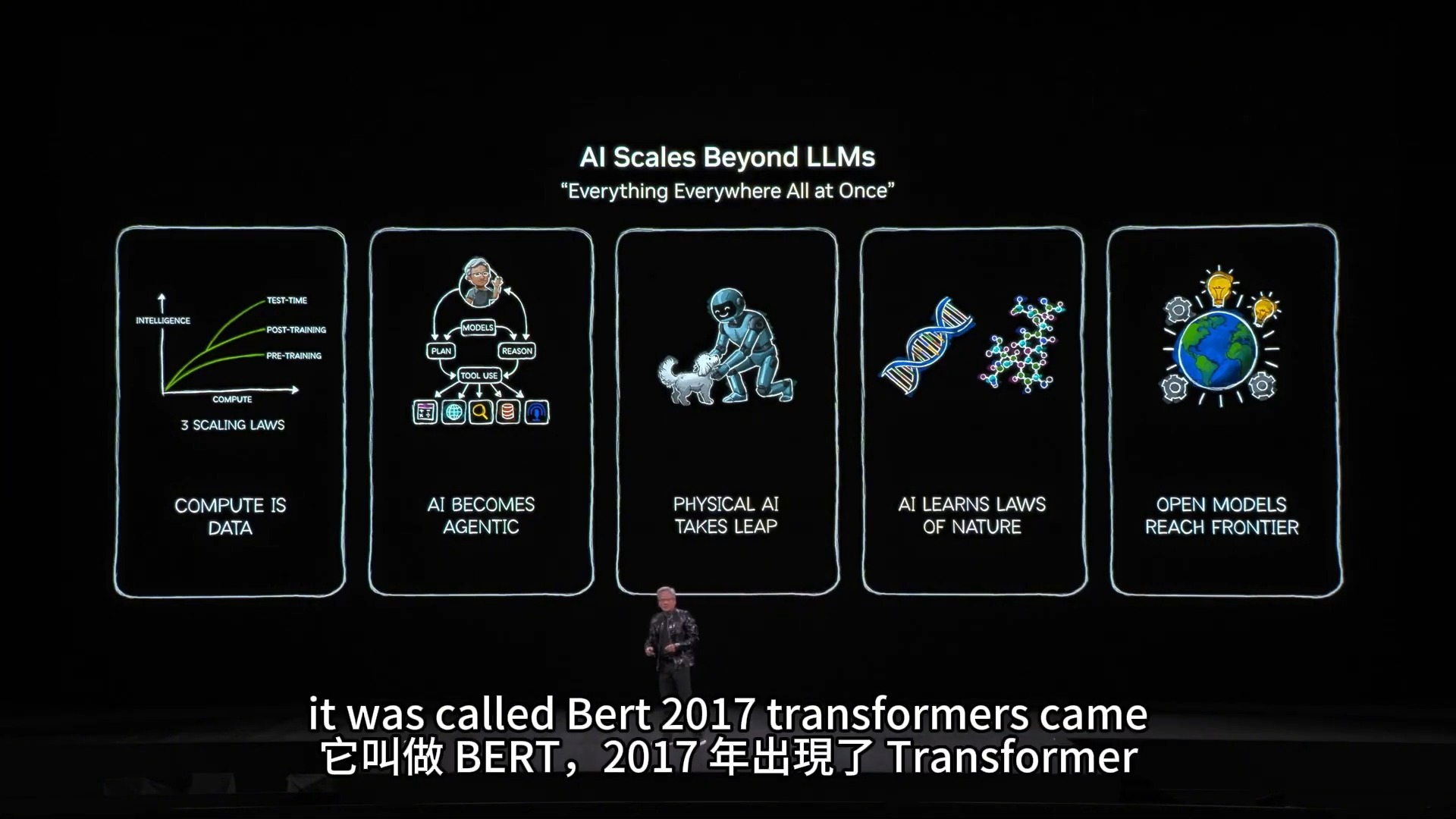
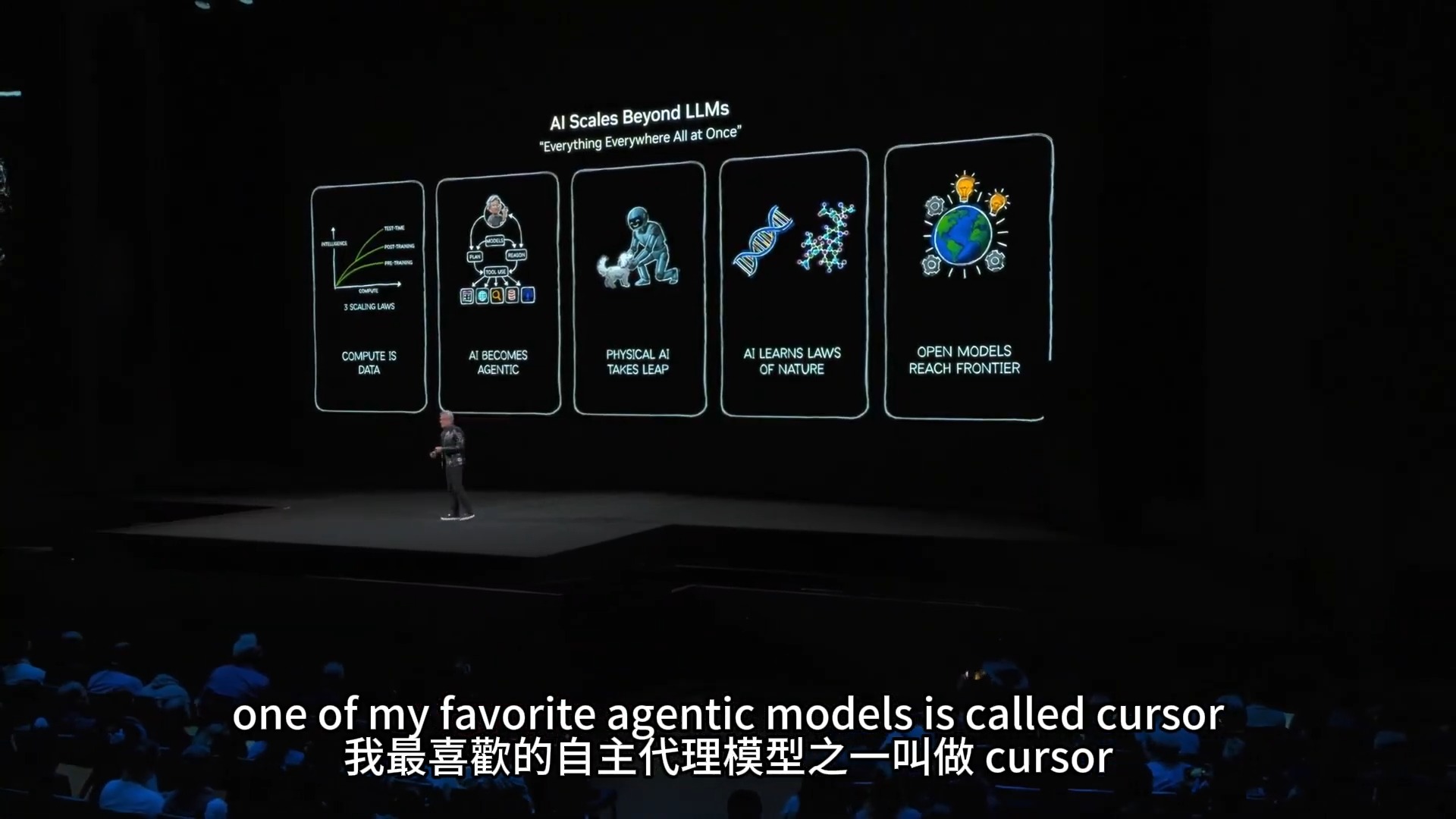
Huang Renxun explained: “This idea is called test time scaling (Test Time Scaling), which is a very common sense approach: we not only pre-train the model to let it learn, but also use reinforcement learning to post-train it to learn skills. Now we also have test time scaling, which allows AI to think in real time.” This ability allows AI to deal with situations it has never seen before, just like humans, breaking down unfamiliar problems into a combination of familiar knowledge and rules. Huang Renxun specifically mentioned Cursor; A revolutionary AI programming tool: “It completely changes the way we do software development at Nvidia. Autonomous agent systems will really take off from here.”
Huang Renxun pointed out that when he first saw Perplexity, an AI search company, using multiple models at the same time, “I thought it was completely genius. Of course, AI will also call on all the great AI in the world to solve problems.”
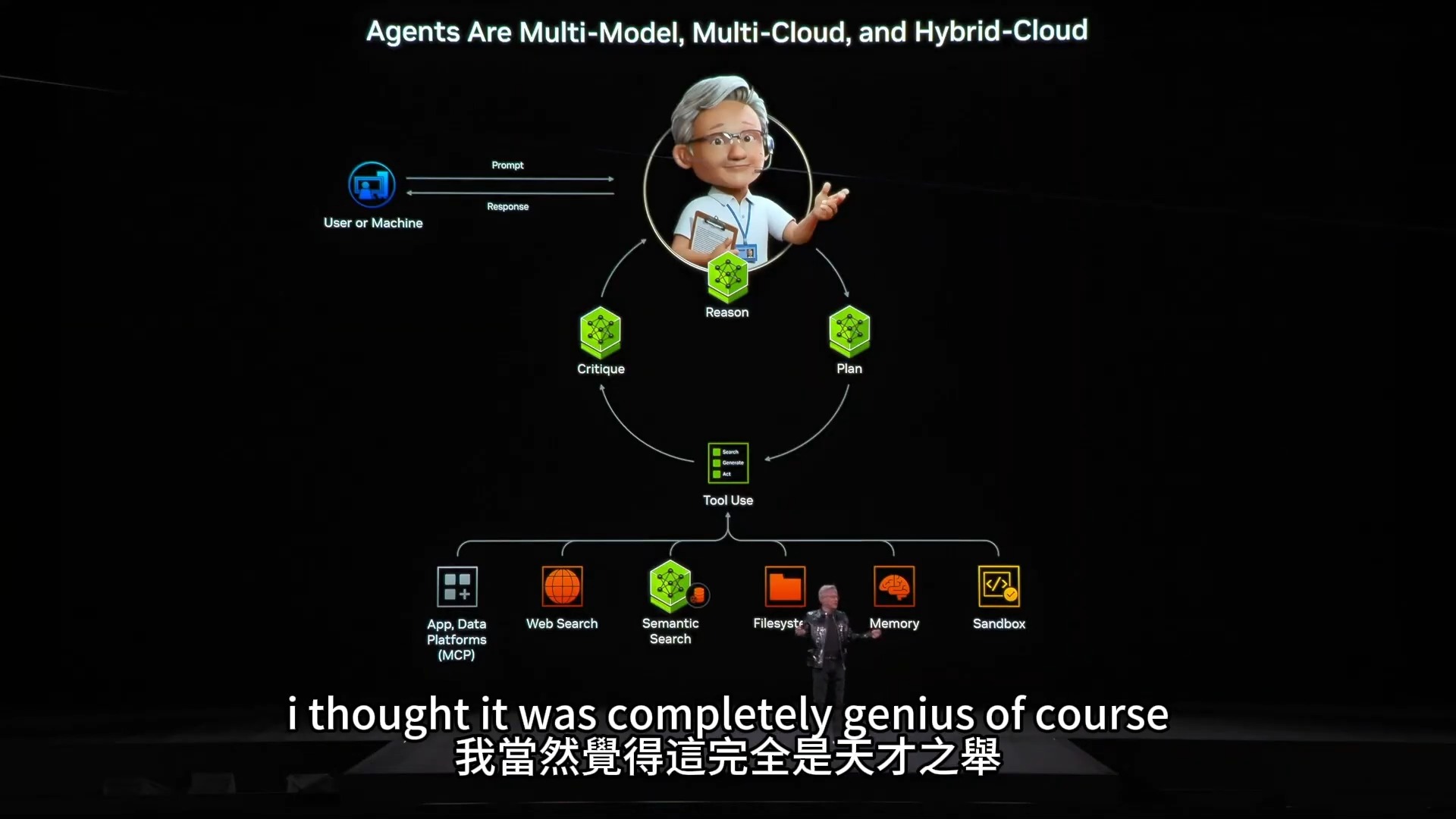
He believes that there are three major characteristics of future AI applications:
Multimodal:Able to understand various information forms such as text, speech, images, videos, 3D graphics, and proteins.
Multimodel:Able to call on all the best AI models in the world to solve specific problems.
Multi-cloud & Hybrid:The model can be flexibly and dispersedly deployed in the cloud, edge devices, and inside the enterprise.
Cosmos: the basic AI model for understanding the world
“The ChatGPT moment for physical AI has almost arrived.” Jensen Huang declared, and Nvidia Cosmos It is the key driver of this historic moment. Cosmos is aOpen Frontier World Foundation Model, designed specifically for physics AI. Unlike the GPT series, which focuses on language understanding, or Stable Diffusion, which focuses on image generation, Cosmos’ core capability lies in understanding the workings of the physical world. It masters basic physical laws such as how gravity affects the movement of objects, how inertia determines acceleration and deceleration, how energy is transferred during collisions, and how fluids flow. It also understands spatial concepts such as 3D geometric relationships, depth perception, and perspective transformation, as well as causal relationships and time evolution patterns in dynamic processes. Huang Renxun explained: “Cosmos has learned a unified world representation that can align language, images, sensor data and 3D scenes.”
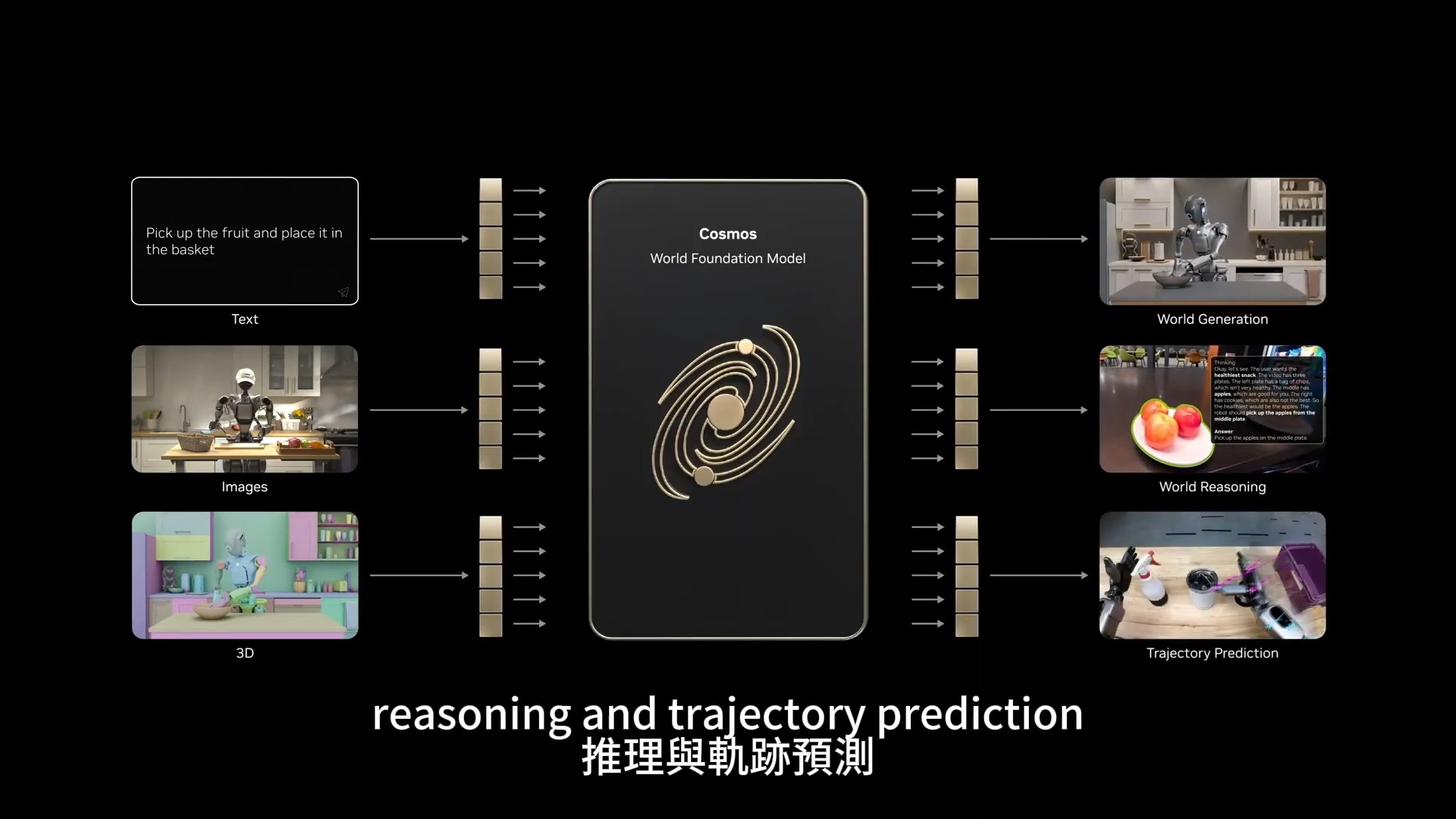
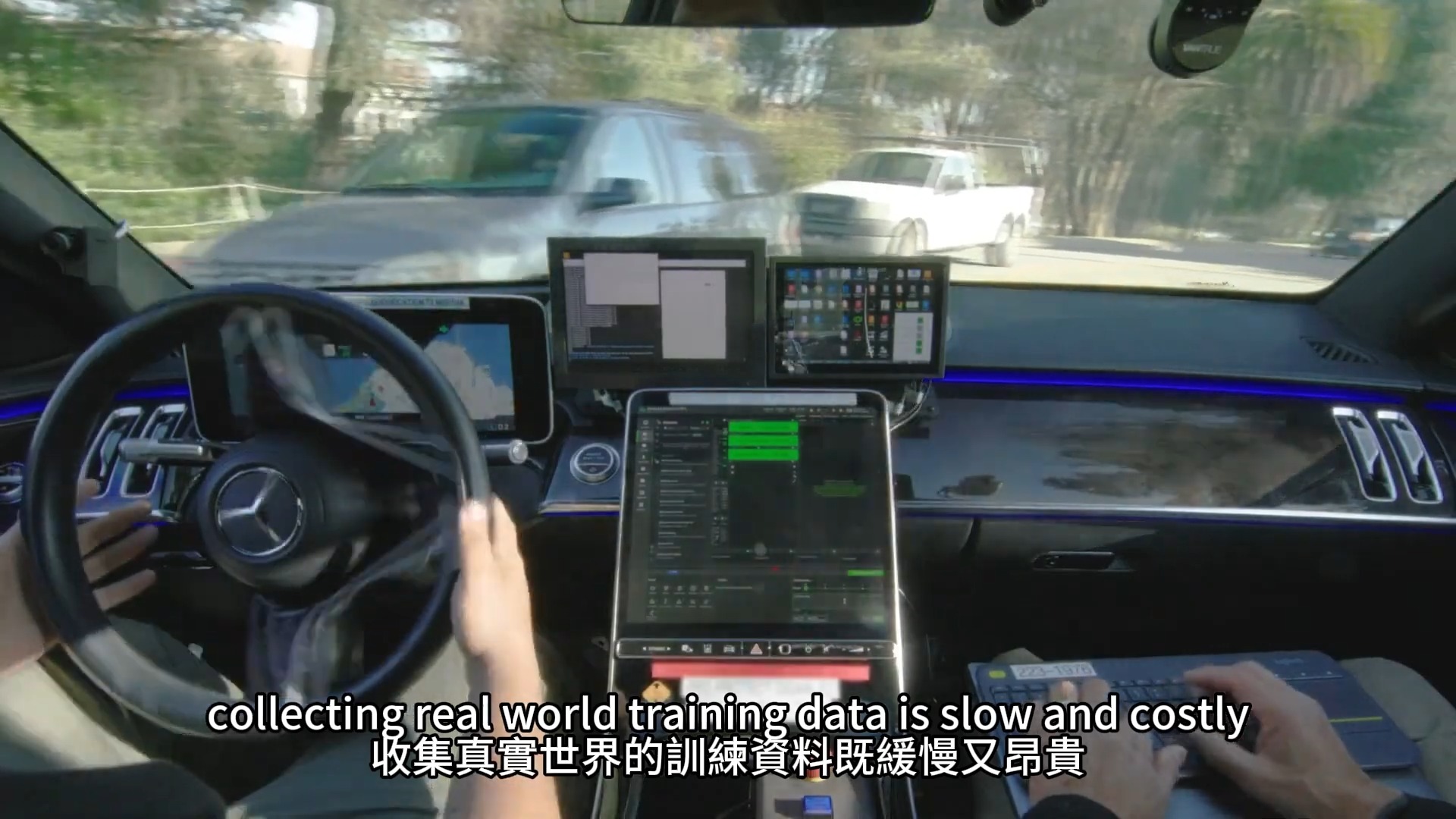
Cosmos’ training data source demonstrates Nvidia’s innovative thinking in AI training methods. Huang Renxun explained: “The answer is synthetic data, and it all starts with Nvidia Cosmos.” This model integrates three major data sources: first, real-world data, including actual road driving records, robot operation videos in real environments and other precious live data; second, high-fidelity 3D simulation data generated through Omniverse, these virtual environments can accurately simulate real-world characteristics such as light, materials, physical collisions; and finally, AI The generated synthetic data can create scenarios that are rare or dangerous in reality. Jen-Hsun Huang particularly emphasized the importance of synthetic data: “We can put 3D simulation scenes into the Cosmos basic model to generate physically based and physically reasonable surround videos.” This diversified training method allows Cosmos to not only learn the surface phenomena of the physical world, but also deeply understand the essential laws behind it.
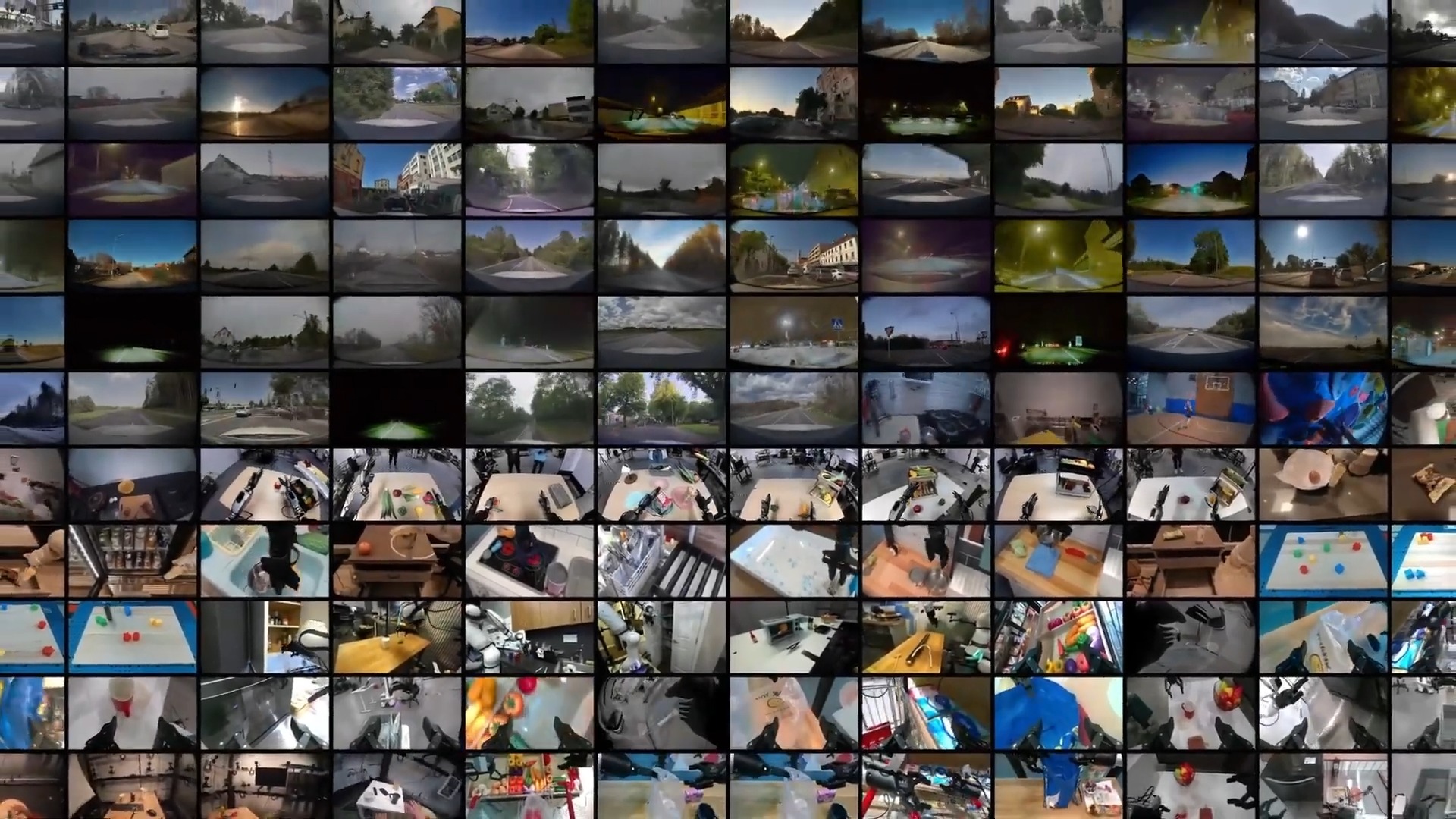
The demo played during the presentation demonstrated the powerful capabilities of Cosmos. In the demonstration of “Generating Video from a Single Image”, the system only needs a static street view photo as input to generate a physically realistic dynamic video.
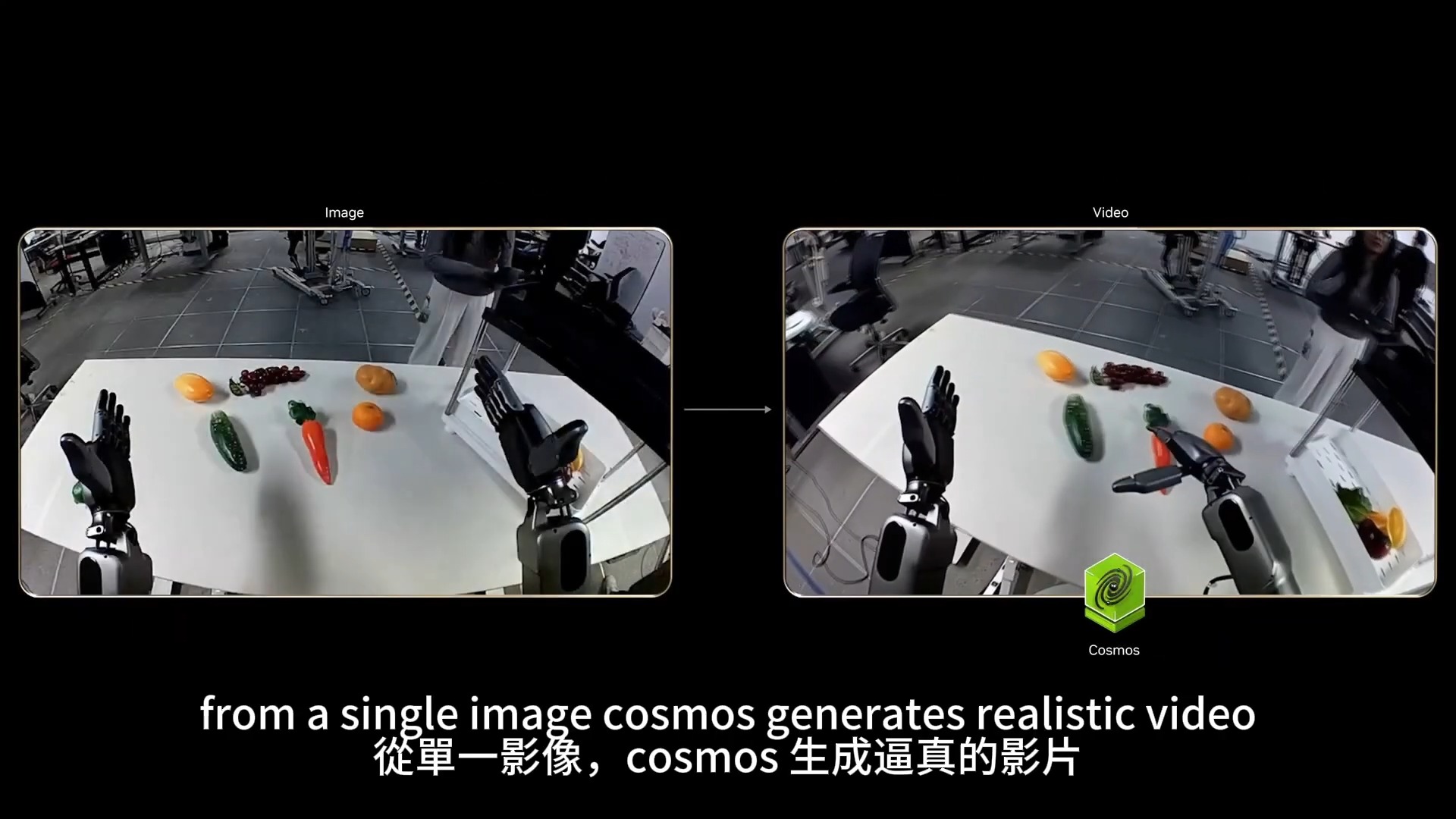
Vehicles move according to reasonable trajectories, pedestrians move naturally, and leaves sway with the wind. All elements comply with physical laws. In the demonstration of “generating motion from 3D scene description”, just enter the text description “a car turns on a rainy day”, and Cosmos can generate a smooth animation that conforms to the laws of physics, including the tilt angle of the vehicle, the friction between the tires and the slippery road, the flow of rain on the windshield, and other details.
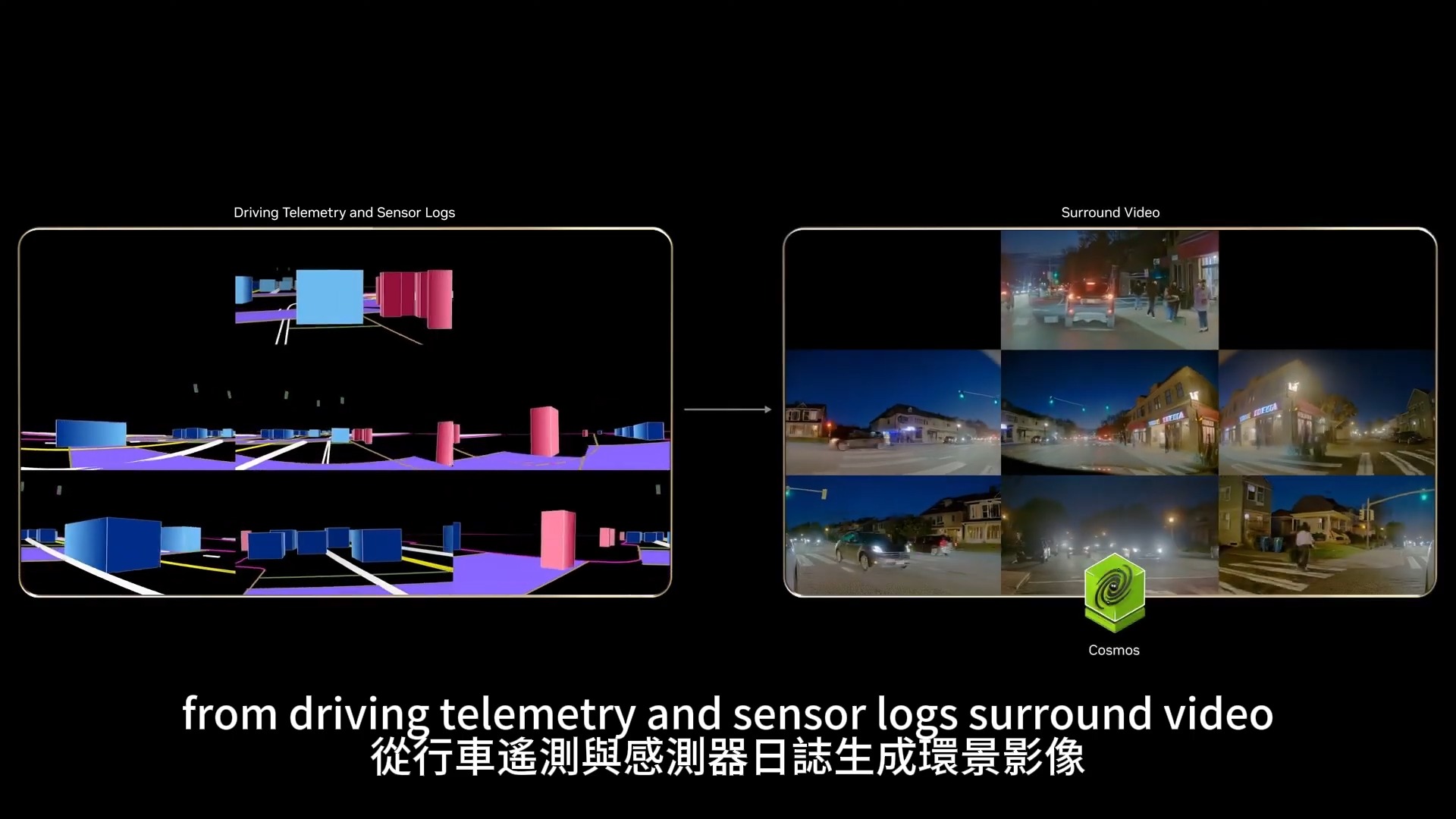
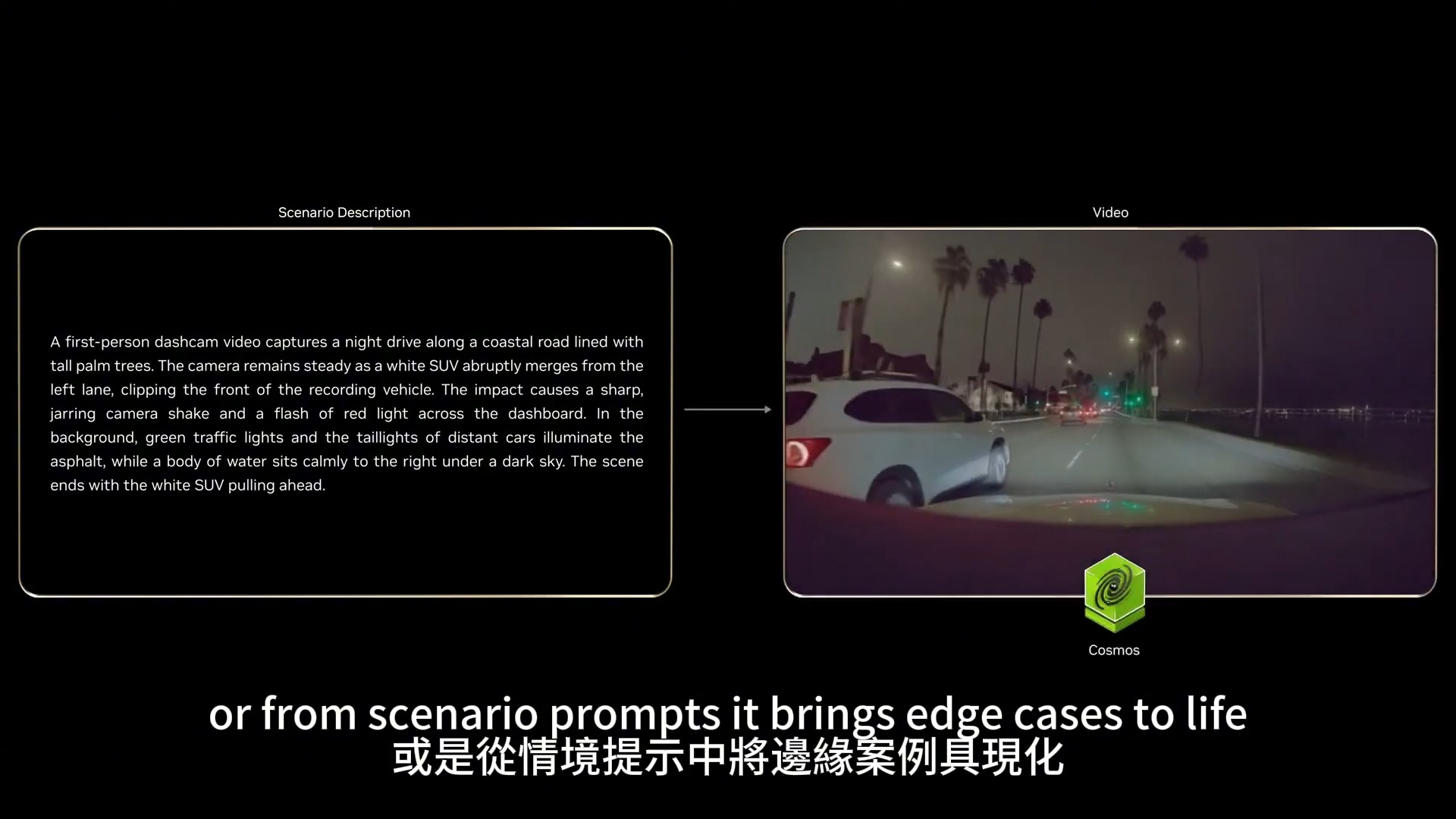
The most impressive thing is the “interactive closed-loop simulation”. After the AI driver makes a decision in the virtual environment, Cosmos can instantly generate feedback from the environment: how other vehicles react, how pedestrians avoid, and how the traffic flow changes, forming a complete interactive loop. Huang Renxun emphasized: “This is not a pre-recorded video, but generated by AI’s instant understanding of physical laws. When an action is taken, Cosmos reasons and analyzes edge situations, breaking down complex situations into familiar physical interactions. This is the power of the world model.”
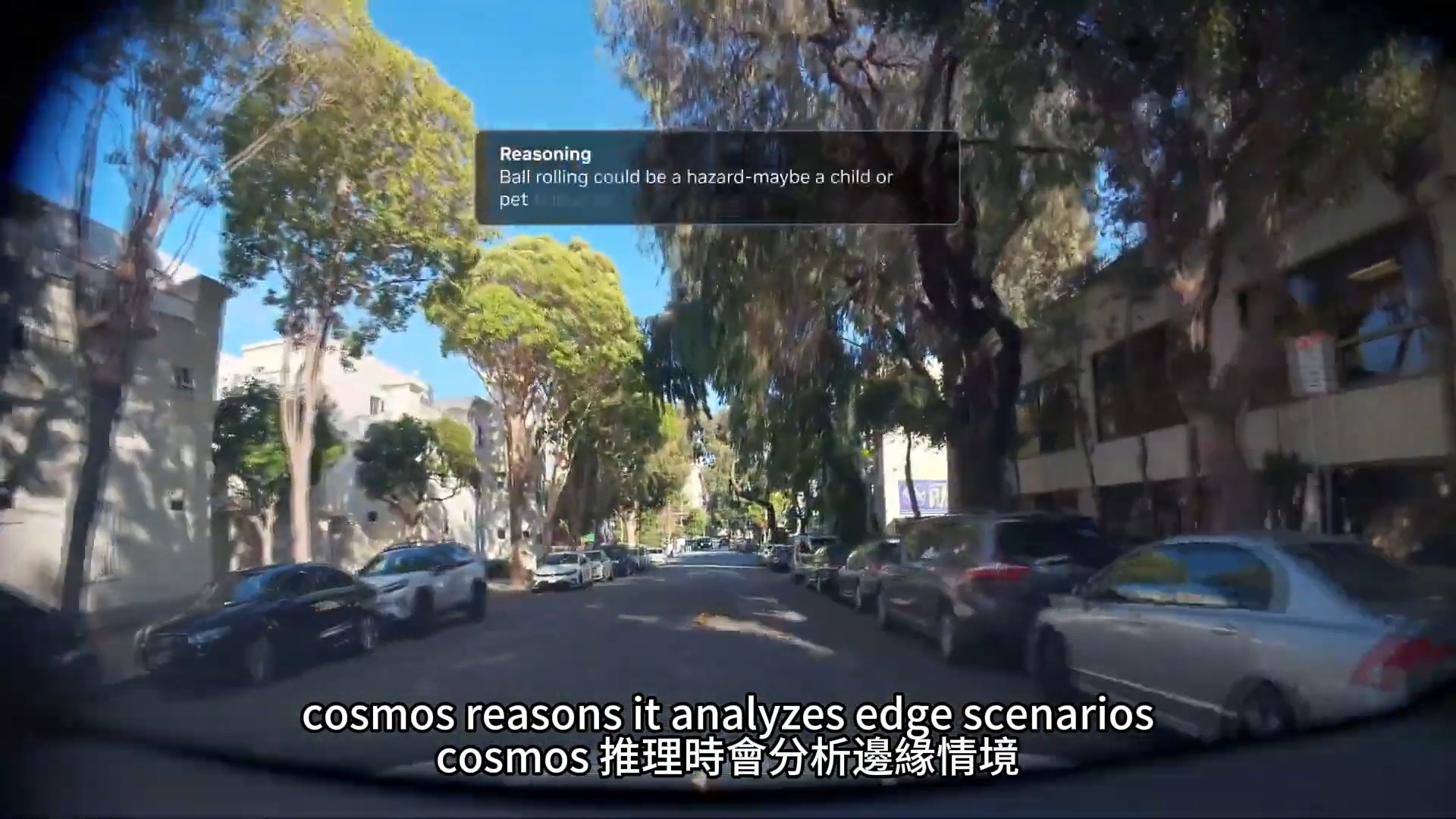
Cosmos is revolutionizing multiple key industries. In the field of autonomous driving, it can generate unlimited training scenarios, including those that are rare but extremely dangerous in reality: such as children suddenly rushing onto the road, vehicles in front suddenly braking, visibility problems in extreme weather, etc. This greatly reduces the cost and risk of actual vehicle testing, while accelerating the iteration of algorithms. In terms of robotics technology, Cosmos allows robots to safely train various skills in a virtual environment, simulating real scenes such as factory production lines, warehousing logistics centers, and hospital operating rooms, to conduct zero-risk reinforcement learning, and avoid equipment damage or safety accidents that may be caused by training in a real environment. For Digital Twin applications, Cosmos can establish an accurate virtual mapping of the entire factory, urban infrastructure, and supply chain network, predict and optimize real-world operations, and conduct “what-if” scenario analysis: for example, “What impact will this production line have on overall production capacity if this production line is shut down?” or “Will increasing the length of traffic lights at this intersection improve overall traffic flow?” The answers can be found in the virtual world before being applied to the real world.
Open source autonomous driving systems: AlphaMayo’s vision
In the field of autonomous driving, Nvidia launched AlphaMayo Open source self-driving system is a major breakthrough in the industry. Huang Renxun emphasized an unprecedented commitment: “We not only open source models, but also open source the data used to train these models. Only in this way can you truly trust how these models are built.” This kind of transparency is extremely rare in the field of commercial technology. It brings complete openness of data and training processes to the entire industry, allowing developers to deeply understand each decision-making logic of the model, continue to innovate on this solid foundation, and significantly reduce the entry barriers to self-driving technology, truly realizing the democratization of technology. This means that not only large technology giants, but also small and medium-sized enterprises, research institutions and even independent developers can participate in the development of autonomous driving technology.
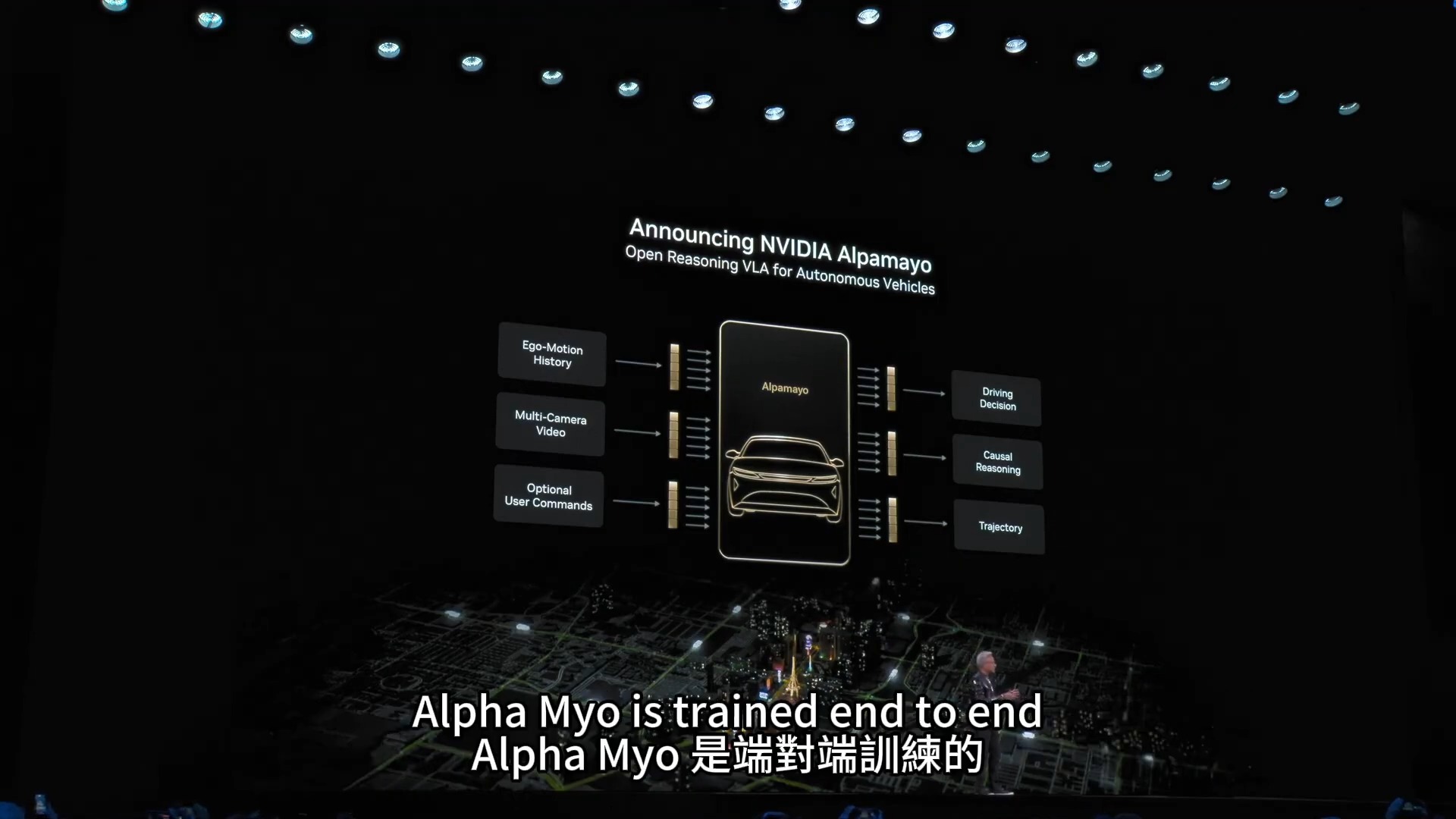
Adopted by AlphaMayo End-to-EndNeural network architecture, this is a revolutionary approach (the same as Tesla’s FSD), directly from the sensor’s raw input (camera images, radar data, lidar point cloud) to driving decisions (steering, acceleration, braking), without the need for artificially designed complex rules or intermediate representation layers. This method brings multiple advantages: it can effectively handle long-tail scenarios, those rare but crucial driving scenarios on real roads, such as sudden pedestrians, abnormal traffic conditions, extreme weather conditions and other situations that are difficult to exhaust with traditional rule systems. At the same time, the system can continue to learn and evolve from new data. Each new driving experience can make the model more mature and can flexibly adapt to differences in geographical environments, road sign systems and traffic rules in different countries, without the need to rewrite rules for each market.
Jensen Huang details how AlphaMayo works with Nemo Libraries In-depth integration to build a complete development ecosystem. Nemo Libraries provide complete lifecycle management from initial data processing and generation, to model training and creation, to evaluation and guardrail setting, and finally to deployment and optimization. Jen-Hsun Huang explained: “We have a complete portfolio of libraries, including Physics Nemo Libraries, Clara Nemo Libraries, Bio Nemo Libraries, each of these libraries is a lifecycle management system that allows you to process data, generate data, train models, create models, evaluate models, set up model guard mechanisms, and deploy models. Each library is extremely complex and all open source. “This comprehensive support allows developers to quickly build their own self-driving solutions on a solid foundation without having to reinvent the wheel, greatly shortening the time cycle from concept to product.
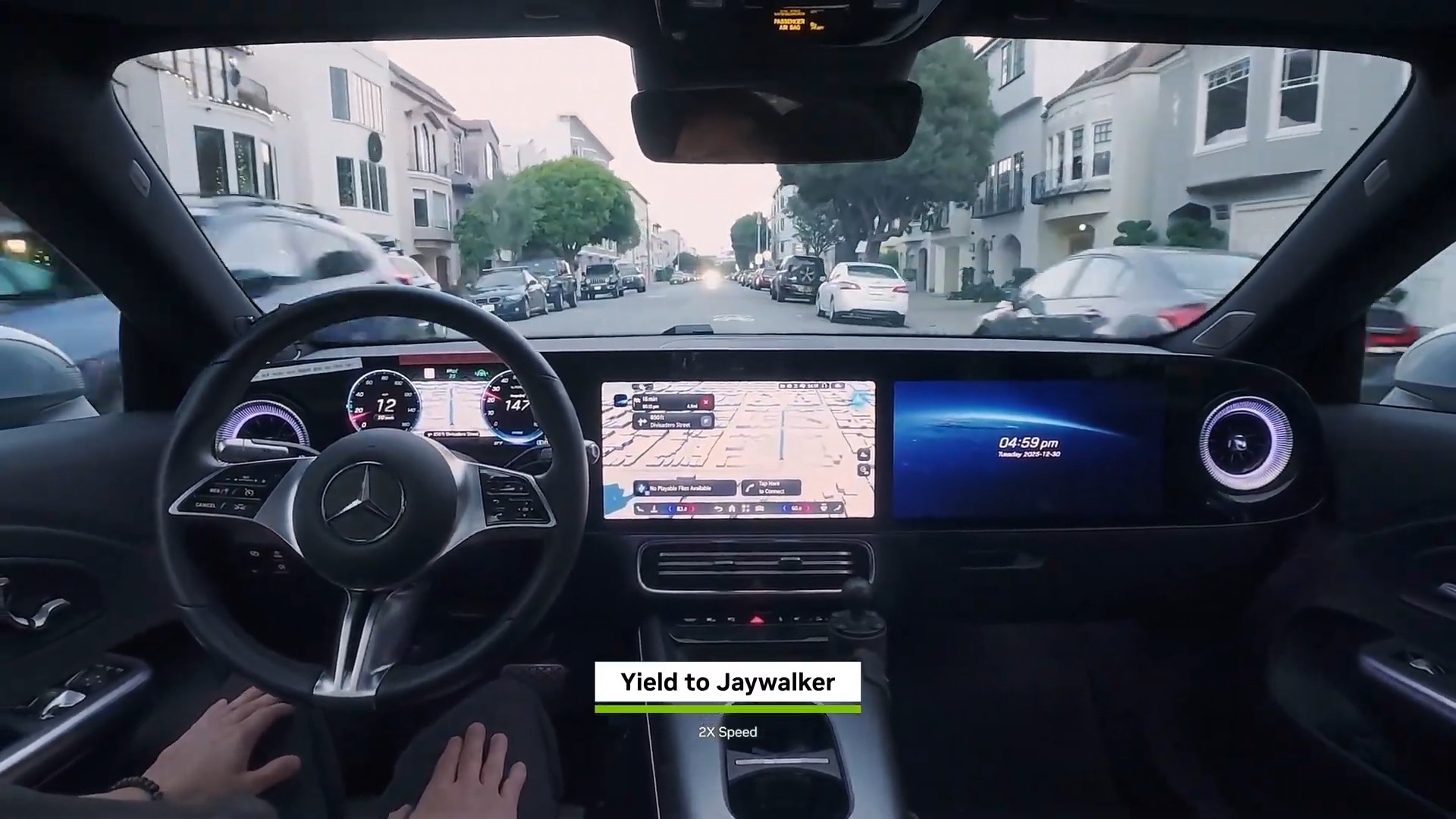
At the same time, Jen-Hsun Huang also announced that Nvidia’s first self-driving car will be mounted on the Mercedes Benz CLA and hit the road in Q1 ( Q1 2026:USA,Q2 2026:Europe,Q3-Q4 2026:Asia).
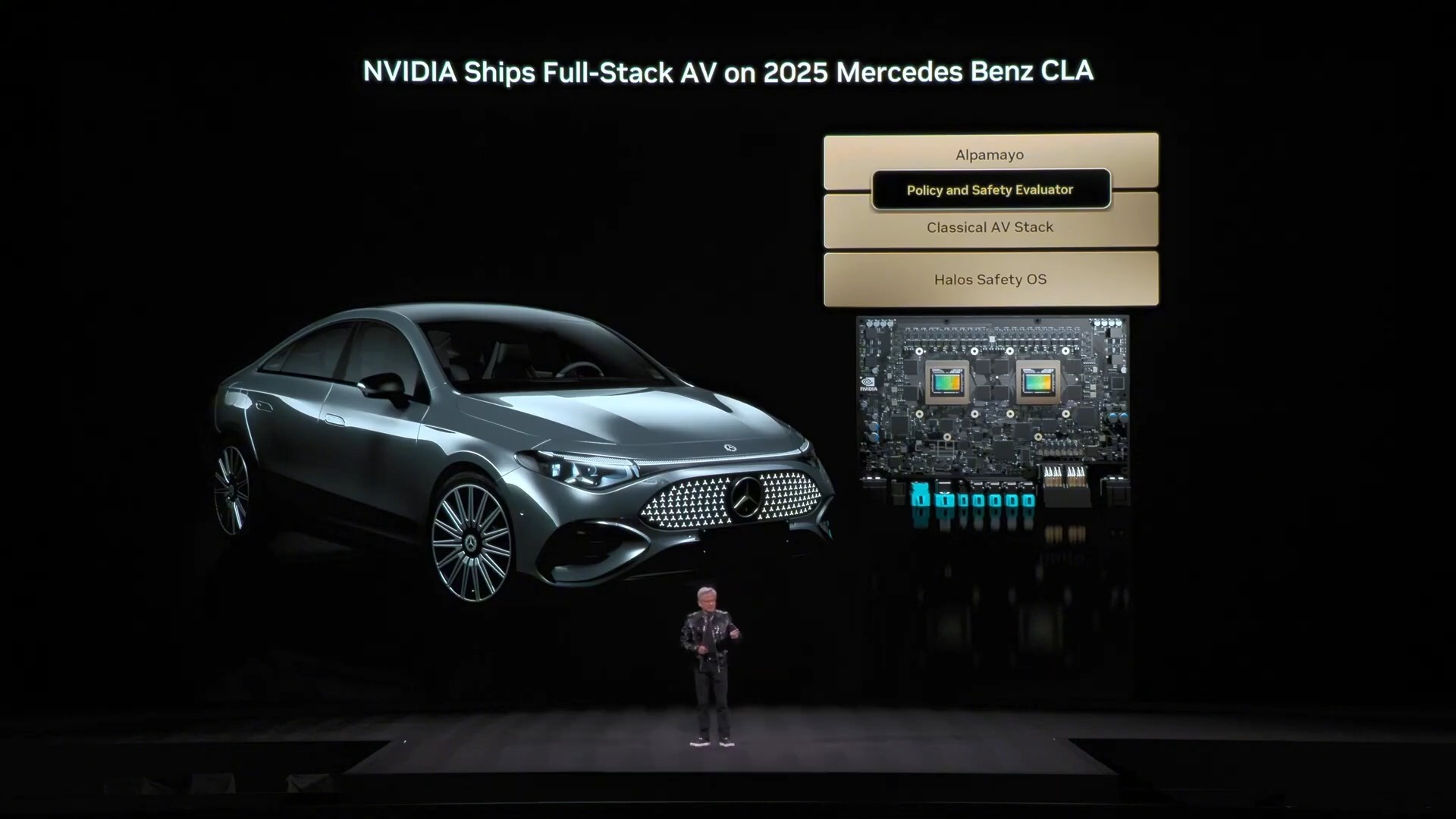
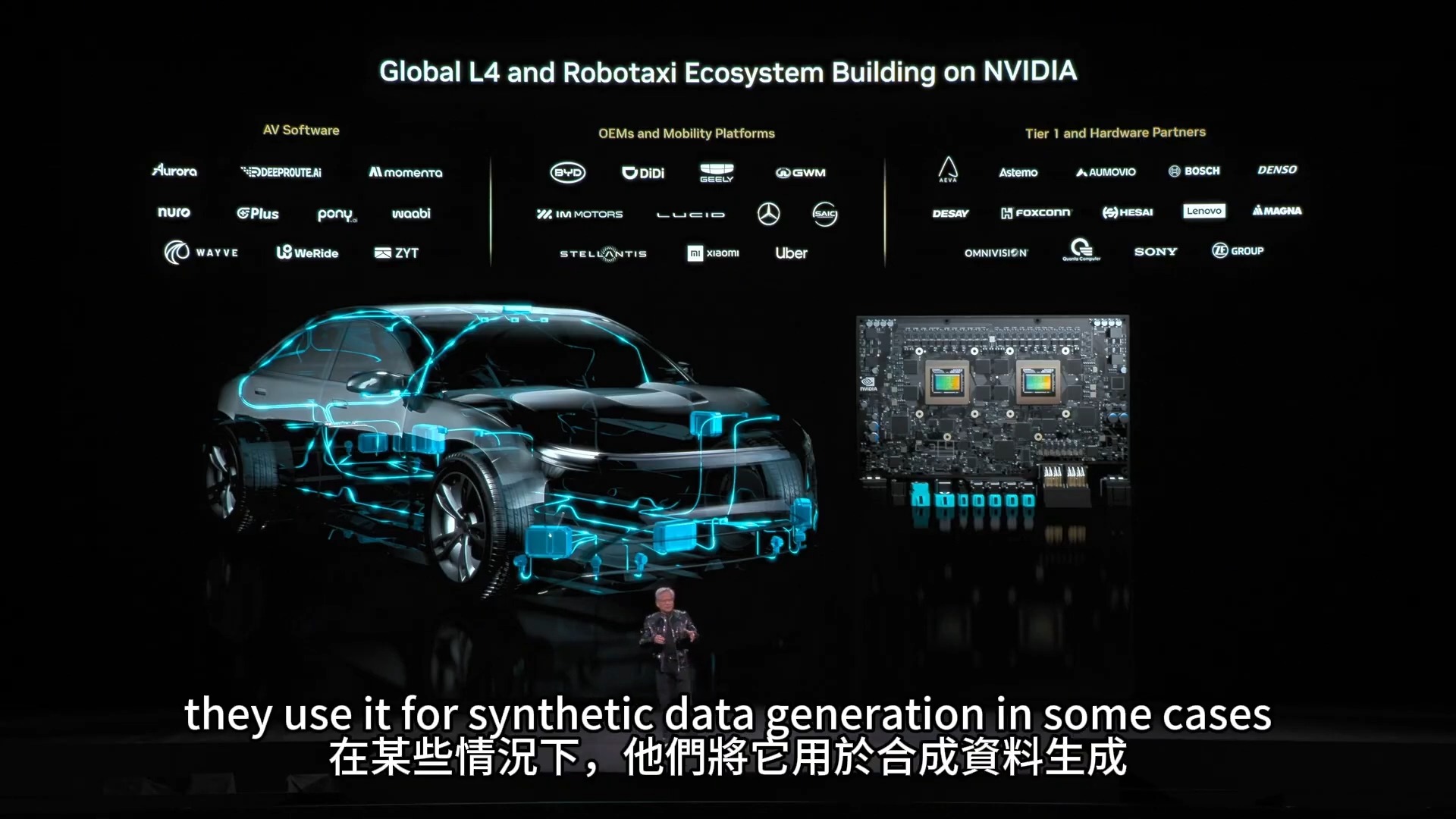
Huang Renxun painted the ultimate picture: “We imagine that one day, one billion vehicles on the road will be self-driving.” He also announced that he will use NVIDIA solutions to cooperate with all manufacturers in the L4 and Robotaxi business, including software vendors, car manufacturers (including BYD, Mercedes-Benz, UBER, LUCID…) and Tier 1 vehicle hardware suppliers. The momentum is quite huge:
The Robot Revolution: Isaac and the Future of Physical AI
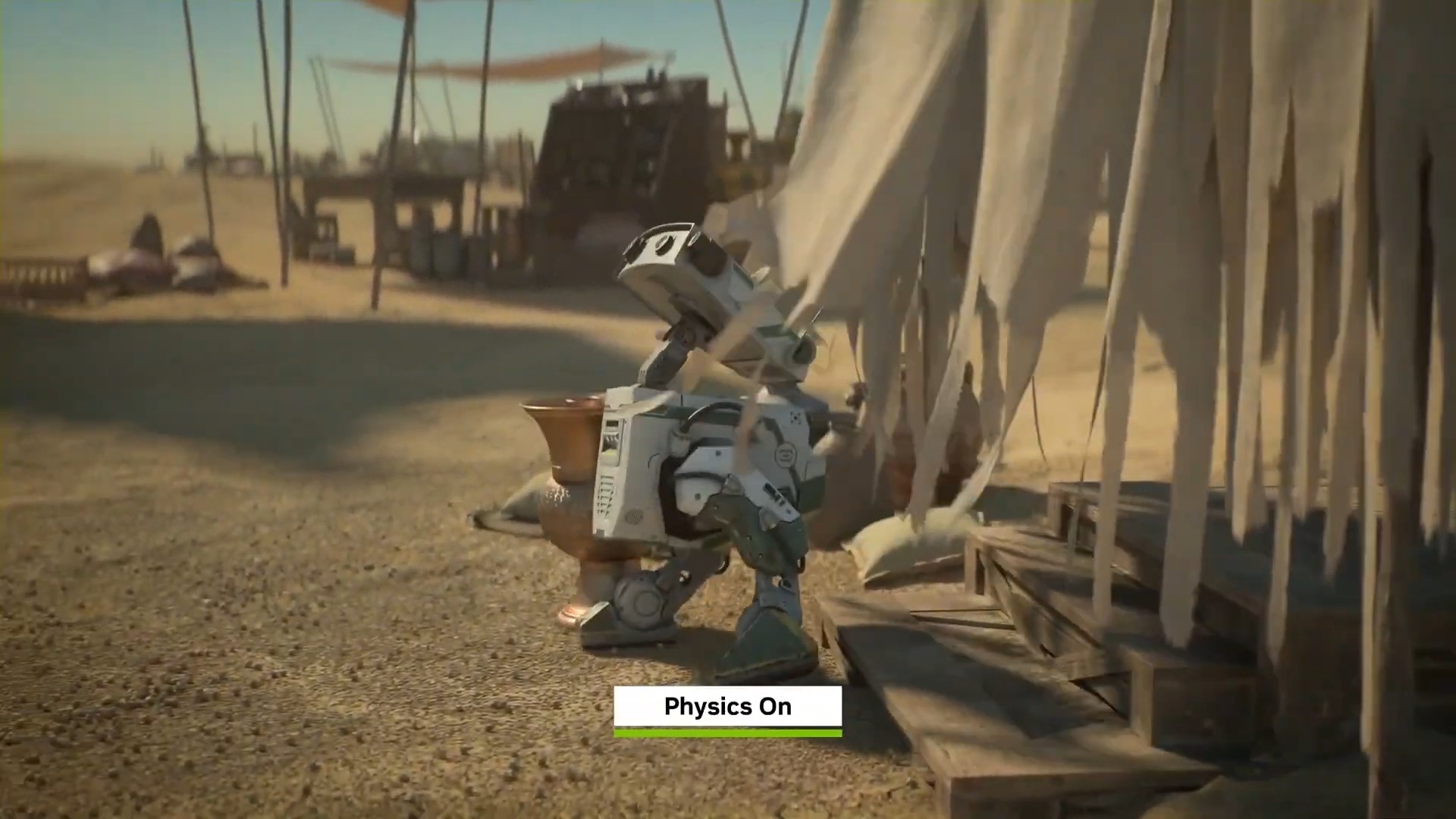
Nvidia’s layout in the field of robotics is also eye-catching. Isaac can simulate real physical scenes and allow robots to be trained in a virtual environment. Test complex tasks such as precise motion simulation and joint control, generating stable balance and gait, and performing delicate hand operations to shorten the training time of related AI.
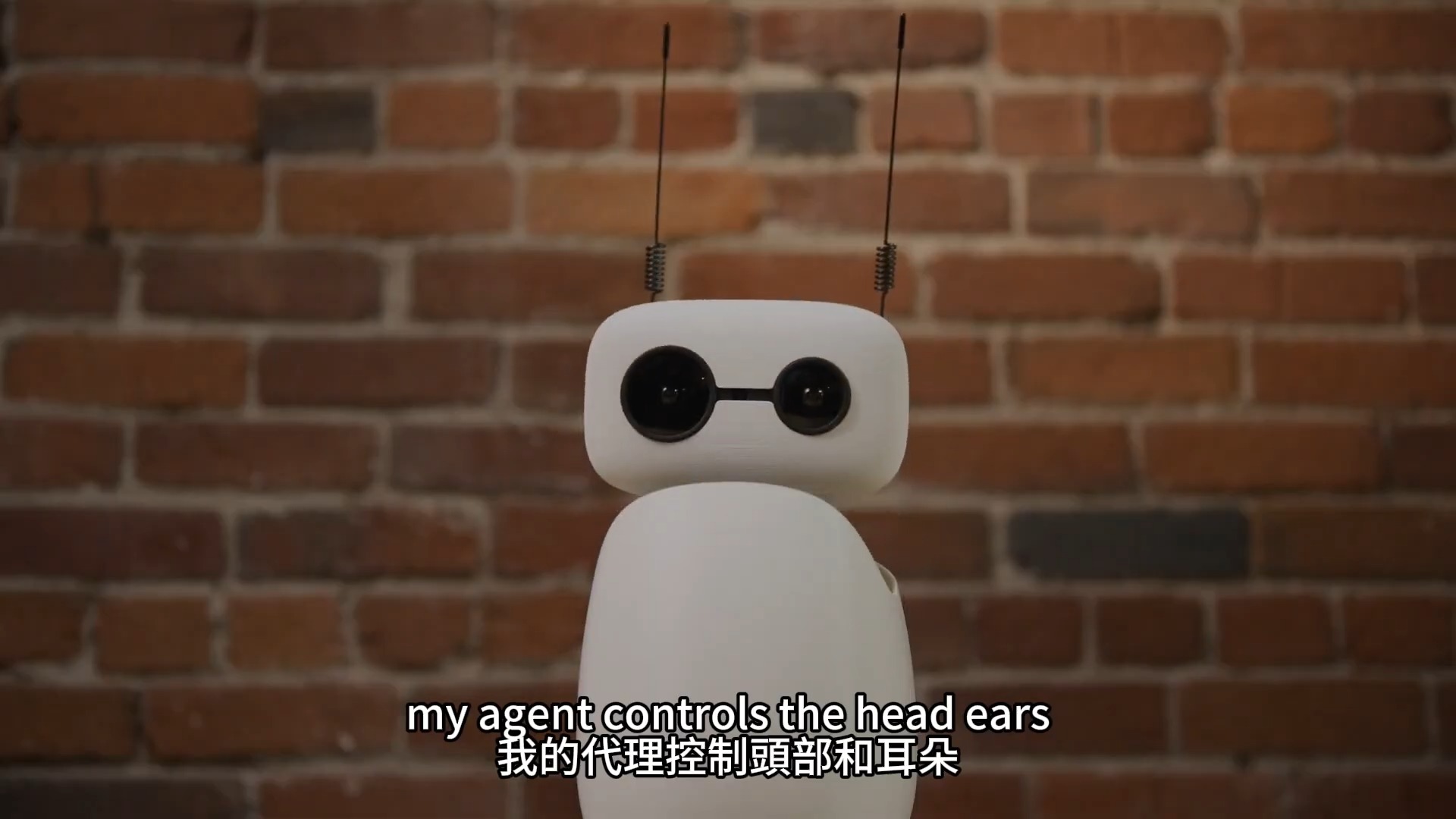
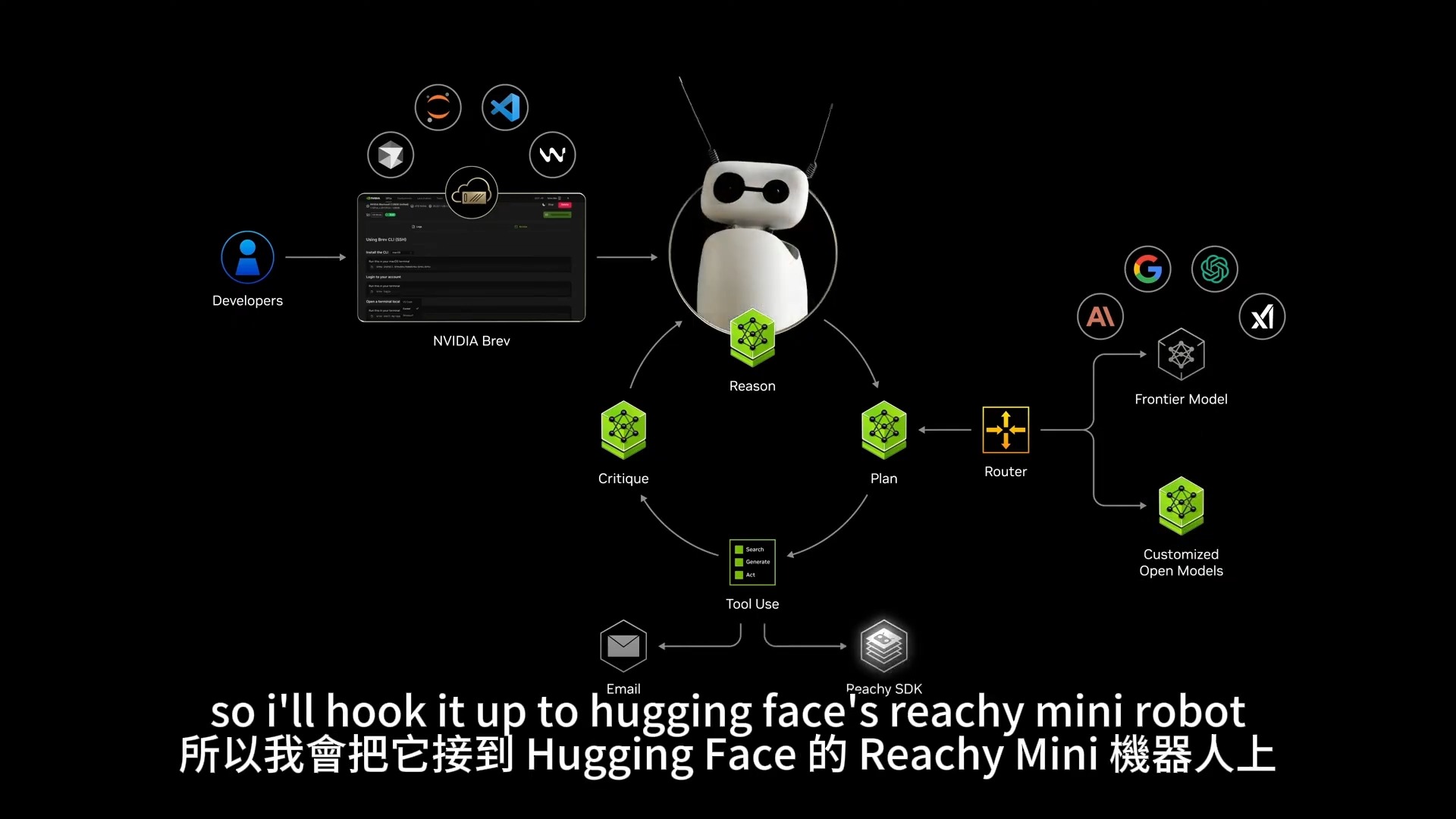
At the speech, Huang Renxun demonstrated the Hugging Face’s Reachy Mini robotWith the integration, the AI agent can instantly control the robot’s head rotation, ear swinging and other actions, and respond smoothly to voice commands. This plug-and-play integration demonstrates the kind of ecosystem Nvidia hopes to build: developers don’t need to delve into every detail of robotics and can simply call GRooT’s API to have robots perform complex tasks.
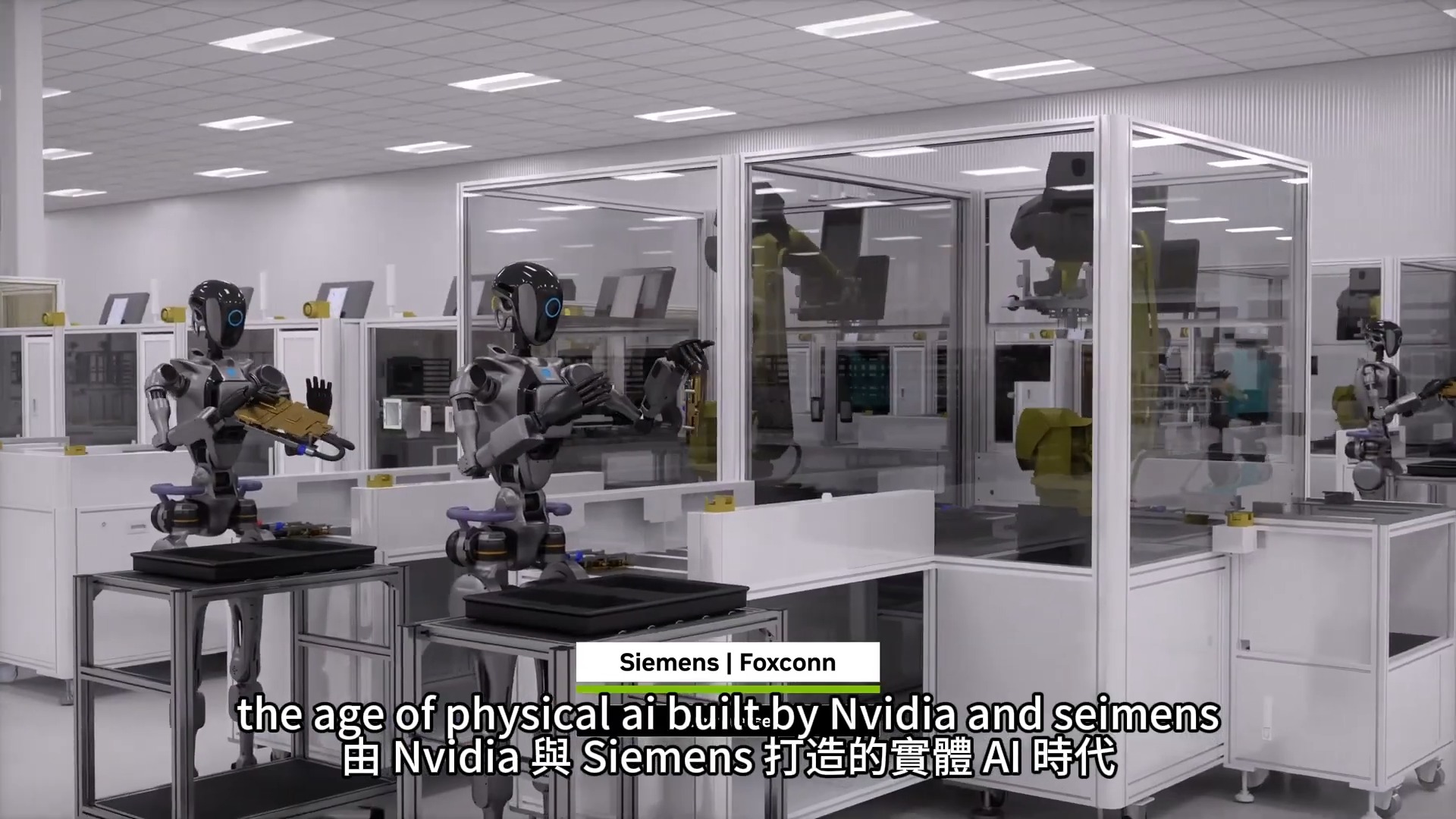
Nvidia Omniverse Playing a vital role in this ecosystem, it is what Huang Renxun calls a “physics-based digital twin simulation platform.” Omniverse provides unprecedented physical accuracy, using precise ray tracing technology to simulate how real light propagates, reflects, and refracts in the scene, and realistic material simulation so that the surface properties of virtual objects are indistinguishable from the real world. More importantly, it supports real-time collaboration. Multiple designers and engineers can work together in the same virtual environment as naturally as in the real world. Huang Renxun emphasized: “Omniverse is our physical-based digital twin simulation, which allows us to perfectly replicate the physical world in the digital world. From production line planning in automobile factories to path optimization for warehouse robots, everything can be tested, adjusted, and improved in the virtual environment first, and then applied to the real world.” This development model of virtual first and then physical has greatly reduced the cost of trial and error, making innovation more economical and safer.
Vera Rubin Platform: A vision for next-generation AI infrastructure
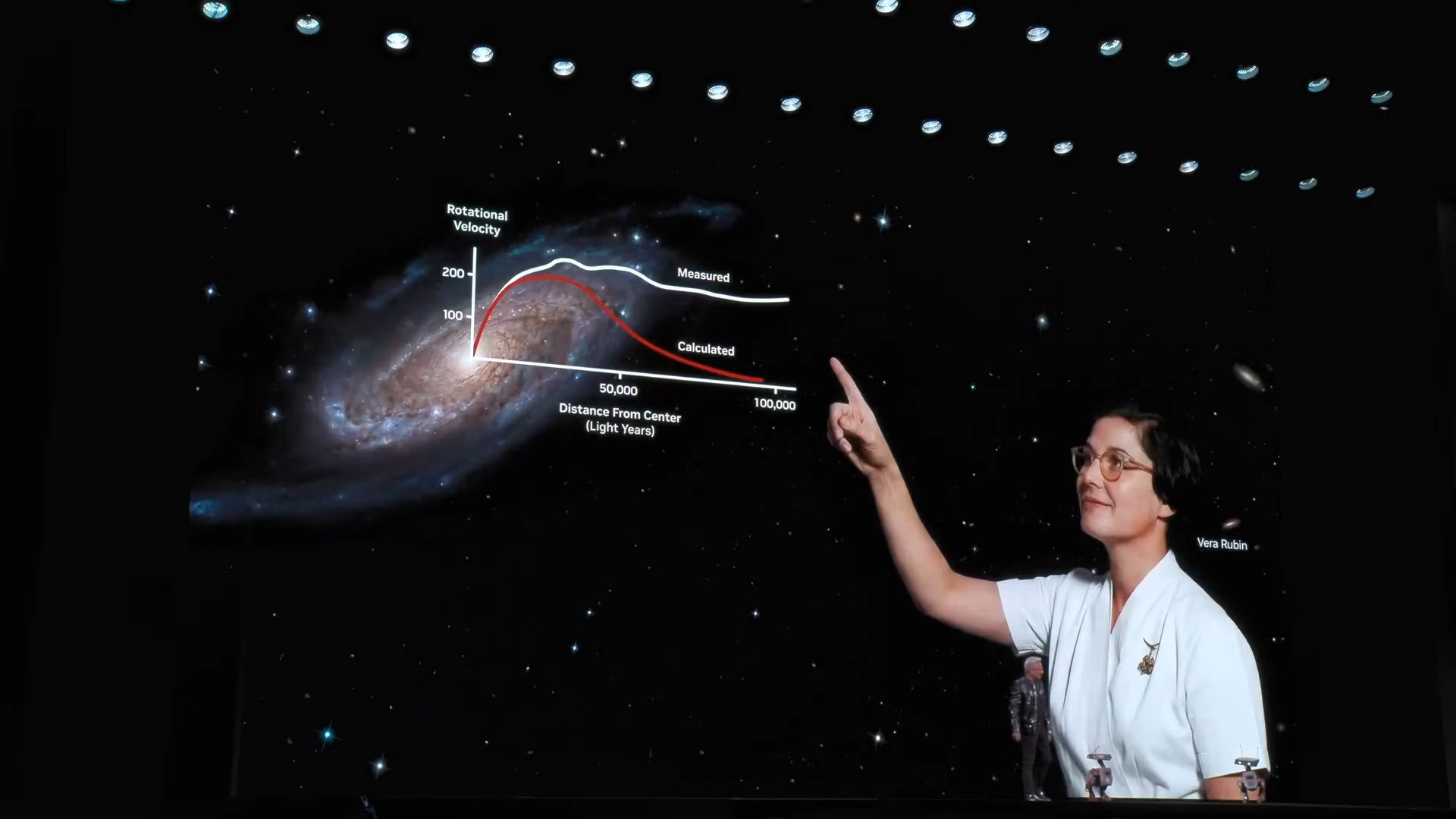
In the second half of the speech, Huang Renxun excitedly announced Vera Rubin Platform:Next-generation architecture named after the prominent astronomer who discovered evidence of dark matter. Vera Rubin’s design philosophy reflects Nvidia’s deep thinking on future AI infrastructure: it adopts a vertically integrated stacking design concept, from the bottom chip design, to the middle-layer system architecture, to the top-layer software framework. Each layer is carefully optimized to achieve the best synergy, eliminating performance bottlenecks in traditional layered architectures.
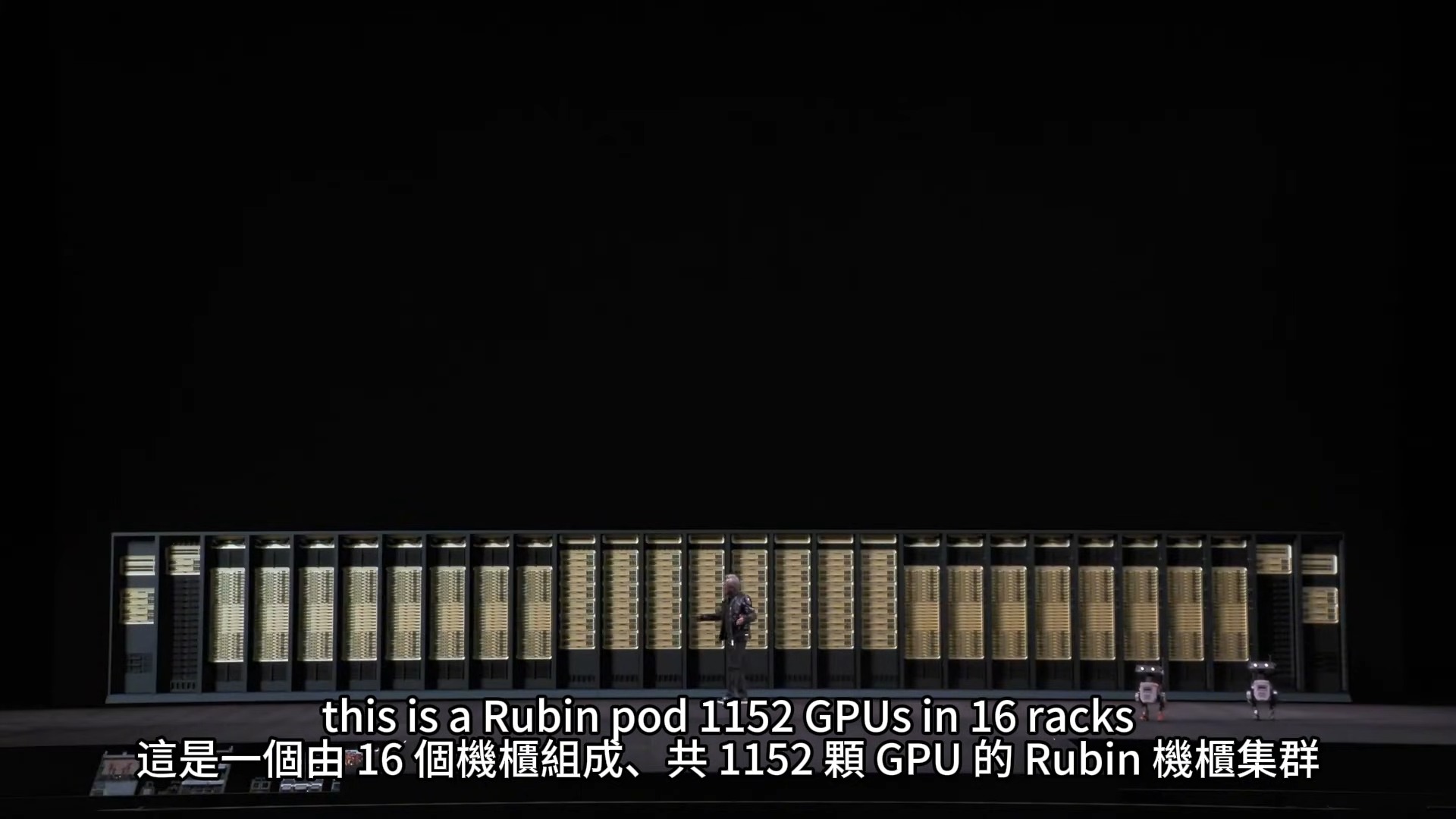
NVIDIA Vera Rubin NVL72 is composed of 16 cabinets, each cabinet has 72 Vera Rubin GPUs, and the total performance of the cabinet cluster is composed of 1152 GPUs. The performance is several times that of the Blackwell platform:
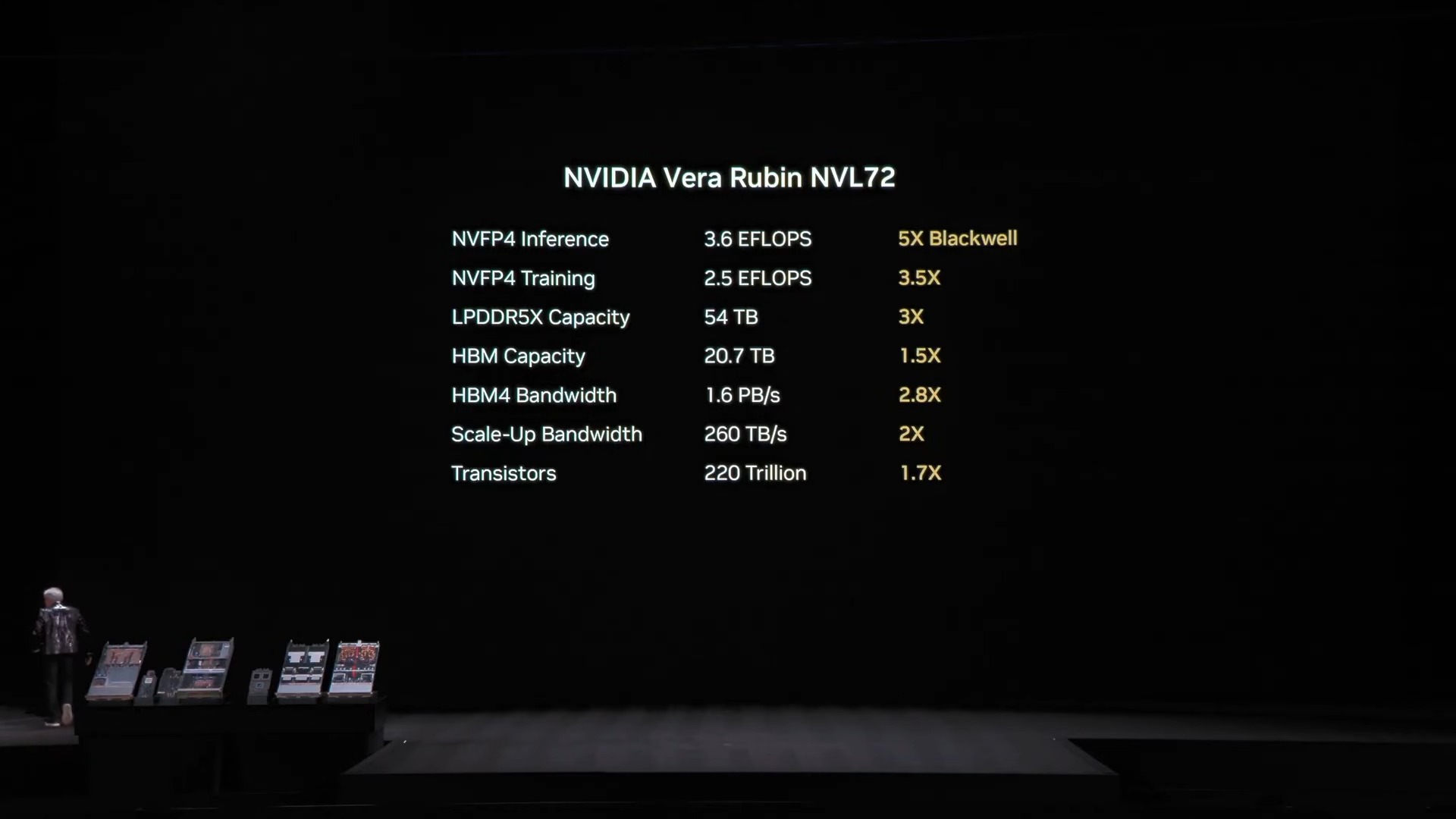
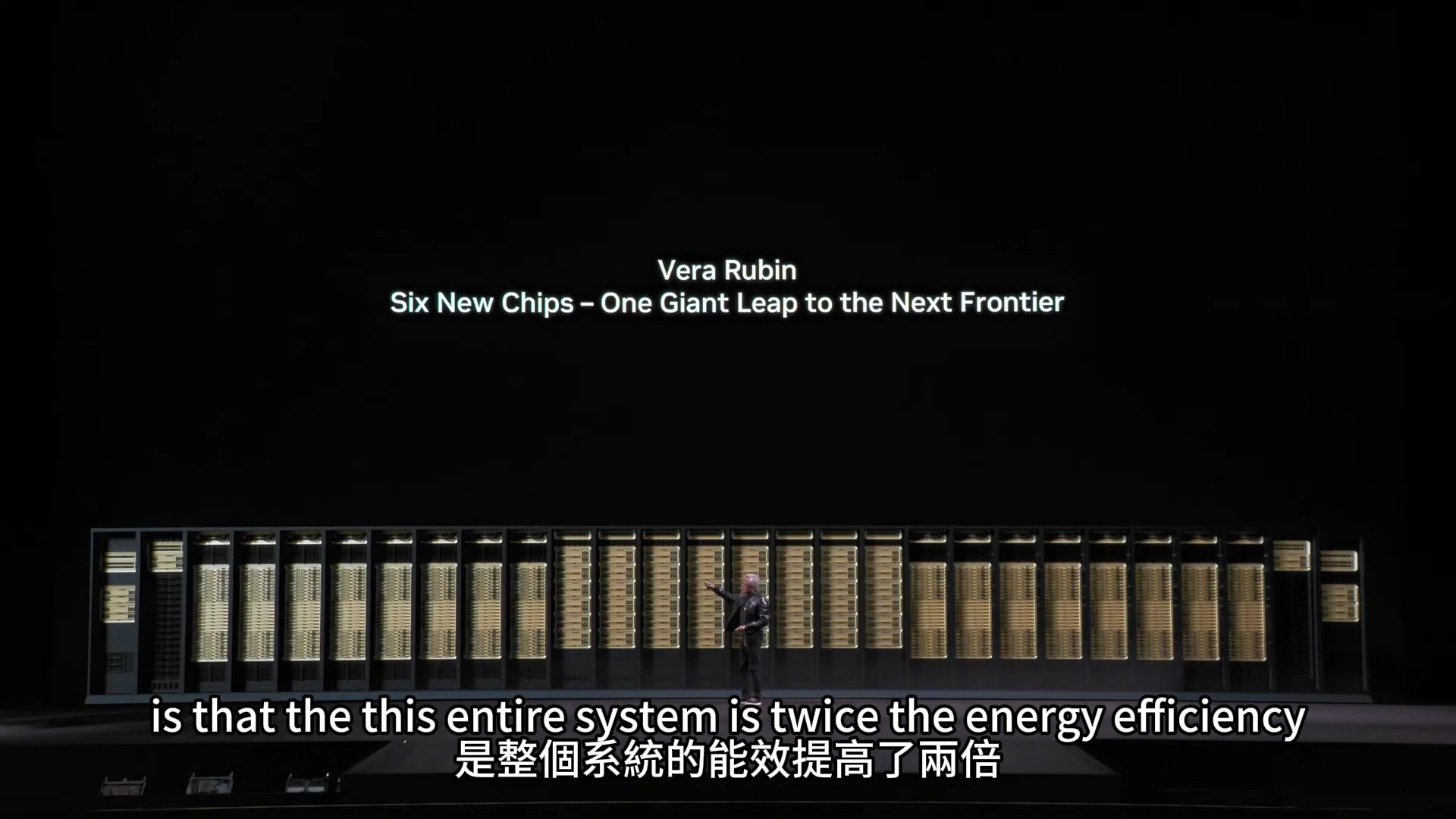
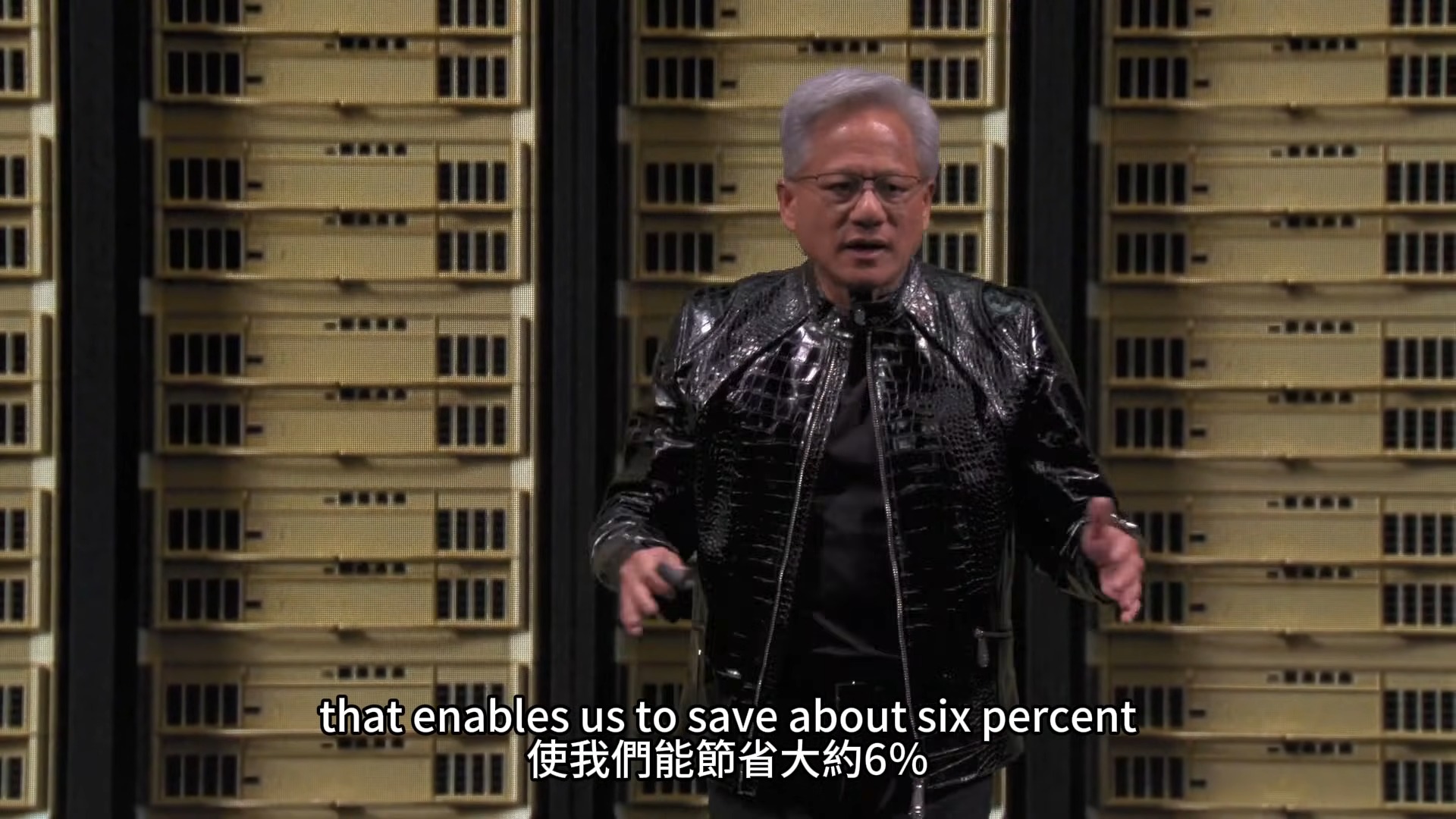
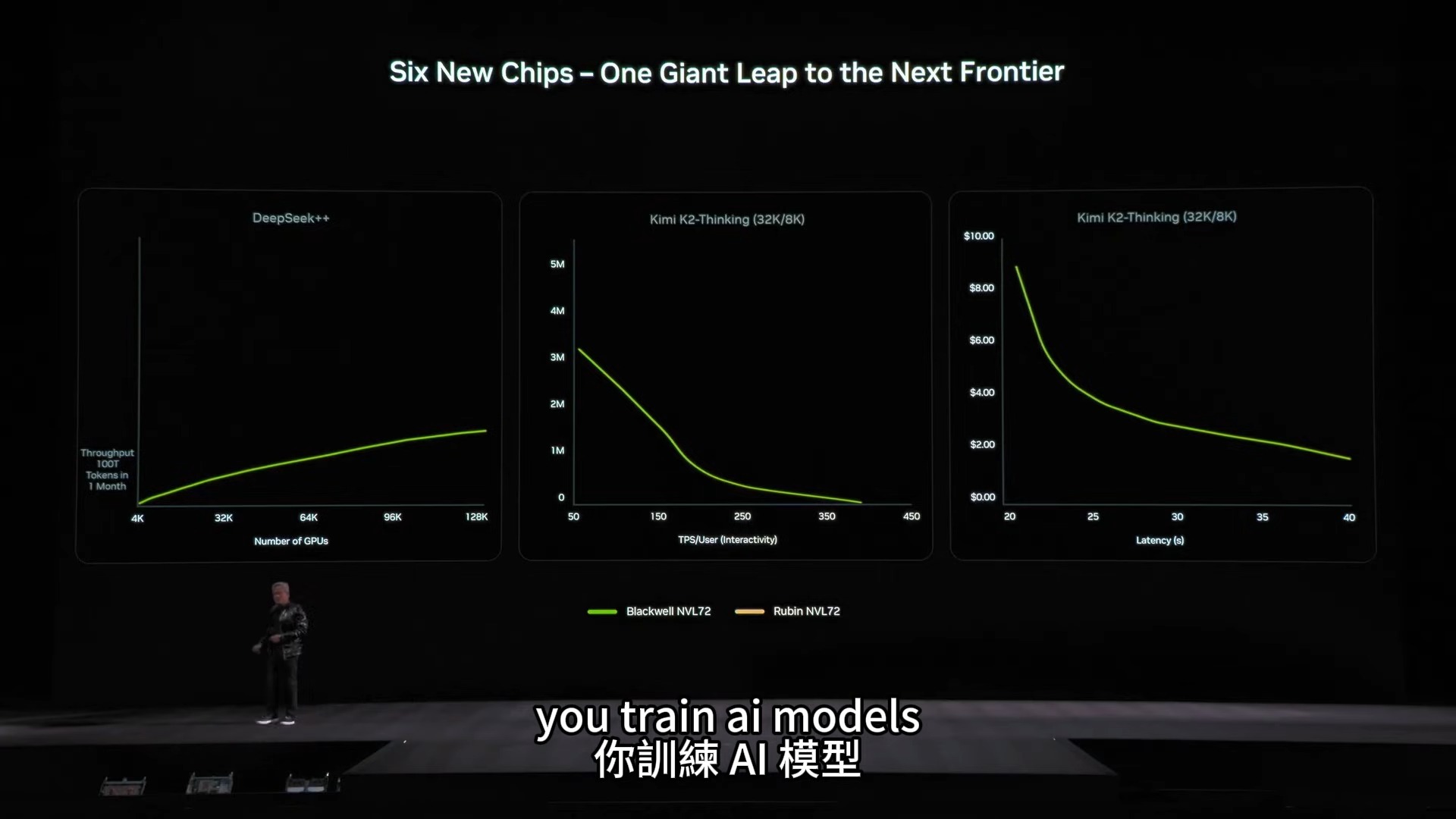
Jen-Hsun Huang particularly emphasized Vera Rubin’s revolutionary breakthrough in energy efficiency: “Efficiency per watt will achieve a huge jump.” Today, when AI computing demands are increasing exponentially, energy efficiency is not only related to operating costs, but also to the sustainable development of the industry. Vera Rubin’s scalable design supports tens of millions of GPU-scale training tasks, which is critical for training the next generation of ultra-large-scale AI models.
Conclusion: The moment in history that will reshape a $10 trillion industry
Jen-Hsun Huang’s CES 2026 speech is not only a demonstration of technology, but also a declaration of the future. From the reasoning and planning capabilities demonstrated by the practical application of AI agents, to the deep understanding of physical laws of the Cosmos world model, from the technical barriers broken by the AlphaMayo open source self-driving system, to the grand blueprint outlined by the Vera Rubin platform, every link points to the same core message: We are in the most profound period of transformation in the computing industry, and Nvidia is leading this revolution with an open attitude.
Concepts such as “vertical integration,” “multi-model and multi-modality,” and “open source ecosystem” that Huang Renxun emphasized repeatedly in his speech constitute a complete industrial vision. This is not a one-man show for one company, but a feast that invites the whole world to participate. As he said: “This entire industry is about to be reshaped, and our contribution is unparalleled.” This confidence does not come from monopolizing technology, but from the strategic choice of opening up and empowering the entire ecosystem.
The ultimate message of this speech is: the AI revolution is not a zero-sum game, but an incremental market that benefits everyone. When Nvidia chooses to open source the models it has invested billions of dollars in developing, and when it shares cutting-edge technologies such as Cosmos, GRooT, AlphaMayo, etc. to the world for free, it is actually sowing the seeds of a forest. When this forest grows up, it will become an ecosystem that nourishes the entire industry, and Nvidia, as a provider of soil and sunshine, will also benefit from this prosperous ecology because of the CUDA ecology. This strategic wisdom of “altruistically benefiting oneself” may be the real reason why Jen-Hsun Huang and Nvidia can continue to lead the industry.
Source: KOCPC Chinese