


Taking a bus on the streets of Tokyo, in the future you may not only hear the radio, but also “seetranslate”. As foreign tourists continue to return, coupled with the shortage and aging of bus driving manpower, Tokyo has begun to try to use technology to fill positions. On a Toei bus traveling around Asakusa, a combination AI A new device with real-time translation and transparent display has quietly appeared.
This seemingly low-key transparent screen may change the way of communication between drivers and passengers, and also allow the hearing-impaired or unfamiliar withJapanesePassengers have an extra layer of peace of mind. This actual test is not just for sightseeing, but more like a preview of what urban transportation will look like in the future.
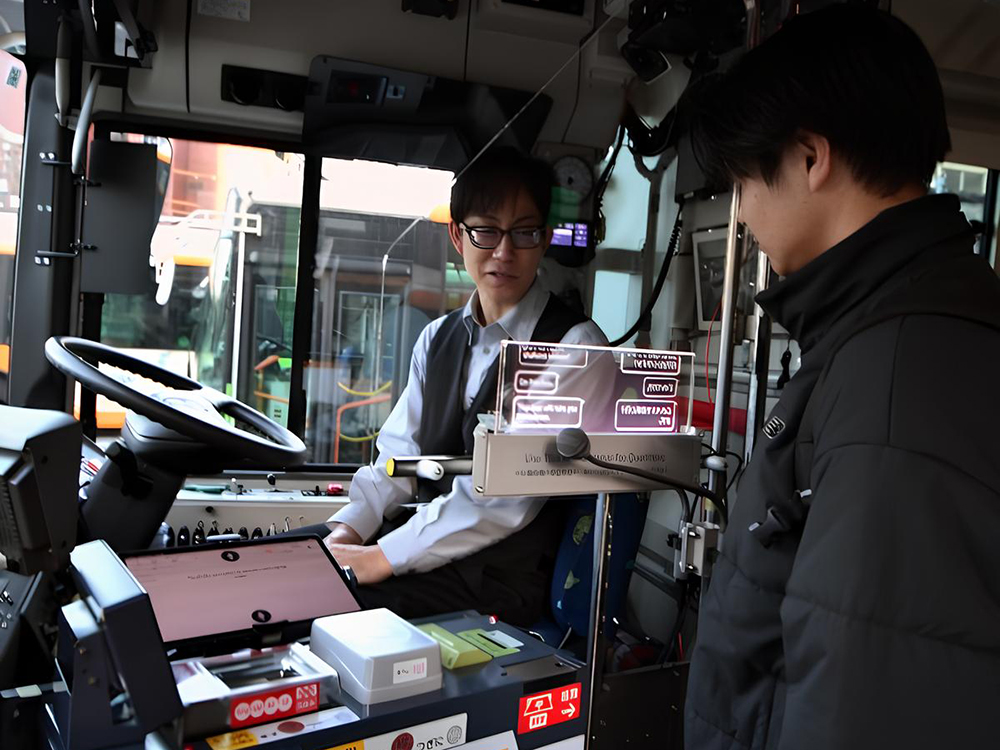
Does Tokyo bus also have real-time translation? AI transparent display screen tested on the streets of Asakusa, language is no longer a barrier
Tokyo’s public transportation is facing a very real problem in recent years. The manpower shortage for bus drivers continues, but the workload has not been reduced. At the same time, they have to face more and more passengers from all over the world. Languages are different and communication is difficult. Drivers often have to think of ways to explain while driving, which puts pressure on safety and efficiency.
Against this background, the Tokyo Metropolitan Bureau of Transportation chose to start with the matter of “communication.” Following the preliminary test in Shibuya last year, this time the venue was moved to Asakusa, where the density of tourists is higher, and the second phase of demonstration of the AI translation transparent display screen was officially launched.
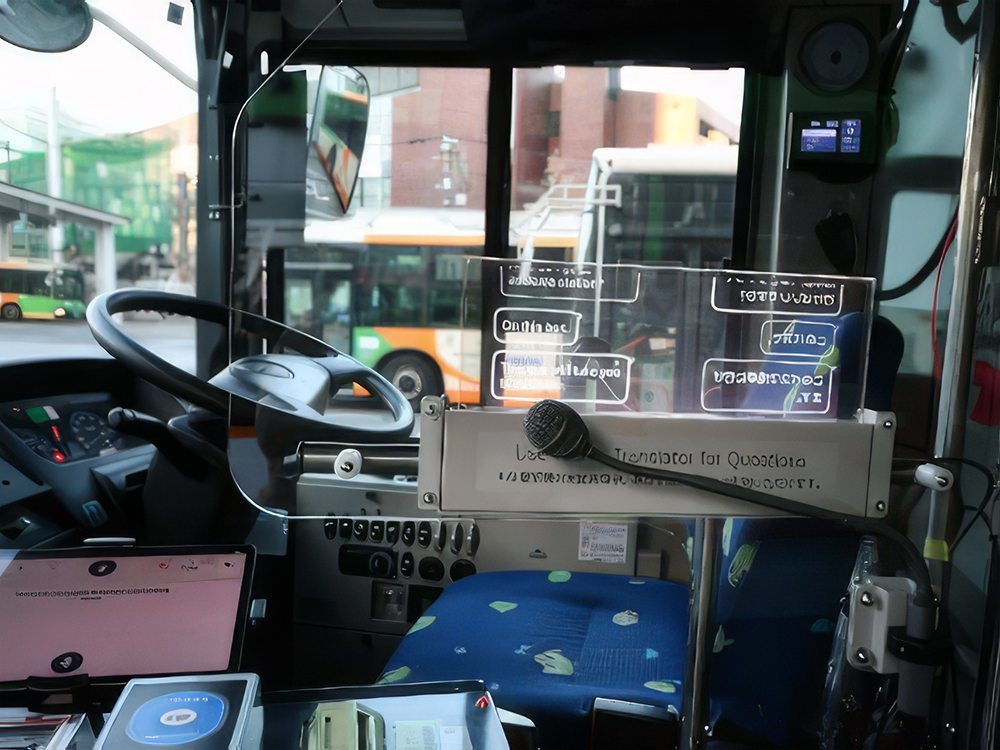
This system is installed around the driver’s seat of the bus, and its biggest feature is its “transparency”. There is no need for a physical screen to separate the driver and passengers, the text will be displayed directly on the transparent panel, as if floating in the air. When the driver speaks, the system will perform voice recognition and translation in real time, converting the content into multi-language text so that passengers can read it directly.
For foreign travelers, such a design is much more intuitive than traditional broadcasts or stickers. There is no need to download an app or operate the machine. As long as you can see the screen, you can understand the driver’s instructions, such as the drop-off location, route changes or temporary situation instructions.
But the target group of this device is actually not just tourists. The Tokyo Metropolitan Government also specifically mentioned that this technology is also important for people with hearing or speech impairments. In the past, most information on buses relied on voice announcements, which was not friendly to some passengers. Through real-time text display, it can make up for the shortcomings of the existing system and make the ride environment closer to true barrier-free.
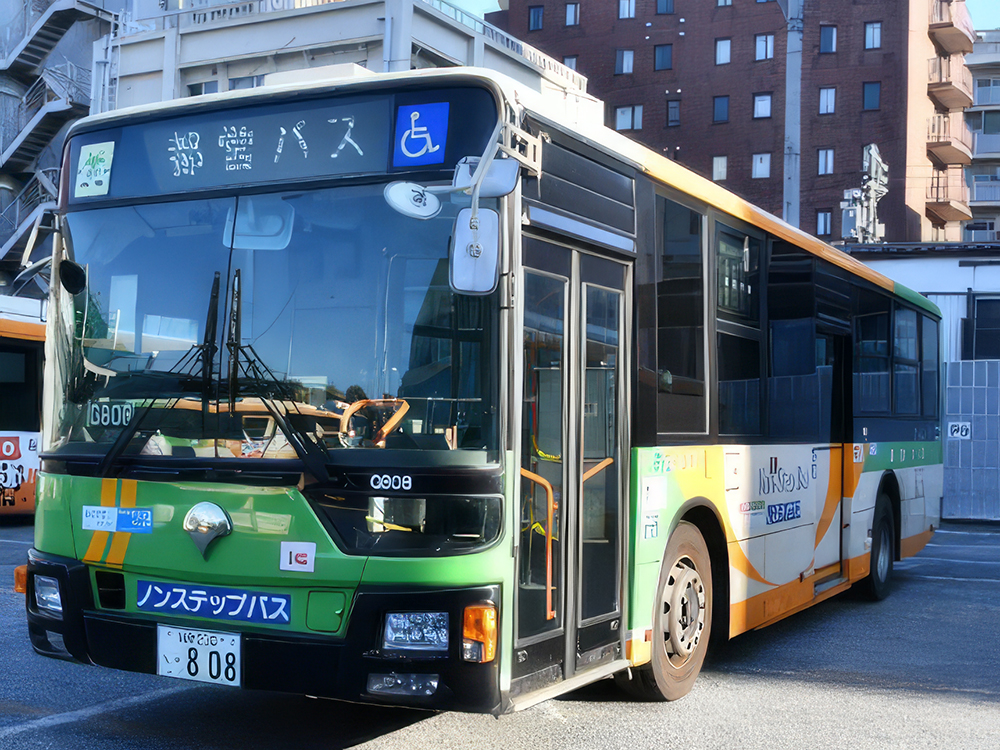
During this actual test, the device will operate on several important routes passing through Asakusa, including long-distance trunk lines connecting urban areas and tourist areas.
The actual operation period of this AI translation transparent display screen is scheduled from January 15 to January 29, 2026, which lasts for about 2 weeks. The actual measured routes selected the Toei bus system, which has a relatively diverse passenger composition and covers both commuting and sightseeing needs, including “Toei Line 02”, which runs between Otsuka Station and Kinshicho Station; and two important routes that pass through the Asakusa area, “Kusa 63 Line” and “Kusa 64 Line”, connecting the east exit of Ikebukuro Station to Asakusa Hisamachi, and the east exit of Ikebukuro Station to Asakusa Kaminarimon South.
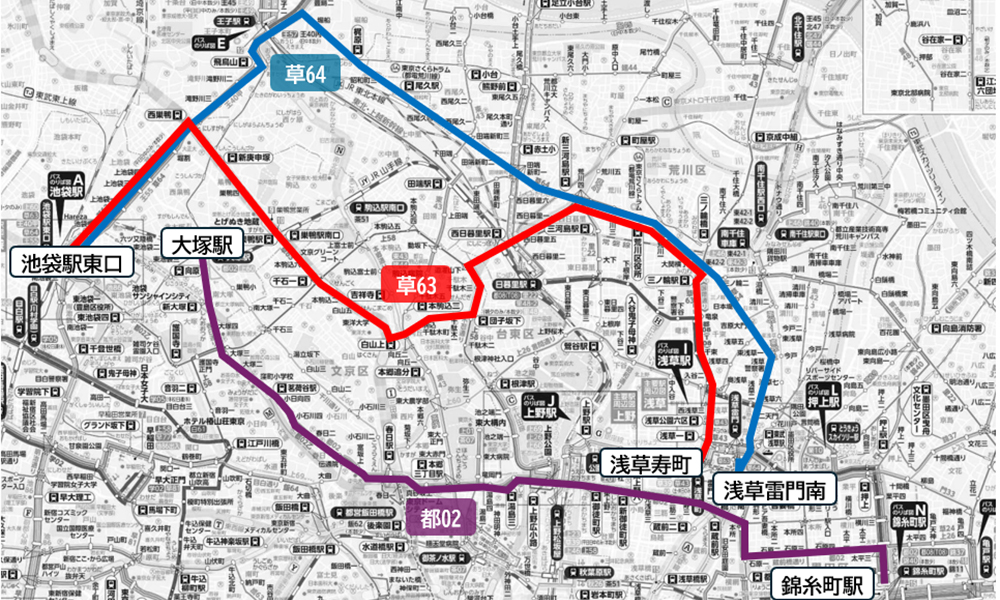
Through the actual operation of these routes, the Tokyo Metropolitan Government hopes to collect feedback from different passenger groups in real riding situations to further examine the practicability and stability of the system in tourist hotspots and urban arterial lines.
It is worth noting that this type of system is not intended to replace the driver’s judgment, but to help them focus more on driving itself. When communication becomes more intuitive, drivers do not have to explain the same problem over and over again, and the risk of misunderstandings can be reduced, which is a plus for driving safety.
This AI translation transparent display screen is provided by TOPPAN. asJapanTOPPAN, a large technology and printing integration company, has been actively investing in display technology and AI applications in recent years. This actual bus test is also regarded as a part of future smart city applications.
From an urban management perspective, such an attempt is actually very pragmatic. Rather than expecting to replenish manpower in the short term, it is better to use technology to improve the working environment, reduce the burden of existing driving, and simultaneously improve passenger experience.
Conclusion
This time Tokyo introduced an AI translation transparent display screen on Asakusa buses. It seems like just an additional screen, but behind it it reflects the city’s imagination of future transportation. As the demographic structure changes and tourism patterns change, if public transportation remains limited to a single language and traditional communication methods, it will soon be unable to keep up with demand.
This actual test not only tests the maturity of technology, but also observes whether the interaction between people and technology is natural and whether it really solves problems. If the results are satisfactory, it is not ruled out that it will be expanded to more routes in the future and may even become a model for other cities to refer to. For people who take the bus every day, perhaps the biggest change is not the technology itself, but the sense of security of being “understood.”
Source:Tokyo Metropolitan Bureau of Transportation
Further reading:
Source: KOCPC Chinese