


For many creators, editing, retouching, making presentations, and processing data are no longer separate work processes, but are daily routines that occur repeatedly every day. When there are more and more tools, management and upgrades become additional burdens. It is against this background that Apple launched Apple Creator Studio, integrating professional creative applications and advanced functions that were scattered everywhere in the past into a subscription plan, trying to allow creators to return their attention to the content itself.
This is not just a simple bundle of several well-known applications, but extends from movies, music, image editing, to daily tools such as Pages, Numbers, Keynote, etc., adding more AI and advanced content. For those who are accustomed to Mac and iPad For users who switch between jobs, this kind of integration is quietly changing the entire creative rhythm.
▲Image source: Apple
Apple launches Apple Creator Studio subscription plan, integrating Final Cut Pro, Logic Pro, Pixelmator Pro and other applications, starting from as low as 90 yuan per month
In the past, for Apple users who wanted to use Final Cut Pro Waiting for applications, the total purchase cost is actually quite considerable. However, some apps are not used frequently and may be more suitable for subscription. However, the multiple subscription fees added up are actually not cheap. If you don’t use it regularly, you will lose money without realizing it.
▲Image source: Apple
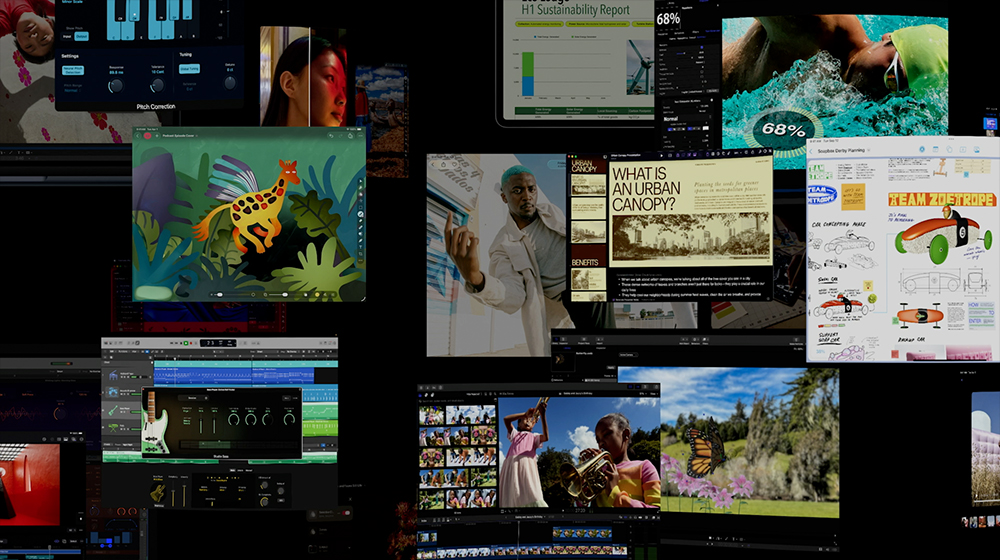
How great would it be if there was a subscription-based plan that could be “packaged in one go”? Earlier, Apple announced the official launch of the Apple Creator Studio. The core concept is actually very simple, which is to integrate the tools that creators use most and spend the most time investing in learning in the same subscription.
▲Image source: Apple
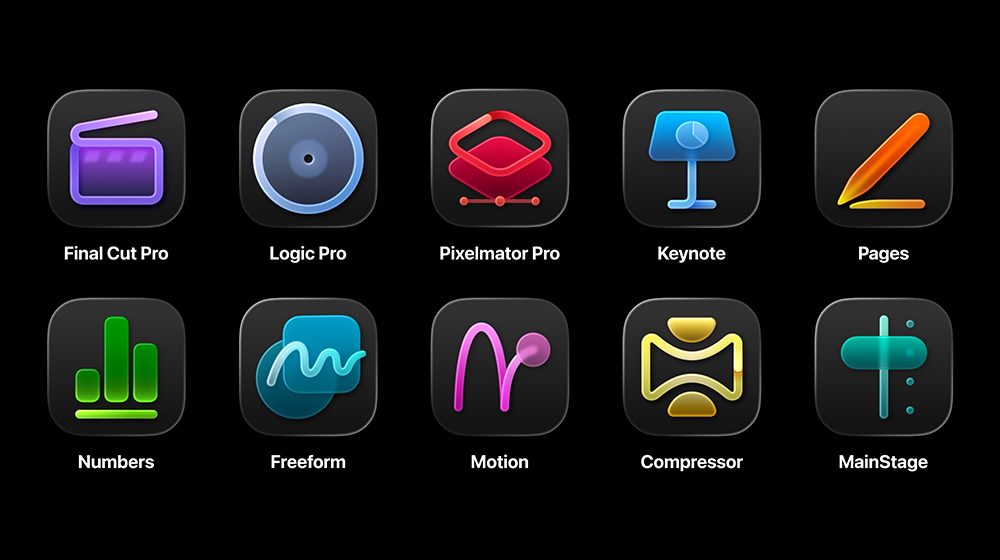
This solution includes Final Cut Pro, Logic Pro, and Pixelmator Pro, as well as Motion, Compressor, and MainStage, covering different aspects such as film editing, music production, image design, and live performance control.

▲Image source: Apple
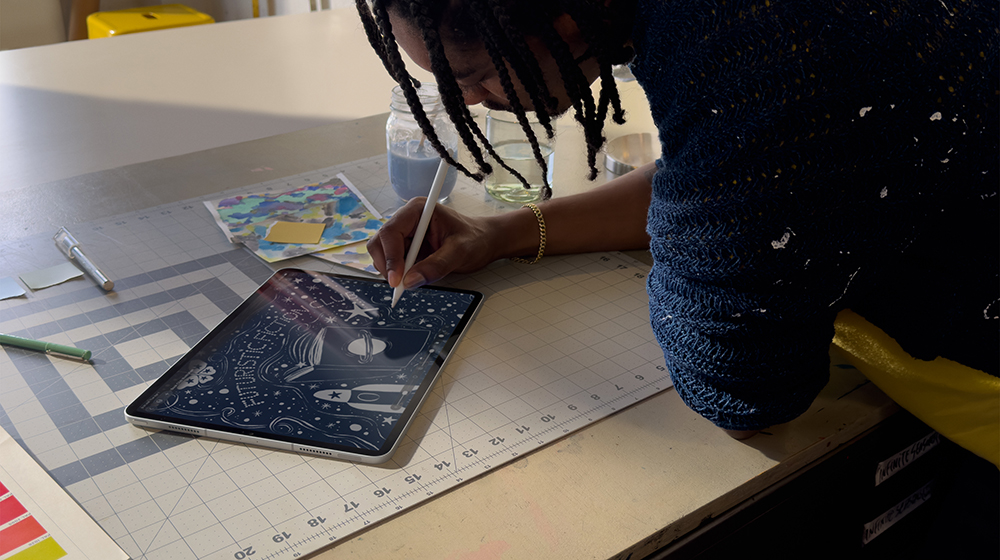
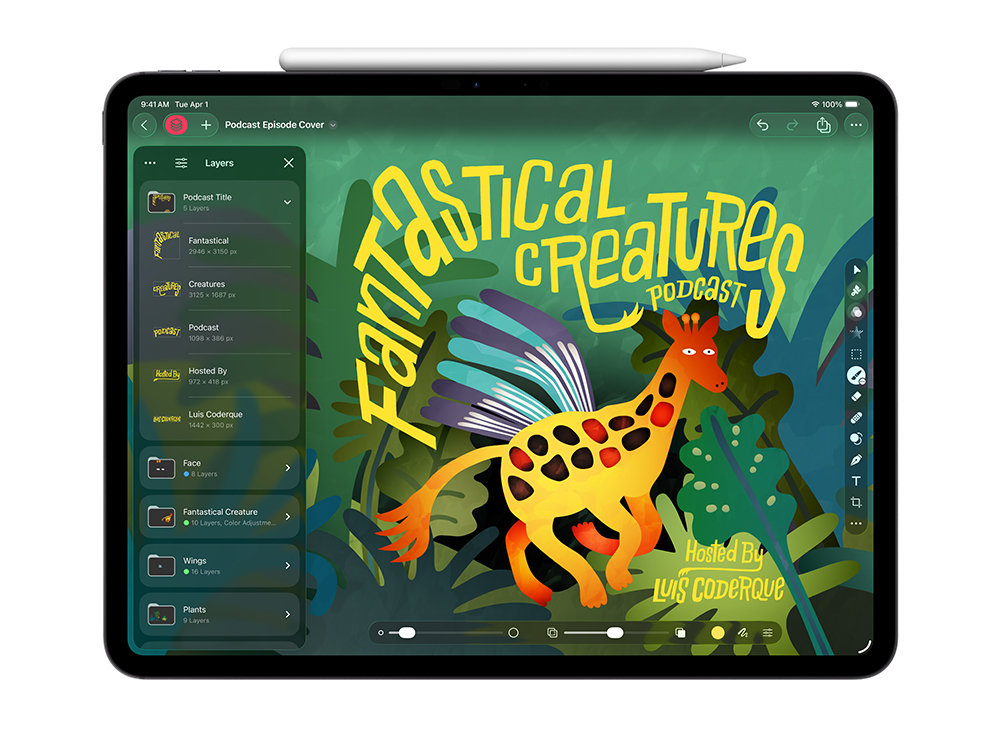
One of the most talked about changes is that Pixelmator Pro has officially landed on the iPad platform from Mac. Although there has been a streamlined Pixelmator on iPad in the past, this time it brings a complete Pro-level experience.
The new touch interface with Apple Pencil not only supports pressure-sensitive brushes, but also allows the use of hover, squeeze and double-click operations, making the editing process closer to intuitive creation rather than an extension of desktop thinking.
▲Image source: Apple
In terms of functionality, the iPad version of Pixelmator Pro almost completely inherits the Mac version, including a complete layer sidebar, smart selection tools, lattice and vector masks, Super Resolution magnification technology, and Deband to remove compression traces. This means that even if you only bring an iPad, you can complete quite professional image processing work.
▲Image source: Apple
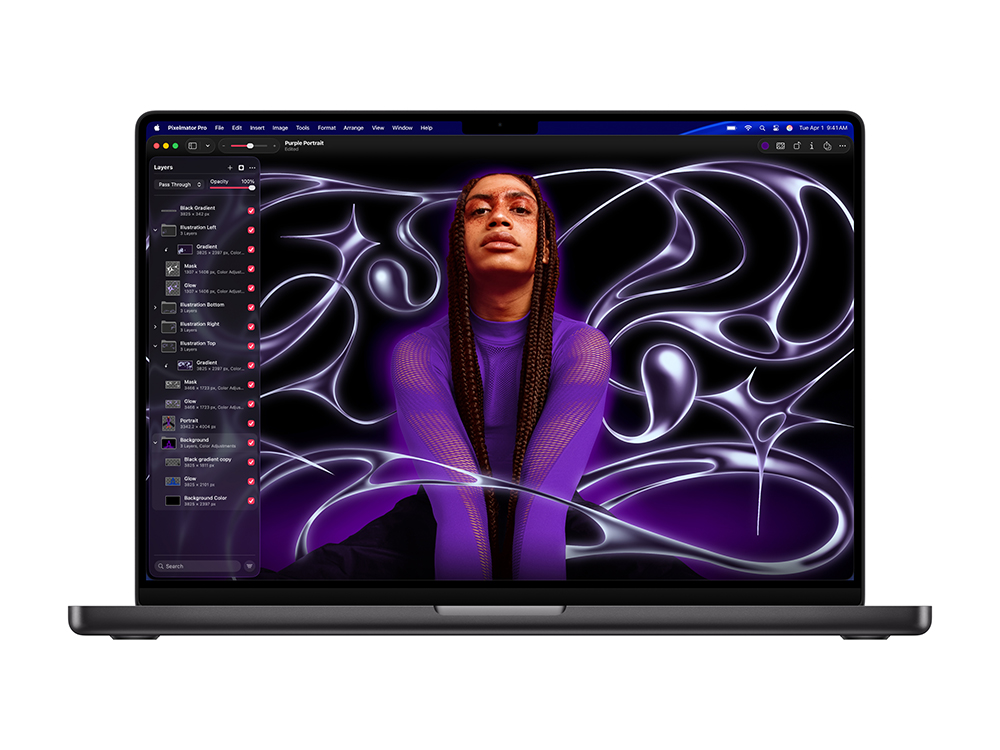
Another focus of Apple Creator Studio is on the integration of AI and content. Subscribers can use the new Warp tool in Pixelmator Pro to freely distort and shape image layers. This type of function that favors creative ideas and rapid experimentation is exactly in line with the high-frequency output needs of creators in recent years.
▲Image source: Apple
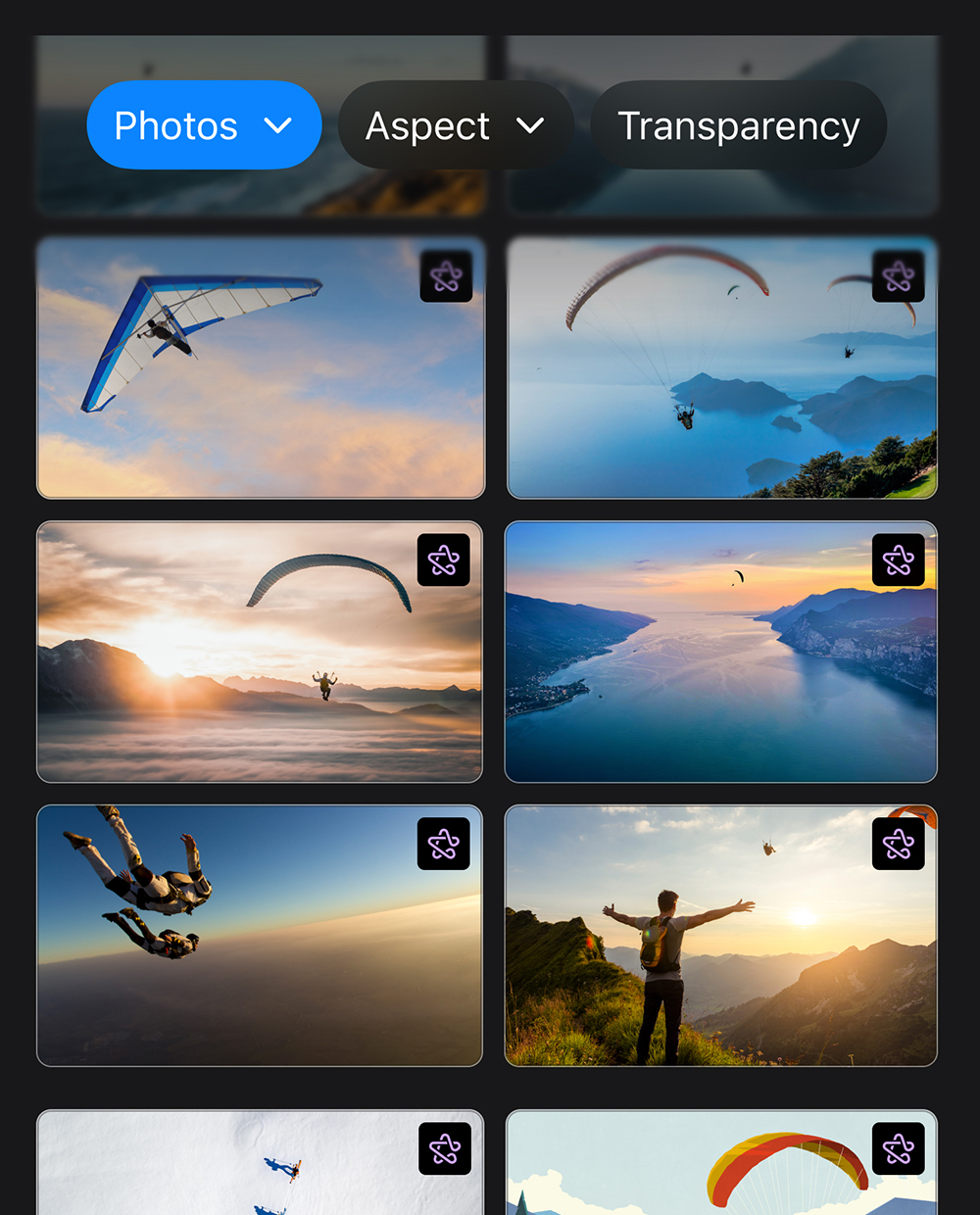
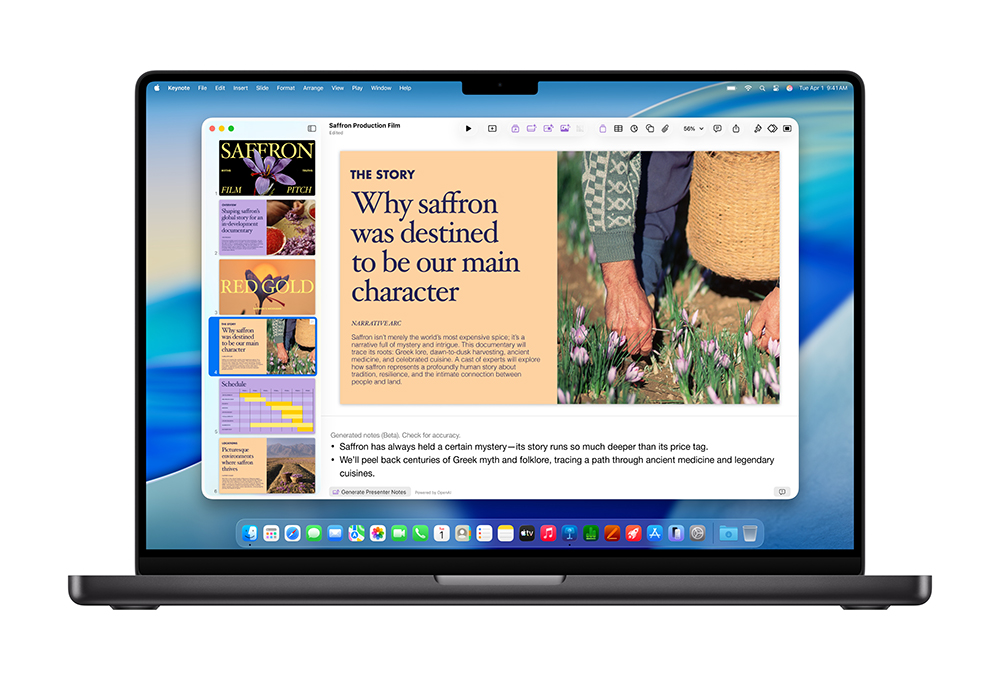
Not only professional creation apps, but also Pages, Numbers, and Keynote have seen significant changes. By subscribing through Creator Studio, these apps will unlock a new Content Hub that contains royalty-free images, advanced templates, themes, and other resources.
For people who often have to rush for presentations, proposals or community materials, this means a lot of time is lost in finding materials and adjusting layouts.
▲Image source: Apple
It’s worth noting that Apple isn’t forcing everyone to switch to subscriptions. Apps such as Final Cut Pro, Logic Pro, and Pixelmator Pro still retain single-purchase versions, and free versions of Pages, Numbers, Keynote, and Boundless Notes also continue to exist. The difference is that some new AI functions and advanced content will only appear in the Creator Studio subscription version in the future.
▲Image source: Apple
At the system level, Apple also deliberately distinguishes the subscription version from the single-purchase version. When both versions are installed on a Mac at the same time, the Creator Studio version will have a separate icon to avoid user confusion and also hints that this will be the main direction of future feature updates.
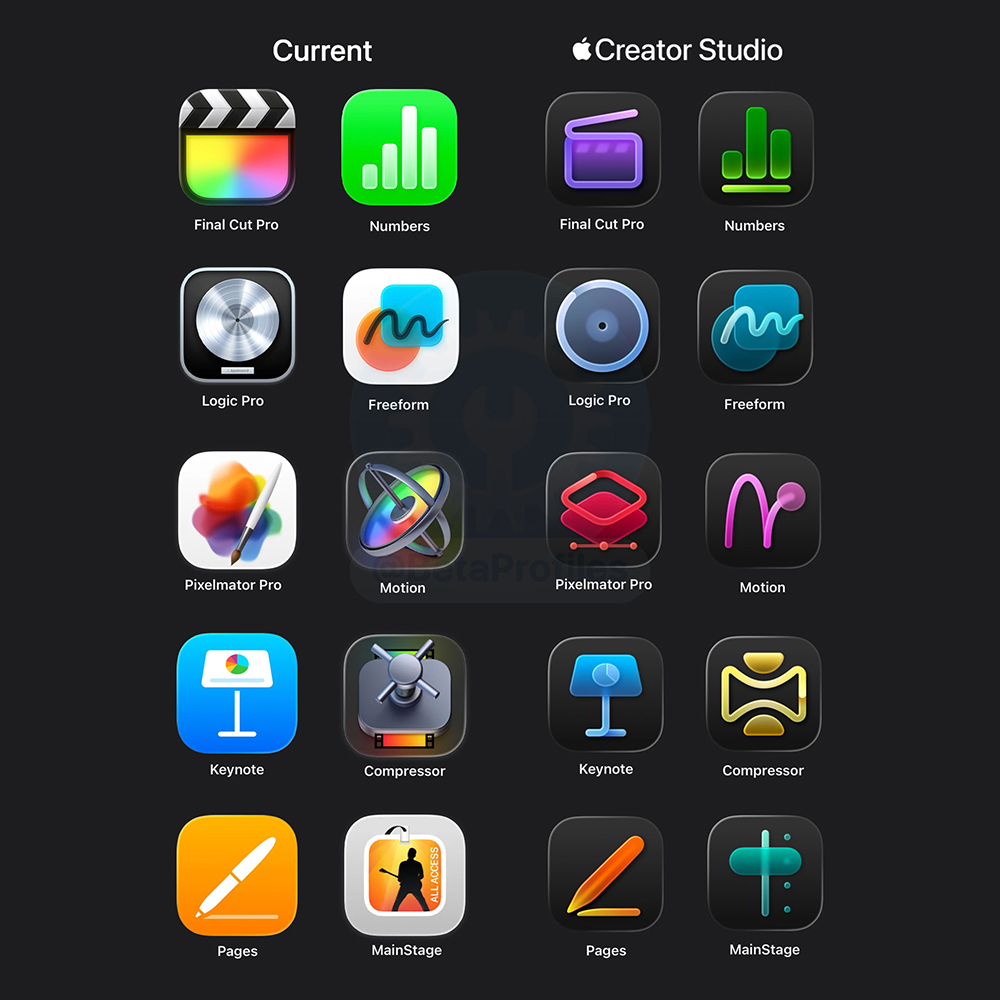
▲Image source: Beta Profiles (X)
price information
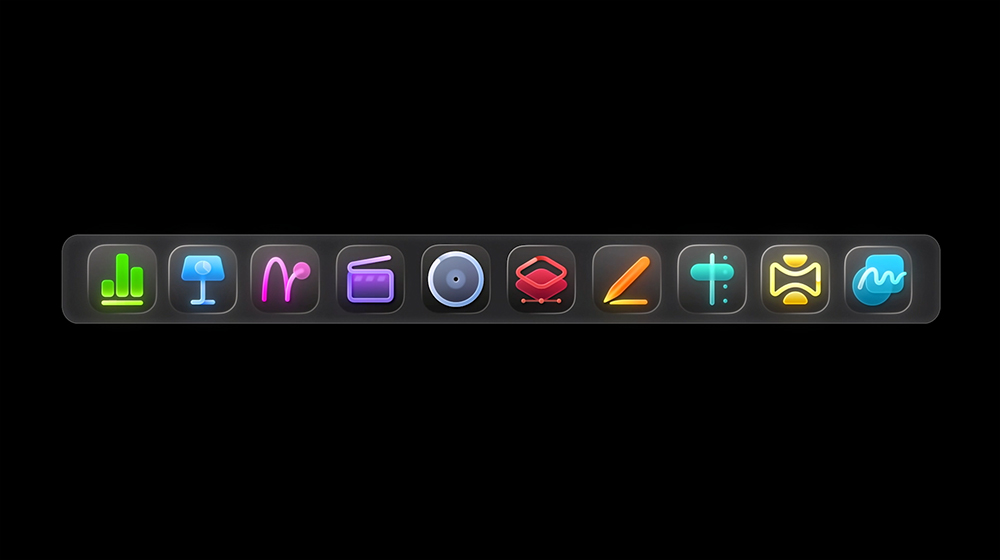
Apple Creator Studio will be launched in the App Store starting on January 28. New subscribers can enjoy a 1-month free trial and can be used by up to 6 people through “Family Sharing”. Get a 3-month trial with the purchase of a new Mac or qualifying iPad.
▲Image source: Apple
As for subscription plans, Apple Creator Studio offers the following plans:
- Regular users: NT$390 per month or NT$3,900 per year plan.
- Students and Educators: Education discount from NT$90 per month or NT$900 per year.
Single purchase version:
- Final Cut Pro:NT$9,990
- Logic Pro :NT$6,990
- Pixelmator Pro:NT$1,490
- Motion:NT$1,490
- Compressor:NT$1,490
- MainStage:NT$990
Free version (included with every new iPhone, Mac and iPad):
- Keynote
- Pages
- Numbers
- Boundless Notes
Conclusion
Judging from the plans for Apple Creator Studio, this is not just a product packaging adjustment, but Apple’s clear statement on the future of creative tools. Creation is no longer just a patent for a single app, but a complete process from inspiration, editing, presentation to release, and this process requires tighter integration and more real-time support.

▲Image source: Apple
For professional creators, whether the subscription system is cost-effective depends on the depth of use and frequency of updates; but for growing content creators, students, or cross-platform workers, being able to use one package to cover multiple core tools really lowers the threshold for trying. It remains to be seen how Apple will strike a balance between free, one-time purchases and subscriptions in the future, but what is certain is that the way creative tools are used has begun to quietly change.
Further reading:
Source: KOCPC Chinese