


When the appearance of mobile phones becomes more and more similar, screen design becomes the key to widening the gap. Recently about iPhone 18 News about the series began to surface, from screen size, update rate to sensor configuration, all revealed obvious strategic diversion.
Especially the iPhone 18 Pro series seems to be no longer just a performance upgrade, but is preparing to take a key step in the front design.
From changes in dynamic islands, adjustments to Face ID technology, to the combination of new process chips, this generation iPhone The design blueprint for the next few years is gradually being pieced together. For consumers, this isn’t just what the next phone will look like; Apple Long-term layout for “truly comprehensive screens”.
▲Picture source:Volodymyr (X)
iPhone 18 series, iPhone Air 2 screen specifications revealed! Pro series adopts new under-screen Face ID technology
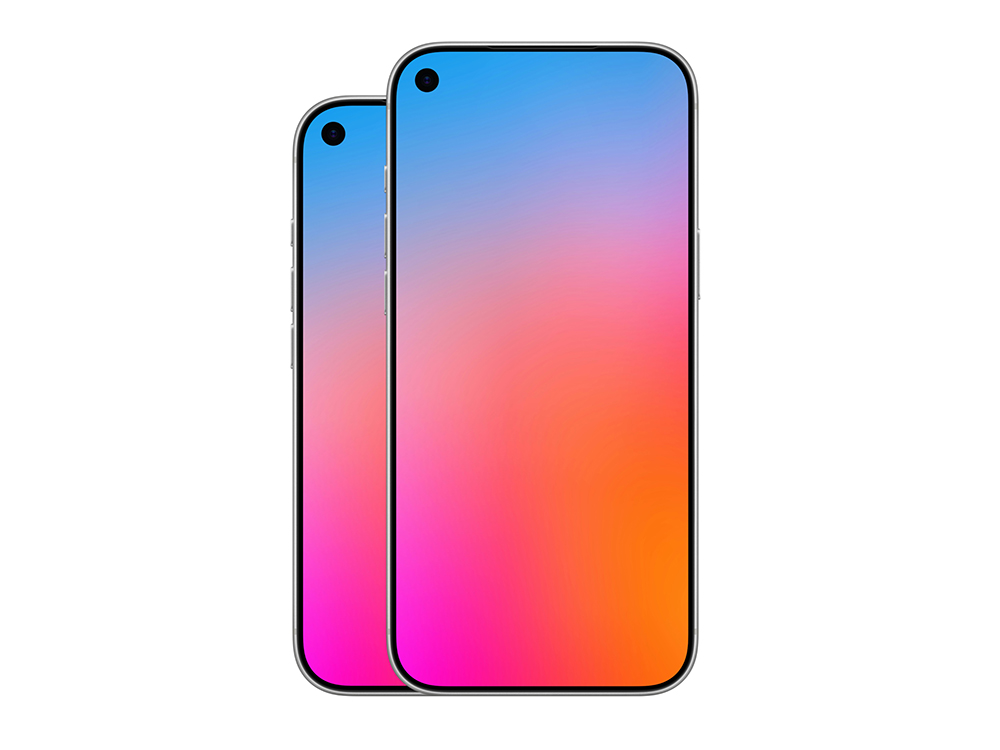
According to the latest revelations from the Weibo account Digital Chat Station, Apple is planning a quite clear screen grading strategy for the iPhone 18 generation. The standard iPhone 18 is expected to use a 6.27-inch LTPO 120Hz screen, continuing the dynamic island design, while the iPhone Air 2, which is positioned to be thinner and lighter, will be enlarged to a 6.55-inch screen. It also has LTPO and a high refresh rate, focusing on the balance between display smoothness and daily use experience.
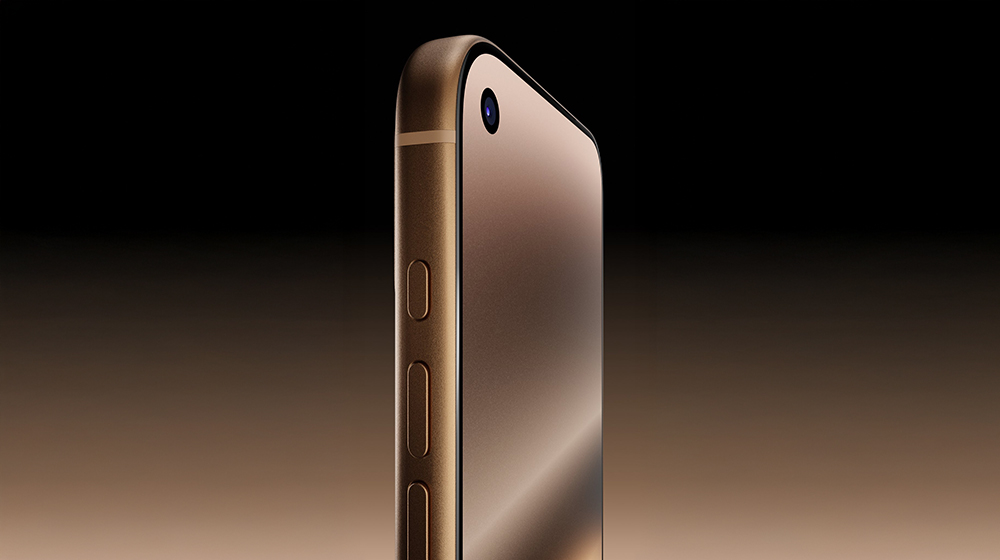
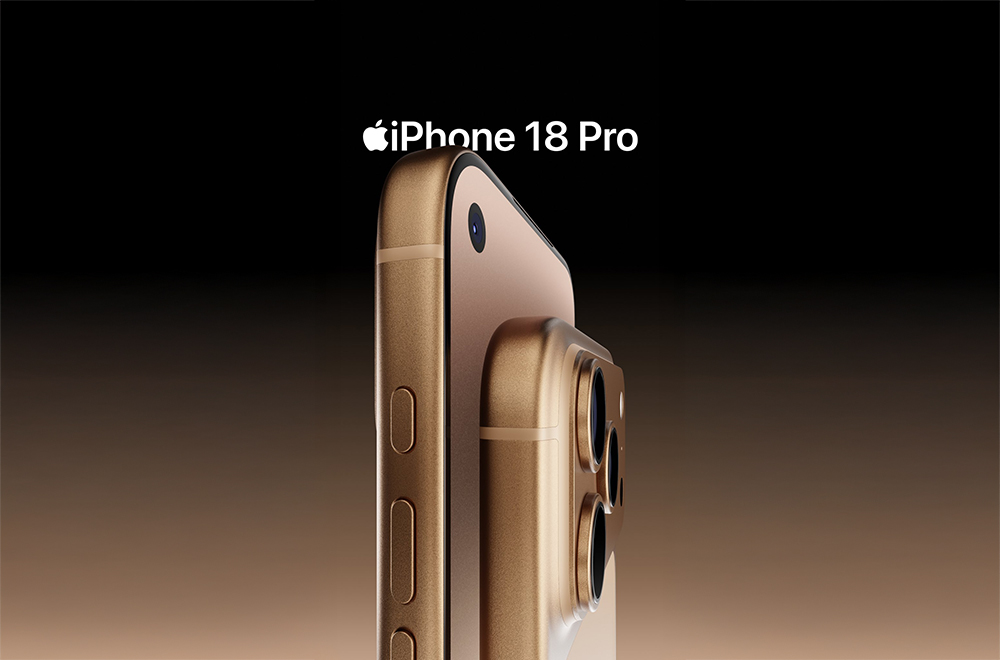
The real changes, however, are focused on the Pro series of iPhones. Reports indicate that the iPhone 18 Pro will remain at 6.27 inches, while the iPhone 18 Pro Max will be further enlarged to 6.86 inches. Both have LTPO 120Hz panels, but the biggest difference lies in the front sensor configuration. It is reported that the Pro series will introduce “partial” under-screen Face ID for the first time, which means that some facial recognition components will be hidden under the screen to further reduce the visible opening.
▲Picture source:Volodymyr (X)
Foreign media have mentioned many times in the past that Apple’s internal long-term goal is to completely remove the front shaped openings. From the earliest bangs to the later dynamic islands, they are actually transitional solutions. The approach taken by the iPhone 18 Pro this time is regarded as an important relay station leading to a true full screen. One report pointed out that the front lens hole may be moved to the upper left corner to minimize overall visual interference.
▲Picture source:Apple Hub (X)
As for why the front lens has not been fully designed under the screen, the reason is actually not difficult to understand. Judging from the current technical level, off-screen selfies still have obvious compromises in resolution, color and light intake, which is not in line with the imaging quality that Apple has always emphasized. Processing Face ID first, and then slowly advancing the front lens is a relatively conservative but stable choice.
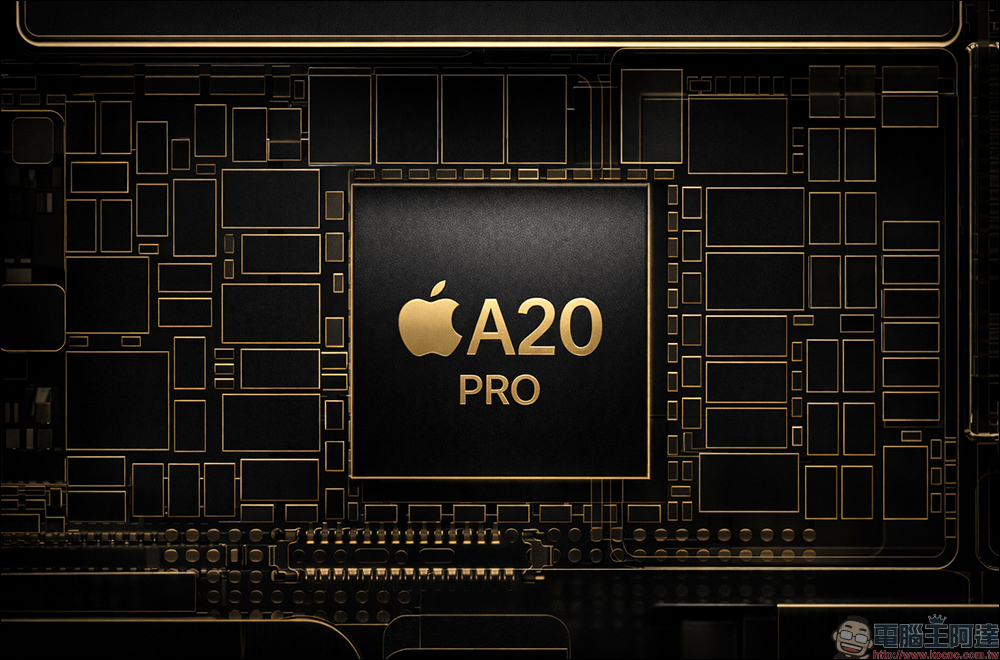
In terms of hardware core, the iPhone 18 Pro series is expected to be equipped with the A20 Pro chip, which will be Apple’s first mobile chip using the 2nm process and combined with wafer-level multi-chip module packaging technology. This combination means that performance and energy consumption will be improved simultaneously, especially in applications related to AI and real-time computing.
In addition to the hardware itself, the adjustment of publishing rhythm also caused discussion. There are rumors in the market that Apple may break its long-standing practice of releasing a full range of iPhones at once in the fall and instead update them twice a year. The more affordable standard version and e-series may be launched in the first half of the year, while Pro and Pro Max will remain available in the fall.
If this strategy is implemented starting with iPhone 18, then only the iPhone 18 Pro series may be unveiled in the second half of this year, and the standard model will be postponed to the following spring.
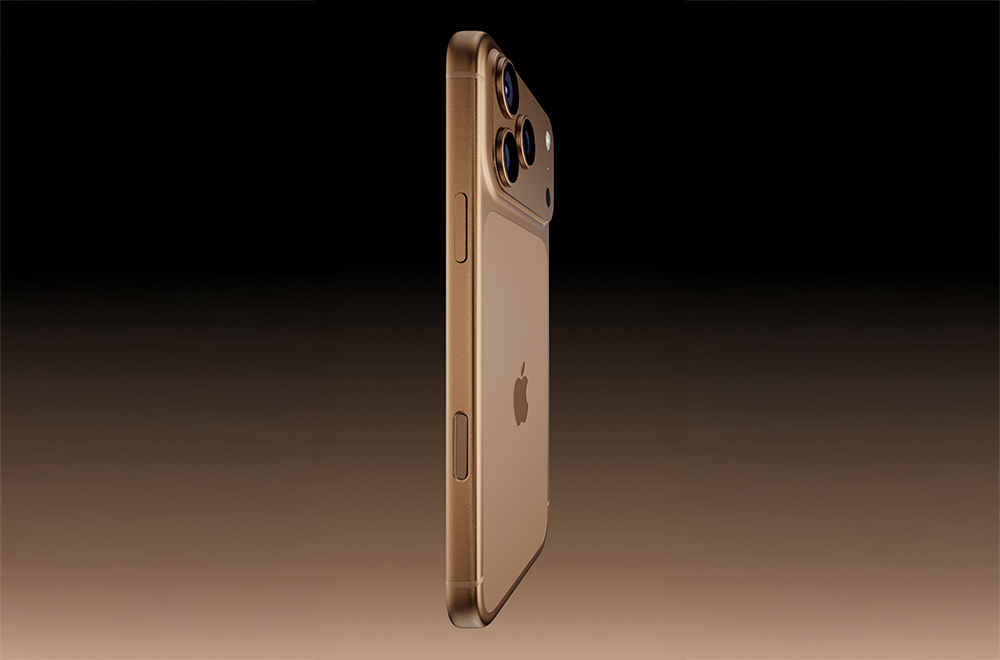
▲Picture source:Volodymyr (X)
This diversion strategy also reasonably explains why new screen technology will be prioritized for the Pro series. For Apple, through obvious differences in appearance and technology, it can position products at different price points, which will help the sales rhythm and topic continuation of the overall product line.
In addition, there is news that Apple’s first foldable screen phone may appear on the same stage as the iPhone 18 Pro, further amplifying market attention through the concentrated exposure of high-end products. Whether this will come true remains to be seen, but judging from its layout in recent years, Apple is indeed deliberately lengthening the discussion cycle for each new product.
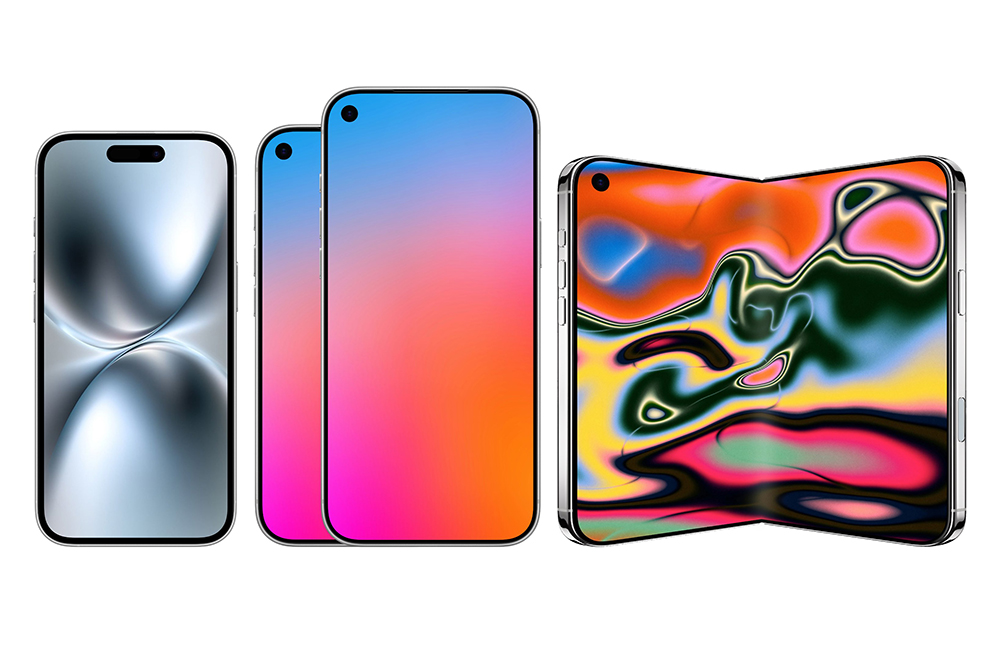
▲Picture source:Apple Hub (X)
Conclusion
Based on the current leaked information, the iPhone 18 series is not a one-time design renovation, but more like the starting point of a long-term transformation. The Pro series is the first to try under-screen Face ID, shrink the opening, and use new process chips, which shows that Apple is gradually bringing “full screen” from concept back to reality.
At the same time, through the re-segmentation of publishing rhythm and product positioning, different user groups have a clearer direction of choice. Even though there is still time before the official debut, the direction revealed by iPhone 18 is enough to show that the appearance of iPhone in the next few years is quietly changing.
Further reading:
Source: KOCPC Chinese