


Apple This wave of new product weeks officially kicked off, and in addition to the iPhone 17e , the other one is the new model with M4 chip iPad Air . The appearance is almost unchanged, but the inside has been fully enhanced, from CPU, GPU to neural network engine and memory specifications. Faster wireless connections, stronger AI performance, and the familiar 11-inch and 13-inch dual size options position this machine in the mid-to-high-end range. iPad It has once again become the ideal in many people’s heartsflat. The question arises, is this upgrade just a routine specification update, or is it a key evolution that can change the user experience.
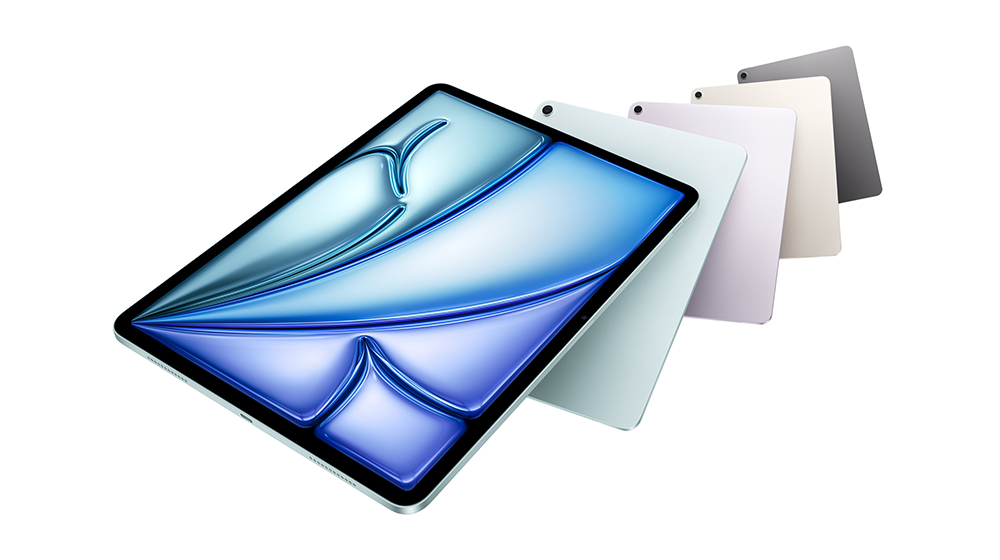
iPad Air M4 is here! Replace with M4 chip, 12GB unified memory
After the iPhone 17e, Apple once again launched the new iPad Air. This time the focus is very clear, which is to replace the original M3 with M4. For many users who are familiar with the rhythm of Apple products, this update looks like a routine specification upgrade, but if you look closely at the data and actual application scenarios, you will find that this enhancement is actually quite impressive.
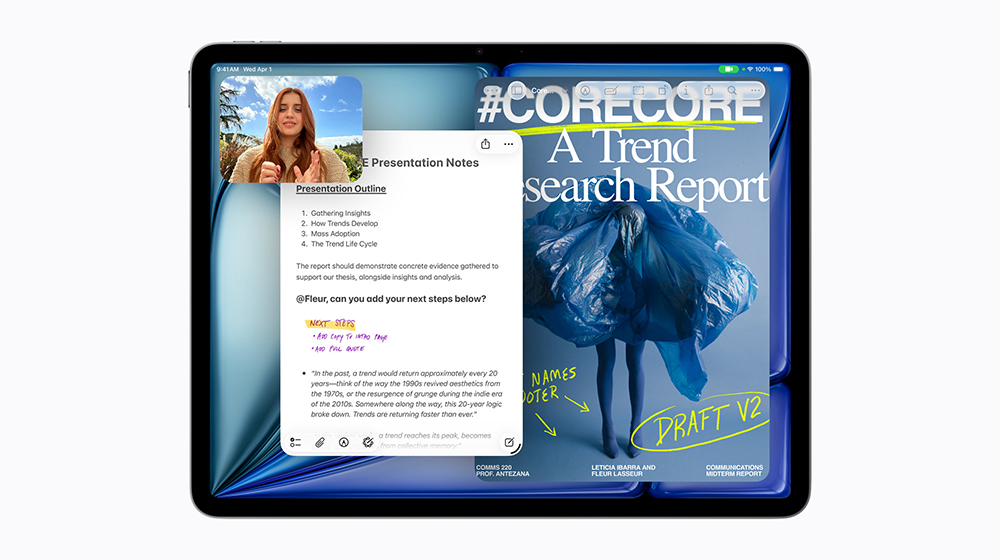
The new iPad Air uses the M4 chip architecture with an 8-core CPU and 9-core GPU. Official data points out that compared to the previous generation M3 version, the overall performance can be improved by up to 30%, and when compared with the iPad Air equipped with M1, the speed can even be up to 2.3 times. For users who usually just watch TV dramas and do word processing, the difference may not be immediately apparent, but as soon as they start editing videos, retouching photos, or processing large files, they will clearly feel the improvement in response speed and fluency.
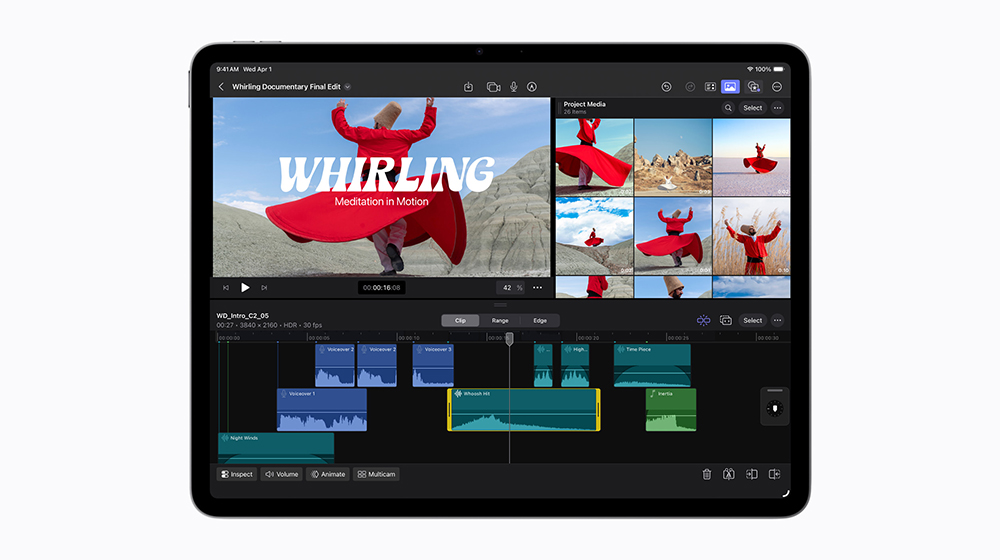
Especially for the GPU, M4’s 9-core GPU supports second-generation hardware-accelerated mesh shading and ray tracing technology. Compared with M1, the 3D rendering and ray tracing performance can be improved by up to 4 times. For players who use 3D modeling software or high-definition games, the light, shadow and details of the screen will be more realistic. It also makes iPad Air no longer just a lightweight creative tool, but a device that can truly handle professional image work.
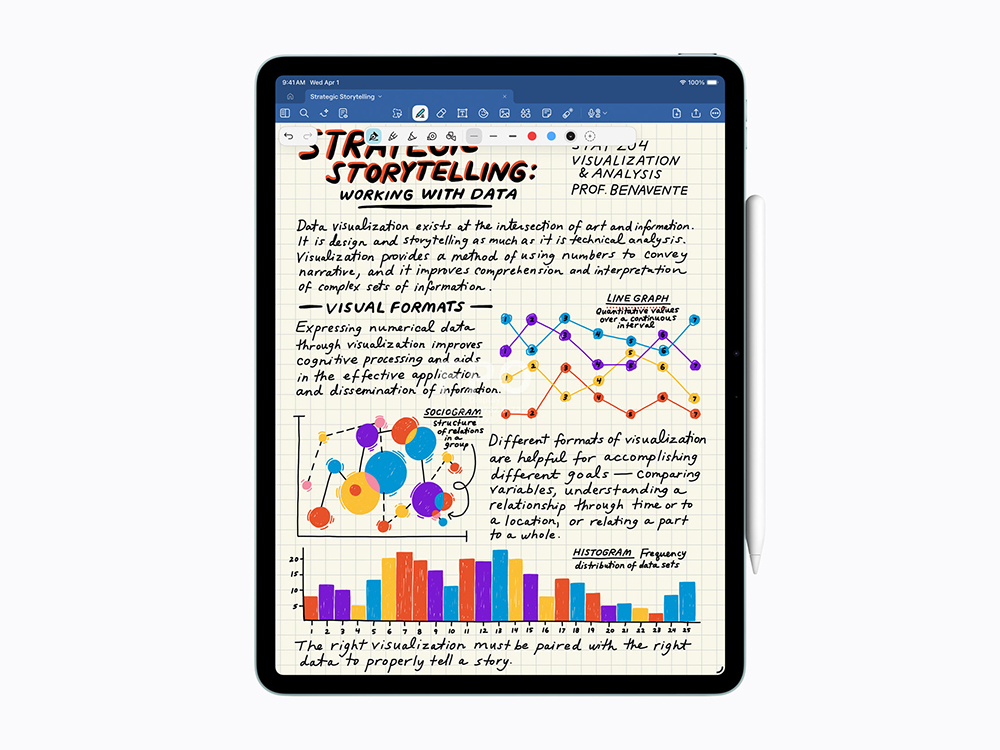
In addition to pure performance, another key to this upgrade is memory. The unified system memory has been increased by 50% from 8GB to 12GB, and the memory bandwidth has also been increased to 120GB/s. For users who open multiple apps at the same time and split the screen to process files and audio and video content, this configuration makes multitasking operations smoother. Coupled with the newly enhanced window management and background processing capabilities of iPadOS 26, the overall usage experience is closer to that of a laptop.
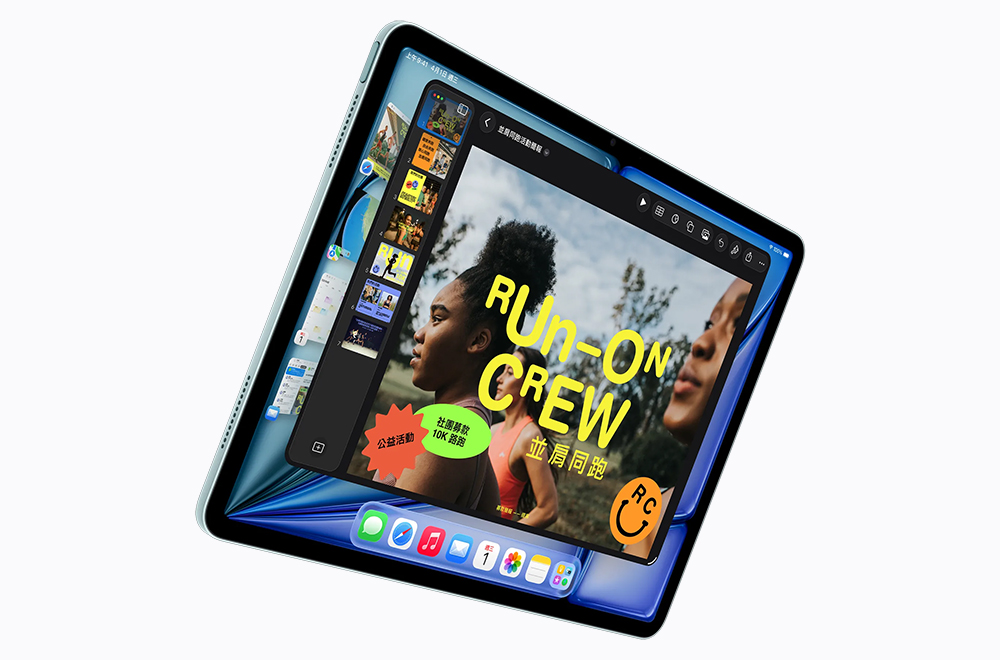
AI is also one of the focuses of this upgrade. The M4 chip has a built-in 16-core neural network engine, which is 3 times faster than the M1. Whether you are searching for specific people or text in photos, or automatically organizing content through note-taking software, you can do it faster. It is of practical help for students to organize verbatim manuscripts for class, or for creators to use the App to remove backgrounds from videos. AI is no longer just a cloud function, but completes calculations directly on the device, taking into account both privacy and efficiency.
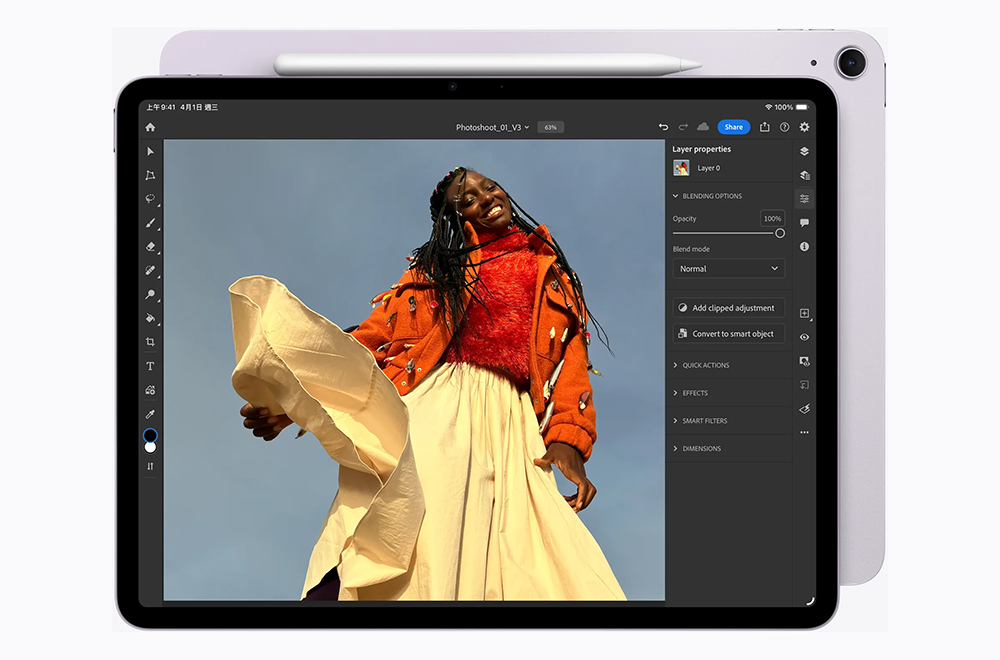
In terms of connectivity capabilities, Apple has introduced its own designed N1 wireless chip and C1X modem system on iPad Air this time. N1 supports Wi Fi 7, Bluetooth 6 and Thread, making wireless transmission and AirDrop more stable. The mobile network model is equipped with a C1X modem, which improves data performance by up to 50% and reduces energy consumption by up to 30% compared to the previous generation mobile version. This is very practical for people who often work outside and need to use 5G mobile networks for long periods of time.
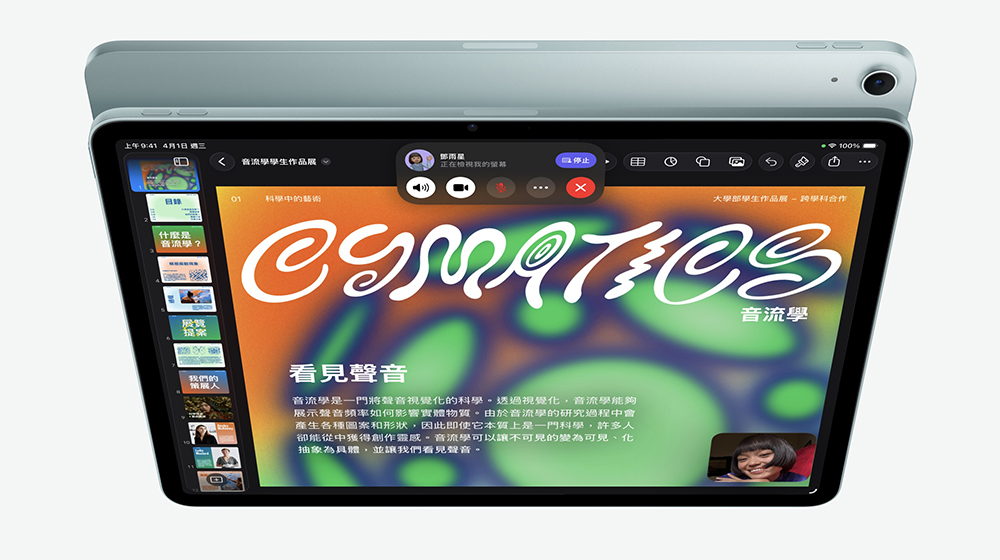
The new iPad Air maintains familiar configurations in terms of size and appearance, and is still available in 11-inch and 13-inch sizes. The resolution and brightness are the same as the previous generation. The 11-inch model has 2360 x 1640 and a maximum brightness of 500 nits. The 13-inch model has a resolution of 2732 x 2048 and a maximum brightness of 600 nits. The thickness of the body remains 0.24 inches, and the overall feel and portability remain unchanged.
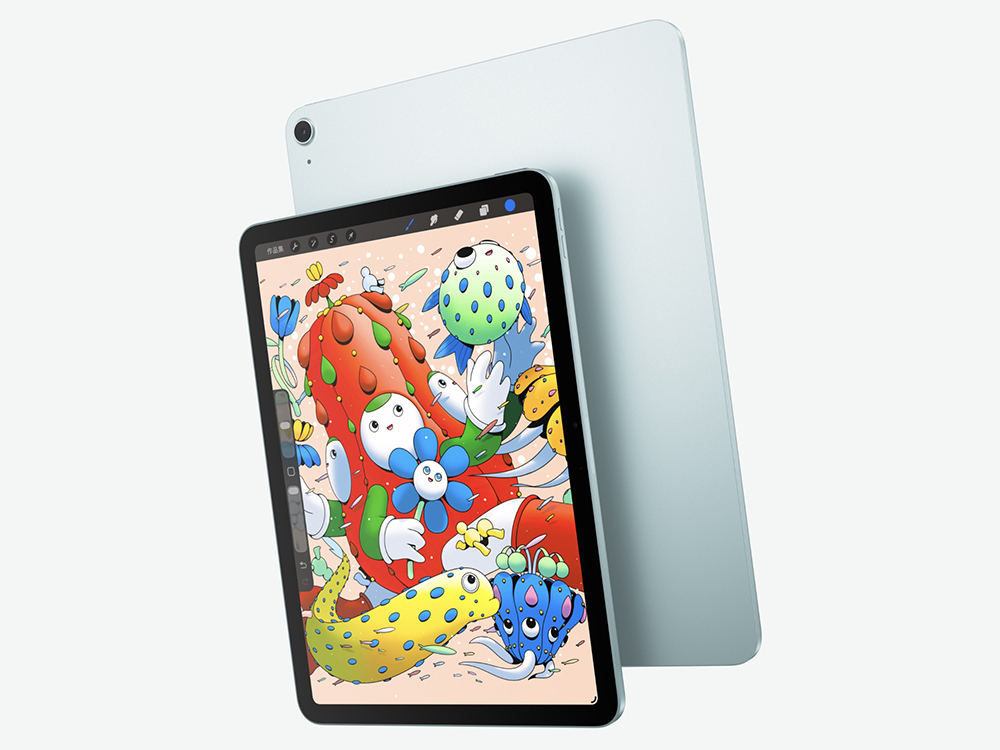
For users who have already used previous generations of protective cases and accessories, there is no need to adapt again.
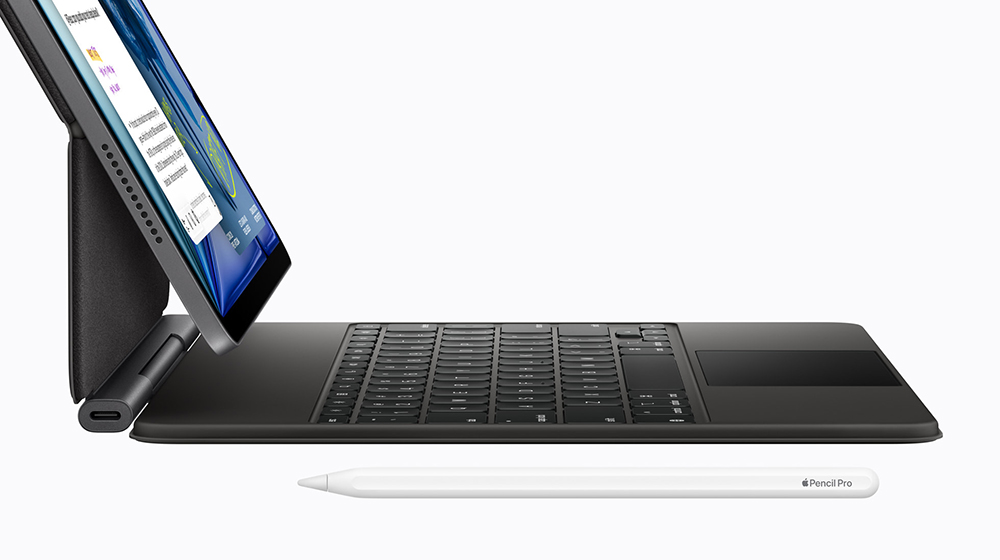
The camera specifications also continue to include a 12-megapixel main lens and a horizontally configured 12-megapixel Center Stage front lens, supporting 4K video recording.

Horizontal stereo speakers and Touch ID power button recognition are still retained. Battery life is up to 10 hours for a full day of use.
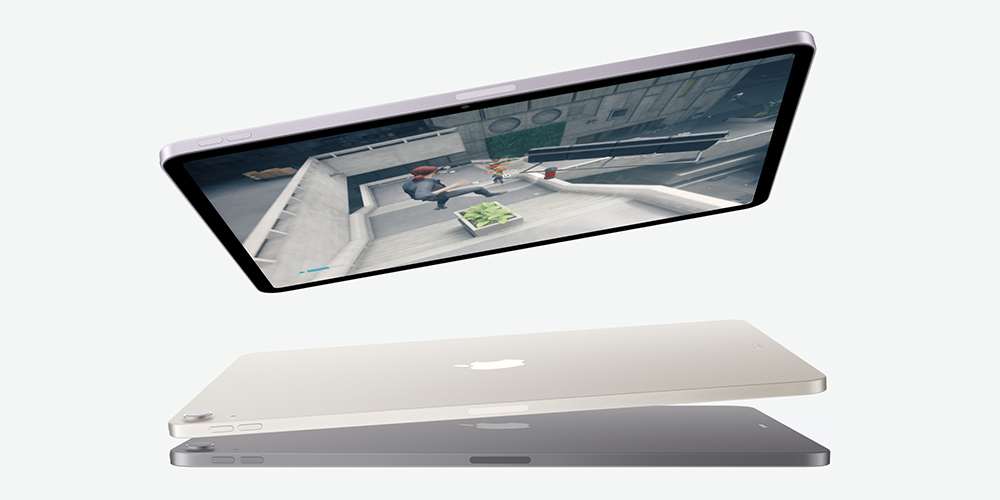
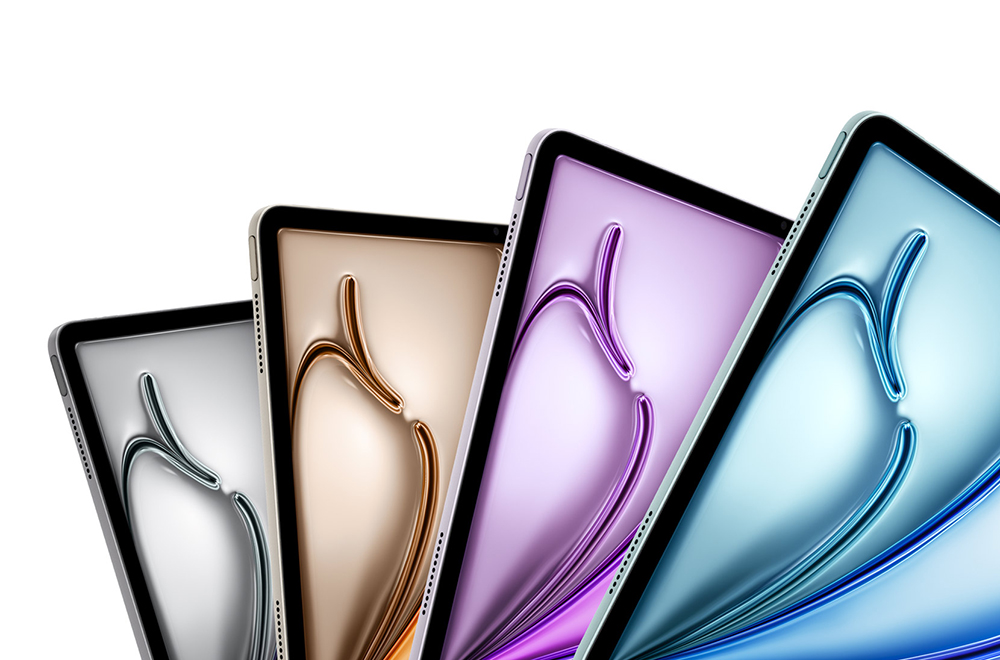
iPad Air M4 comes in 4 capacities, ranging from 128GB to 1TB, and colors are available in blue, purple, starlight and space gray. In terms of price, the starting price of the 11-inch model is NT$19,900, and the 13-inch model is NT$26,900. The educational discount prices are NT$18,200 and NT$25,200 respectively. It is expected to be released in the Taiwan market in the future. However, the new iPad Air M4 offers higher performance and larger memory at the same price, which is indeed attractive to users who plan to upgrade.
Overall, the iPad Air has not changed its design language this time, nor has it added any stunning hardware innovations. However, the comprehensive improvements in chips, memory, and connectivity capabilities have made it closer to the experience of high-end models, while maintaining a relatively affordable price positioning.
Further reading:
iPhone 17e 正式發表:升級 A19 晶片、256GB 起步、支援 MagSafe、加入全新嫩粉色,售價 NT$21,900 起
Source: KOCPC Chinese