


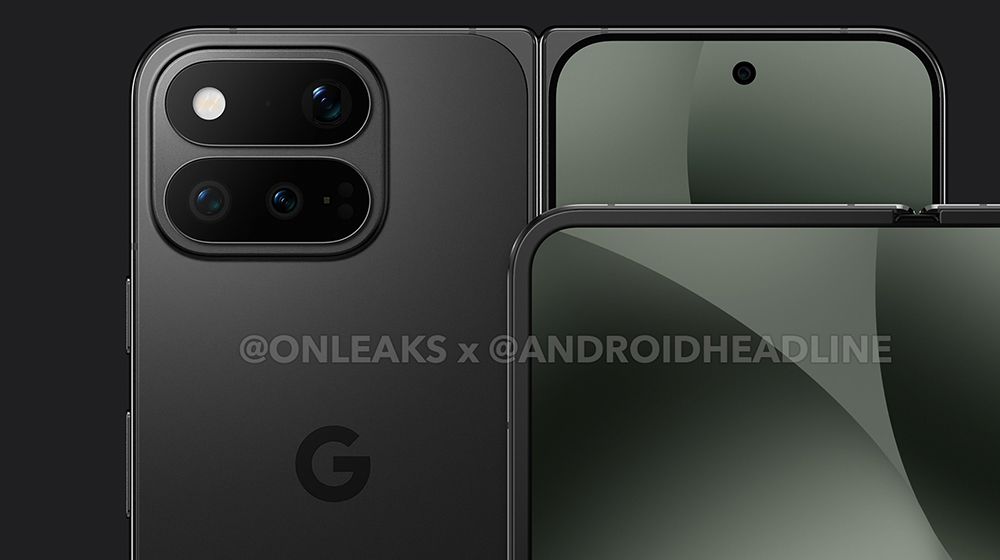
foldcell phoneMarket competition is becoming increasingly fierce, and various brands are continuing to optimize design and hardware configuration. Foreign media recently exposed Google’s next-generation foldable phone Pixel 11 The CAD rendering of Pro Fold allows the outside world to see the general appearance of this new machine in advance.
Judging from the information currently leaked, Google The overall design language has not been significantly changed, but details have been optimized, such as redesigning the camera module and further reducing the thickness of the body. Overall, the new phone still continues the simple style of the Pixel series, but there are still several noteworthy changes in appearance and structure.
▲Picture source:AndroidHeadlines
Google Pixel 11 Pro Fold appearance rendering exposed for the first time, thickness further reduced, camera module overhauled
according to AndroidHeadlines According to information released by OnLeaks, Google is expected to launch a new generation of folding phone Pixel 11 Pro Fold later this year. The CAD renderings exposed this time provide a complete outline of the appearance, and also allow the outside world to see the design details of this new machine for the first time.
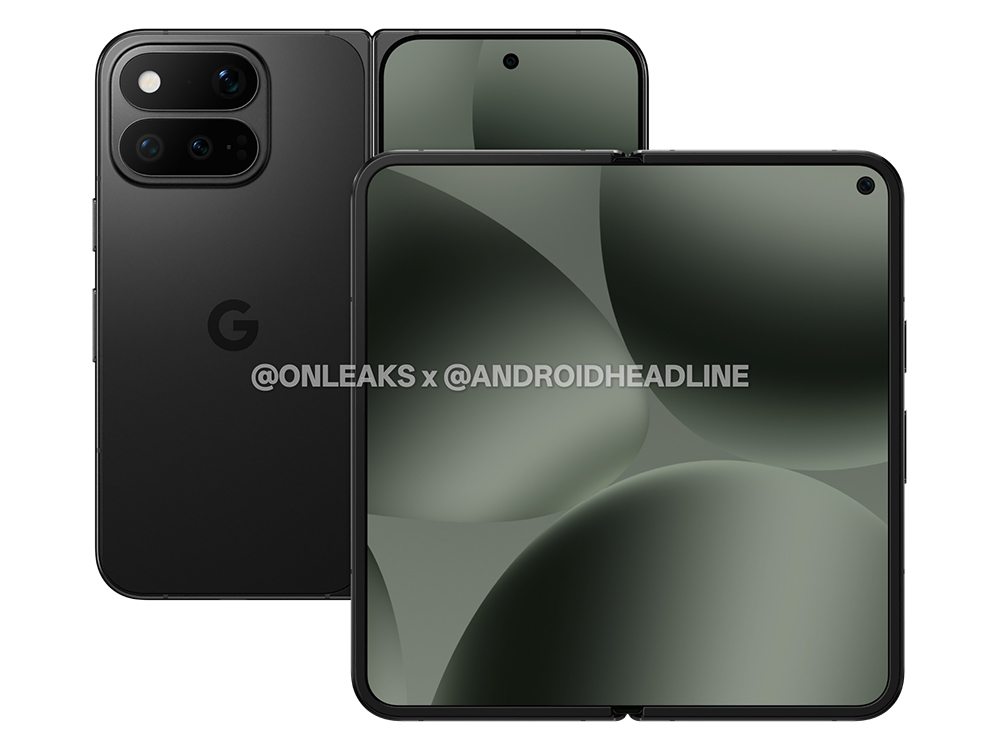
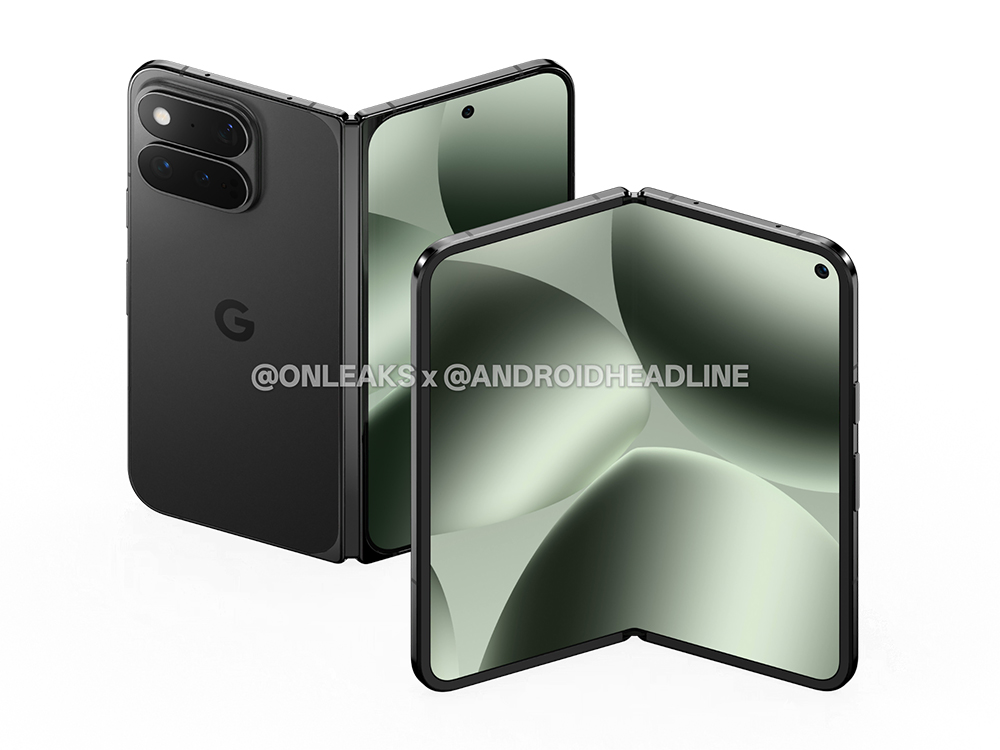
In terms of overall styling, the Pixel 11 Pro Fold is very similar to the previous generation Pixel 10 Pro Fold. Rather than attempt a drastic redesign, Google chose to stick with the existing design. The main material of the fuselage is still an aluminum alloy frame with a glass back panel, and the overall appearance maintains the consistent simple style of the Pixel series.
The outline and corner curvature of the fuselage are almost the same as those of the previous generation. Whether it is folded or unfolded, it looks quite close to the previous generation model from the front.
▲Picture source:AndroidHeadlines
In the unfolded state, the upper right corner of the main screen of Pixel 11 Pro Fold is still equipped with a hole-shaped front lens, and the position is the same as that of the previous generation. The bezels around the screen maintain a uniform design and are slightly raised.
This kind of design is actually a common practice for current book-style folding mobile phones. The slightly raised frame can form a protective structure when folded to prevent wear and tear caused by direct contact with the screen. The left and right borders will fit into each other when folded, so they need to be made to a certain height. In other words, such a design is not only about aesthetics, but also about the durability of the foldable phone.
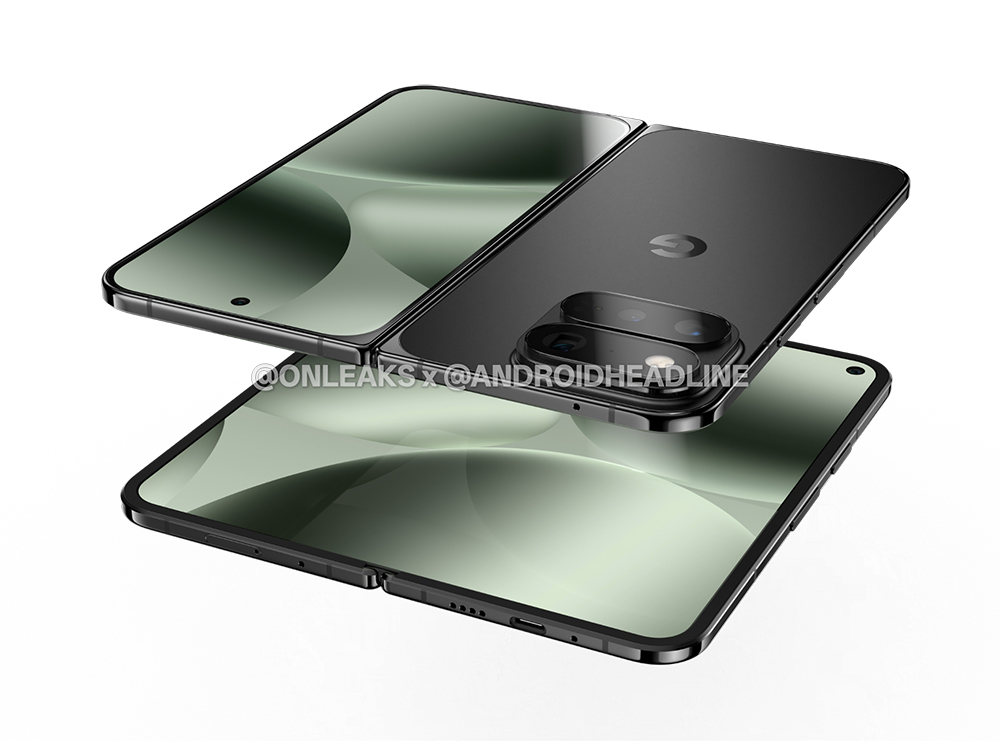
Judging from the body details, the top and bottom configurations of Pixel 11 Pro Fold are quite simple. The bottom configuration includes the USB Type C port, microphone, speaker opening and SIM card slot. These configurations are the same as most smartphones. As for the top of the fuselage, it is simpler, with only a few microphone openings. Overall, Google hasn’t made many changes in these locations, and the design still maintains the traditional configuration.
▲Picture source:AndroidHeadlines
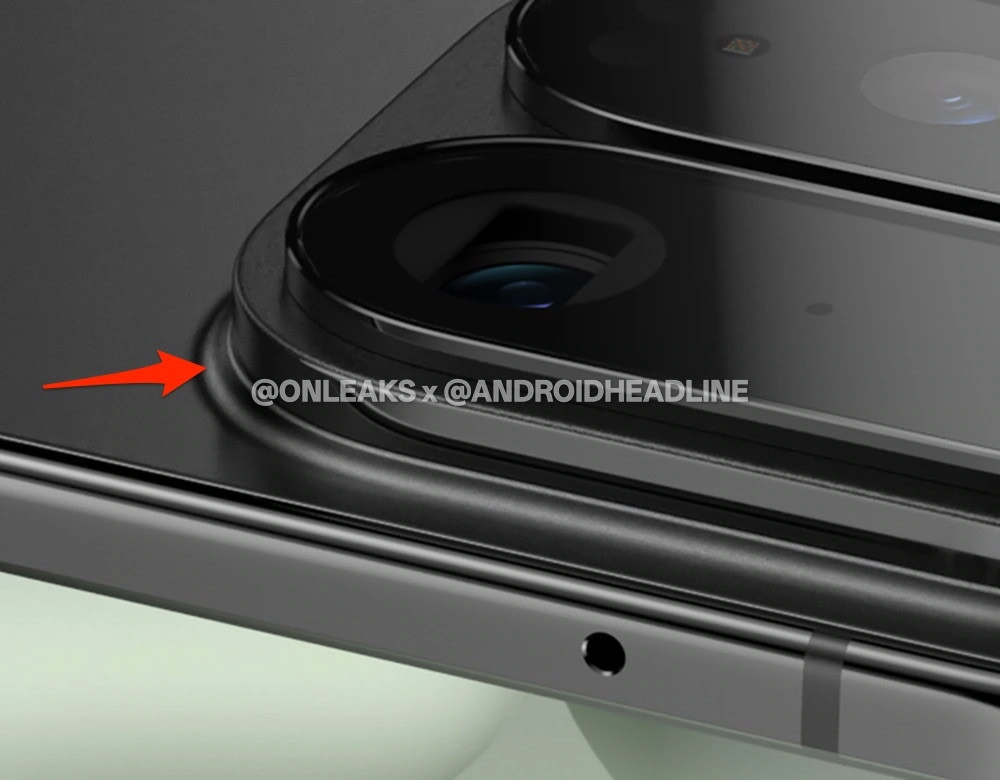
If you turn the phone over to the back, you can see the most obvious change in appearance. The camera module of Pixel 11 Pro Fold adopts a new design language and looks simpler than the previous generation.
In the new design, the LED flash and microphone are integrated into the capsule-shaped groove above and are arranged in the same area as one of the rear lenses. Compared with the previous generation’s separate configuration, the overall visual appearance is more tidy.
In addition, the joint between the camera module and the back panel has also been changed to an arc transition, making the overall look smoother. This design makes the back visual more consistent and brings a more modern style. The back panel itself still maintains a flat design, and the familiar Google Logo is still in the center.
▲Picture source:AndroidHeadlines
The location of the physical buttons has basically not changed. The power button and lock button are still located above the volume button. The frame of the fuselage is expected to still be made of aluminum alloy, while the back panel will be designed with glass. This combination is quite common in flagship phones, taking into account both quality and durability. Overall, Google did not make major changes to the appearance materials this time, but continued the existing design.
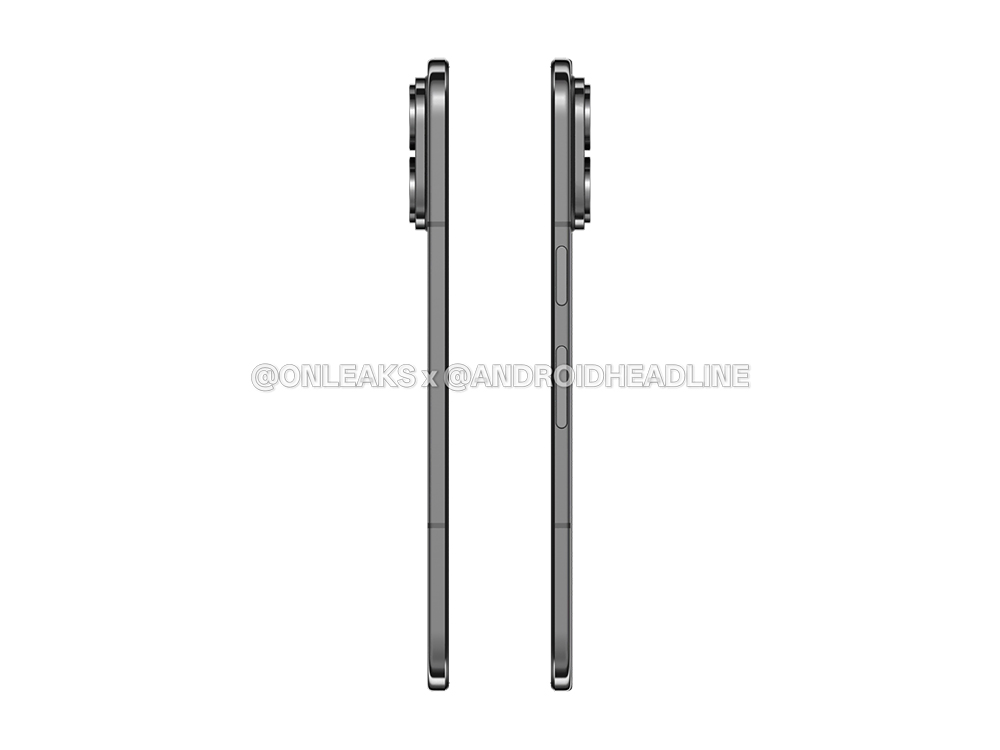
In addition to the camera module, another obvious change is the thickness of the body. According to CAD data, the Pixel 11 Pro Fold is 10.1 mm thick in the folded state. If you include the camera bump, it’s 14.9 mm.
In comparison, the Pixel 10 Pro Fold has a folded thickness of 10.8 mm, so the new phone is about 0.7 mm smaller. When unfolded, the Pixel 11 Pro Fold is 4.8 mm thick, including the camera bump, which is 9.6 mm. The unfolded thickness of the previous generation was 5.2 mm, while the new model has been reduced by 0.4 mm.
In terms of size, the Pixel 11 Pro Fold is almost identical to its predecessor. The body height is 155.2 mm and the unfolded width is 150.4 mm. These two figures are completely consistent with the Pixel 10 Pro Fold. This also means that the screen size will not change much, and the outer and inner screen specifications may remain similar.
▲Picture source:AndroidHeadlines
Although this difference does not seem huge, for folding mobile phones, every reduction in thickness is quite important. Currently, the folding thickness of some competitors on the market is already less than 9 mm, so Google’s improvements this time can be seen as a continued move towards thinner and lighter devices.
The Pixel series has always been known for its imaging capabilities, but the camera hardware of the Pixel 10 Pro Fold is actually not particularly outstanding. Its camera setup is even slightly weaker than that of the Pixel 10 Pro, and it lags behind other flagship phones in terms of ultra-wide-angle lenses.
Therefore, it is widely believed that Google may enhance the camera hardware on the Pixel 11 Pro Fold, such as importing the lens configuration used in the Pixel 10 Pro series. However, there is still no confirmed specification information, and everything still needs to wait for the official announcement.
▲Picture source:AndroidHeadlines
In addition to appearance changes, the new machine will also have hardware upgrades. Pixel 11 Pro Fold is expected to be equipped with the new Google Tensor G6 processor, replacing the Tensor G5 used in the previous generation. According to current rumors, this chip may use the 3nm process and be manufactured by TSMC. There are still some details yet to be determined, such as whether to use a 7-core architecture. However, it can be expected that performance and energy consumption will be improved.
Judging from the current news, the Pixel 11 Pro Fold may not change much in terms of other specifications. For example, the internal and external screen sizes are expected to remain close to existing specifications. Water and dust resistance may also continue with the IP68 rating.
In addition, the new phone is expected to support the Pixelsnap magnetic accessory system and Qi2 wireless charging standard. There may not be much improvement in battery capacity. At least there is no clear news that new technologies such as silicon carbon batteries will be introduced.
|
Google Pixel 10 Pro Fold |
Google Pixel 11 Pro Fold |
|
|
Body size (folded/unfolded) |
155.2 × 150.4 × 5.2mm / 155.2 × 76.3 × 10.8 mm |
155.2 × 150.4 × 4.8 mm / 155.2 × 76 × 10.1 mm |
|
weight |
258g |
unknown |
|
Home screen |
8-inch LTPO OLED (1-120Hz) |
8-inch LTPO OLED (1-120Hz) |
|
secondary screen |
6.4-inch OLED (120Hz) |
6.4-inch OLED (120Hz) |
|
Resolution |
2076 × 2152 / 2364 × 1080 |
unknown |
|
processor |
Google Tensor G5 |
Google Tensor G6 |
|
memory |
16GB LPDDR5X |
16GB |
|
storage space |
256GB / 512GB / 1TB |
256GB / 512GB / 1TB |
|
main lens |
48MP (f/1.7, 1/2.0, 0.8um, dual pixel PDAF, OIS) |
unknown |
|
ultra wide angle lens |
10.5MP (f/2.2, 1/3.4, 127° FoV, PDAF) |
unknown |
|
telephoto lens |
10.8MP ( f/3.1, 1/3.2, dual pixel PDAF, OIS, 5x) |
unknown |
|
front lens |
10MP (f/2.2, 1/3.94, PDAF) x2 |
unknown |
|
Battery |
5,015mAh |
5,000mAh |
|
Charge |
30W wired + 15W wireless charging (Qi2) |
unknown |
|
Body color |
Moonstone/Jade |
unknown |
Conclusion
Judging from the information currently exposed, Google Pixel 11 Pro Fold’s strategy is quite clear. Rather than completely changing the design, it is better to optimize details on the existing architecture, such as making the body thinner, redesigning the camera module, and introducing the new Tensor G6 processor.
For users who are accustomed to the design language of the Pixel series, this update method is actually quite reasonable. The appearance remains recognizable while gradually improving the hardware and structure.
The foldable phone market is still developing rapidly, and various brands are trying to make their products thinner, lighter and more durable. If the Pixel 11 Pro Fold can achieve a better balance between performance, image and thickness, this new phone will still be worth looking forward to in the next flagship folding phone market.
Further reading:
Source: KOCPC Chinese