


in recent years Apple The positioning on display products is getting more and more interesting. It looks like it’s just for an external screen Studio Display , in fact, there is already a complete set of hardware architecture close to iPhone level hidden inside. With the new generation of Studio Display and Studio Display XDR After launch, Apple not only added a stronger A19 series chip to the display, but also quietly increased the built-in storage capacity from 64GB in the past to 128GB.
For many users, it may seem difficult to understand that a monitor requires so much storage space. After all, the screen itself doesn’t let users save files or install apps.
But if you take a closer look at how the Studio Display operates, you’ll find that it’s actually more like a small computer with iOS built-in. From camera calculations, color correction to spatial audio processing, there is a complete system operating behind it, and this is why large-capacity storage exists.
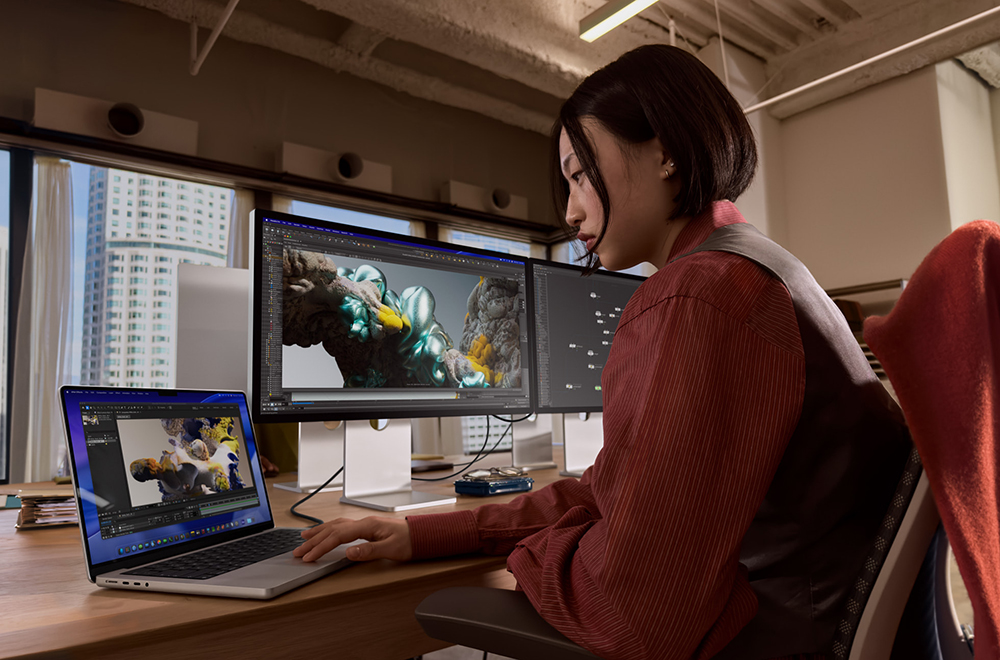
Double the capacity and upgrade! Apple 2026 Studio Display and XDR monitors have 128GB of built-in storage
In most people’s minds, monitors are usually just passive output devices, responsible only for displaying computer screens. However, the Studio Display series launched by Apple in recent years has actually already broken away from the positioning of traditional monitors.
The latest generation of Studio Display and Studio Display XDR are equipped with Apple’s own A-series chips. The Studio Display uses the A19, while the higher-end Studio Display XDR uses the A19 Pro. This configuration is actually very close to the iPhone’s processor architecture, and also allows the display itself to have a certain degree of computing power.
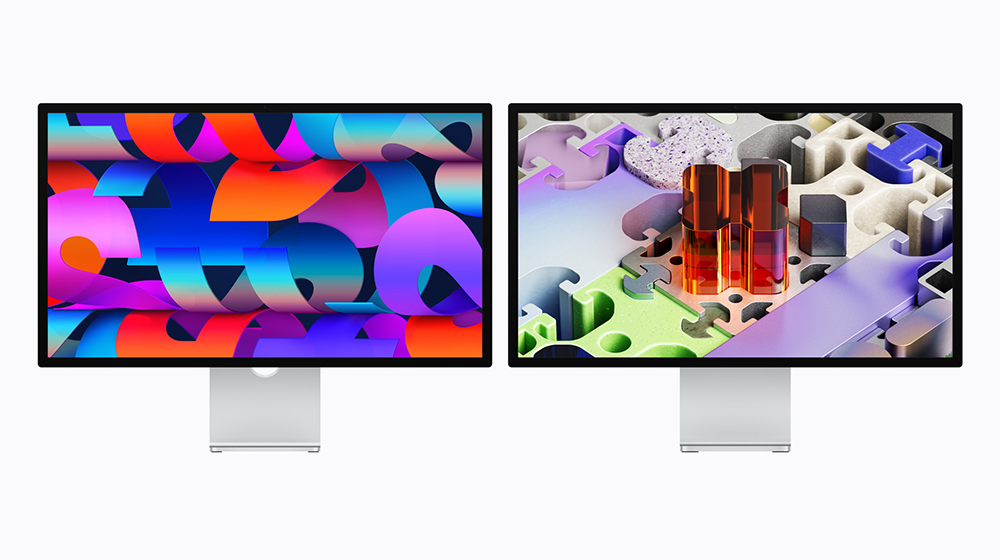
Why monitors need A-series chips
Many people may feel a little confused when they first hear about the built-in chip in Studio Display. After all, the display doesn’t seem to require that much processing power.
In fact, Studio Display’s built-in chip is mainly responsible for multiple system functions. For example, the monitor’s built-in Center Stage camera function will automatically track people and adjust the composition of the screen during video conferencing. This type of image processing requires a certain amount of computing power to be completed in real time.
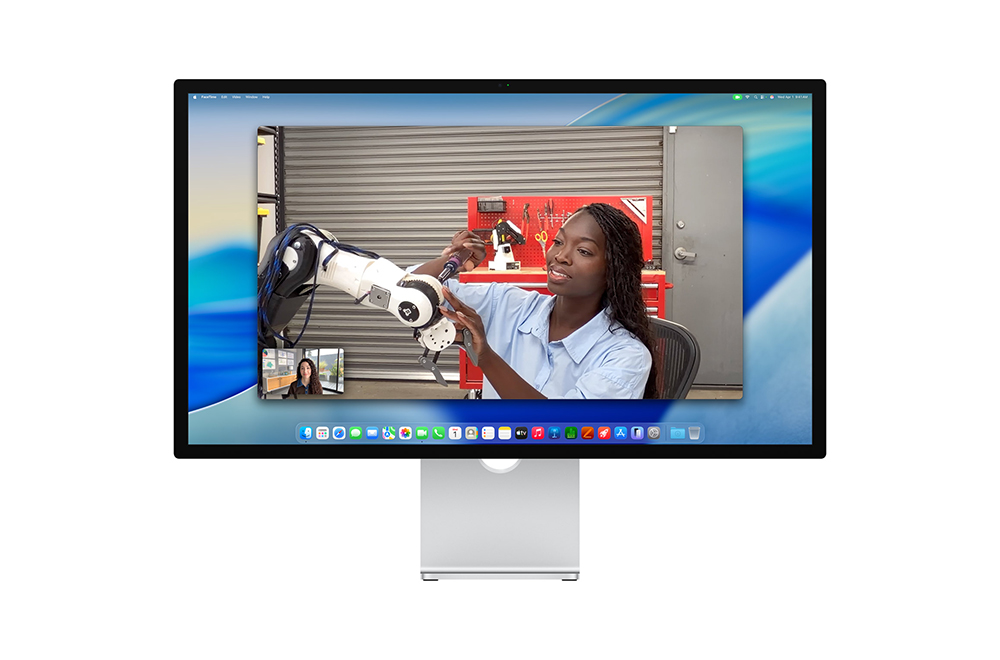
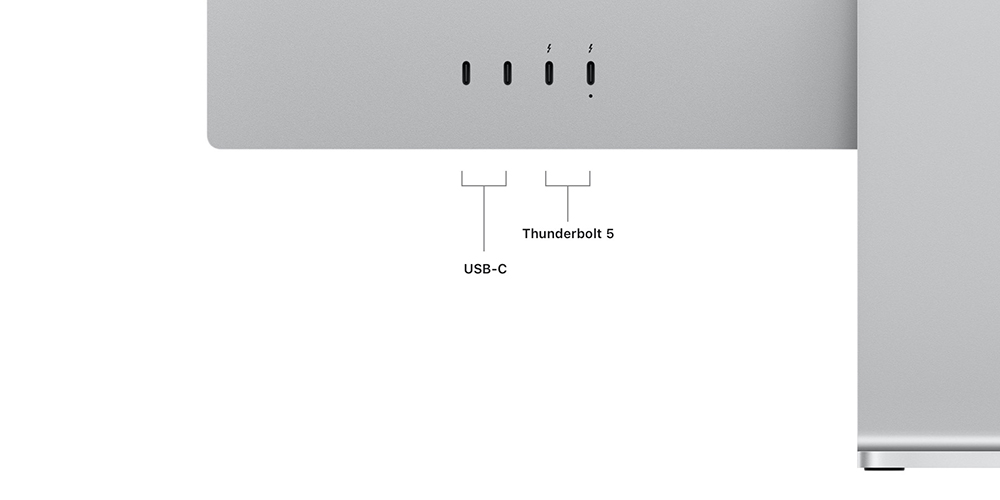
In addition, the chip will also be responsible for display color correction, USB and Thunderbolt device management, spatial audio processing, etc. In other words, Studio Display is not just a display screen, but a smart device with an independent system.
The monitor is actually running iOS
What many people don’t know is that the system architecture of Studio Display is actually an iOS-based operating system. This also means that the monitor actually contains a complete firmware and system environment, which requires a certain amount of storage space to store system files, firmware updates, and diagnostic data. This is why Apple includes NAND storage in its displays.
On the older Studio Display, the built-in storage capacity was 64GB. In this new generation of products, Apple has directly increased the capacity to 128GB, which is equivalent to a full double.
Why capacity increased to 128GB
While 128GB sounds like a lot, it doesn’t really require a lot of space for a monitor.
It is widely speculated that the reason why Apple directly adopts 128GB may be related to the supply chain. Apple has long purchased NAND flash memory in large quantities for its iPhones, so storage modules with the same specifications tend to be cheaper and more readily available.
In other words, compared to specially designed storage modules with smaller capacities, it is more cost-effective to directly use off-the-shelf 128GB NAND.
Therefore, although the display itself may not use such a large capacity, Apple still chooses to use larger storage space due to supply chain and cost considerations.
Most of the capacity is actually unusable
It is worth noting that these storage spaces are not open to users. Currently, Studio Display storage is mainly used for the following purposes:
- Store monitor system and firmware
- Download future system updates
- Diagnostic and Repair Information
- Camera and audio processing related resources
Therefore, even if the capacity reaches 128GB, users will not see any free space and cannot use it to store files or install applications.
RAM specifications have also been improved simultaneously
In addition to storage space, the new Studio Display series also differs in memory configurations. The standard Studio Display comes with 8GB of RAM, while the higher-end Studio Display XDR comes with 12GB of RAM.
This kind of memory capacity is actually quite high for a monitor, and it once again shows that Apple treats the Studio Display as a complete smart device, not just a traditional monitor.

The monitor is becoming more and more like a computer
From the A-series chip, RAM to storage space, the hardware configuration of Studio Display is actually very close to a simplified version of a computer.
In the future, if Apple adds more features to the display, such as more advanced image processing, AI image computing, or even a more complete device management system, this hardware configuration can actually provide enough room for development.
Conclusion
It can be seen from this upgrade of the Studio Display series that Apple’s positioning of monitors is actually slowly changing. In the past, the screen was just an accessory to the computer, but now the Studio Display is more like a smart device with its own system and computing power.
Although the 128GB built-in storage is almost imperceptible to users, it actually reflects changes in Apple’s overall product strategy. When monitors start to be equipped with A-series chips, run iOS-like systems, and are responsible for more image and audio processing tasks, their role is naturally no longer just to display images.
In the future, if Apple continues to enhance the smart functions of the display and even integrates more AI or image processing capabilities, Studio Display may gradually evolve into a new product type, not just the external screen we are familiar with.
Further reading:
Source: KOCPC Chinese